 Search
 EN
EN
 English
 Español
 عربى
عربى

How to Build a Private Label Cosmetic Line?
Content
- 1 The Ultimate Guide to how to start a private label cosmetic line
- 2 Choosing the Right private label skincare manufacturer
- 3 Exploring custom formulation private label cosmetics
- 4 Benefits of private label organic cosmetics
- 5 white label vs private label cosmetics: Key Differences
- 6 Partnering with Shanghai Hexuan Shu Industrial Co., Ltd.
- 7 FAQ
The beauty industry is a dynamic and lucrative sector, offering immense opportunities for entrepreneurs and businesses to establish their own identity. Launching a private label cosmetic line allows retailers, salons, and individuals to create unique products under their own brand without the need to manufacture them from scratch. This business model has revolutionized the market, enabling brands to focus on marketing and customer relationships while relying on specialized manufacturers for production. Whether you are a boutique spa looking for signature scents or a major retailer aiming to expand your skincare range, understanding the intricacies of private labeling is crucial. It involves selecting the right formulations, packaging, and partners to ensure that the final product meets the high expectations of today's discerning consumers. With over 12 years of experience, Shanghai Hexuan Shu Industrial Co., Ltd. has observed the evolution of this industry, helping businesses navigate the complexities of product development and marketing to achieve sustainable growth.
The Ultimate Guide to how to start a private label cosmetic line
Embarking on the journey of how to start a private label cosmetic line requires a strategic approach that blends creativity with regulatory compliance. The process begins with identifying a niche market gap—whether it is organic skincare, anti-aging serums, or long-lasting fragrances. Once the niche is defined, the next step is to find a reliable manufacturing partner who can translate your vision into a tangible product. This involves selecting base formulas from a manufacturer's library or developing custom formulations. Branding is equally critical; the packaging, logo, and label design must resonate with the target audience. Furthermore, understanding the legal landscape, including good manufacturing practices (GMP) and ingredient regulations, ensures that the business operates within legal boundaries. A well-planned launch strategy, leveraging both online and offline channels, is essential for gaining traction in a crowded marketplace.
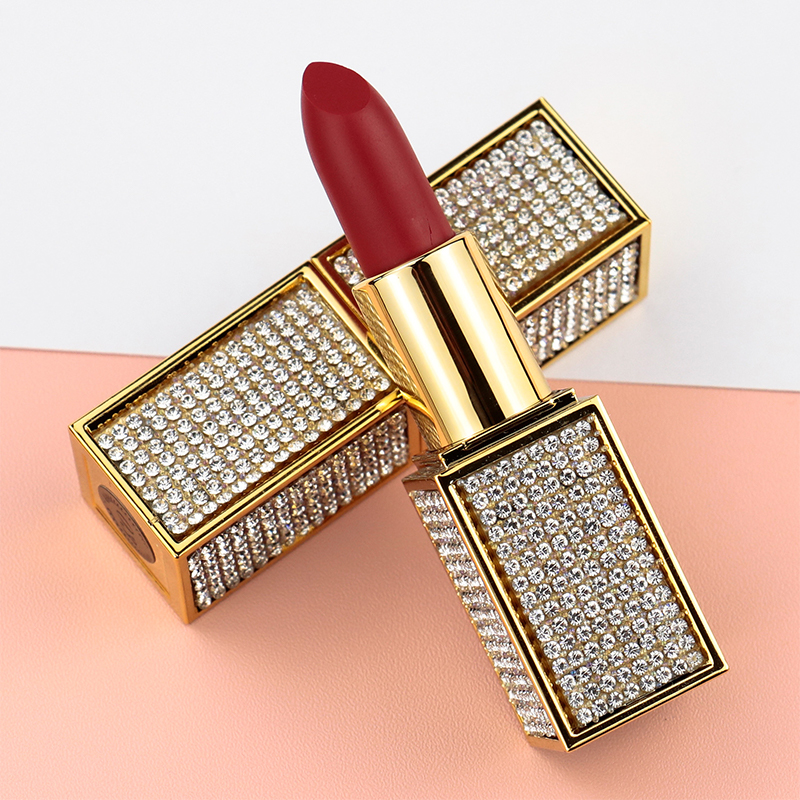
Understanding the Market and Niche
Success in the beauty industry often hinges on finding a specific corner of the market to dominate. When learning how to start a private label cosmetic line, conducting thorough market research is the first and most vital step.
- Identify Target Audience: Determine the demographics, skin concerns, and preferences of your potential customers.
- Analyze Competitors: Look at established brands to see what they are missing and how you can differentiate.
- Select Product Categories: Decide whether you will focus on skincare, haircare, color cosmetics, or fragrances.
- Define Brand Values: Establish whether your brand will focus on luxury, sustainability, clinical efficacy, or natural ingredients.
| Market Strategy | Description | Initial Cost |
| Broad Appeal | General products for mass market | High |
| Niche Focus | Problem-Solution | Luxury Positioning |
Legal Requirements and Compliance
Navigating the regulatory environment is a non-negotiable aspect of launching a private label cosmetic line. Different regions have specific requirements regarding ingredient safety, labeling, and testing.
- Ingredient Safety: Ensure all ingredients are approved for use in cosmetics in your target market.
- Labeling Regulations: Adhere to guidelines regarding ingredient disclosure, weight, and warning labels.
- Product Registration: Some countries require product notification or registration before sale.
- Good Manufacturing Practices: Partner with manufacturers who comply with GMP to ensure product consistency.
| Region | Regulatory Body | Key Requirement | ||
| USA | FDA | Europe (EU) | China | UK |
Choosing the Right private label skincare manufacturer
The success of your brand is intrinsically linked to the capabilities of your manufacturing partner. A private label skincare manufacturer is responsible for turning your concepts into safe, stable, and effective products. It is not just about mixing ingredients; it is about scientific expertise, quality control, and production capacity. Shanghai Hexuan Shu Industrial Co., Ltd., for instance, has built its own R&D team and professional production line after years of practice, developing beauty products that are cost-effective and suitable for various skin types. When selecting a partner, it is essential to assess their certifications, their portfolio of existing formulations, and their willingness to support your brand's growth. A good manufacturer acts as a guide, helping you navigate the technical challenges of product stability and preservation, ensuring that the end product is not only beautiful but also safe for consumer use.
Evaluating Production Capabilities
When assessing a private label skincare manufacturer, you must look beyond their marketing materials and investigate their actual production capabilities.
- Minimum Order Quantities (MOQs): Check if their minimum order requirements align with your budget and storage capacity.
- Lead Times: Understand how long it takes from order placement to delivery to manage your inventory effectively.
- Capacity: Ensure they can scale production up as your brand grows and demand increases.
- Filling and Packaging: Check if they offer in-house filling and packaging services to streamline the supply chain.
| Capability | High-End Manufacturer | R&D Support | Customization | Quality Control | Speed |
Quality Control and Safety Standards
Safety is paramount in the skincare industry. A reputable private label skincare manufacturer will have strict quality control protocols in place. This includes microbiological testing, stability testing, and heavy metal analysis.
- Stability Testing: Ensures the product maintains its integrity under various temperature conditions.
- Microbial Testing: Checks for the absence of harmful bacteria and fungi.
- Heavy Metal Screening: Ensures products are free from toxic levels of metals like lead and mercury.
- Packaging Compatibility: Verifies that the product formula does not react with the packaging material.
| Test Type | Purpose | Frequency | |
| Microbial Limit Test | Stability Test | pH Testing | Viscosity Check |
Exploring custom formulation private label cosmetics
For brands that truly want to stand out, opting for custom formulation private label cosmetics is the ideal path. Unlike standard stock formulas that are available to everyone, custom formulations are created exclusively for your brand. This allows you to address specific consumer needs with unique ingredients, textures, and fragrances. Shanghai Hexuan Shu Industrial Co., Ltd. leverages its R&D team to develop beauty products that are distinct and effective. This process involves close collaboration between the brand and the manufacturer's chemists. While it may require a higher initial investment and longer lead times compared to stock formulas, the result is a proprietary product that cannot be easily duplicated by competitors. This exclusivity can be a significant marketing advantage, allowing brands to claim unique selling points such as "patented extract complexes" or "unique delivery systems."
Tailoring Products to Brand Identity
Custom formulations allow a brand to align every aspect of the product with its identity. When pursuing custom formulation private label cosmetics, you have control over the entire sensory experience.
- Ingredient Selection: Choose specific actives like Hyaluronic Acid, Vitamin C, or unique botanical extracts.
- Texture and Feel: Define whether the product is a light gel, rich cream, or silky serum.
- Fragrance: Develop a signature scent that becomes synonymous with your brand.
- Targeted Efficacy: Formulate specifically for concerns like hyperpigmentation, acne, or sensitive skin.
| Customization Element | Stock Formula | Ingredients | Scent | Packaging | Exclusivity |
The R&D Process Behind Unique Formulas
Creating custom formulation private label cosmetics is a scientific journey. It begins with a briefing where the brand outlines its objectives and budget. The R&D team then drafts initial formulas, which are lab-tested for stability and safety. This iterative process involves sample creation and feedback loops until the perfect product is achieved.
- Briefing & Concept: Initial discussion of product goals, price point, and key ingredients.
- Lab Trials: Chemists create and test prototype formulations.
- Safety & Stability: Accelerated stability testing to ensure the product lasts.
- Scale-Up: Transitioning from lab sample to mass production volume.
| Phase | Duration | Activity | |
| Concept | Formulation | Testing | Production |
Benefits of private label organic cosmetics
Consumer demand for clean and green beauty has surged, making private label organic cosmetics a highly profitable segment. Today's consumers are more conscious than ever about what they put on their skin, leading to a shift away from synthetic chemicals towards natural and organic ingredients. Private labeling allows brands to tap into this trend without needing to formulate products internally. By partnering with a manufacturer who specializes in organic ingredients, brands can certify their products as "Organic" or "Natural," catering to a loyal and growing demographic. This shift is not just a marketing fad; it is a fundamental change in consumer behavior driven by health and environmental concerns. Brands that offer authentic organic products often enjoy higher customer loyalty and can command premium price points.
Meeting the Demand for Natural Ingredients
The core appeal of private label organic cosmetics lies in their ingredient lists. Shoppers are scrutinizing labels for harsh chemicals like parabens, sulfates, and phthalates.
- Botanical Extracts: Use of plant-based ingredients like aloe vera, chamomile, and green tea.
- Essential Oils: Natural fragrances and therapeutic properties derived from flowers and herbs.
- Certifications: Adhering to standards like ECOCERT, COSMOS, or USDA Organic.
- Transparency: Providing clear information about the source and purity of ingredients.
| Ingredient Type | Conventional Cosmetic | Fragrance | Preservatives | Source | Impact |
Marketing Advantages of Organic Beauty
Marketing private label organic cosmetics is often easier because the product itself tells a compelling story. The narrative of sustainability, health, and nature resonates deeply with modern consumers.
- Brand Loyalty: Consumers often stay loyal to brands that align with their ethical values.
- Premium Pricing: Organic products often justify a higher price point due to perceived value.
- Social Media Appeal: Natural aesthetics perform exceptionally well on visual platforms like Instagram.
- Regulatory Advantage: Compliance with organic standards can act as a badge of quality and safety.
| Marketing Factor | Traditional Beauty | Selling Point | Target Audience | Content Strategy | Customer Retention |
white label vs private label cosmetics: Key Differences
Understanding the distinction between white label vs private label cosmetics is fundamental for new entrants in the beauty industry. While both terms refer to products manufactured by a third party and sold under another brand's name, there are significant differences in customization and exclusivity. White label products are pre-formulated, ready-to-sell items that are sold to multiple retailers who simply stick their own label on the packaging. This is fast and cost-effective but offers little differentiation. Private label, on the other hand, implies a higher degree of customization. While it can involve tweaking existing formulas, it often includes custom branding, unique packaging, and sometimes custom formulation. This means a private label product is tailored specifically to the brand's identity, offering a level of exclusivity that white labeling cannot match.
Customization Levels and Branding
The debate of white label vs private label cosmetics often centers on how much the retailer can change the product.
- White Label: You cannot change the formula or ingredients. You can only change the label/logo.
- Private Label: You can often adjust scents, colors, and packaging to match your brand.
- White Label: Speed to market is very fast as the product is already made.
- Private Label: Takes longer due to the customization process and sample approvals.
| Feature | White Label | Formula | Packaging | Exclusivity | Start-up Speed |
Cost and Time to Market Comparison
When deciding between white label vs private label cosmetics, budget and time are the deciding factors for many businesses.
- Initial Investment: White labeling has lower setup costs since no R&D is involved.
- Unit Cost: Private labeling can sometimes offer better unit costs at higher volumes.
- MOQs: White labels usually have lower MOQs compared to custom private labels.
- Brand Equity: Private labels build stronger brand equity long-term due to uniqueness.
| Factor | White Label | Setup Cost | Time to Launch | Risk | Competition |
Partnering with Shanghai Hexuan Shu Industrial Co., Ltd.
Shanghai Hexuan Shu Industrial Co., Ltd., founded in 2013, brings over 12 years of management and marketing experience in online and offline beauty products. As a premier China Private Label Fragrance Manufacturer and Wholesale Private Label Perfume Company, we have established ourselves as a leader in the field. We have built our own R&D team and professional production line, utilizing long-term practice to develop beauty products that are more suitable for the skin and highly cost-effective. Our self-created brand enjoys a high reputation among consumers, serving as a testament to our quality and innovation. We have a number of self-owned and affiliated beauty entities, giving us a huge audience of beauty products; any new product will go through thousands of people's trials before launch to ensure efficacy and satisfaction.
Expertise and R&D Innovation
Our commitment to innovation sets us apart. We understand that custom formulation private label cosmetics require more than just mixing ingredients; they require deep scientific insight. Our R&D team is dedicated to developing formulations that are safe, reliable, and effective. We possess all the necessary qualifications for our products and have a record with the Shanghai Pharmaceutical Administration, ensuring full regulatory compliance. Whether you are looking to create a signature fragrance or a specialized skincare line, our expertise ensures your vision is realized with precision.
Commitment to Safety and Quality Assurance
At Shanghai Hexuan Shu Industrial Co., Ltd., quality is not negotiable. We understand that a private label cosmetic line represents the reputation of our clients.
- Qualified Products: All necessary qualifications and NMPA records maintained.
- Rigorous Testing: Products undergo thousands of trials before launch.
- Reliability: Focus on safety, stability, and consumer satisfaction.
- Professional Counseling: We provide professional beauty consulting for dealers.
| Service Aspect | Our Offering | R&D | Trial Base | Compliance | Consulting |
Compliance and Consumer Trust
We attach great importance to credit, abide by contracts, and prioritize product quality. This approach has allowed us to establish long-term stable cooperative relationships with a number of retailers, agents, and e-commerce platforms. For those looking to enter the market with private label organic cosmetics or fragrance lines, our comprehensive support system makes the journey seamless. We are dedicated to helping dealers deeply benefit from our experience, ensuring that consumers receive products that are truly effective and safe.
FAQ
What is the difference between white label and private label cosmetic line development?
The main difference lies in customization and exclusivity. White label products are pre-made, generic formulas sold to multiple retailers who only apply their own label. In contrast, a private label cosmetic line offers a higher degree of customization, allowing the brand to adjust formulas, scents, and packaging to create a unique product. White labeling is faster and cheaper initially, while private labeling builds stronger brand equity and exclusivity.
How do I find a reliable private label skincare manufacturer?
Finding a reliable private label skincare manufacturer involves checking their certifications (such as GMP and ISO), reviewing their product portfolio, and asking for client testimonials. Ensure they have their own R&D team and quality control processes. It is also crucial to verify that their products comply with the regulatory requirements of your target market.
Can I create custom formulation private label cosmetics with low MOQs?
While custom formulation private label cosmetics typically require higher Minimum Order Quantities (MOQs) than stock formulas due to the R&D and setup costs, some manufacturers offer flexible options. It often depends on the complexity of the formula and the packaging. Discussing your budget and volume expectations with the manufacturer early can help find a feasible solution.
Are private label organic cosmetics more profitable?
Yes, private label organic cosmetics can be more profitable because they cater to a growing market segment willing to pay a premium for natural and sustainable products. While the cost of raw organic ingredients might be higher, the higher perceived value allows for better margins. Additionally, organic products often foster stronger customer loyalty, leading to repeat business.
-
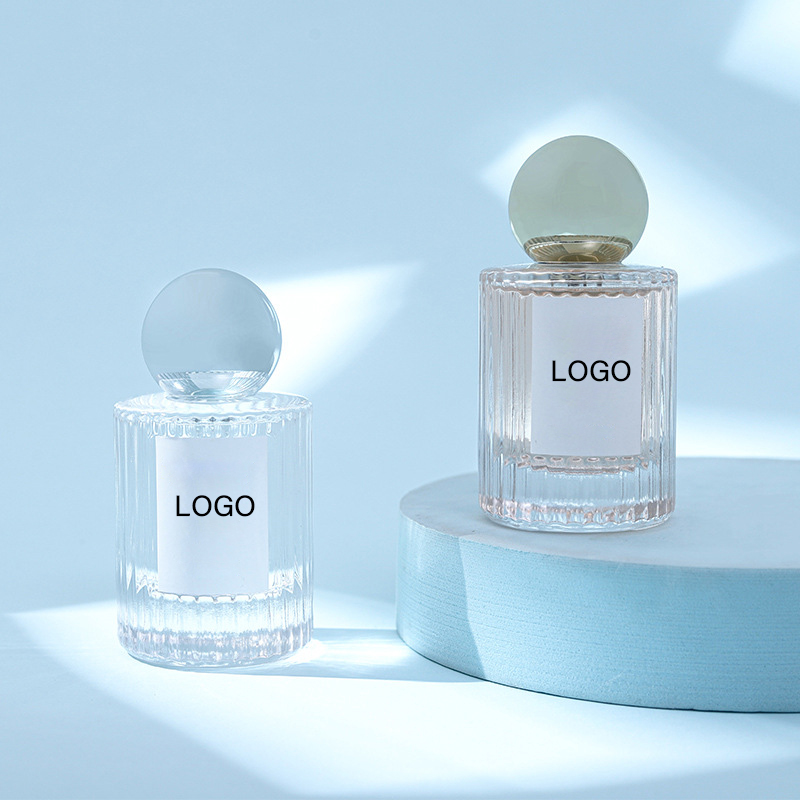 Fragrance China Branded Perfume Factory 50ML/100ML
-
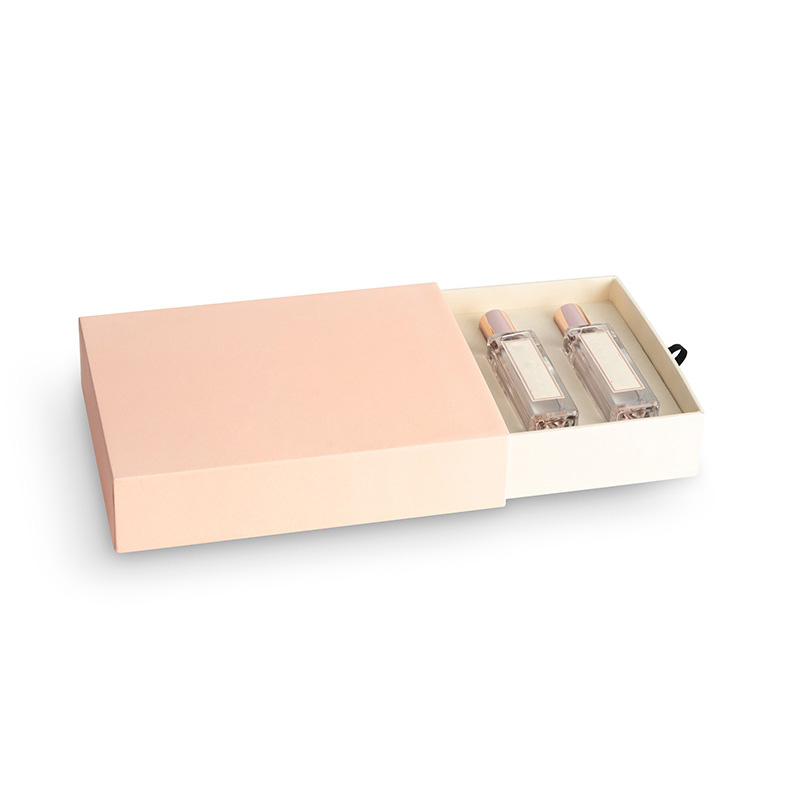 30ML*4 Label Long Lasting Body Spray Perfume Gift Set for Women Men 30ml/50ml/100ml
-
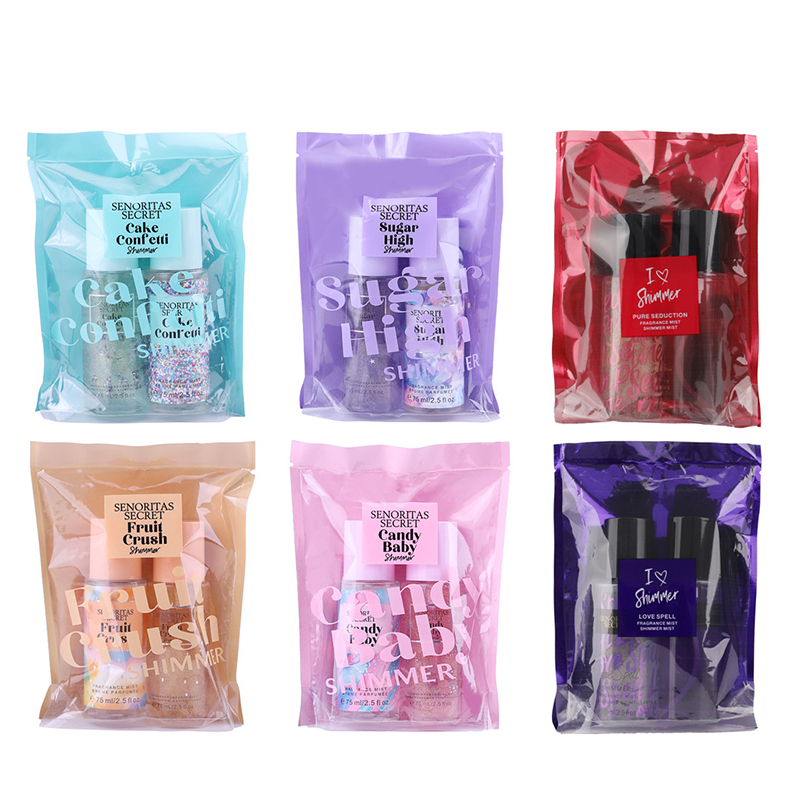 Customize logo Body Mist Collection Perfume Body Spray Secret Body Mist Set 75ml*2
-
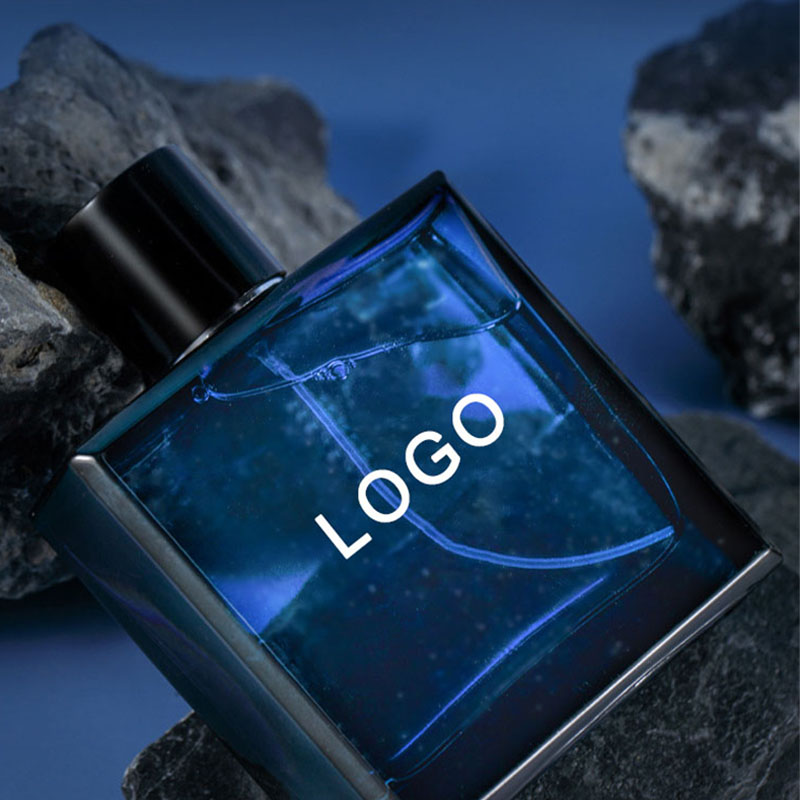 100ml Men Perfume Professional Manufacturer Male Perfume
-
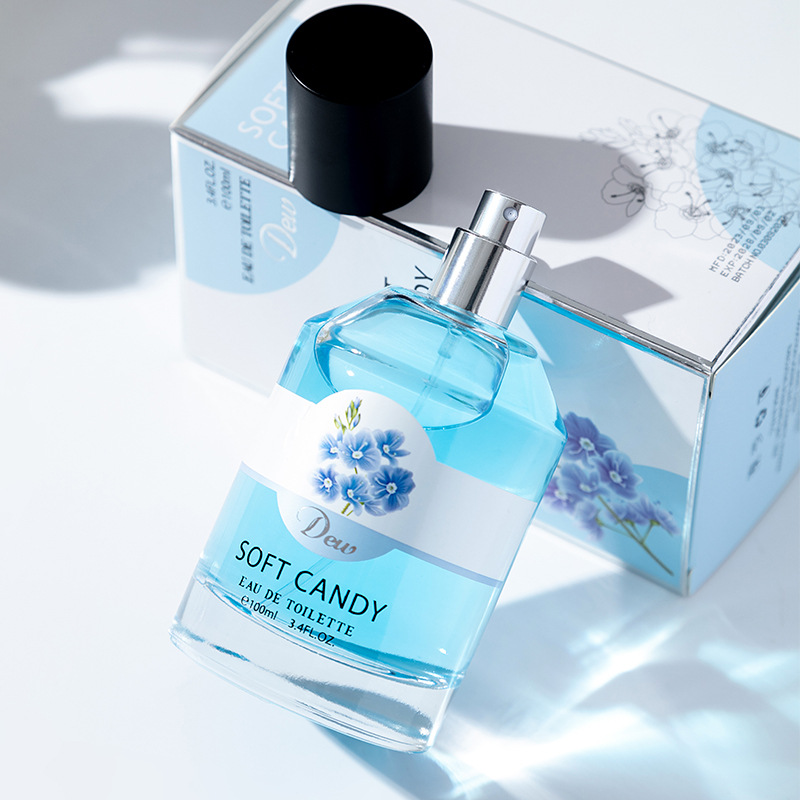 100ml Perfume Logo Make Your Own Brand Smart Collection Perfumes Original Women Perfume
-
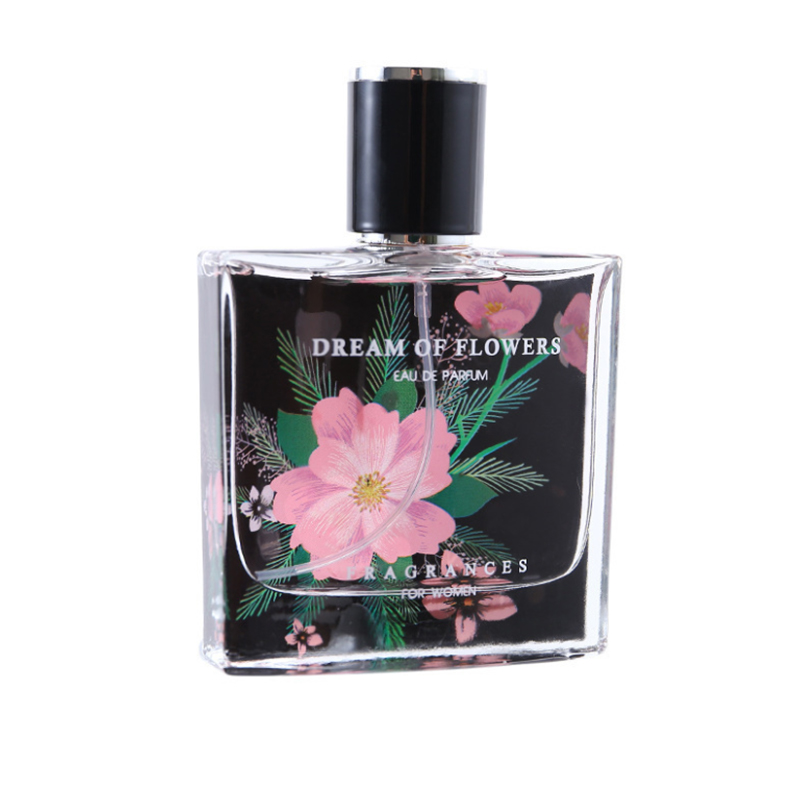 Original Long Lasting Fragrance Flower 50Ml Eau De Perfume for Women

- E-mail: [email protected]
- TEL: +86-021-54730699
- Phone/Whatsapp: +86 136 8173 2008
- ADD: Room 612, Building A, No. 389, Lianming Road, Minhang District, Shanghai, China
To Browse
Mobile terminal
Copyright © Shanghai Hexuanshu Industrial Co., LTD
All Rights Reserved.
Wholesale Private Label Luxury Colour Cosmetic Products
