 Search
 EN
EN
 English
 Español
 عربى
عربى

What Is Private Label Eyebrow?
Content
- 1 Why Choose Private Label for Eyebrow Products?
- 2 How to Formulate for Specific Consumer Needs?
- 3 Who Provides Reliable, High-Quality Private Label Eyebrow Solutions?
- 4 Conclusion: How to Launch a Successful Private Label Eyebrow Line?
- 5 Frequently Asked Questions (FAQ)
- 5.1 1. What is the typical minimum order quantity (MOQ) for private label eyebrow products?
- 5.2 2. How long does it take to develop a private label eyebrow product?
- 5.3 3. What certifications should I look for in a private label eyebrow manufacturer?
- 5.4 4. Can I create a private label eyebrow product that is both waterproof and easy to remove?
- 5.5 5. What is the difference between private label and contract manufacturing for eyebrow products?
- 6 References
Private label eyebrow refers to a business model where a manufacturer produces eyebrow cosmetic products, and another company sells them under its own brand name. This approach allows retailers, influencers, and beauty professionals to launch their own branded eyebrow lines without investing in complex research, development, and manufacturing infrastructure. For brand managers, product developers, and beauty entrepreneurs, understanding the formulation, packaging, and regulatory nuances of private label eyebrow products is essential for creating a successful and competitive brand. This article provides a technical deep dive into the key product categories, formulation considerations, and market strategies for private label eyebrow cosmetics.
Why Choose Private Label for Eyebrow Products?
The private label model offers several strategic advantages. It significantly reduces the time to market compared to developing a product from scratch. It leverages the manufacturer's existing expertise in formulation and sourcing, ensuring product quality and stability. It also allows for greater flexibility in branding, packaging, and product mix, enabling businesses to respond quickly to market trends like the demand for clean beauty or specific functional ingredients.
What Makes a Private Label Eyebrow Serum with Peptide Complex Effective?
A private label eyebrow serum with peptide complex is designed to condition the eyebrows, promote the appearance of fuller hair, and strengthen existing hairs. The efficacy of such a serum lies in its active ingredients. Peptides are short chains of amino acids that act as signaling molecules. In cosmetic formulations, specific peptides like copper peptides or acetyl tetrapeptide-3 are included to stimulate the hair follicles and improve the anchoring of the hair. An effective serum formulation also typically includes humectants like glycerin or hyaluronic acid to hydrate the skin beneath the brows, and emollients to condition the hair shaft. Panthenol (pro-vitamin B5) is often added to improve hair flexibility and reduce breakage. The formulation must be tested for stability to ensure the peptide complex remains active throughout the product's shelf life. Preservatives are carefully selected to prevent microbial growth without irritating the sensitive eye area.
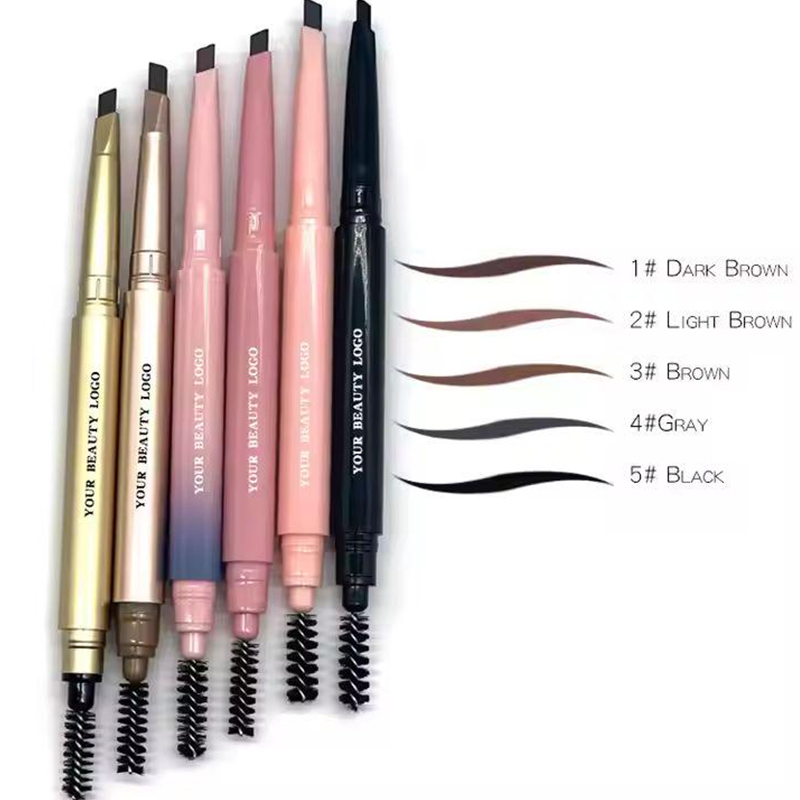
Why Is a Private Label Eyebrow Pencil with Spoolie Brush a Best-Seller?
The private label eyebrow pencil with spoolie brush is a staple in the eyebrow category because it combines two essential functions in one tool. The mechanical pencil side allows for precise, hair-like strokes to fill in sparse areas. The spoolie brush on the other end is used to blend the product and groom the brow hairs into place. From a formulation perspective, the pencil's texture is critical. It must be firm enough to create fine lines without breaking, yet creamy enough to deposit color smoothly without tugging at the skin. Waxes like ozokerite, candelilla, or carnauba provide structure and water resistance. Oils and esters, such as caprylic/capric triglyceride or jojoba esters, provide slip and emolliency. The spoolie brush quality is also important. It should have densely packed, firm bristles that can effectively groom without being too scratchy. The dual-ended design offers convenience and value, making it a popular choice for consumers and a reliable best-seller for brands.
How to Formulate for Specific Consumer Needs?
Modern consumers seek products tailored to their specific concerns, such as sensitivity, long wear, and natural ingredients. Formulating for these niches requires a deep understanding of raw materials and their interactions.
Developing a Private Label Eyebrow Gel for Sensitive Skin: Key Ingredients to Avoid
Developing a private label eyebrow gel for sensitive skin requires careful selection of ingredients to minimize the risk of irritation. The eye area is particularly delicate, and certain common cosmetic ingredients can cause reactions. The formulation strategy should focus on a simplified ingredient list. The table below outlines key ingredients to avoid and suitable alternatives for sensitive skin formulations.
| Ingredient Category | Ingredients to Avoid (Potential Irritants) | Suitable Alternatives for Sensitive Skin |
|---|---|---|
| Fragrance | Synthetic fragrances, certain essential oils (e.g., citrus, peppermint) | Fragrance-free, or hypoallergenic fragrance compounds at very low levels |
| Preservatives | Formaldehyde-releasers (e.g., DMDM hydantoin, quaternium-15), isothiazolinones (e.g., methylisothiazolinone) | Phenoxyethanol, ethylhexylglycerin, potassium sorbate, sodium benzoate |
| Alcohols | Denatured alcohol, SD alcohol, which can be drying and irritating | Fatty alcohols (e.g., cetyl alcohol, stearyl alcohol) which are emollient and non-irritating |
| Film-Formers | Certain high-molecular-weight polymers that may cause tightness | Gentler film-formers like aloe vera gel, or modified starches |
In addition to ingredient selection, preservative efficacy testing (PET) and stability testing are crucial to ensure the product remains safe and effective without harsh chemicals. Products for sensitive skin should also be ophthalmologist-tested to confirm they are safe for the eye area.
Formulating a Private Label Eyebrow Powder Waterproof Formula: Technical Considerations
Formulating a private label eyebrow powder waterproof formula involves creating a pressed or loose powder that resists smudging and fading due to water, sweat, and humidity. The key technology lies in the binder system and the choice of pigments and powders. Traditional pressed powders use binders like magnesium stearate or zinc stearate to hold the powder together. For a waterproof formula, formulators often incorporate hydrophobic treatment on the pigments and fillers. This means coating materials like mica, talc, or iron oxides with substances like dimethicone or triethoxycaprylylsilane. This coating repels water and oil, making the powder adhere better to the skin and resist moisture. The choice of film-formers, such as certain silicone resins or acrylates copolymers, can also enhance wear. However, the formula must balance waterproofness with blendability. A powder that is too water-resistant may be difficult to apply and blend. Achieving this balance requires precise formulation and rigorous testing under various conditions.
What Is an Organic Private Label Eyebrow Growth Enhancer and How Does It Work?
An organic private label eyebrow growth enhancer is a serum or treatment formulated with predominantly organic-certified ingredients designed to support the natural growth and health of eyebrow hairs. Unlike pharmaceutical-grade products that may contain prostaglandin analogs (which can have side effects), organic growth enhancers rely on botanical ingredients to nourish the hair follicle and improve the condition of the hair shaft. Key ingredients often include organic castor oil, which is rich in ricinoleic acid and has been traditionally used to promote hair growth. Organic essential oils like rosemary, cedarwood, and lavender are sometimes included for their purported ability to stimulate circulation to the hair follicles. Organic aloe vera provides soothing hydration, while organic green tea extract offers antioxidant protection. The mechanism is primarily nutritional and supportive, not pharmacological. These products aim to create a healthy environment for hair growth, reducing breakage and potentially supporting the hair's natural growth cycle. Claims for these products must be carefully worded to be compliant with regulations, focusing on conditioning and nourishing rather than directly claiming to "cure" thinning.
Who Provides Reliable, High-Quality Private Label Eyebrow Solutions?
For businesses seeking a trusted partner for their private label venture, the manufacturer's experience and regulatory compliance are paramount. Shanghai Hexuan Shu Industrial Co., Ltd., founded in 2013, brings over 12 years of management and marketing experience for online and offline beauty products. As a China-based private label manufacturer, the company has built its own R&D team and professional production line. Through long-term practice, they have developed beauty products that are more suitable for the skin and are cost-effective. The company has a number of self-owned and affiliated beauty entities, giving them access to a large audience for product testing. Any new product typically undergoes trials with thousands of people before its official launch. This commitment to pre-launch validation helps ensure the product is safe, reliable, and effective. The company holds all necessary product qualifications and maintains records with the Shanghai Pharmaceutical Administration. This regulatory diligence provides brand partners with confidence in product safety and compliance. Based on their love of the beauty cause and rich practical experience, they also provide professional beauty counseling for dealers. By adhering to principles of credit, contract compliance, and product quality, they have established long-term, stable cooperative relationships with numerous retailers, agents, and e-commerce platforms.
Conclusion: How to Launch a Successful Private Label Eyebrow Line?
Launching a successful private label eyebrow line requires a strategic approach that combines product development expertise with market understanding. For a conditioning treatment, consider a private label eyebrow serum with peptide complex. For a versatile, high-turnover item, a private label eyebrow pencil with spoolie brush is a reliable choice. To cater to consumers with allergies, develop a private label eyebrow gel for sensitive skin with a minimalist ingredient list. For long-wear performance, a private label eyebrow powder waterproof formula meets a key consumer need. And to tap into the clean beauty trend, an organic private label eyebrow growth enhancer can differentiate your brand. By partnering with an experienced manufacturer that prioritizes R&D, product testing, and regulatory compliance, you can bring safe, effective, and market-ready eyebrow products to your customers and build a lasting brand.
Frequently Asked Questions (FAQ)
1. What is the typical minimum order quantity (MOQ) for private label eyebrow products?
The MOQ varies significantly depending on the product type and manufacturer. For simple products like eyebrow pencils or powders, MOQs can range from 1,000 to 3,000 units per SKU. For liquid products like serums or gels, MOQs might be higher due to the complexity of filling and packaging. Some manufacturers offer lower MOQs for starter kits or for using their stock packaging.
2. How long does it take to develop a private label eyebrow product?
The timeline depends on the complexity of the product and whether you are using an existing formula or developing a custom one. Using an existing formula with your branding (stock packaging) can take as little as 4-8 weeks. Developing a custom formula with custom packaging can take 4-6 months or longer, including time for formulation, stability testing, preservative efficacy testing, and packaging production.
3. What certifications should I look for in a private label eyebrow manufacturer?
Look for manufacturers with ISO 22716 (Good Manufacturing Practices for Cosmetics) certification, which ensures quality control in production. GMPC (Good Manufacturing Practices Certificate) is another key certification. Depending on your target market, you may also need facilities that can produce products certified by organizations like ECOCERT (for organic/natural) or that comply with FDA regulations for the US market or CPNP for the EU market.
4. Can I create a private label eyebrow product that is both waterproof and easy to remove?
Yes, this is a common formulation goal. It is achieved by using specific emulsifiers and cleansing agents within the formula itself, or by relying on the consumer's choice of makeup remover. Some modern waterproof formulas use film-formers that are soluble in oils but not in water, making them resistant to water and sweat but easily removable with an oil-based cleanser or micellar water.
5. What is the difference between private label and contract manufacturing for eyebrow products?
In a private label arrangement, you typically choose products from the manufacturer's existing catalog of formulas. You can customize the color, packaging, and branding. In contract manufacturing, you bring your own unique formula idea, and the manufacturer develops and produces it from scratch according to your specifications. Private label is faster and more cost-effective, while contract manufacturing offers more exclusivity.
References
- U.S. Food and Drug Administration. (2023). FDA Authority Over Cosmetics: How Cosmetics Are Not FDA-Approved, but Are FDA-Regulated.
- European Commission. (2023). Regulation (EC) No 1223/2009 of the European Parliament and of the Council on cosmetic products.
- International Organization for Standardization. (2007). ISO 22716:2007 Cosmetics — Good Manufacturing Practices (GMP) — Guidelines on Good Manufacturing Practices.
- Personal Care Products Council. (2023). International Cosmetic Ingredient Dictionary and Handbook.
- Cosmetic Ingredient Review (CIR). (2023). Safety Assessments of Cosmetic Ingredients.
- EFSA Panel on Dietetic Products, Nutrition and Allergies. (2014). Scientific Opinion on the safety of caffeine.
related products
-
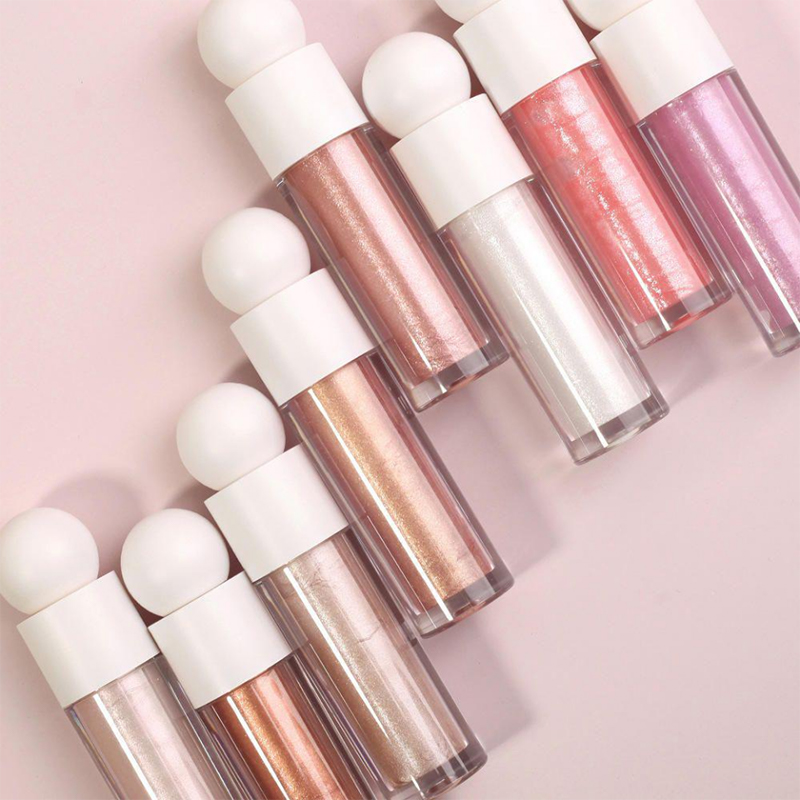 Private Brand Fairy Shimmer Liquid Highlight Waterproof Body and Face Highlight DIY Color logo
-
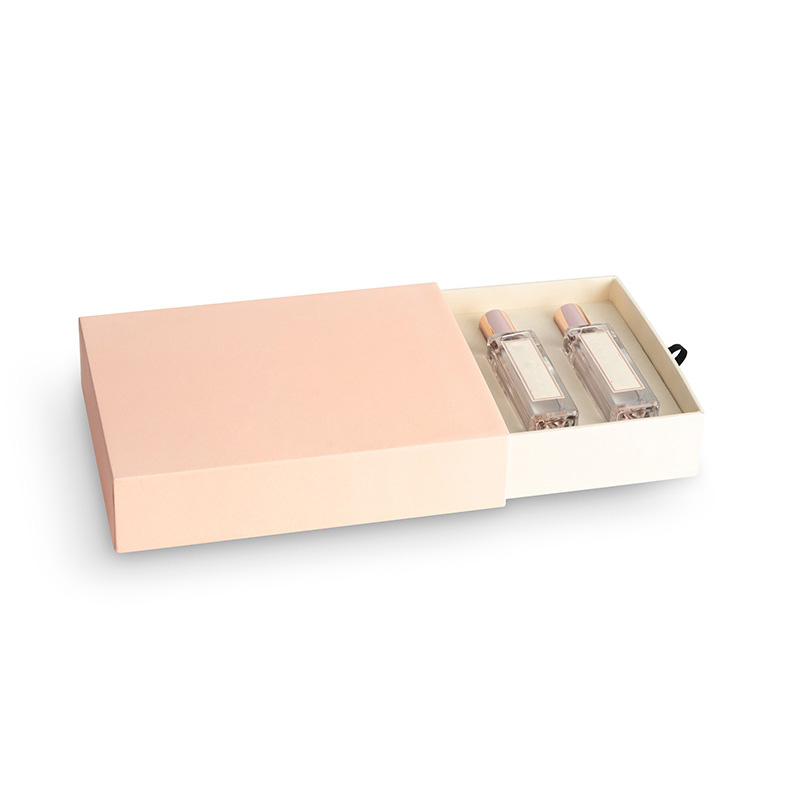 30ML*4 Label Long Lasting Body Spray Perfume Gift Set for Women Men 30ml/50ml/100ml
-
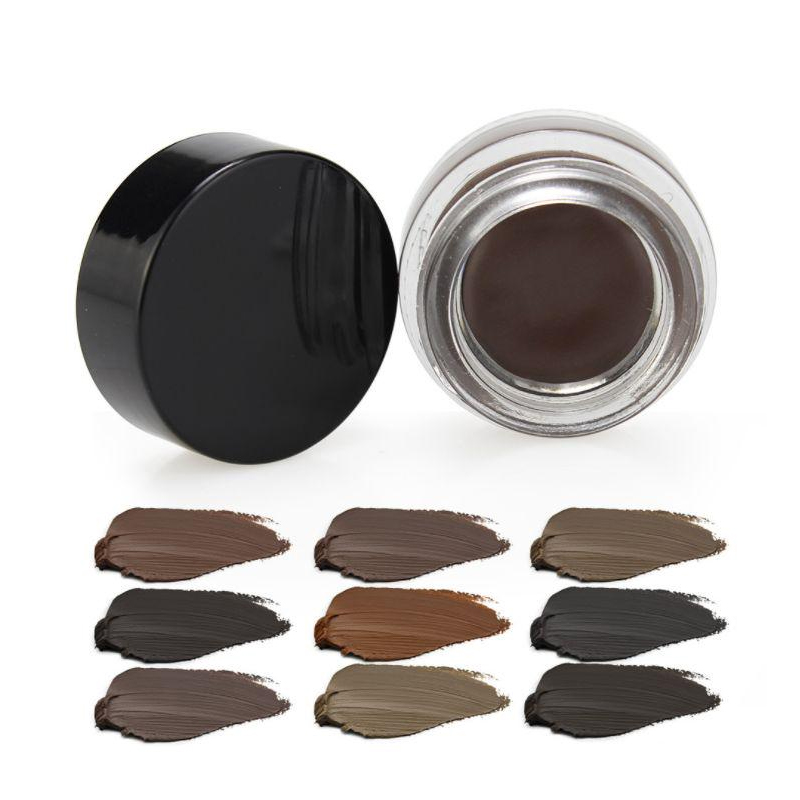 Low MOQ Accepted Eyebrow Pomade Makeup Eyebrow Gel Waterproof Eyebrow Cream 9 color
-
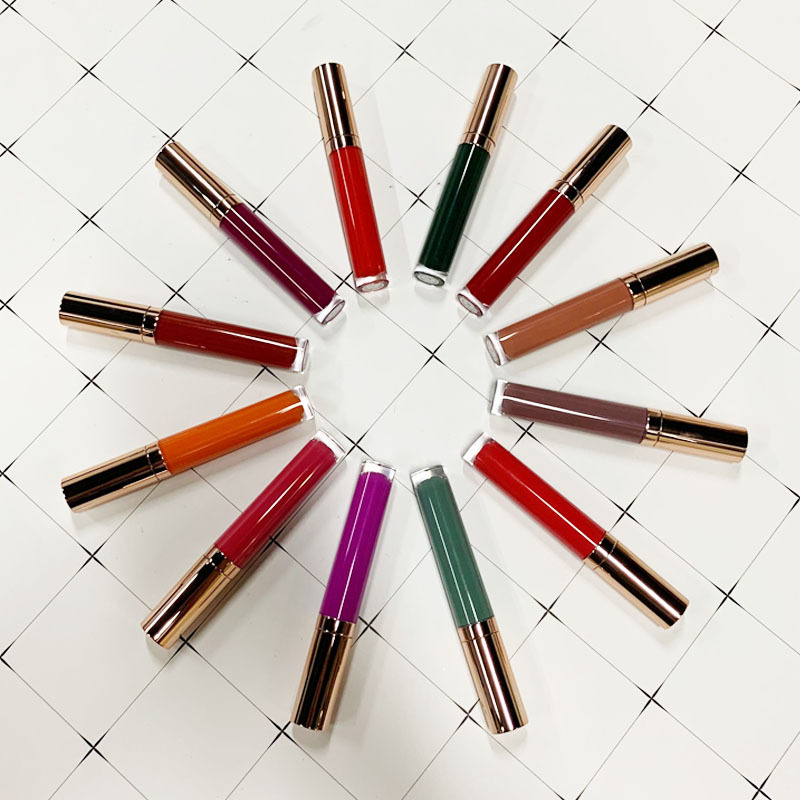 Cosmetics Make Lip Gloss No Label Liquid Matte Lipstick Lip Gloss 30 colors
-
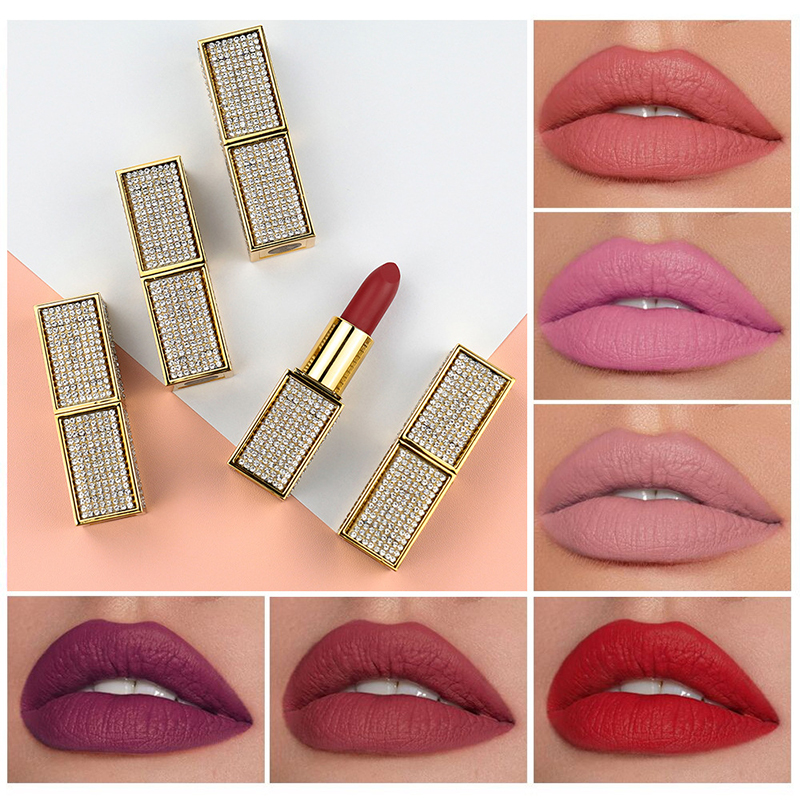 Oem Low Moq 13 Colors Moisturizing Longlasting Customized Logo Label Vegan Nude Matte Lip Stick Lipstick
-
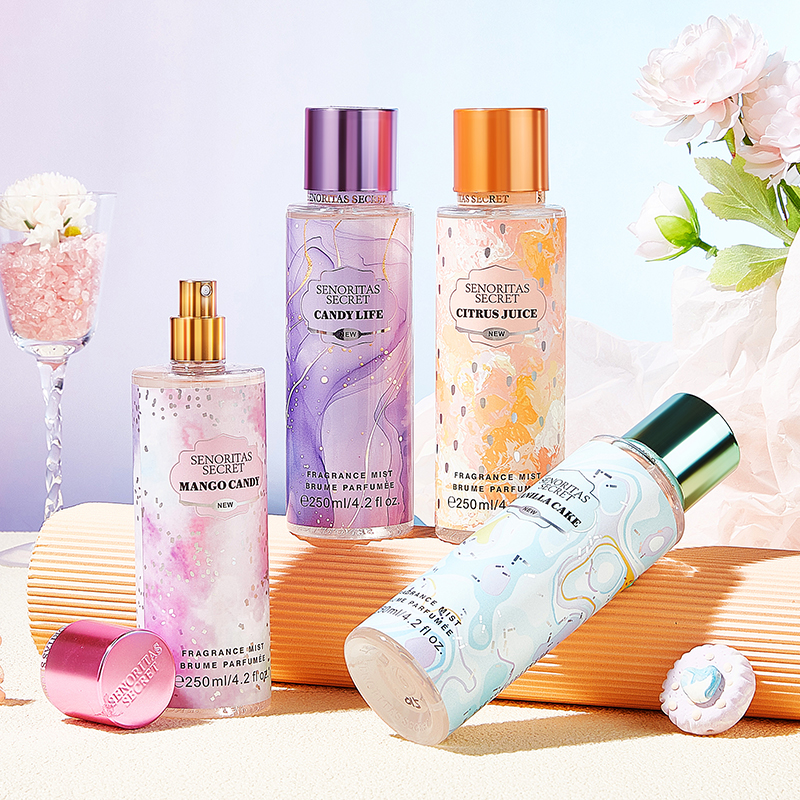 250ml Long Lasting Fragrance Body MIst for Women Perfume Body Spray

- E-mail: [email protected]
- TEL: +86-021-54730699
- Phone/Whatsapp: +86 136 8173 2008
- ADD: Room 612, Building A, No. 389, Lianming Road, Minhang District, Shanghai, China
To Browse
Mobile terminal
Copyright © Shanghai Hexuanshu Industrial Co., LTD
All Rights Reserved.
Wholesale Private Label Luxury Colour Cosmetic Products
