 Search
 EN
EN
 English
 Español
 عربى
عربى

Body Mist Ingredients, Formulation & Fragrance Retention
Content
A body mist is a water-based fragrance product with a concentration of 1% to 3% aromatic compounds, designed for all-over body application. Unlike perfume, which can linger for 6 to 8 hours, body mist typically lasts 2 to 4 hours -- making it ideal for light, refreshing wear during daily activities. Its lightweight texture, skin-safe ingredients, and affordable price point make it the most versatile fragrance format in the personal care market.
Core Ingredients in Body Mist Formulations
The ingredient list of a body mist is carefully engineered to balance fragrance delivery, skin comfort, and stability. Every component plays a defined functional role:
Water (Aqua)
Deionized or distilled water forms the primary base, typically comprising 70% to 85% of the total formulation. It acts as the solvent carrier and ensures the spray disperses in an ultra-fine mist across the skin surface. Using purified water prevents mineral interference with fragrance molecules.
Alcohol (Ethanol)
SD Alcohol 40-B or Alcohol Denat. is added at concentrations of 10% to 20%. Alcohol performs three functions: it solubilizes fragrance oils that would otherwise separate from water, it accelerates evaporation (creating the immediate scent burst on application), and it acts as a mild preservative. The lower alcohol content compared to eau de toilette (15% to 20%) is what gives body mist its skin-friendly, non-drying quality.
Fragrance Compounds (Parfum)
Fragrance concentration sits at 1% to 3% of the formula. Formulators blend top notes (citrus, green), heart notes (floral, fruity), and base notes (musky, woody) to achieve a balanced scent profile. Popular accords in body mist include fresh aquatic blends, sweet gourmand mixes, and clean floral combinations.
Fixatives and Solvents
Propylene glycol or dipropylene glycol (DPG) is used as a co-solvent and fixative at 2% to 5%. DPG slows the evaporation rate of volatile fragrance molecules, extending the perceived longevity of the scent on skin. It also improves the miscibility of oil-soluble fragrance components within the aqueous base.
Skin Conditioning Agents
Many modern formulations include humectants and emollients such as:
- Glycerin (0.5% to 2%) -- draws moisture from the air into the skin
- Aloe Vera Extract -- soothes and hydrates, popular in tropical scent variants
- Panthenol (Vitamin B5) -- supports skin barrier integrity
- Sodium PCA -- a natural moisturizing factor that improves skin feel
These additions differentiate body mist from traditional fragrance formats, positioning it as a hybrid between skincare and fragrance.
Preservatives and Stabilizers
To maintain a shelf life of 24 to 36 months, preservatives such as phenoxyethanol (up to 1%), sodium benzoate, or potassium sorbate are incorporated. UV stabilizers like benzophenone-4 protect fragrance integrity from light degradation.
Body Mist vs. Perfume: Concentration and Longevity Compared
The distinction between body mist and other fragrance formats is primarily a matter of aromatic concentration. Understanding these differences helps consumers select the right product for their lifestyle and budget.
| Product Type | Fragrance Concentration | Longevity on Skin | Alcohol Content | Typical Use |
|---|---|---|---|---|
| Body Mist | 1% - 3% | 2 - 4 hours | 10% - 20% | Daily casual use, post-shower |
| Eau de Cologne | 2% - 5% | 2 - 3 hours | 70% - 80% | Refreshing, sport/gym |
| Eau de Toilette | 5% - 15% | 3 - 5 hours | 60% - 80% | Everyday wear |
| Eau de Parfum | 15% - 20% | 5 - 8 hours | 60% - 80% | Evening, special occasions |
| Parfum / Extrait | 20% - 40% | 8+ hours | 15% - 30% | Luxury, signature scent |
One key distinction often overlooked: body mist applies water as its primary carrier rather than alcohol, which makes it significantly gentler on sensitive skin. A 2022 consumer preference survey by Mintel found that 62% of Gen Z buyers preferred body mist over traditional EDTs for everyday use, citing skin compatibility and value as the top reasons.
What Determines Fragrance Retention in Body Mist
Since body mist contains lower aromatic concentrations, fragrance retention becomes a formulation science challenge. Multiple variables interact to determine how long and how intensely a scent projects on the wearer.
The Role of Fixatives
Fixatives slow the evaporation of volatile top-note compounds. In body mist, the most effective fixatives are:
- Dipropylene Glycol (DPG) -- industry standard; extends diffusion by binding fragrance molecules
- Isopropyl Myristate -- improves skin absorption and slows release
- Benzyl Benzoate -- a naturally derived fixative that also acts as a solvent
- Musk compounds (Galaxolide, Habanolide) -- synthetic base notes that anchor the scent pyramid
Skin Chemistry and Hydration
Skin that is well-moisturized retains fragrance up to 30% longer than dry skin, according to fragrance industry benchmarks. This is because moisturized skin reduces the rate of evaporation by creating a lipid-rich surface layer. Applying body lotion before spritzing a body mist is an industry-standard layering technique that significantly extends wear time.
Individual skin pH also affects scent perception. Slightly acidic skin (pH 4.5 to 5.5) tends to interact more favorably with floral and fruity fragrance accords, while higher skin pH can accelerate the breakdown of lighter top notes.
Application Points and Coverage Area
Unlike perfume, which is typically applied to pulse points in concentrated drops, body mist is designed for broad-area application. Recommended application zones that maximize projection include:
- Inner wrists and forearms
- Behind the knees (heat-generating zone)
- Neck and collarbone
- Chest and upper back
- Hair (mist lightly from 30 cm distance)
Body heat from pulse points accelerates scent diffusion, increasing the radius of fragrance projection by an estimated 20 to 40 cm compared to non-pulse-point application.
Fragrance Note Structure and Retention
Body mists formulated with a higher ratio of heart and base notes retain their character longer than those dominated by top notes. Top notes (citrus, aldehydic) evaporate within 15 to 30 minutes. Heart notes (rose, jasmine, peony) persist for 30 to 90 minutes. Base notes (sandalwood, amber, musk) can linger for 2 to 4 hours even in a low-concentration mist format. Formulators who load base note materials like cedarwood, vetiver, or synthetic musks into the body mist significantly improve consumer perception of longevity.
Encapsulation Technology
Advanced body mist formulations increasingly incorporate microencapsulated fragrance -- fragrance molecules wrapped in a polymer shell that ruptures upon friction (rubbing skin together). Brands like Bath and Body Works have adopted this technology in premium lines, reporting consumer perception of scent lasting up to 6 hours compared to 3 hours for standard formulas. Encapsulation adds approximately 8 to 15% to raw material costs but delivers measurable performance improvements.
Formulation Benefits That Drive Consumer Preference
Beyond scent, body mist offers a distinct functional benefit profile that traditional perfume cannot match. These advantages are central to its growing market appeal.
Skin Hydration
Formulations containing glycerin, aloe vera, and hyaluronic acid provide measurable skin conditioning alongside fragrance. In clinical studies cited by cosmetic chemists, a 1% glycerin addition in body mist increased transepidermal water retention by 18% over a 4-hour period.
Layering Versatility
Body mist is designed to complement or layer with other personal care products -- body wash, lotion, and deodorant -- without causing olfactory clashes. Brands typically develop matching or harmonizing fragrance families across their product lines to encourage multi-product purchase.
Accessibility and Price Point
The average retail price of a 250 ml body mist sits between $8 and $30, compared to $50 to $200+ for a 50 ml eau de parfum. This makes body mist the dominant fragrance entry point for consumers aged 13 to 25. The global body mist market was valued at approximately $1.8 billion in 2023 and is projected to grow at a CAGR of 6.2% through 2030.
Lower Sensitization Risk
With reduced fragrance concentration and lower alcohol levels, body mist presents a lower risk of contact dermatitis compared to high-concentration perfumes. This is particularly relevant for consumers with reactive or post-treatment skin conditions.
Practical Tips for Maximizing Body Mist Performance
Even with a well-formulated product, user application habits strongly influence the perceived quality of a body mist experience. The following practices are consistently recommended by fragrance professionals:
- Apply immediately after showering -- warm, open pores absorb fragrance more effectively, and damp skin provides a hydrated surface that slows evaporation
- Layer with matching body lotion -- creates a fragrance foundation that doubles perceived longevity
- Hold the bottle 20 to 30 cm from skin -- allows the mist to disperse evenly rather than pooling in one area
- Do not rub after application -- friction breaks down fragrance molecules prematurely, especially top notes
- Store in a cool, dry location -- heat and UV exposure degrade fragrance compounds and reduce shelf life
- Reapply every 2 to 3 hours -- unlike perfume, body mist is designed for liberal, frequent use without risk of overscenting
-
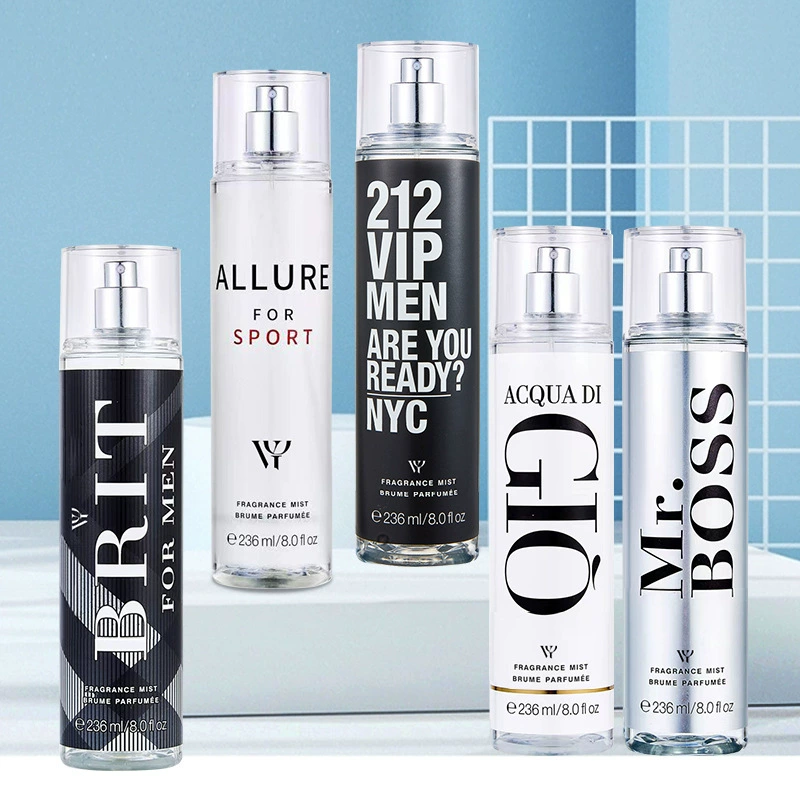 Body Mist 236ml Floral Fruity Original Body Fragrance Spray Lasting Fragrance Perfume for Men
-
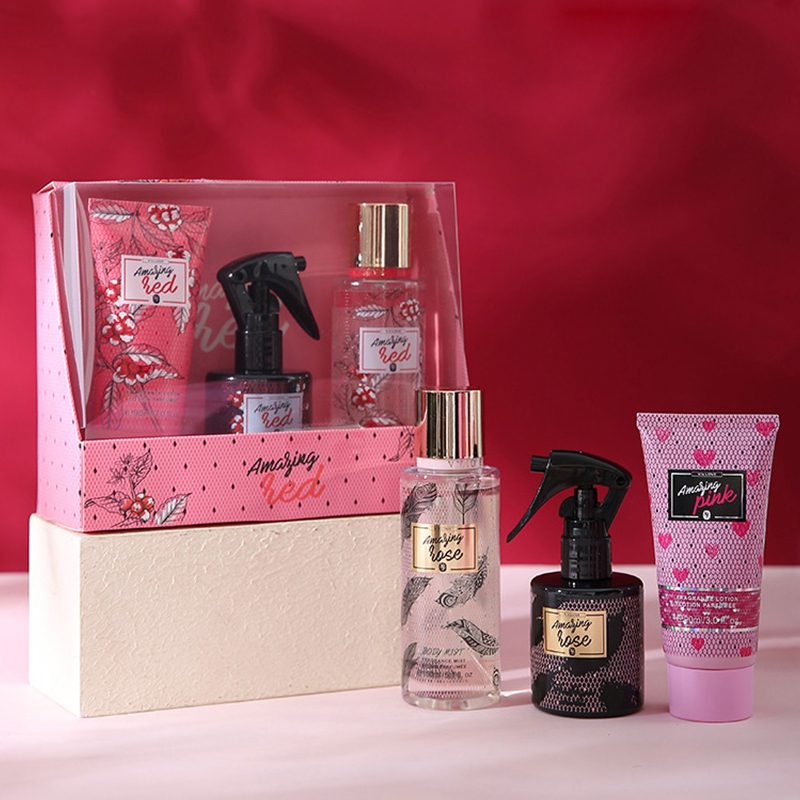 150ml Body Fragrance Mist Women's Perfume Set Fragrance Spray Long Lasting Perfume 100ml Hair Mist Set
-
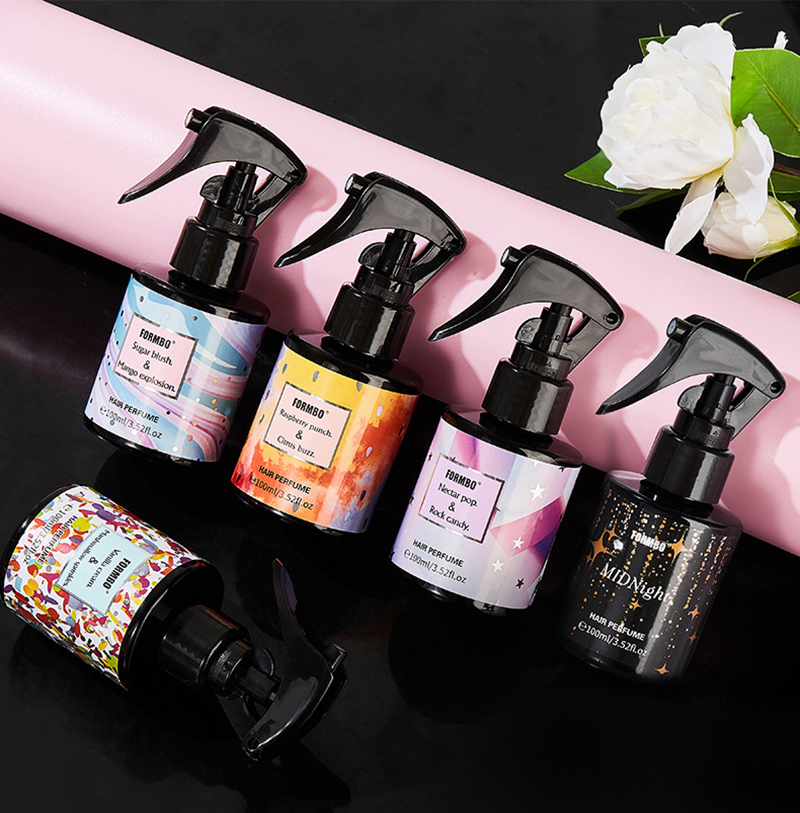 100ml Hair Mist and Women Silk Spray Gift Fragrance Hair Perfume & Body Mist Hair Spray
-
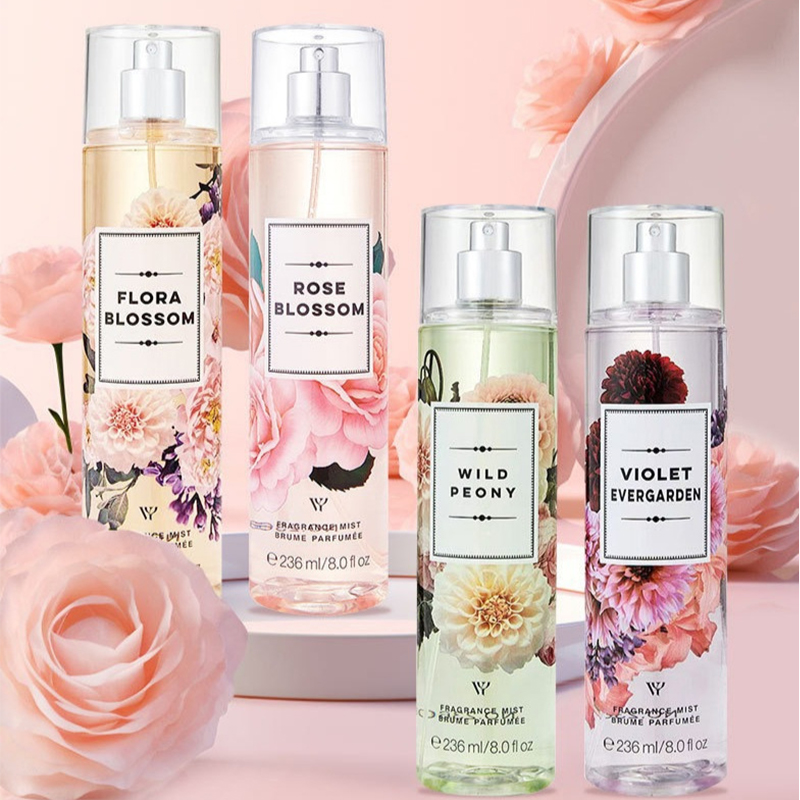 236ml Long Lasting Fragrance Perfume Spray Splash Body Mist for Ladies
-
 Long Lasting Perfumes 50ml New Design Spray Women's Body Mist Perfume Spray Fruity Floral Fragrance 50ml/100ml
-
 10ML/30ML Perfume Roll on Oil Sweet Peach Long-Lasting Fragrance Perfume Spray Scent Luxury Perfume Gift Body Mist

- E-mail: [email protected]
- TEL: +86-021-54730699
- Phone/Whatsapp: +86 136 8173 2008
- ADD: Room 612, Building A, No. 389, Lianming Road, Minhang District, Shanghai, China
To Browse
Mobile terminal
Copyright © Shanghai Hexuanshu Industrial Co., LTD
All Rights Reserved.
Wholesale Private Label Luxury Colour Cosmetic Products
