 Search
 EN
EN
 English
 Español
 عربى
عربى

Women Perfume Guide: How to Choose the Right Scent
Content
- 1 Fragrance Concentration: The Single Most Important Factor
- 2 The 6 Core Scent Families Every Woman Should Know
- 3 How Skin Chemistry Changes the Way Perfume Smells
- 4 Application Technique: Where and How to Spray
- 5 Matching Fragrance to Occasion and Season
- 6 Understanding the Three Notes: Top, Heart, and Base
- 7 Storage and Shelf Life
- 8 Building a Fragrance Wardrobe
The right women perfume is the one that matches your skin chemistry, lifestyle, and the impression you want to leave. Before exploring trends or bottle aesthetics, understanding fragrance concentration and scent families will immediately narrow your choices and save you from costly mistakes.
Fragrance Concentration: The Single Most Important Factor
Concentration determines how long a perfume lasts and how strongly it projects. Most shoppers overlook this and focus on the scent alone — only to find their fragrance fades within two hours.
| Type | Concentration | Longevity | Best For |
|---|---|---|---|
| Parfum (Extrait) | 20% – 40% | 8 – 12 hours | Evening, special occasions |
| Eau de Parfum (EDP) | 15% – 20% | 6 – 8 hours | All-day wear, office, dates |
| Eau de Toilette (EDT) | 5% – 15% | 3 – 5 hours | Casual, warm weather |
| Eau de Cologne (EDC) | 2% – 4% | 2 – 3 hours | Sport, summer, light refresh |
An Eau de Parfum is the most practical everyday choice for most women — strong enough to last a full workday, yet versatile enough for evening wear. If you want a single bottle that does it all, EDP is the benchmark.
The 6 Core Scent Families Every Woman Should Know
Perfumers organize fragrances into scent families that predict how a fragrance will smell on you before you even spray it. Knowing your preferred family cuts decision time dramatically.
Floral
The most popular category in women's perfumery. Dominated by rose, jasmine, peony, and lily of the valley. Over 30% of women's fragrance launches each year are floral. Chanel No. 5 — a floral aldehyde — has been the world's best-selling perfume since 1921, proving this family's enduring appeal.
Oriental / Amber
Built around warm resins, vanilla, musk, and spices. These fragrances feel rich and sensual, projecting strongly in cool weather. Ideal for fall and winter evenings. A hallmark example is Yves Saint Laurent's Opium — one of the most recognizable oriental women's fragrances ever created.
Fresh / Citrus
Light, clean, and energizing. Bergamot, lemon, grapefruit, and green tea dominate this family. Fresh fragrances typically fall in the EDT concentration range and work best in spring and summer. They suit active lifestyles and workplace environments where heavy projection is unwanted.
Woody
Sandalwood, cedarwood, vetiver, and patchouli form the backbone here. Woody scents on women read as confident and grounded. This family has seen a 22% increase in female consumers since 2018, driven by the growing popularity of gender-neutral and unisex fragrances.
Gourmand
Edible-inspired notes — caramel, chocolate, praline, and vanilla — define gourmand perfumes. Launched into mainstream popularity by Thierry Mugler's Angel in 1992, this category now commands a dedicated and loyal audience among younger wearers.
Chypre / Fougere
Sophisticated and complex, chypre fragrances combine oakmoss, labdanum, and bergamot for a classic elegance often associated with vintage glamour. Less common today due to IFRA regulations on oakmoss, making original chypres collector's items.
How Skin Chemistry Changes the Way Perfume Smells
The same bottle of women perfume can smell entirely different on two people. This is not marketing myth — it is chemistry. Your skin's pH level, moisture content, and natural oils all interact with fragrance molecules after application.
- Dry skin absorbs fragrance faster and holds it for shorter periods. Applying an unscented moisturizer before spraying significantly extends longevity on dry skin types.
- Oily skin naturally amplifies fragrance and extends wear time — people with oily skin often require fewer sprays to achieve the same projection.
- Diet and hormones influence skin chemistry. Spicy foods, caffeine, and hormonal shifts during menstruation or menopause can alter how a fragrance develops on your skin.
- Always test on skin, not paper. Fragrance strips reveal the top notes only. A proper skin test — worn for at least 30 minutes — reveals the full dry-down including the base notes that define a fragrance's lasting impression.
Application Technique: Where and How to Spray
Even the most expensive fragrance underperforms when applied incorrectly. The goal is to place the fragrance where body heat will naturally diffuse it throughout the day.
- Pulse points — wrists, neck, inner elbows, behind the knees — generate warmth that activates and projects fragrance continuously.
- Hair holds fragrance exceptionally well because it traps molecules. Spray into the air and walk through the mist, or apply a tiny amount to a brush and run it through your hair. Avoid spraying directly onto hair if the fragrance contains high alcohol content, as this can dry out strands over time.
- Do not rub your wrists together after applying. This crushes the top notes and causes the fragrance to develop unevenly — a common mistake that shortens the scent's lifespan.
- Clothing holds scent longer than skin. A light mist on the inner hem of a coat or scarf can keep a fragrance present for 24 hours or more.
Matching Fragrance to Occasion and Season
Wearing a heavy oriental fragrance in a humid summer office is the olfactory equivalent of overdressing. Fragrance etiquette is less about rules and more about environmental awareness.
| Occasion / Season | Recommended Family | Why It Works |
|---|---|---|
| Office / Daytime | Fresh, Light Floral | Low projection, non-intrusive in shared spaces |
| Evening / Date Night | Oriental, Woody, Heavy Floral | Warm projection fits intimate settings |
| Summer | Citrus, Aquatic, Green | Heat amplifies fragrance; light notes prevent overwhelming |
| Winter / Fall | Amber, Gourmand, Spicy | Warmth and richness complement cold, dry air |
| Active / Sport | Citrus, Fougere | Clean profiles hold up through perspiration |
Understanding the Three Notes: Top, Heart, and Base
Every fragrance unfolds in stages. Buying a perfume based on the first 60 seconds of wear is one of the most common and costly shopping mistakes.
- Top notes (0 – 15 minutes): The first impression. Typically light, volatile molecules like citrus or green notes that evaporate quickly. They attract you to the bottle but are not the full story.
- Heart notes (15 minutes – 3 hours): The character of the fragrance. Florals, spices, and woods dominate this stage. This is what most people are smelling when they compliment a perfume.
- Base notes (3+ hours): The lasting impression. Musks, ambers, resins, and woods form the foundation that lingers on skin and clothing. A fragrance you love 4 hours in is a fragrance worth buying.
The professional recommendation: spray the fragrance at a counter, go about your day for at least two hours, then evaluate. This discipline separates satisfying long-term purchases from impulse buys you stop reaching for within a month.
Storage and Shelf Life
Fragrance is a sensitive product. Improper storage degrades the aromatic molecules and alters the scent — sometimes irreversibly. A properly stored perfume can last 3 to 5 years unopened, and 1 to 3 years after opening.
- Keep away from light. UV exposure breaks down fragrance compounds. Store bottles in their original boxes or inside a drawer.
- Avoid the bathroom. Humidity and temperature fluctuations from showers accelerate deterioration. A bedroom dresser away from windows is the ideal location.
- Do not shake the bottle. Introducing oxygen into the bottle speeds oxidation, which yellows the fragrance and dulls the scent profile.
- Signs of degradation: noticeable darkening of the liquid, a sour or vinegar-like top note, or a flat, muted projection compared to when it was new.
Building a Fragrance Wardrobe
A single signature scent is a classic approach, but many women find that two to three perfumes — each serving a different purpose — provides the most flexibility. Think of it as a capsule wardrobe applied to fragrance.
A practical starting point: one light daytime scent (fresh or soft floral EDP), one evening or cold-weather scent (oriental or woody), and one wild card that reflects your personality. This structure covers the majority of occasions without fragrance fatigue — the phenomenon where wearing the same scent daily causes you to stop detecting it entirely.
Fragrance fatigue is real: olfactory receptors adapt to constant stimulation and begin filtering out familiar scents. Rotating between two to three fragrances keeps your senses engaged and allows each perfume to remain genuinely perceptible to you.
-
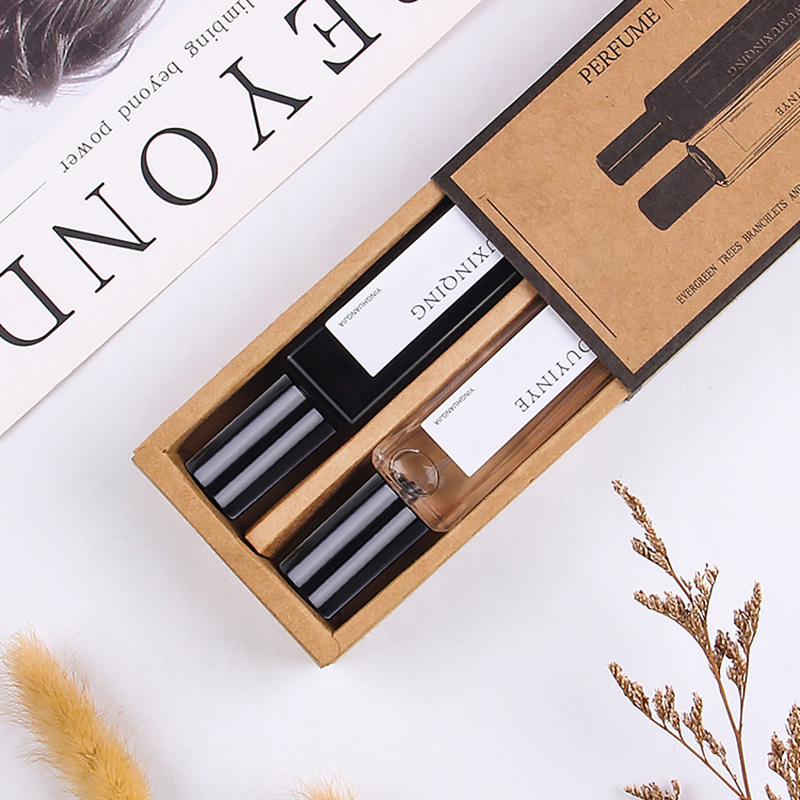 Perfume Women's Gift Box Set Lasting Light Fragrance Floral Scent 30ml*2
-
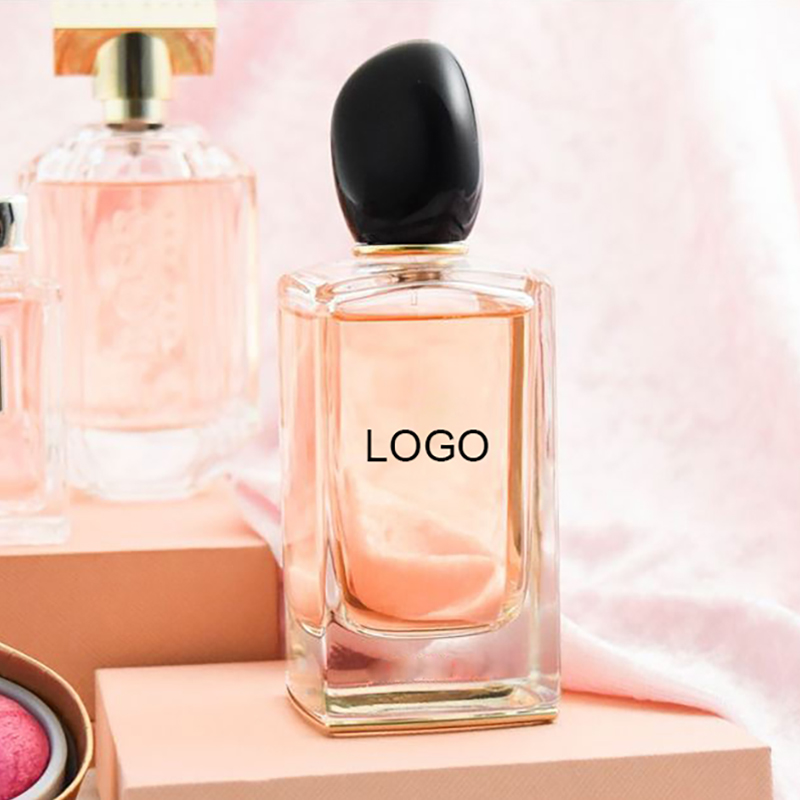 Fresh New Popular Flower Scent Girl Fragrance Designer Charming Perfume Women 30ML/50ML/100ML
-
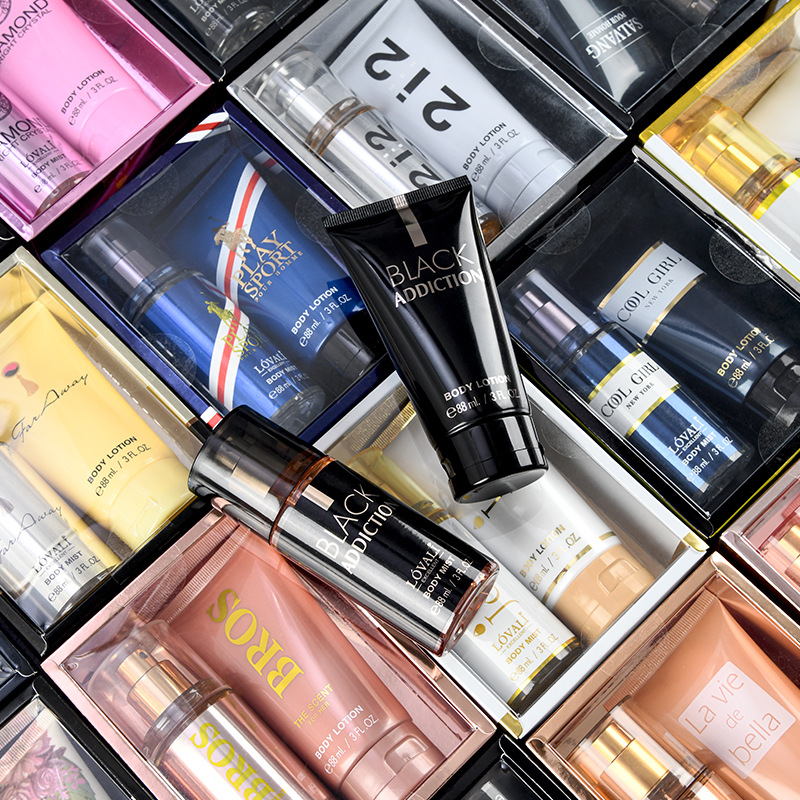 Perfume Gift Set 88ml Body Mist and 88ml Body Lotion Gift Sets for Women Men Body Spray
-
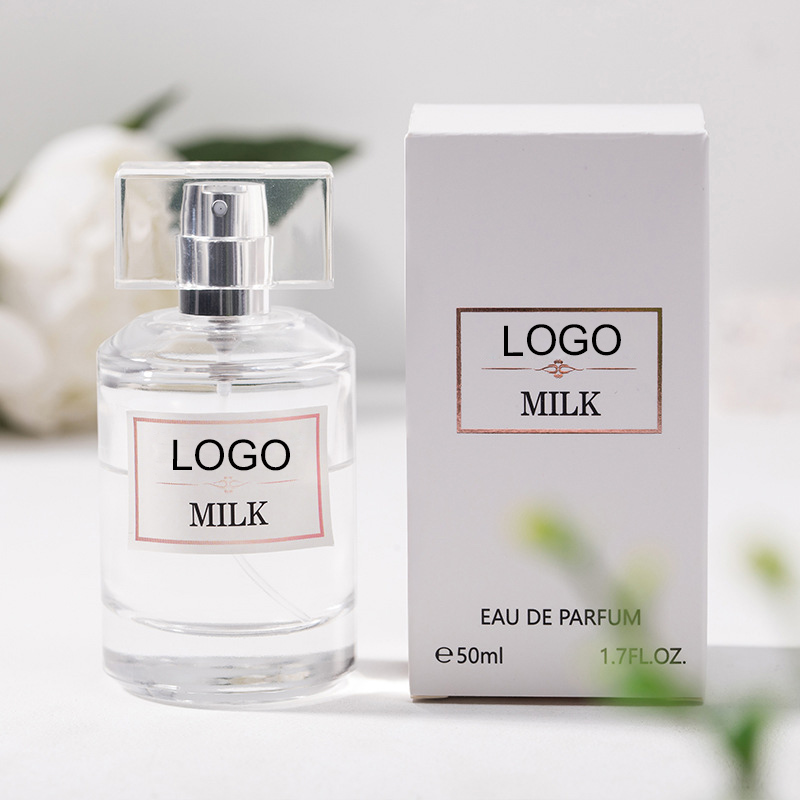 Perfume for Women 50/100ml EDP Long Lasting Fragrance Classic Lady Perfume
-
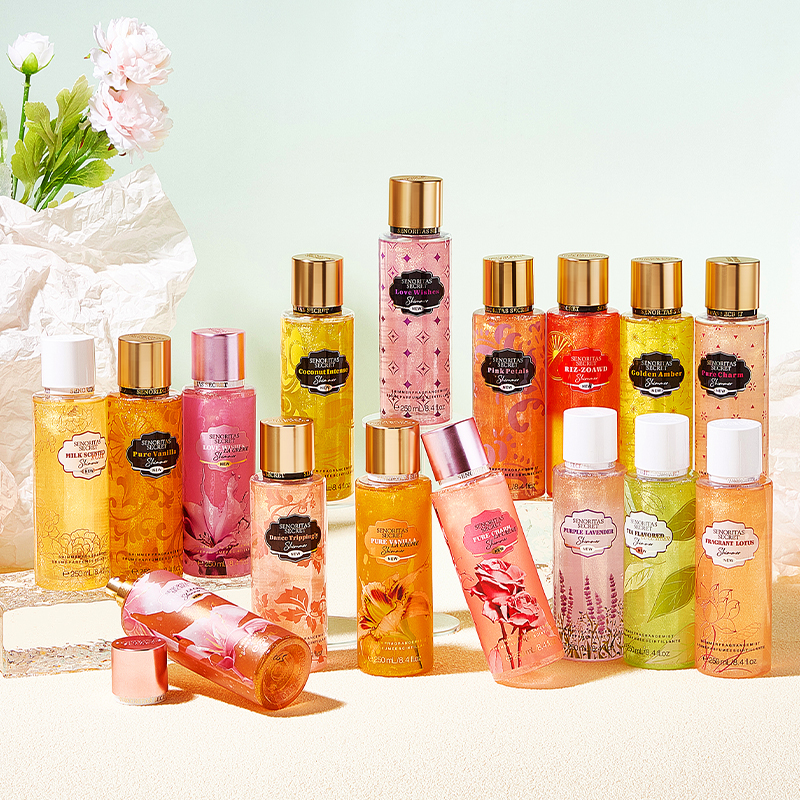 250ml Body Spray Perfumed Glitter Shimmer Spray Floral Scent Fine Mist Body Splash Mist for Women
-
 Body Mists Perfume Original Deodorant Fruit Smell Women Designer Perfume Oils 50ml/100ml

- E-mail: [email protected]
- TEL: +86-021-54730699
- Phone/Whatsapp: +86 136 8173 2008
- ADD: Room 612, Building A, No. 389, Lianming Road, Minhang District, Shanghai, China
To Browse
Mobile terminal
Copyright © Shanghai Hexuanshu Industrial Co., LTD
All Rights Reserved.
Wholesale Private Label Luxury Colour Cosmetic Products
