 Search
 EN
EN
 English
 Español
 عربى
عربى

Complete Guide: How to Choose the Right Cosmetics Wholesale Manufacturers
Content
- 1 Introduction: Why Choosing the Right Cosmetics Wholesale Manufacturers Is Important
- 2 What Are Cosmetics Wholesale Manufacturers
- 3 Key Factors in Choosing Cosmetics Wholesale Manufacturers
- 4 Types of Relevant Manufacturers
- 5 How to Evaluate the Reliability of Cosmetics Wholesale Manufacturers
- 6 Future Trends in Cosmetics Wholesale Manufacturing
- 7 Strategies for Choosing Cosmetics Wholesale Manufacturers
- 8 Practical Steps to Choose the Right Manufacturer
- 9 Virtual Case Studies
- 10 Conclusion and Actionable Recommendations
Introduction: Why Choosing the Right Cosmetics Wholesale Manufacturers Is Important
In the modern cosmetics industry, the market continues to expand, and consumers increasingly demand quality, innovation, and safety in products. For both emerging beauty brands and long-established cosmetics companies, choosing the right Cosmetics Wholesale Manufacturers is one of the key factors for success.
Cosmetics Wholesale Manufacturers not only provide large-scale production capabilities but can also help businesses achieve product customization and differentiation, giving them a competitive advantage in a fierce market. Choosing the right manufacturer can reduce procurement costs, improve production efficiency, and ensure product quality to meet market demands. This decision has a profound impact on brand reputation and long-term development.
Many startups often overlook the importance of manufacturer selection, making decisions solely based on price or production speed. This can result in inconsistent product quality, production delays, or failure to meet safety standards, which ultimately affects brand reputation. Therefore, understanding the characteristics, types, and selection strategies of Cosmetics Wholesale Manufacturers is crucial for long-term business success.
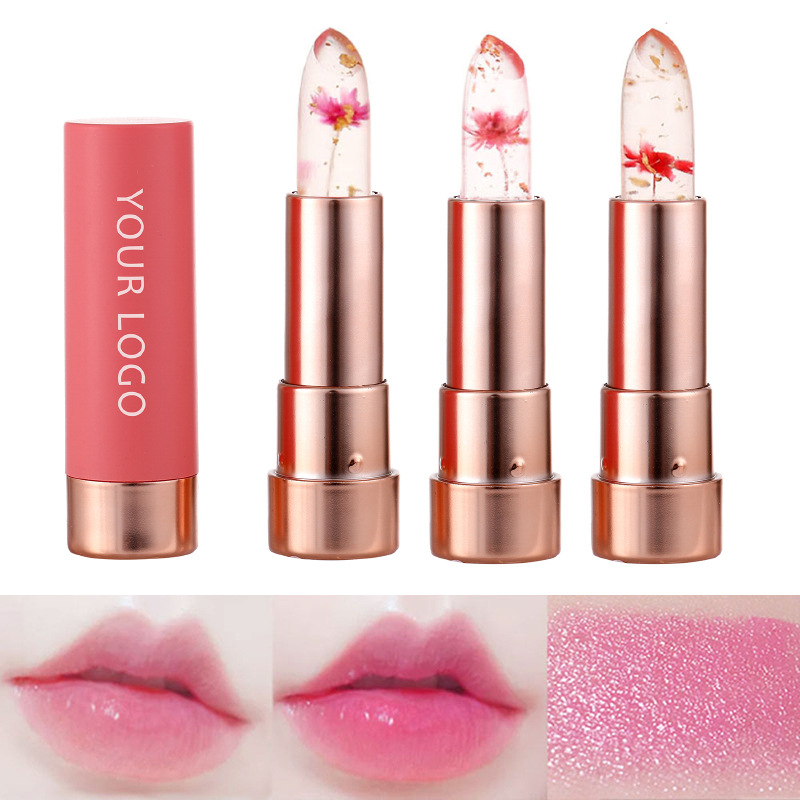
What Are Cosmetics Wholesale Manufacturers
Definition and Functions
Cosmetics Wholesale Manufacturers refer to companies or factories specializing in large-scale production and wholesale of cosmetics. They usually have complete production equipment, research and development teams, and supply chain management systems capable of providing full services from raw material procurement, formula design, production, to packaging.
Unlike retailers, wholesale manufacturers primarily serve other businesses (B2B) rather than end consumers. This means they need to handle large-volume orders, customized production, and strict quality control standards. By collaborating with Cosmetics Wholesale Manufacturers, brands can focus on marketing and distribution without managing complex production processes.
Difference Between Wholesale and Retail
- Order Volume: Wholesale usually involves thousands to tens of thousands of products, while retail focuses on individual sales.
- Customization: Wholesale manufacturers offer formula and packaging customization, while retailers mostly purchase ready-made products.
- Pricing: Wholesale prices are lower than retail due to bulk production.
- Compliance: Wholesale manufacturers must strictly follow safety standards and regulations.
Understanding these differences helps businesses choose the right Cosmetics Wholesale Manufacturers to align production with market demand.
Key Factors in Choosing Cosmetics Wholesale Manufacturers
Product Quality and Raw Material Source
Product quality is the core competitiveness of a cosmetics brand. The raw material sourcing, formula development, and production process of Cosmetics Wholesale Manufacturers determine the safety and effectiveness of the final product.
- Raw Material Suppliers: Ensure reliable sourcing that meets international standards.
- Formula Stability: High-quality manufacturers conduct multiple tests to maintain consistency across batches.
- Safety Testing: Includes microbial tests, allergy tests, and efficacy evaluations to ensure consumer safety.
Production Capacity and Delivery Speed
Large-scale production requires advanced equipment, technology, and management. When selecting Cosmetics Wholesale Manufacturers, consider:
- Production Scale: Can the factory meet your order volume and deadlines?
- Efficiency: Are production processes optimized for timely delivery?
- Flexible Manufacturing: Does the manufacturer support small trial orders and large-scale expansion?
Compliance and Certifications
Reputable Cosmetics Wholesale Manufacturers often hold certifications such as ISO and GMP (Good Manufacturing Practice). These certifications ensure production processes meet standards and enhance brand credibility.
Customer Service and Customization Ability
High-quality manufacturers provide professional services, including:
- Product formula adjustments and innovation
- Packaging design and labeling guidance
- Logistics and after-sales support
Manufacturers with strong customization capabilities help brands differentiate themselves in a competitive market.
Types of Relevant Manufacturers
Private Label Cosmetics
Private Label Cosmetics refers to manufacturers providing ready-made or customized products for a brand, labeled under the brand's name. Advantages include:
- Quick Market Launch: No need for development from scratch, reducing R&D time.
- Brand Control: Companies can design packaging and brand identity independently.
- Cost Savings: Manufacturing and R&D are handled by the manufacturer, saving investment.
This model is especially suitable for startups or companies looking to expand product lines quickly.
Bulk Makeup Suppliers
Bulk Makeup Suppliers focus on high-volume production and supply of cosmetics, with features such as:
- Stable Capacity: Capable of meeting large order demands.
- Cost Advantage: Bulk procurement reduces unit cost.
- Logistics Management: Supports regional or global distribution.
Working with bulk suppliers helps businesses reduce procurement costs and maintain a stable supply chain.
Organic Cosmetic Manufacturers
With growing consumer demand for natural products, Organic Cosmetic Manufacturers have become a market hotspot. Their characteristics include:
- Natural Ingredients: Using plant extracts and non-toxic chemical ingredients.
- Health and Safety: Reducing allergy and skin irritation risks.
- Environmental Awareness: Emphasizing sustainable and eco-friendly production.
Partnering with organic manufacturers enhances brand image and meets consumer demands for health and sustainability.
Cosmetic Formulation Services
Some Cosmetics Wholesale Manufacturers provide professional formulation development, offering tailored products for businesses. Advantages include:
- Innovation: R&D teams can create unique formulas to meet new market needs.
- Proprietary Formulas: Some formulas can be patented for competitive advantage.
- Effectiveness Testing: Ensures product efficacy and stability.
This service is suitable for companies looking to create unique products or optimize existing ones.
Skincare Product Manufacturers
Skincare manufacturers focus on lotions, serums, masks, and other skin products. Features include:
- Professional R&D: Based on dermatology, ensuring safety and effectiveness.
- Diverse Product Lines: From basic moisturizers to high-end anti-aging products.
- Regulatory Compliance: Meets cosmetic safety standards.
They often collaborate with dermatologists or lab experts to support brands professionally.
How to Evaluate the Reliability of Cosmetics Wholesale Manufacturers
Customer Cases and Reviews
Check customer cases and reviews to understand production capability, service quality, and product consistency. Reliable manufacturers usually have long-term clients and can provide references.
Factory Visits or Third-Party Audits
- On-site Visits: Inspect production environment, equipment, and management quality.
- Third-party Audits: Independent evaluation of compliance and production capabilities.
Small Trial Orders vs Large-Scale Cooperation
Initial cooperation can start with small trial orders to test product quality, delivery capacity, and manufacturer responsiveness before moving to large-scale collaboration.
Future Trends in Cosmetics Wholesale Manufacturing
Personalization and Customization Growth
Consumers increasingly seek personalized cosmetics, from skincare formulas to makeup colors. Cosmetics Wholesale Manufacturers respond by:
- Small-batch customization for market testing
- Custom formula development
- Packaging and design innovation for enhanced user experience
Natural and Organic Cosmetics Popularity
Health-conscious consumers are driving demand for natural and organic products. Trends include:
- Using plant extracts to replace chemical ingredients
- Developing low-allergen and preservative-free products
- Eco-friendly packaging such as biodegradable bottles or boxes
Technology-Driven Innovation
Modern cosmetics rely on biotech, dermatology research, and data analysis. Cosmetic Formulation Services emphasize:
- Skin simulation experiments to optimize formulas
- Data analysis to predict market trends
- Functional products like anti-aging, oil control, or whitening innovations
Cross-Border B2B Opportunities
Globalization allows businesses to access cost advantages and new markets. Manufacturers are expanding cross-border capabilities by:
- Providing export compliance and international logistics
- Supporting multi-language labeling and packaging
- Optimizing production plans for regulatory compliance in different countries
Strategies for Choosing Cosmetics Wholesale Manufacturers
Clarify Business Needs
- Product type (skincare, makeup, haircare)
- Target market (domestic, international, specific demographics)
- Brand concept (organic, technological, functional)
Comprehensively Evaluate Manufacturer Capabilities
- Production capacity, delivery speed, flexibility
- Quality control: raw material, formula stability, safety testing
- R&D capability: custom formulas and innovation
- Service level: consultation, order management, logistics support
Establish Small Trial Orders
Verify quality, delivery, and service before committing to large-scale orders, minimizing risk.
Focus on Long-Term Strategic Cooperation
Long-term partnerships bring:
- Stable supply chain
- Formula upgrades and innovation
- Cost optimization
Continuous Monitoring and Optimization
- Check production and delivery records
- Collect customer feedback for formula and packaging improvement
- Track industry trends and adjust strategies
Practical Steps to Choose the Right Manufacturer
- Market research: understand types, scale, and reputation of manufacturers
- Filter potential partners: based on product needs, capacity, and certifications
- Communication and quotation: discuss price, formula ability, and services
- Factory visit or third-party audit: ensure quality and compliance
- Trial production: small-batch validation
- Sign long-term agreement: clarify price, delivery, quality, and after-sales
- Continuous evaluation and improvement: optimize cooperation based on market feedback
Virtual Case Studies
Case 1: Startup Brand Using Private Label Cosmetics for Rapid Launch
- Brand need: Launch basic skincare set
- Manufacturer type: Private Label Cosmetics
- Strategy: Small trial → product adjustment → bulk production
- Result: Brand launched in three months, quickly received market feedback, and expanded orders
Case 2: Skincare Brand Partnering with Organic Cosmetic Manufacturers to Enhance Image
- Brand need: Launch organic serum
- Manufacturer type: Organic Cosmetic Manufacturers
- Strategy: Custom formula → eco-friendly packaging → organic certification
- Result: High consumer recognition and improved brand image with sustainable development
Conclusion and Actionable Recommendations
Key takeaways:
- Cosmetics Wholesale Manufacturers are essential for brand success, providing production, quality assurance, and customization support.
- Choosing manufacturers requires evaluating product quality, production capacity, certifications, R&D capability, and service level.
- Five types of relevant manufacturers offer distinct value: Private Label Cosmetics, Bulk Makeup Suppliers, Organic Cosmetic Manufacturers, Cosmetic Formulation Services, and Skincare Product Manufacturers.
- Long-term strategic cooperation is crucial for stable supply, formula innovation, and cost efficiency.
- Future trends—personalization, natural/organic products, technology-driven innovation, and cross-border opportunities—guide selection strategies.
Action Recommendations:
- Clearly define business needs and market positioning
- Use trial orders and evaluation mechanisms to minimize risk
- Build long-term partnerships for sustained innovation and reliable supply
By strategically selecting and cooperating with the right Cosmetics Wholesale Manufacturers, companies can maintain a competitive edge in the cosmetics market and achieve sustainable growth.
-
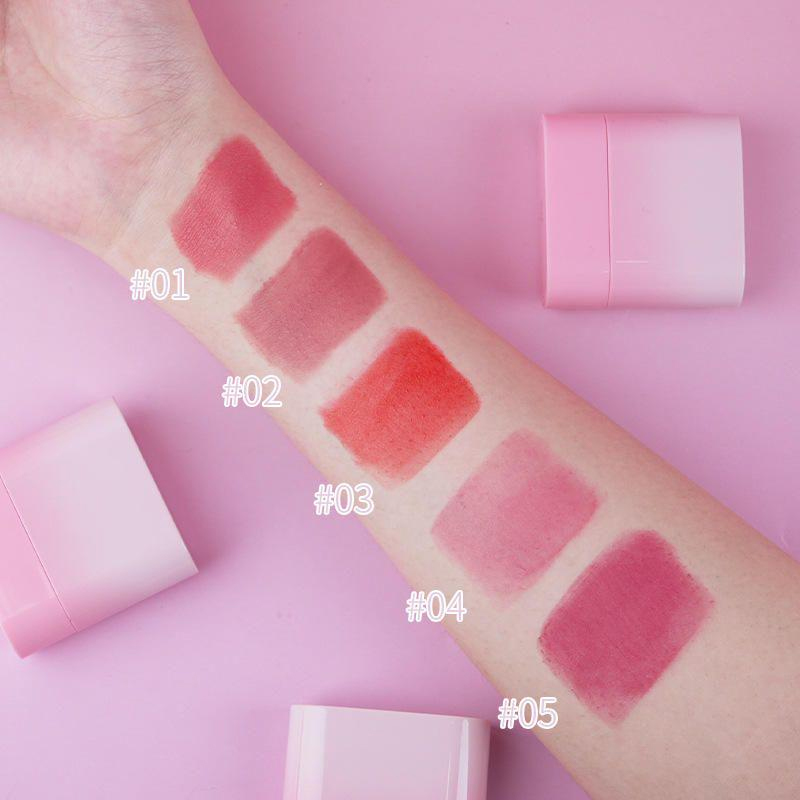 Factory Wholesales logo Blusher Long Lasting Waterproof Vegan Face Cream Blush Stick
-
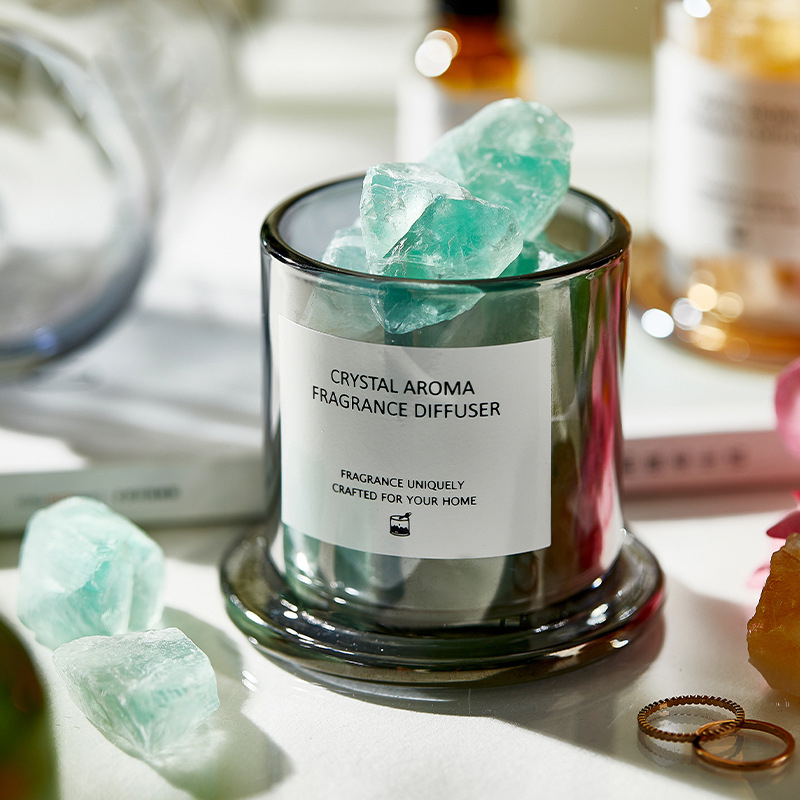 Diffuse Stone Crystal Stone No Fire Aroma Stone Indoor Fragrance Creative Gift Essential Oil Ornaments Aromatherapy
-
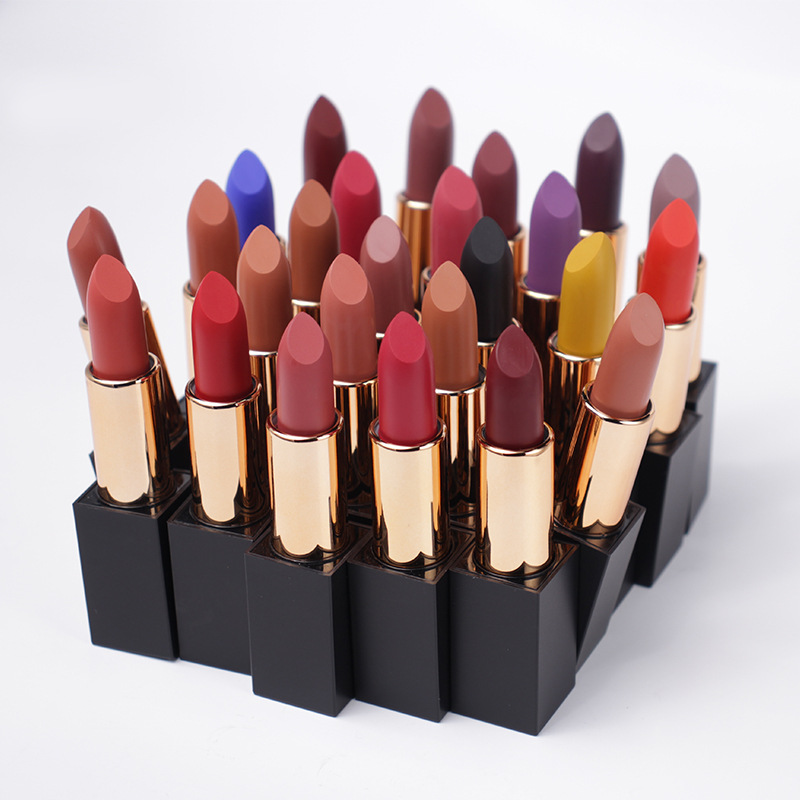 Cosmetics Makeup Make Your Own Brand Lipstick Matte Lipstick
-
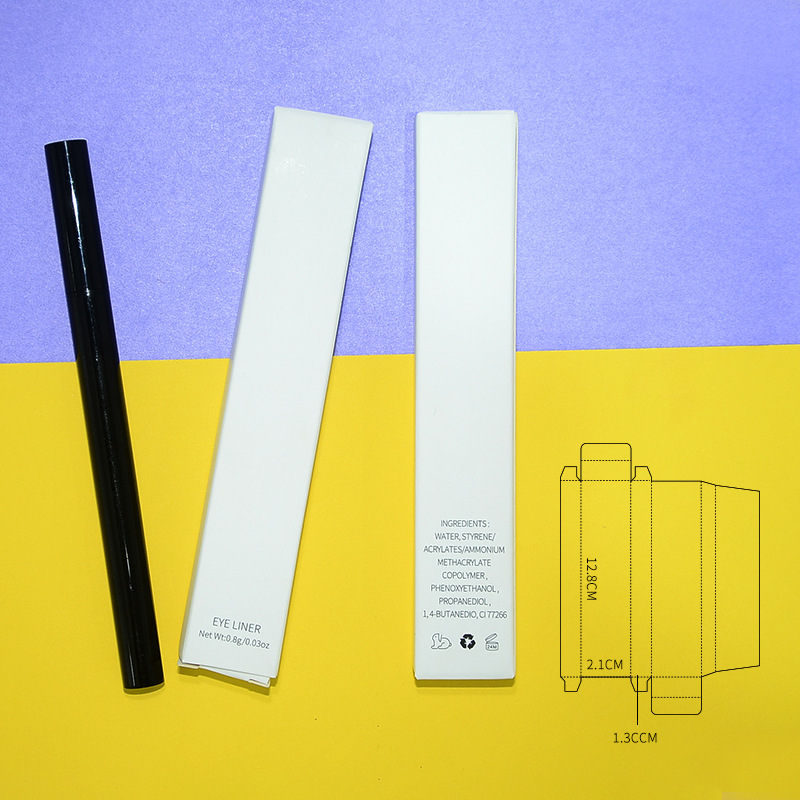 Cosmetics Eye Use Best Long Lasting Liquid Eyeliner Waterproof Eyeliner Makeup Best Eyeliner
-
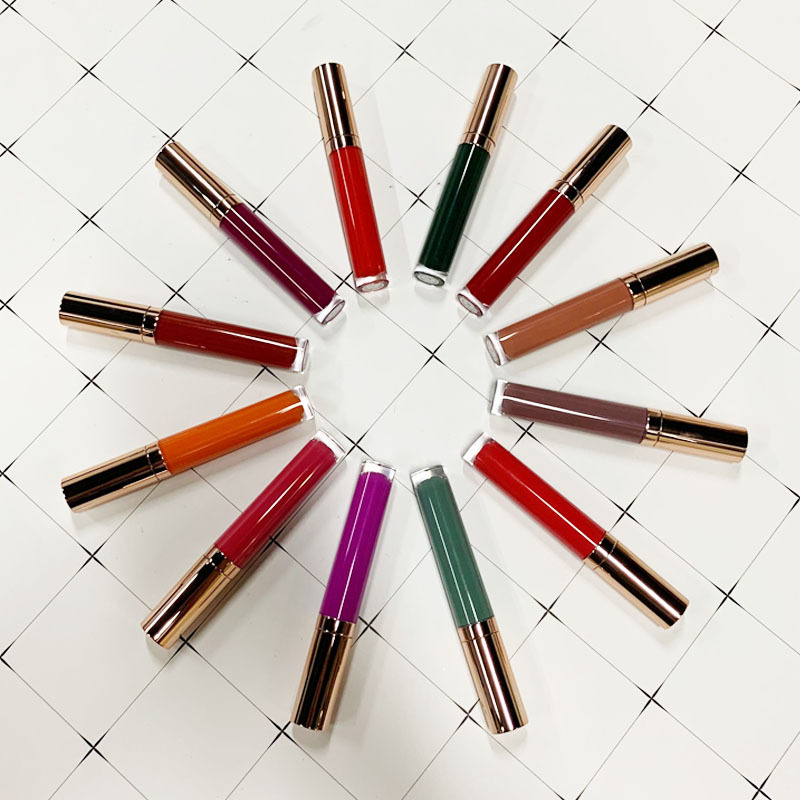 Cosmetics Make Lip Gloss No Label Liquid Matte Lipstick Lip Gloss 30 colors
-
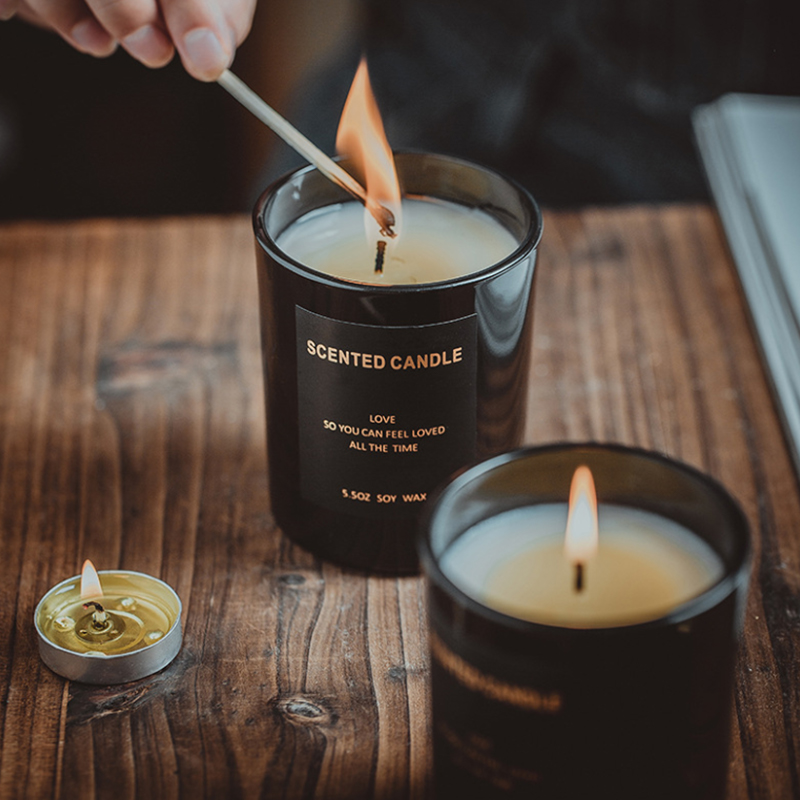 160g Natural Soy Wax Factory Aromatherapy Scented Candles

- E-mail: [email protected]
- TEL: +86-021-54730699
- Phone/Whatsapp: +86 136 8173 2008
- ADD: Room 612, Building A, No. 389, Lianming Road, Minhang District, Shanghai, China
To Browse
Mobile terminal
Copyright © Shanghai Hexuanshu Industrial Co., LTD
All Rights Reserved.
Wholesale Private Label Luxury Colour Cosmetic Products
