 Search
 EN
EN
 English
 Español
 عربى
عربى

How Can You Make Your Blush Last All Day Without Touch-ups?
Content
Introduction
Blush, a key product in makeup, is essential for many people's daily beauty routine. It adds a touch of color to the cheeks, giving the face a healthy and radiant look. Blush is versatile, available in a wide range of formulas and shades to suit different skin tones and preferences. Whether you prefer a natural flush or a more dramatic pop of color, blush can enhance the overall appearance of your makeup.
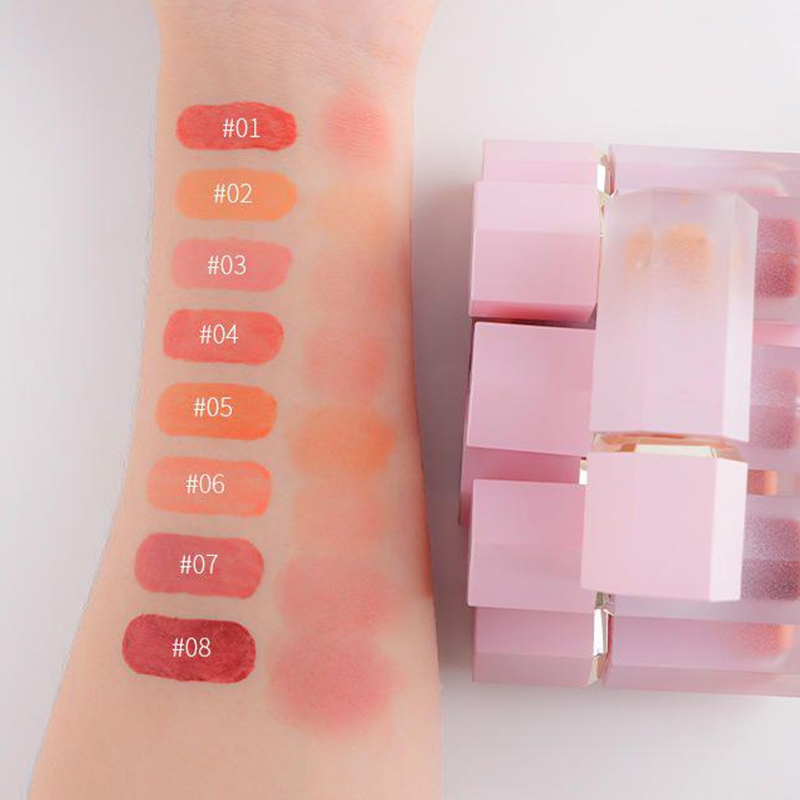
Types of Blush and Their Characteristics
- Powder Blush
Powder blush is one of the most popular types of blush due to its versatility and ease of application. It comes in a variety of shades, from soft pinks to deeper tones, making it suitable for almost any skin tone. The texture is light and airy, which allows for buildable coverage, meaning you can adjust the intensity of the color depending on your desired look.
Powder blush works well for oily or combination skin types, as it provides a matte finish and helps absorb excess oil. It is especially beneficial for those who need to set their foundation in place, as powder blush can contribute to a long-lasting finish. However, it can sometimes appear cakey if applied too heavily, so it's important to use the right tools, such as a soft blush brush, and apply the product in light layers.
Application Tip: When applying powder blush, it's essential to use a fluffy brush that allows you to blend the product evenly across the apples of your cheeks. Start with a small amount of product, and gradually build up to your desired intensity.
- Cream Blush
Cream blush is known for its dewy and radiant finish, which makes it a favorite for those with dry skin or who prefer a more natural, fresh glow. It is typically available in a stick, pot, or tube form and blends easily into the skin. Cream blushes are especially useful for those seeking a more youthful, glowing appearance because they provide a soft, smooth finish.
Cream blush is ideal for dry skin as it adds moisture and hydration. It can also be used on top of foundation or even mixed into your foundation for a more seamless look. For oily or combination skin types, it's important to set the cream blush with a light dusting of translucent powder to prevent it from moving or slipping throughout the day.
Application Tip: Cream blush is best applied with fingers or a makeup sponge. Warm up the product by gently tapping it onto the back of your hand before applying it to your cheeks to avoid streaks. For a more natural finish, blend it well into your skin with upward motions.
- Matte Blush
Matte blushes are perfect for those who prefer a more subtle, natural look without any shine. The absence of shimmer makes matte blushes suitable for oily skin, as they don't add extra shine to the face. Matte blushes provide a smooth finish and tend to last longer than their shimmer counterparts, making them an excellent choice for all-day wear.
Matte blush is versatile and can be used for a variety of makeup looks, from a soft everyday appearance to a more sculpted, contoured finish. It also works well for layering, which allows you to control the intensity of the color. Those with oily skin types can benefit from the non-reflective quality of matte blush, as it helps maintain a fresh, oil-free look.
Application Tip: Use a dense blush brush to pick up the matte blush and apply it in a circular motion. This technique helps to blend the product into the skin while ensuring an even distribution of color.
Comparison of Blush Types
| Blush Type | Characteristics | Best Suited For | Application Tips |
|---|---|---|---|
| Powder Blush | Lightweight, buildable coverage | Oily, combination skin | Use a fluffy brush and build up gradually |
| Cream Blush | Dewy, smooth finish, hydrating | Dry, mature skin | Apply with fingers or sponge for a seamless look |
| Matte Blush | No shimmer, subtle finish, long-lasting | Oily skin | Use a dense brush and apply in circular motions |
How to Choose the Right Blush for Your Skin Tone
Choosing the right blush for your skin tone is crucial for achieving a natural, radiant look. The wrong shade of blush can make your skin appear too flushed or too muted, and it may even clash with your overall makeup.
Fair Skin Tone
If you have fair skin, choosing a blush shade that is too dark can overpower your complexion. Lighter shades of pink, peach, or soft coral are ideal for fair skin tones. These colors add a subtle flush without overwhelming the skin. Avoid dark or deep shades, as they can make your skin look red or harsh.
- Recommended Shades: Soft pink, light peach, cool-toned pink, coral.
- How to Apply: For a natural flush, apply the blush lightly to the apples of your cheeks, blending it upward toward your temples. This will lift your face and create a fresh, youthful look.
Medium Skin Tone
Medium skin tones can pull off a wider variety of blush shades, from soft pinks to deeper coral and rose hues. Peach and rose shades are particularly flattering on medium skin, as they create a warm, healthy glow. For a bolder look, you can also try deeper shades like berry or plum.
- Recommended Shades: Rose, peach, coral, berry, plum.
- How to Apply: Apply the blush to the apples of your cheeks and blend it slightly diagonally toward your temples. This will create a sculpted look and highlight your cheekbones.
Olive Skin Tone
Olive skin tones typically have warm undertones, which means blush shades with warm undertones will complement the skin best. Warm peach, apricot, and bronze tones are great choices, as they add warmth and dimension to the face. Avoid blushes with too much pink, as they can clash with the natural warmth of your skin.
- Recommended Shades: Warm peach, apricot, coral, bronze, terracotta.
- How to Apply: Focus on blending the blush along the apples of your cheeks and blending it slightly toward the temples. This technique will add a healthy warmth to your complexion and complement the golden undertones of your skin.
Dark Skin Tone
For darker skin tones, deep shades of red, berry, plum, and brick can create a striking, radiant look. These shades stand out beautifully against dark skin and bring out the natural depth and richness of your complexion. While bright pinks and peaches can work for darker skin, the key is to choose vibrant colors that will not fade into the skin.
- Recommended Shades: Deep plum, berry, brick, red, wine, fuchsia.
- How to Apply: Apply blush to the apples of your cheeks and blend it upward to the temples to create a lifted, sculpted effect. For a dramatic look, you can layer the blush for more intensity.
Blush Shades for Different Skin Tones
| Skin Tone | Recommended Shades | Application Tips |
|---|---|---|
| Fair Skin | Soft pink, peach, coral | Lightly apply and blend upward to avoid overpowering |
| Medium Skin | Rose, peach, coral, berry, plum | Apply diagonally to the temples for a sculpted look |
| Olive Skin | Warm peach, apricot, bronze, terracotta | Blend toward the temples for warmth and dimension |
| Dark Skin | Deep plum, berry, brick, red, wine, fuchsia | Layer for intensity and apply upward for lift |
Blush Application Techniques
Blush can be tricky to apply if you're unsure of the right techniques, but with a little practice, you'll be able to achieve a flawless finish every time.
Using the Right Tools
The type of tool you use to apply blush can make a significant difference in the final result. The most common tools for blush application are blush brushes, makeup sponges, and fingers. Each tool offers a different finish and application technique.
-
Blush Brush: A blush brush is ideal for powder blushes and can provide an even, soft application. A fluffy brush is best for building up color gradually, while a denser brush can create more intense color. The key is to use a light hand and blend the blush into your skin.
-
Makeup Sponge: Makeup sponges are perfect for applying cream blush, as they help blend the product into the skin seamlessly. A sponge can also give a natural, dewy finish, making it an excellent choice for those with dry skin.
-
Fingers: Using your fingers to apply blush gives you more control over the product, especially when working with cream blush. Warm the product on your fingers before applying to achieve a smooth and even finish.
How to Apply Powder Blush
Applying powder blush involves using a fluffy brush to sweep the product onto the cheeks. Here's a step-by-step guide for the perfect powder blush application:
- Choose the right brush – use a soft, fluffy brush with a rounded shape.
- Tap off any excess product from the brush to avoid applying too much blush.
- Smile and apply the blush to the apples of your cheeks, blending it in a circular motion. For a lifted effect, blend the blush upward toward the temples.
- Build up the color gradually. If you want more intensity, add another layer of blush, but always blend well to avoid harsh lines.
How to Apply Cream Blush
Cream blush gives a natural, dewy finish and is perfect for those with dry or mature skin. To apply cream blush, follow these steps:
- Warm the product on the back of your hand or directly on your fingers to make it easier to blend.
- Using your fingers or a sponge, apply the blush to the apples of your cheeks. Blend the product in a gentle, upward motion for a lifted look.
- Set the cream blush with a light dusting of powder to ensure it stays in place throughout the day.
Blush Placement for Different Face Shapes
Your face shape can influence where you should place your blush for the most flattering effect. Here are a few tips:
- Round Face: Apply blush slightly above the apples of your cheeks and blend it diagonally toward the temples to create a more elongated look.
- Oval Face: Apply blush on the apples of the cheeks and blend upward for a soft, natural flush.
- Square Face: Focus on applying blush just below the cheekbones and blend it toward the temples for a sculpted effect.
Blush Placement for Different Face Shapes
| Face Shape | Blush Placement | Application Tips |
|---|---|---|
| Round Face | Above the apples, blending toward the temples | Use diagonal strokes for elongation |
| Oval Face | On the apples of the cheeks, blended upward | Keep the blush natural and soft |
| Square Face | Below the cheekbones, blended toward the temples | Apply with an angled brush for a sculpted effect |
How to Choose Long-lasting Blush
When you need blush that lasts all day, consider these key factors to ensure durability, especially for work, events, or a busy day out.
Key Features of Long-lasting Blush
-
Waterproof and Sweat-resistant
These formulas resist moisture and oil, making them ideal for humid weather, physical activity, or oily skin. Look for “waterproof” or “sweat-proof” labels for a long-lasting, smudge-free look. -
Oil-absorbing Ingredients
Blushes with ingredients like kaolin clay or silica absorb excess oil, preventing fading or sliding, particularly for oily or combination skin. They offer a matte finish for longer wear. -
Buildable and Layerable Coverage
Start with a light application and build the color. Layerable blushes last longer by creating a more durable base, keeping the color intact without fading. -
Matte vs. Dewy Finish
Matte blushes, especially for oily skin, tend to last longer as they absorb excess oil. Dewy blushes give a luminous finish but may need a setting powder or spray for longer wear.
Common Mistakes When Using Blush and How to Avoid Them
While applying blush may seem straightforward, there are several common mistakes that people make that can affect the overall look. These mistakes can make the blush appear unnatural, uneven, or too harsh.
Applying Too Much Blush
One of the most common mistakes is over-applying blush. While a pop of color is desirable, too much blush can make your cheeks appear unnaturally flushed and can make the rest of your makeup look heavy. It's important to build up the color gradually to avoid a “clownish” effect.
How to Avoid It:
- Start with a small amount of blush and gradually build up the intensity.
- Always tap off the excess product from your brush before applying it to your face.
- Use a light hand when applying blush, especially for powder blushes, as they tend to be more pigmented.
Choosing the Wrong Shade for Your Skin Tone
Another common mistake is choosing a blush shade that doesn't complement your skin tone. For example, using a bright pink blush on very warm-toned skin can look unnatural, while using a deep berry blush on fair skin may appear too harsh. It's essential to select a blush shade that matches your natural undertones to create a harmonious look.
How to Avoid It:
- Identify your skin's undertone (cool, warm, or neutral) and choose a blush shade that complements it. Cool undertones should opt for pink and berry shades, while warm undertones look great with peach and coral tones.
- Test the blush on your wrist or the back of your hand before applying it to your face to ensure the shade looks good with your skin.
Not Blending Enough
If the blush is not blended properly, it will leave noticeable streaks or harsh lines on the face. It's important to blend the blush into the skin so that it looks seamless and natural. Blending helps soften the color and ensures that the blush melds with the rest of your makeup.
How to Avoid It:
- Use a makeup sponge or brush to blend the blush in circular motions, gradually diffusing the color along the cheeks.
- Make sure to blend the edges into the foundation, ensuring a smooth transition between the blush and the rest of the face.
Ignoring the Rest of the Face
Blush can sometimes appear disconnected from the rest of the makeup if not applied thoughtfully. For example, applying blush only to the apples of the cheeks and not blending it into the temples can create a flat, isolated look. It's important to integrate blush with other makeup elements, such as bronzer and highlighter, to create a balanced face.
How to Avoid It:
- Apply blush in a way that enhances your overall face shape. For a lifted look, apply blush diagonally from the apples of the cheeks to the temples.
- Use bronzer to warm up the sides of your face and highlighter on the high points to complement the blush and create a well-rounded makeup look.
Not Setting the Blush Properly
While cream and liquid blushes are beautiful and dewy, they tend to fade more quickly than powder blushes, especially on oily skin. If you don't set your blush with a translucent powder or setting spray, it may slide off your face throughout the day.
How to Avoid It:
- After applying cream blush, set it with a light dusting of translucent setting powder to help lock it in place.
- Use a setting spray to ensure that your blush and the rest of your makeup stay intact all day long.
Seasonal Blush Trends and How to Adapt Your Look
Blush trends can change with the seasons, as different times of the year bring about new makeup trends and preferences.
Spring: Fresh and Flushed
In the spring, the focus is on fresh, natural makeup that enhances the skin's natural radiance. Light and airy blushes in shades of peach, soft pink, and coral are perfect for this time of year. The goal is to achieve a healthy, just-got-back-from-a-walk-in-the-park glow.
- Recommended Shades: Soft peach, pastel pink, coral.
- Application Tip: Use a light hand and apply blush on the apples of the cheeks. Blend it slightly upward to create a youthful, flushed look that complements the dewy skin often associated with spring makeup.
Summer: Vibrant and Bold
Summer is the perfect time to experiment with bolder blush shades. With the warmth of the season, you can opt for brighter shades like fuchsia, tangerine, or bold coral. These shades work well with a sun-kissed complexion and help to bring out a fun, vibrant look.
- Recommended Shades: Bright coral, tangerine, deep peach, fuchsia.
- Application Tip: For a sun-kissed effect, apply blush slightly below the apples of the cheeks and blend it diagonally toward the temples, creating a natural, bronzed look.
Autumn: Rich and Warm
As the weather cools and the leaves change colors, your blush shades can mirror the warm tones of autumn. Rich shades like deep rose, brick red, and terracotta are perfect for creating a cozy, fall-inspired look. These colors add depth to the face and pair beautifully with warm-toned eyeshadows and lipsticks.
- Recommended Shades: Deep rose, brick red, terracotta, copper.
- Application Tip: Apply blush to the apples of your cheeks and blend it softly toward your temples. To enhance the autumn look, consider pairing your blush with a warm-toned bronzer for added warmth.
Winter: Cool and Subtle
In the winter months, the focus is on cooler blush tones that complement the more muted winter light. Soft pinks, lavender, and berry tones are ideal for this time of year. These shades add a subtle flush of color to the face, creating a sophisticated and wintery vibe.
- Recommended Shades: Soft pink, lavender, berry, mauve.
- Application Tip: Apply blush to the apples of the cheeks and blend it slightly upward to add dimension to the face. Pair with a matte foundation for a more refined, winter-ready look.
Conclusion
Blush is a powerful tool in your makeup routine. It can transform your face, enhance your natural beauty, and add warmth and dimension to your complexion. By understanding the different types of blush, knowing how to choose the right shades for your skin tone, and learning proper application techniques, you can achieve a flawless and natural-looking blush that suits any occasion.
Remember to experiment with different formulas and shades to find the perfect blush for your personal style. Whether you prefer the long-lasting wear of powder blush, the radiant glow of cream blush, or the subtle finish of matte blush, the key is to choose a product that enhances your natural beauty and fits seamlessly into your makeup routine.
FAQ
1. How do I choose the best blush for my skin tone?
For fair skin, light pinks and peaches work well, while medium skin tones suit rose, apricot, or coral shades. Olive skin looks great with terracotta or peachy hues, and dark skin tones pop with deep berry or plum shades. Always test before buying to match your undertone.
2. What is the best technique for applying powder blush?
Use a fluffy, angled brush to apply blush to the apples of your cheeks, blending it upward toward the temples for a lifted look. Tap off excess powder before applying and blend well to avoid harsh lines.
3. How can I make my cream blush last longer?
To make cream blush last, apply a primer first, set it with powder blush, and finish with a setting spray. Layering with a matching powder blush can also help it stay in place all day.
4. What are the best blush shades for summer?
Bright coral, peach, and hot pink shades are perfect for summer, giving a fresh, sun-kissed glow. For deeper skin tones, bronze or golden shades work well to add warmth.
5. Can I use blush to contour my face?
Yes, use a deeper blush below your cheekbones for a subtle contour effect. Apply it in a diagonal line to create the illusion of sculpted cheeks while keeping a natural flush of color.
-
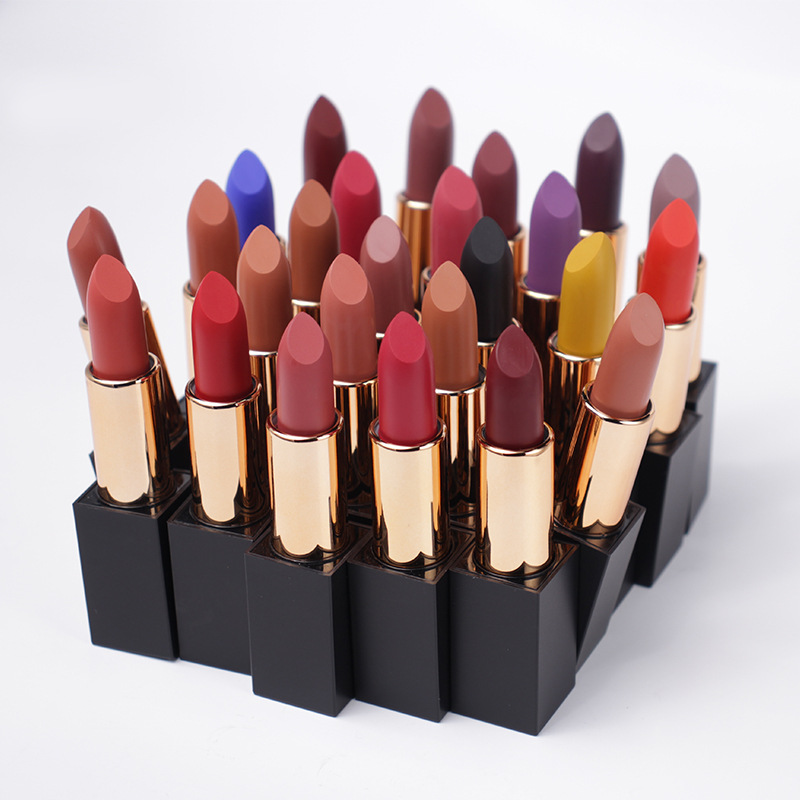 Cosmetics Makeup Make Your Own Brand Lipstick Matte Lipstick
-
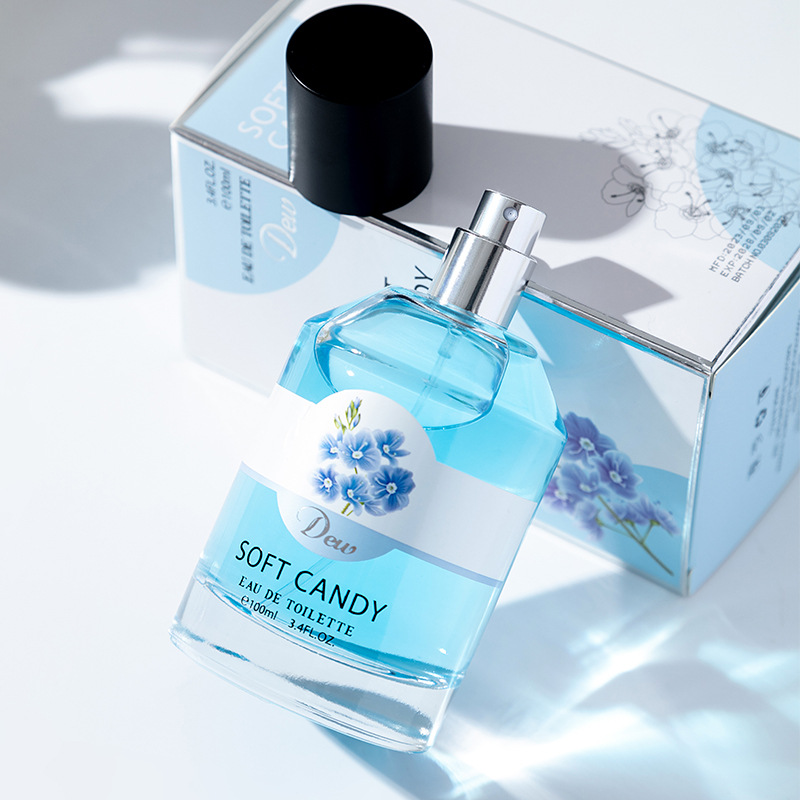 100ml Perfume Logo Make Your Own Brand Smart Collection Perfumes Original Women Perfume
-
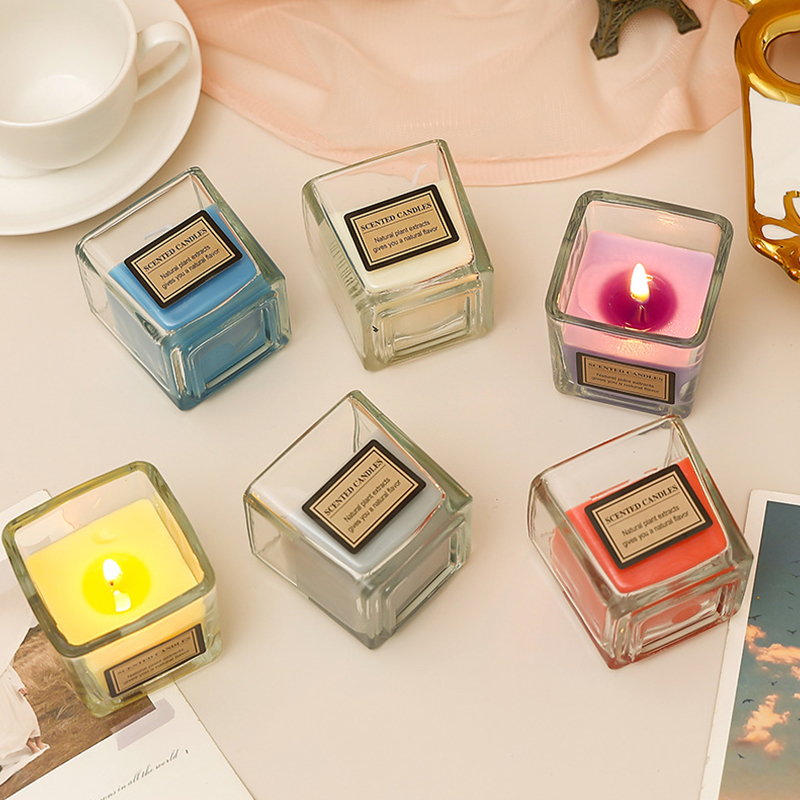 120g Fragrances Scented Home Scented Candles Strong Fragrance Long Lasting Aromatherapy Jar Candles
-
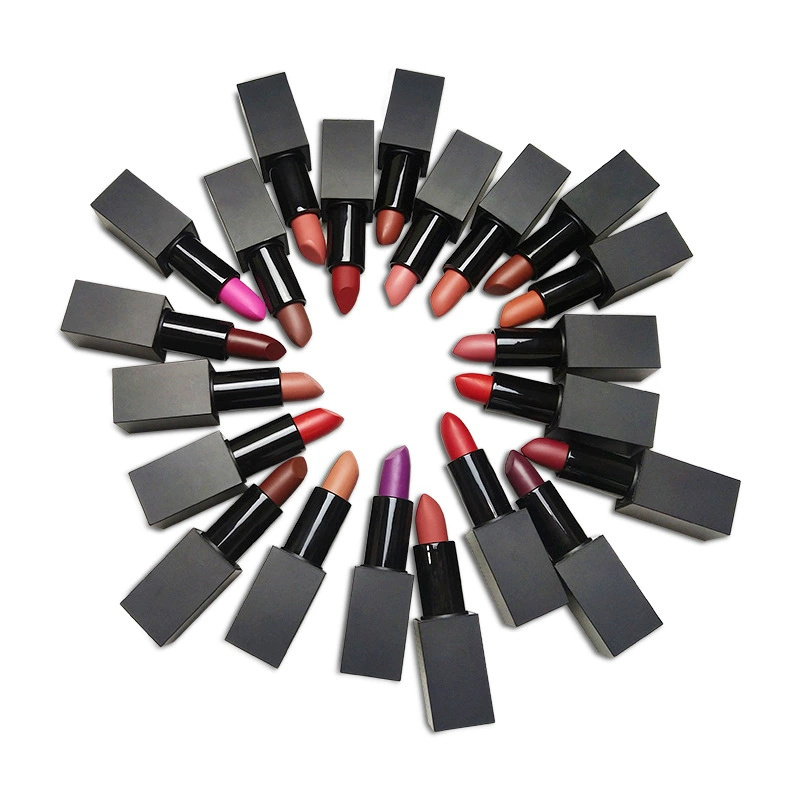 Multi Use Waterproof Long Lasting Lipstick Beauty Cosmetic Red Pigment Velvet Matte Lipstick
-
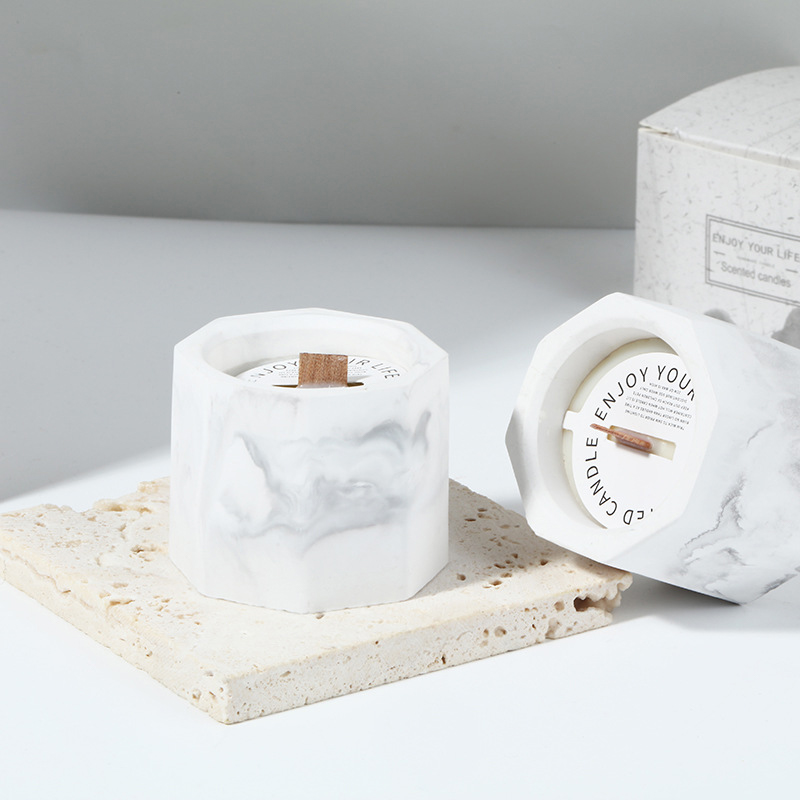 90g clear Glass Jar Wood Core Candle with Wooden Lid Home Decoration Wedding Birthday Party Scented Candle
-
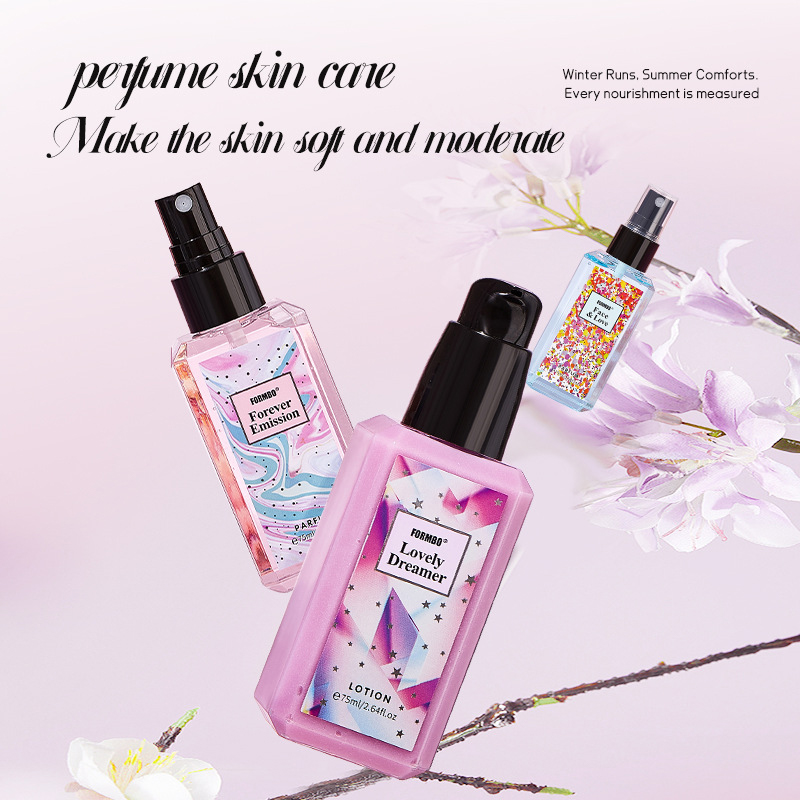 Perfume Set Gift Set Cologne Lasting Fragrance Body Spray and Body Lotion 75mL+75mL Set

- E-mail: [email protected]
- TEL: +86-021-54730699
- Phone/Whatsapp: +86 136 8173 2008
- ADD: Room 612, Building A, No. 389, Lianming Road, Minhang District, Shanghai, China
To Browse
Mobile terminal
Copyright © Shanghai Hexuanshu Industrial Co., LTD
All Rights Reserved.
Wholesale Private Label Luxury Colour Cosmetic Products
