 Search
 EN
EN
 English
 Español
 عربى
عربى

Crystal Stone Diffuser Guide: How It Works & How to Use It
Content
- 1 How a Crystal Stone Diffuser Works
- 2 Crystal Stone Diffusers vs. Candles and Liquid Diffusers
- 3 Choosing Crystals: Common Types and Their Associations
- 4 Technical Specifications and Performance Factors
- 5 Application Scenarios: Room-by-Room Use
- 6 Selection Considerations for Choosing the Right Diffuser
- 7 Six Practical Ways to Get More From a Fragrance Stone Diffuser
- 8 Common Mistakes to Avoid
- 9 Conclusion
- 10 Frequently Asked Questions
- 10.1 Do stone diffusers really work?
- 10.2 How do you use a crystal stone diffuser?
- 10.3 How long does a stone diffuser last?
- 10.4 What are the benefits of a stone diffuser?
- 10.5 What oils should you not diffuse?
- 10.6 How do you clean a stone diffuser?
- 10.7 What are common diffuser mistakes to avoid?
- 10.8 Can I put tap water in my diffuser?
A crystal stone diffuser is a passive fragrance device made from a porous mineral or ceramic-like stone that absorbs essential oil and releases scent gradually into the surrounding air, without heat, flame, water, or electricity. It has become a common alternative to candles and liquid diffusers for spaces where a quiet, low-maintenance fragrance solution is preferred.
How a Crystal Stone Diffuser Works
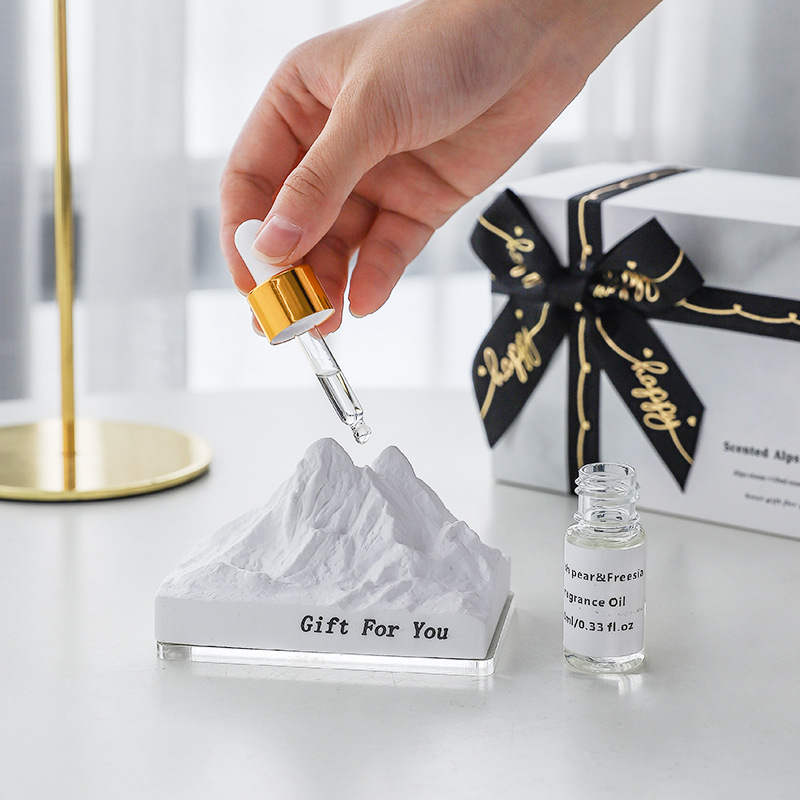
The mechanism behind a crystal stone diffuser relies on capillary action and natural porosity. When essential oil is applied directly to the surface, the stone's microscopic channels draw the liquid inward and hold it. As ambient temperature and air movement interact with the stone, the oil evaporates slowly from the surface, releasing fragrance into the room over an extended period rather than all at once.
This is fundamentally different from devices that rely on ultrasonic vibration, heat plates, or open flame to accelerate evaporation. Because the process is entirely passive, the intensity of the fragrance is generally softer and more consistent, which makes the format well suited to smaller or enclosed spaces where a strong burst of scent would be overwhelming.
Materials Commonly Used
- Natural porous stones such as selenite, unglazed ceramic composites, or gypsum-based minerals
- Semi-precious crystals cut and finished to expose a porous or lightly polished surface
- Plaster or terracotta-based diffuser stones designed to mimic natural crystal texture
Crystal Stone Diffusers vs. Candles and Liquid Diffusers
Each fragrance format serves a different purpose depending on the setting, safety requirements, and desired intensity of scent. The comparison below outlines the practical differences between the three most common home and office fragrance categories.
| Feature | Crystal Stone Diffuser | Candle | Liquid Reed/Electric Diffuser |
| Heat or flame required | No | Yes | Depends on type |
| Water required | No | No | Sometimes (ultrasonic types) |
| Typical scent intensity | Light to moderate | Moderate to strong | Moderate |
| Maintenance | Occasional re-application of oil | Requires replacement once consumed | Requires refilling reeds or reservoir |
| Safety around children/pets | Generally safer, no open flame | Open flame risk | Electrical components in some models |
| Portability | High, lightweight | Moderate | Low to moderate |
For spaces where an open flame is not practical, such as small offices, bedrooms with children, or enclosed retail displays, a stone-based format offers a lower-maintenance alternative that does not require monitoring during use.
Choosing Crystals: Common Types and Their Associations
Beyond function, many customers select a particular stone based on its appearance or its traditional symbolic associations. These associations are cultural and historical rather than scientifically established, but they remain a meaningful part of purchasing decisions in the wellness and home fragrance category.
Rose Quartz
A pale pink crystal traditionally associated with calm and comfort, often placed in bedrooms or relaxation areas.
Amethyst
A purple mineral commonly linked to focus and quiet reflection, frequently chosen for home offices or meditation corners.
Clear Quartz
Valued for its neutral, versatile appearance and its traditional description as an all-purpose stone suited to any room.
Citrine
A yellow-toned stone associated with brightness and energy, often positioned in kitchens or communal living spaces.
Selenite
A soft white mineral known for its fine porosity, making it a practical and visually clean base for fragrance oils.
Black Tourmaline
A dark stone traditionally associated with grounding, sometimes selected for entryways or transitional spaces.
Technical Specifications and Performance Factors
Performance varies by stone density, surface porosity, and finishing method. The table below summarizes the general factors that affect how a crystal stone diffuser performs in practice.
| Factor | Effect on Performance |
| Stone porosity | Higher porosity generally allows faster oil absorption and more consistent release |
| Surface finish | Unpolished or lightly finished surfaces tend to diffuse more readily than heavily sealed surfaces |
| Stone size and mass | Larger stones typically hold more oil and diffuse over a longer period |
| Oil viscosity | Thinner oils diffuse more quickly; thicker or blended oils may take longer to release |
| Ambient airflow | Rooms with gentle air circulation generally carry fragrance more evenly |
| Ambient temperature | Warmer conditions accelerate evaporation; cooler conditions extend duration |
Application Scenarios: Room-by-Room Use
Because a crystal stone diffuser produces a gentle, ambient level of fragrance rather than an intense burst, placement within a space affects how noticeable and how long-lasting the scent will be.
- Bedroom: A nightstand or dresser placement allows a light fragrance to accompany the space without becoming overpowering overnight.
- Living Room: Central surfaces such as a coffee table or shelf allow fragrance to circulate across a larger, more open area.
- Home Office: A desk corner placement provides a subtle background scent without competing with concentration during work.
- Bathroom: Humidity and steam can accelerate diffusion, so placement away from direct water contact helps preserve the stone.
- Meditation or Yoga Space: A low, stable surface near where a person sits allows the fragrance to remain close and consistent during practice.
- Entryway: A console table near the door introduces a light scent as a transitional element between outdoor and indoor spaces.
Selection Considerations for Choosing the Right Diffuser
When comparing options, it helps to evaluate a crystal stone diffuser against a few practical criteria rather than appearance alone.
Stone density, room size, and oil type together determine how noticeable and how long-lasting the fragrance will be — appearance is a secondary factor to functional fit.
- Room size: Larger stones or multiple pieces are generally better suited to open-plan spaces, while a single small stone is often enough for compact rooms.
- Oil compatibility: Confirm that the stone material is suited to the oil concentration being used, as some finishes absorb thicker oils less effectively.
- Cleaning requirements: Stones that can be wiped down or lightly rinsed are easier to maintain across repeated use than those requiring specialized cleaning agents.
- Intended setting: A decorative display piece for a retail counter may prioritize visual finish, while a functional diffuser for daily use may prioritize porosity and absorption.
Six Practical Ways to Get More From a Fragrance Stone Diffuser
Use Body Heat Near Pulse Points
Placing a small stone near areas where body heat is present, such as a desk within arm's reach, can gently accelerate evaporation and bring the scent closer to where it will be noticed.
Position Near Warm Bath Steam
Keeping a stone near, but not directly in, a warm and humid bathroom environment can create a fuller, spa-like atmosphere as steam interacts with the fragrance.
Let Natural Sunlight Provide Gentle Heat
A stone placed in indirect natural light will diffuse slightly faster than one kept in a cool, shaded area, without the need for any additional heat source.
Layer the Scent for Longevity
Applying a small amount of oil at intervals, rather than saturating the stone all at once, tends to extend how long the fragrance remains noticeable.
Position Near Air Circulation
Placing the stone near a doorway, fan, or open window allows air movement to carry the fragrance further across a room.
Cleanse the Crystal Regularly
Wiping the stone's surface periodically removes residue buildup from previous oils, which helps maintain a cleaner, more consistent scent with each new application.
Common Mistakes to Avoid
- Applying too much oil at once: Oversaturating the stone can cause pooling on the surface rather than gradual absorption.
- Mixing incompatible oils without cleaning first: Residual scent from a previous oil can blend unpredictably with a new fragrance if the stone is not wiped down between uses.
- Placing the stone in direct water contact: Submerging or heavily wetting certain stone types can affect porosity and shorten the product's usable life.
- Expecting the same intensity as a candle or spray: Because diffusion is passive, the scent throw is naturally lighter and works best in smaller or enclosed areas.
- Ignoring oil viscosity: Very thick or heavily blended oils may sit on the surface rather than absorb evenly, reducing overall performance.
Conclusion
A crystal stone diffuser offers a flame-free, water-free, and low-maintenance approach to ambient fragrance, suited to a wide range of rooms and settings. Understanding how stone porosity, oil type, and placement interact allows for more consistent results, whether the goal is a subtle background scent or a more deliberate room-by-room fragrance routine.
Frequently Asked Questions
Do stone diffusers really work?
Yes, within the expectations of a passive diffusion format. They release a lighter, more gradual fragrance compared to candles or sprays, rather than an intense or instant scent.
How do you use a crystal stone diffuser?
Apply a few drops of essential oil directly to the surface of the stone and allow it to absorb before placing it in the desired location. Reapply oil as the scent fades.
How long does a stone diffuser last?
The fragrance from a single application typically lasts one to three days, depending on stone porosity, oil type, and ambient conditions. The stone itself can generally be reused indefinitely with proper care.
What are the benefits of a stone diffuser?
It requires no electricity, water, or open flame, making it a low-maintenance and portable option for rooms where those requirements are impractical or undesirable.
What oils should you not diffuse?
Very thick, heavily blended, or synthetic fragrance oils not designed for porous absorption may sit on the surface rather than diffuse evenly, and are generally less suited to this format than pure essential oils.
How do you clean a stone diffuser?
Wipe the surface with a dry or lightly damp cloth to remove residue between applications. Avoid soaking the stone, as prolonged water exposure can affect its porosity.
What are common diffuser mistakes to avoid?
Common mistakes include applying too much oil at once, skipping cleaning between different oils, and placing the stone in direct water contact.
Can I put tap water in my diffuser?
No. A crystal stone diffuser is designed for oil absorption rather than water-based operation, and adding water can interfere with how the stone absorbs and releases fragrance.
-
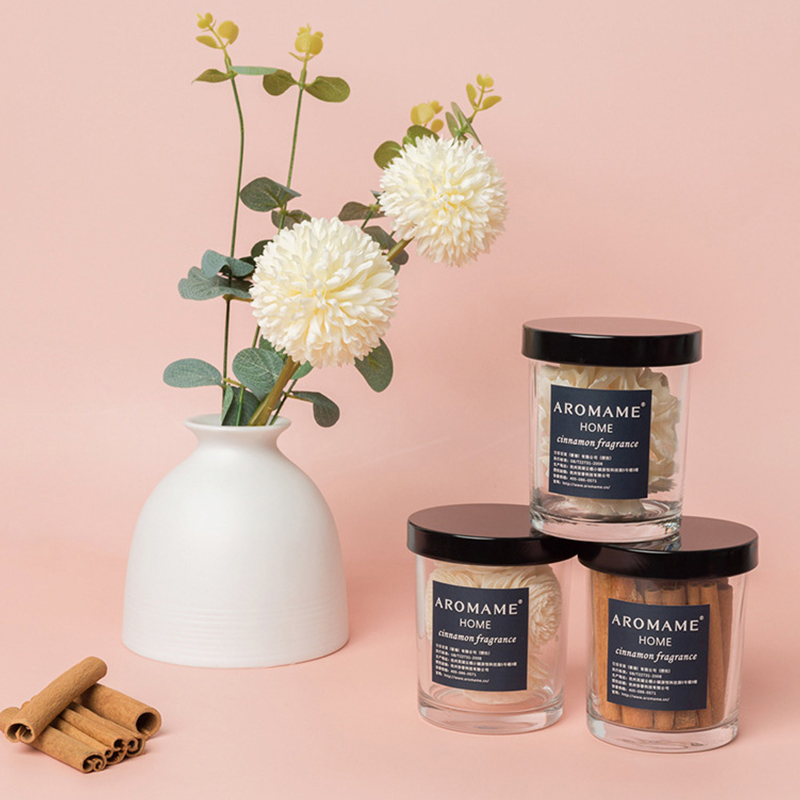 Aroma Diffuser Odor Eliminator Tin Jar Crystal Stone Dry Flower Cinnamon Diffusers Air Freshener
-
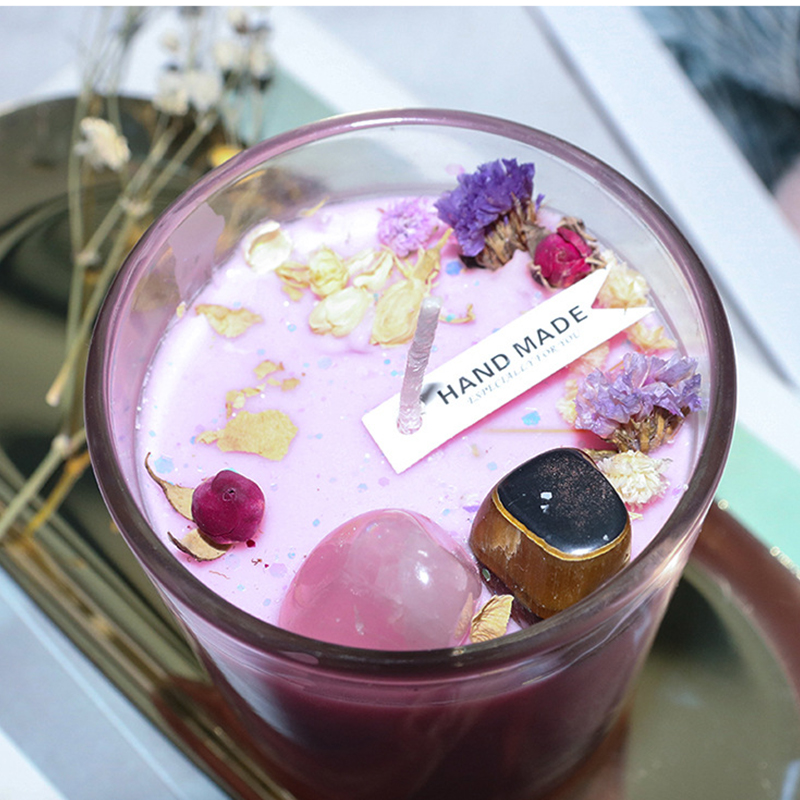 100g Home Decor Handmade Soy Wax Aromatherapy Eco-Friendly High Crystal Stone Dry Flower Scented Candle for Parties Birthdays Gift
-
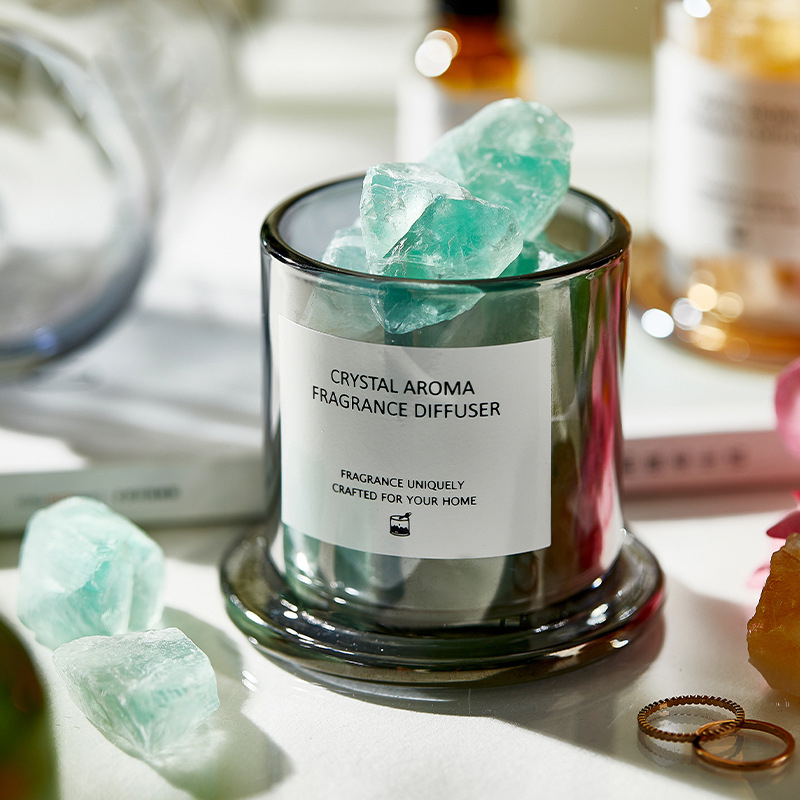 Diffuse Stone Crystal Stone No Fire Aroma Stone Indoor Fragrance Creative Gift Essential Oil Ornaments Aromatherapy
-
Solid Gypsum Air Conditioner Diffuser Stone Pendant Eco-Friendly Aromatherapy Car Interior Decoration Wedding Air Outlet Perfume
-
 Multi Use Waterproof Long Lasting Lipstick Beauty Cosmetic Red Pigment Velvet Matte Lipstick
-
 Oem Low Moq 13 Colors Moisturizing Longlasting Customized Logo Label Vegan Nude Matte Lip Stick Lipstick

- E-mail: [email protected]
- TEL: +86-021-54730699
- Phone/Whatsapp: +86 136 8173 2008
- ADD: Room 612, Building A, No. 389, Lianming Road, Minhang District, Shanghai, China
To Browse
Mobile terminal
Copyright © Shanghai Hexuanshu Industrial Co., LTD
All Rights Reserved.
Wholesale Private Label Luxury Colour Cosmetic Products
