 Search
 EN
EN
 English
 Español
 عربى
عربى

Reed Diffuser Guide: Benefits, Safety, and Use
Content
- 1 What Is a Reed Diffuser?
- 2 Working Principle
- 3 Benefits of Non-Toxic Reed Diffusers
- 4 Technical Specifications and Performance Factors
- 5 Versatility for Different Room Types
- 6 Reed Diffusers Compared to Other Home Fragrance Methods
- 7 Selection Considerations
- 8 Usage and Maintenance Recommendations
- 9 Can I Just Put Essential Oil in a Reed Diffuser?
- 10 What Oils Should You Not Diffuse?
- 11 What Are the Cons of a Reed Diffuser?
- 12 Is a Reed Diffuser Safe for Lungs?
- 13 Is It Bad to Have a Reed Diffuser in Your Bedroom?
- 14 What to Avoid When Using Reed Diffusers
- 15 How Long Do Reed Diffusers Typically Last?
- 16 Industry Trends and Outlook
- 17 Conclusion
- 18 Frequently Asked Questions
A reed diffuser uses porous reed sticks placed in a bottle of scented oil to draw fragrance upward through capillary action and release it steadily into a room, without any flame or electricity involved. This makes it one of the simplest ways to maintain a consistent scent in a space over an extended period.
What Is a Reed Diffuser?
A reed diffuser consists of a glass or ceramic vessel filled with a fragrance oil base, into which several porous reed sticks are inserted. The oil travels up through the reeds and evaporates from their surface, releasing scent into the surrounding air without combustion, heat, or an electrical source. This passive design is why reed diffusers are commonly placed in bedrooms, bathrooms, and other spaces where an open flame is undesirable.
Working Principle
As oil reaches the exposed portion of each reed, it evaporates into the air, and fresh oil is drawn upward from the vessel to replace it. The rate of release depends on the number of reeds exposed, the oil's viscosity, and the ambient temperature and airflow in the room, which is why occasionally flipping the reeds refreshes the visible scent output.
Benefits of Non-Toxic Reed Diffusers
No Flame Required
Removes the fire risk associated with candles, making it suitable for rooms where unattended burning is a concern.
Continuous, Even Scent
Provides a steady fragrance level over time, rather than the fluctuating intensity typical of sprays or wax melts.
Lower Air Contaminant Output
A non-toxic, alcohol-free formulation avoids the combustion byproducts released by burning candles.
Minimal Maintenance
Requires no ongoing attention beyond occasional reed flipping, unlike wick trimming or timer-based devices.
Technical Specifications and Performance Factors
| Specification | Typical Range | Relevance |
| Oil Volume | 100 ml to 250 ml | Determines total usable lifespan of the diffuser |
| Reed Count | 6 to 10 reeds | More reeds increase scent throw in larger rooms |
| Reed Material | Rattan or synthetic fiber | Affects absorption rate and evaporation consistency |
| Coverage Area | 15 m² to 40 m² | Should match the size of the intended room |
| Typical Duration | 8 to 12 weeks | Depends on oil volume, reed count, and room airflow |
Versatility for Different Room Types
A lighter concentration suits enclosed sleeping spaces where scent should be present but not overwhelming.
Higher humidity can shorten reed lifespan slightly, but the flameless design remains a practical fit.
Larger open areas benefit from a higher reed count or stronger fragrance concentration for adequate throw.
Consistent, moderate fragrance supports a welcoming first impression without becoming distracting.
Reed Diffusers Compared to Other Home Fragrance Methods
| Method | Scent Consistency | Fire Risk | Maintenance |
| Reed Diffuser | Steady, continuous | None | Occasional reed flip |
| Scented Candle | Fluctuates with burn time | Present, requires supervision | Wick trimming, monitoring |
| Electric Oil Diffuser | Adjustable, requires power | None | Regular cleaning and refilling |
| Aerosol Spray | Brief, requires reapplication | None | Frequent reapplication |
Selection Considerations
Room size should guide both oil concentration and reed count, since an undersized diffuser in a large room produces a faint scent while an oversized one in a small room can feel overpowering. Oil composition matters as well: alcohol-free, non-toxic formulations reduce airborne irritants compared with alcohol-based bases, which is a relevant factor for bedrooms or rooms used by sensitive individuals. Reed material also affects performance, with natural rattan absorbing oil differently than synthetic fiber alternatives.
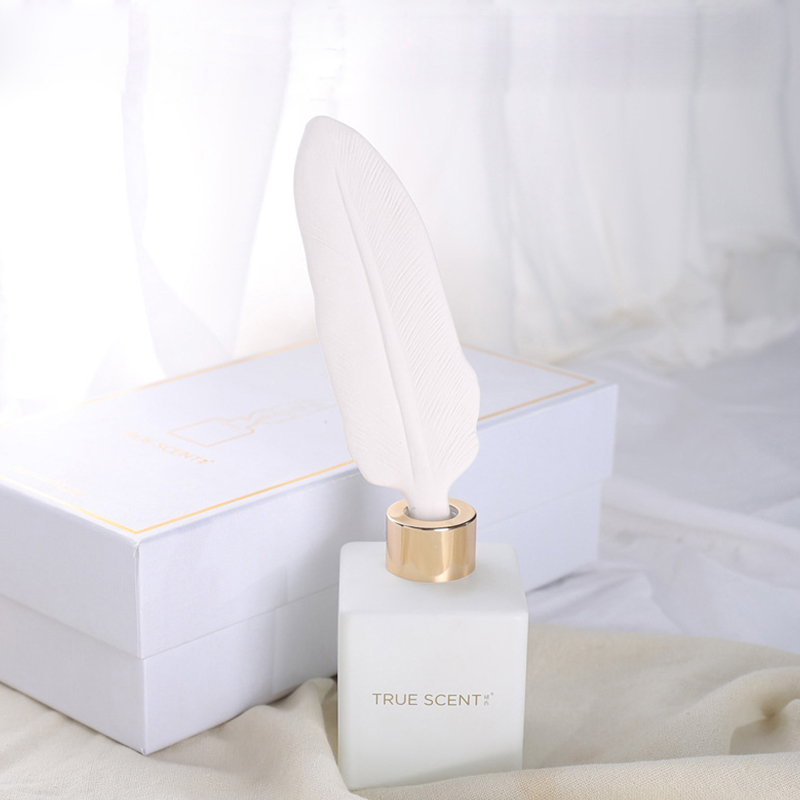
Usage and Maintenance Recommendations
Can I Just Put Essential Oil in a Reed Diffuser?
Pure essential oil can be used in a reed diffuser, but it behaves differently from a formulated fragrance oil because it typically lacks the carrier and stabilizing components that support consistent capillary movement through the reeds. Blending essential oil with a suitable carrier base generally produces more even scent throw than using essential oil alone, and concentration should be adjusted carefully since essential oils vary widely in potency.
What Oils Should You Not Diffuse?
Oils that are highly viscous or contain heavy resins can clog reed pores and reduce capillary flow, leading to inconsistent scent output. Certain essential oils are also not recommended around pets or in poorly ventilated spaces due to their concentration, so checking compatibility before adding an oil to an existing diffuser blend helps avoid both performance issues and air quality concerns.
What Are the Cons of a Reed Diffuser?
Scent throw is generally milder than a burning candle or an electric diffuser, which can be a limitation in larger or more open rooms. Reeds require periodic replacement as they become saturated, and oil formulations with lower quality bases may fade in fragrance intensity well before the vessel is empty. Reed diffusers also offer less control over scent intensity at a given moment compared with adjustable electric alternatives.
Is a Reed Diffuser Safe for Lungs?
A non-toxic, alcohol-free reed diffuser releases fragrance through passive evaporation rather than combustion, which avoids the particulate byproducts associated with burning candles. Individuals with respiratory sensitivities should still use adequate ventilation and monitor their response to any new fragrance, since scent sensitivity varies from person to person regardless of the diffusion method used.
Is It Bad to Have a Reed Diffuser in Your Bedroom?
A reed diffuser is generally considered a low-risk option for bedroom use due to its flameless design and steady, moderate scent release. Choosing a lighter fragrance concentration and ensuring the room has some airflow helps keep scent levels comfortable overnight rather than concentrated in an enclosed space.
What to Avoid When Using Reed Diffusers
- Placing the diffuser on unprotected wood or painted surfaces, where oil residue can cause staining
- Positioning it near heat sources, which accelerates evaporation and shortens usable lifespan
- Leaving reeds unflipped for extended periods, which allows the exposed surface to dry out and slow scent release
- Using an oil concentration unsuited to the room size, resulting in either faint or overpowering fragrance
How Long Do Reed Diffusers Typically Last?
A standard diffuser typically lasts 8 to 12 weeks, depending on oil volume, reed count, and room temperature and airflow. Warmer rooms and higher reed counts accelerate evaporation, shortening the usable period, while cooler, less ventilated spaces extend it.
Industry Trends and Outlook
Demand for alcohol-free and non-toxic fragrance formulations continues to grow as consumers pay closer attention to indoor air quality alongside scent preference. Reed material innovation, including higher-absorption synthetic fibers, is also expanding options for achieving consistent throw across different room conditions without altering oil concentration.
Conclusion
A reed diffuser offers a flameless, low-maintenance way to maintain steady fragrance in a room, with performance shaped by oil concentration, reed count, and room conditions rather than any single fixed setting.
Frequently Asked Questions
What are the cons of a reed diffuser?
Scent throw is milder than candles or electric diffusers, reeds need periodic replacement, and there is less control over scent intensity at any given moment.
Is a reed diffuser safe for lungs?
Non-toxic, alcohol-free formulations avoid combustion byproducts, though individuals with respiratory sensitivities should still ensure adequate room ventilation.
What should be avoided when using reed diffusers?
Avoid placing them on unprotected surfaces, near heat sources, leaving reeds unflipped for long periods, or using a concentration mismatched to the room size.
How long do reed diffusers typically last?
A standard diffuser typically lasts 8 to 12 weeks, depending on oil volume, reed count, and room temperature and airflow.
Is it bad to have a reed diffuser in a bedroom?
It is generally considered low-risk due to the flameless design, particularly when a lighter fragrance concentration is used and the room has some airflow.
Can essential oil be used directly in a reed diffuser?
Yes, though blending it with a suitable carrier base typically produces more consistent capillary flow and scent throw than using essential oil alone.
-
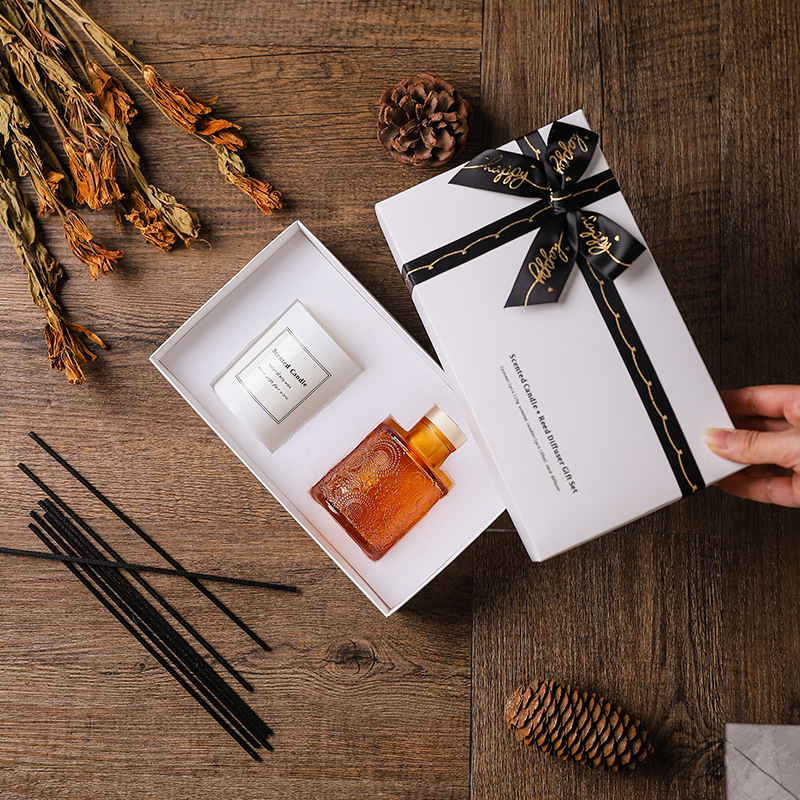 100g+100ml Luxury Aroma Reed Diffuser for Home Fragrance for Wedding for Party for Colorful Candle Gift Set
-
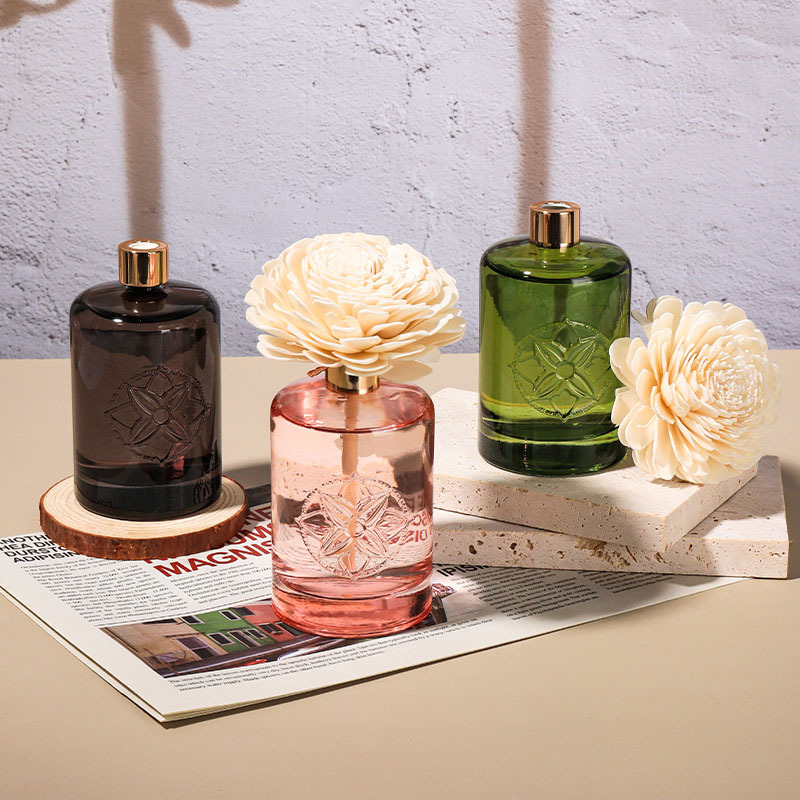 100ml Aromatherapy Room Scent Reed Diffuser With Rattan Stick Aroma Fragrance Air Fresheners for Home Decor
-
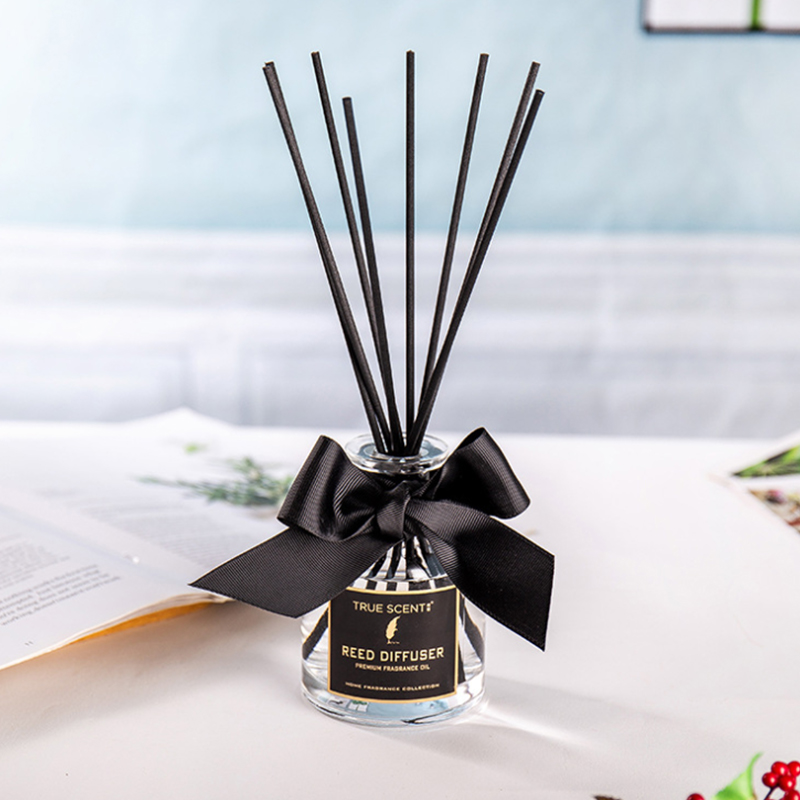 220ml Hot Popular High-end 220ml No Fire Aromatherapy Reed Diffuser Transparent with Changeable Scents
-
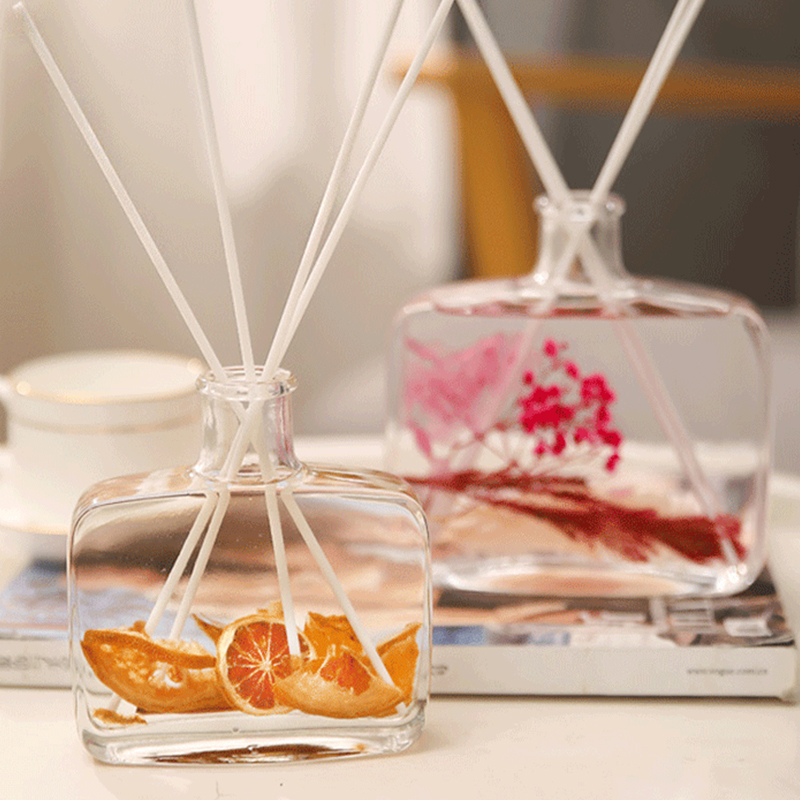 100ml /200ml Home Fragrance Essential Oil Preserved Dry Flower Reed Diffuser for Home Decoration Gift
-
150ml Matt White Glass Bottle Ceramic Feather Reed Diffuser for Home Fragrance
-
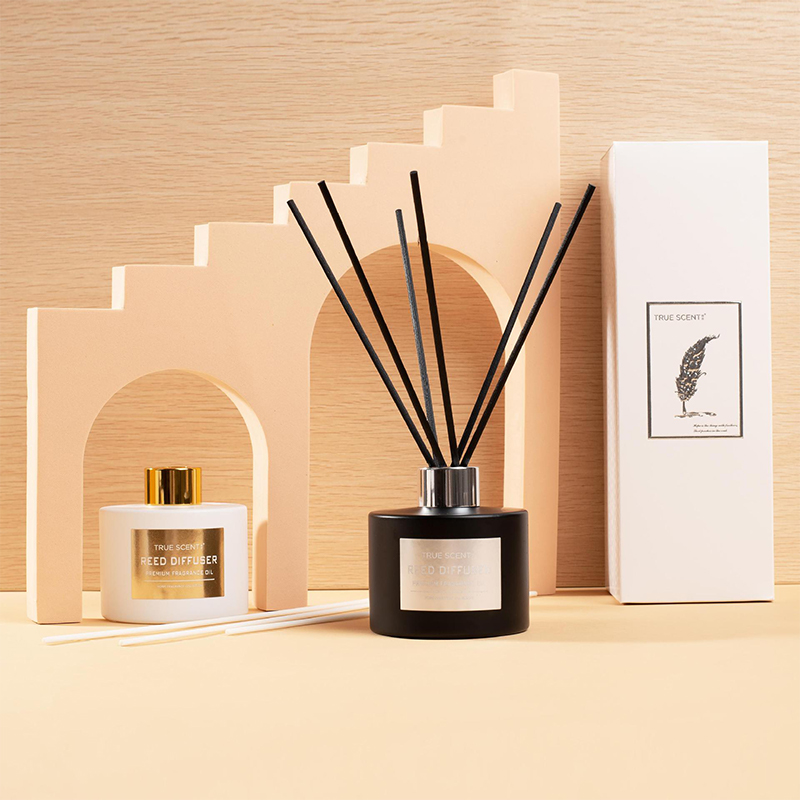 150ml Home Fragrance for Reed Diffuser Set Glass Aroma Perfume with Rattan

- E-mail: [email protected]
- TEL: +86-021-54730699
- Phone/Whatsapp: +86 136 8173 2008
- ADD: Room 612, Building A, No. 389, Lianming Road, Minhang District, Shanghai, China
To Browse
Mobile terminal
Copyright © Shanghai Hexuanshu Industrial Co., LTD
All Rights Reserved.
Wholesale Private Label Luxury Colour Cosmetic Products
