 Search
 EN
EN
 English
 Español
 عربى
عربى

Custom Made Scented Candles: Wax, Wicks & Fragrance Guide
Content
The best custom made scented candles are built from three coordinated choices: a soy or soy-blend wax for clean, even burning, a cotton or wood wick sized to the container diameter, and a fragrance oil load between 6 and 10 percent by weight. Get these three right and the candle burns evenly, throws scent consistently, and avoids the black soot or tunneling that ruins cheaper candles.
Soy Wax Versus Paraffin Wax
Wax choice is the single biggest factor in how a custom candle performs, burns, and is perceived by the buyer. The two materials differ in melting point, scent throw, and burn cleanliness.
Soy Wax
- Melts around 49 to 52 degrees Celsius, giving a slower, cooler burn
- Produces roughly 30 to 50 percent less soot than paraffin
- Made from soybean oil, marketed as a renewable, plant based option
- Softer texture, so it suits containers rather than freestanding pillars
Paraffin Wax
- Melts around 54 to 60 degrees Celsius, holding shape well in pillars
- Generally offers a stronger initial hot throw of fragrance
- A petroleum byproduct, refined to food-grade purity for candle use
- Firmer structure, better suited to carved, layered, or molded designs
Many custom candle makers now blend the two, using 10 to 20 percent paraffin within a soy base to boost scent throw while keeping most of the clean-burn benefits of soy.
Candle Fragrance Oil Types
Fragrance choice determines whether a candle sells on scent alone. Custom orders typically draw from four categories of scent material.
| Synthetic fragrance oils | Lab-formulated for consistency, wide scent range, and stronger hot throw at low cost. |
| Essential oils | Plant-derived and natural, but weaker throw and higher cost per candle. |
| Phthalate-free fragrance oils | Synthetic oils reformulated without phthalate carriers, common in premium retail lines. |
| Fragrance blends | Pre-mixed combinations, such as vanilla and sandalwood, designed for layered scent profiles. |
A fragrance load below 5 percent often produces a weak cold throw, meaning the candle barely smells before lighting, while loads above 10 percent risk poor wick performance and sooting.
Candle Wick Material Choices
Wick material and size have to match both the wax type and the container diameter, since an undersized wick causes tunneling and an oversized wick causes excess soot and mushrooming.
- Cotton wicks
- The most common choice for soy candles, offering a steady, predictable burn with minimal soot.
- Wood wicks
- Produce a soft crackling sound and a wider melt pool, popular in premium soy candle lines.
- Cotton-paper core wicks
- Stiffer than pure cotton, holding upright well in wider containers above 8 centimeters.
- Zinc or tin core wicks
- Often used in paraffin or votive candles for extra rigidity, though less favored in natural lines.
As a general sizing rule, a candle with a 7 to 8 centimeter diameter typically needs a medium cotton wick, while anything above 10 centimeters usually requires either a double wick setup or a larger wood wick to melt the full wax pool.
Natural Candle Ingredients
Buyers asking for natural or clean-label candles usually mean four specific ingredient swaps rather than a vague eco claim.
| Wax base | 100 percent soy, coconut, or beeswax instead of paraffin |
| Wick core | Pure cotton or wood, free of metal cores |
| Dye | Natural mica powder or liquid candle dye without synthetic petroleum dyes |
| Fragrance | Essential oils or phthalate-free fragrance oils in place of standard synthetics |
Natural formulations generally cost 20 to 35 percent more per unit than standard paraffin candles, largely due to soy wax pricing and the higher cost of essential oil fragrance loads.
Building a Custom Candle Order That Performs
When placing a custom made scented candle order, four decisions determine the final result more than any branding or packaging choice.
- Confirm the wax base matches the intended burn style, container versus pillar versus travel tin.
- Request a wick burn test report for the exact container diameter being used.
- Set fragrance load between 6 and 10 percent unless the wax supplier specifies otherwise.
- Ask for a cold throw and hot throw sample before committing to a full production run.
-
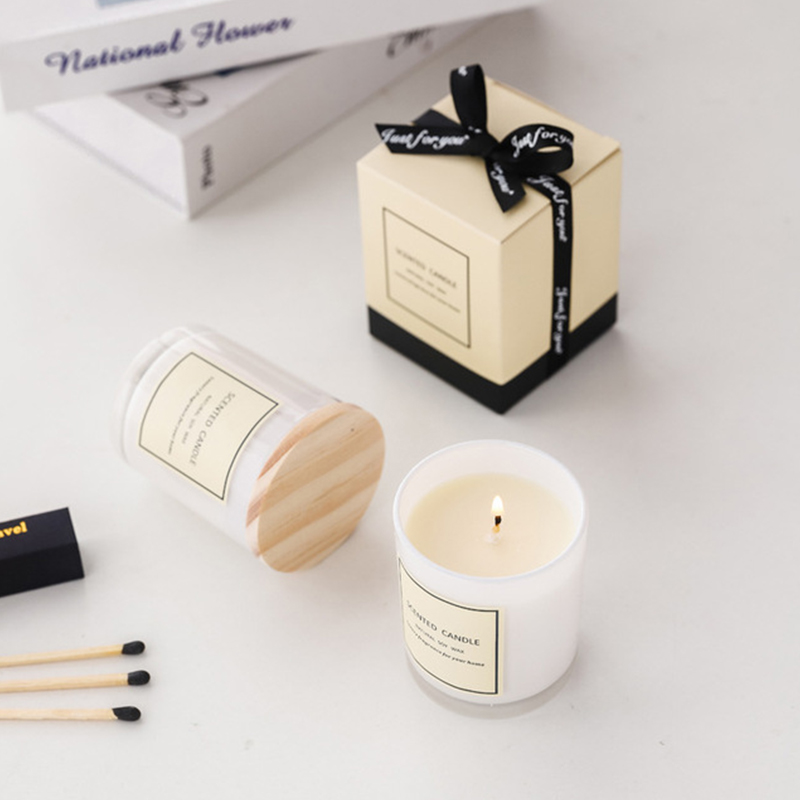 150g Romantic Round Soy Wax Birthday Candles Scented Luxury Handmade Vegan Scented Candles Gift Set
-
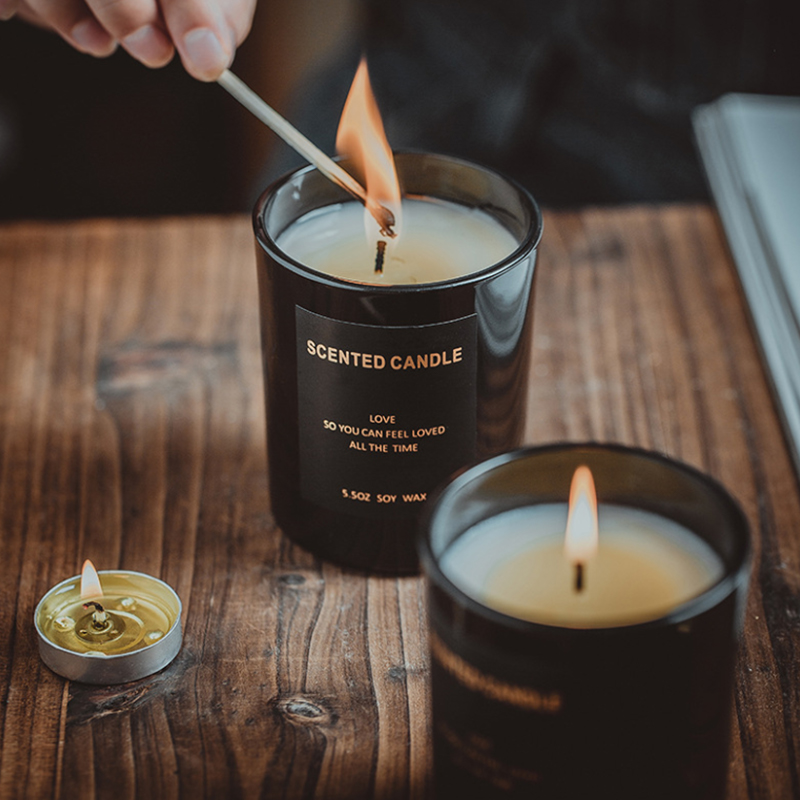 160g Natural Soy Wax Factory Aromatherapy Scented Candles
-
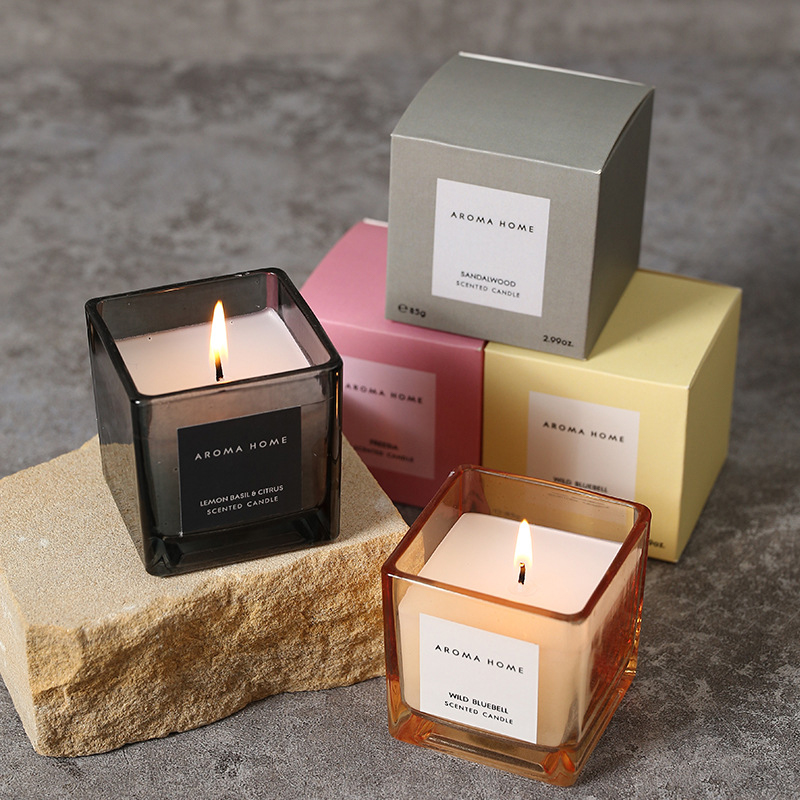 85g Packaging Soy Wax Customised Glass Jar Aromatherapy Aroma Scent Bougie Candle Gift Set for Home Fragrance
-
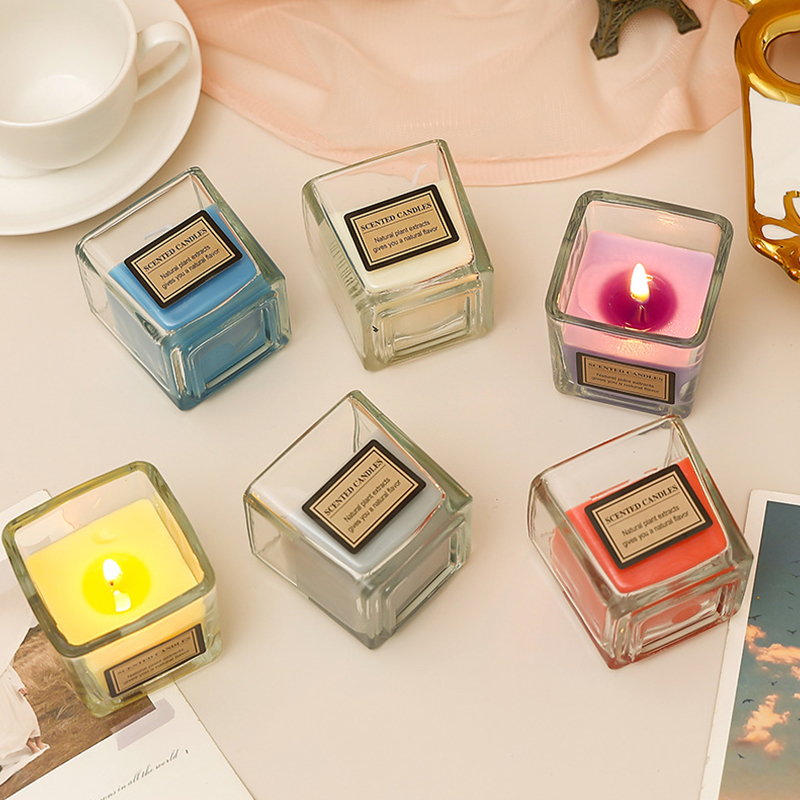 120g Fragrances Scented Home Scented Candles Strong Fragrance Long Lasting Aromatherapy Jar Candles
-
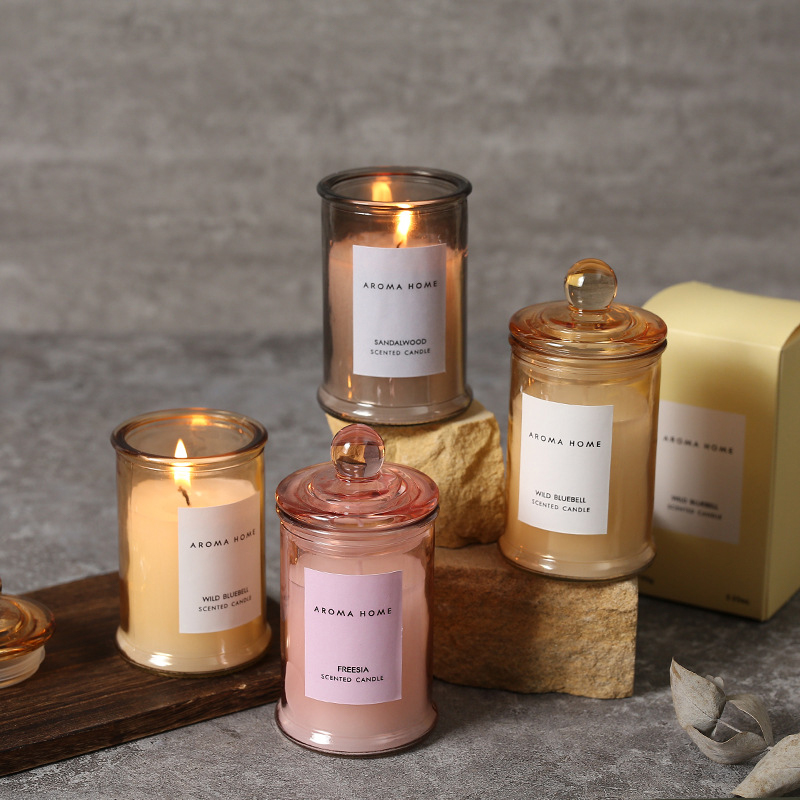 Soy Wax Scented Candle for Home Decor 95g
-
 Fragrance China Branded Perfume Factory 50ML/100ML

- E-mail: [email protected]
- TEL: +86-021-54730699
- Phone/Whatsapp: +86 136 8173 2008
- ADD: Room 612, Building A, No. 389, Lianming Road, Minhang District, Shanghai, China
To Browse
Mobile terminal
Copyright © Shanghai Hexuanshu Industrial Co., LTD
All Rights Reserved.
Wholesale Private Label Luxury Colour Cosmetic Products
