 Search
 EN
EN
 English
 Español
 عربى
عربى

Thermodynamic Stability and Pigment Dispersion Mechanics in Custom Color Lipstick Formulations
Content
Molecular Interaction Between Pigment Concentration and Waxy Matrix
1. The structural integrity of a custom color lipstick is governed by the crystalline lattice of the waxy matrix, typically composed of Candelilla or Carnauba wax, which provides the necessary tensile strength to resist mechanical shearing during application. 2. When analyzing how pigment concentration affects lipstick structural stability, chemical engineers evaluate the particle-to-binder ratio, as an excessive load of dry colorants can disrupt the hydrophobic bonds of the lipid phase. 3. For a custom color lipstick, maintaining a pigment load between 10% and 15% is critical to prevent "brittleness" in the bullet, ensuring the stick does not fracture under a standard bending force test. 4. Identifying the optimal wax-to-oil ratio for custom lipstick longevity requires calculating the melting point (typically 65°C to 75°C) to ensure the product remains solid in humid or high-temperature environments.
Colorimetry and Pigment Dispersion Dynamics
1. The impact of pigment particle size on custom lipstick texture is a key factor in achieving a smooth Ra surface finish, with micronized pigments (less than 5 micrometers) offering superior dispersion and reduced sedimentation. 2. In a comparison of organic vs inorganic pigments in custom lipstick, inorganic oxides like Iron Oxide (CI 77491) provide higher thermal stability, whereas organic lakes offer more vibrant chromaticity but may require additional stabilizers to prevent color bleeding. 3. Achieving high color payoff in custom lipsticks without clumping involves the use of wetting agents like Castor Oil or Caprylic/Capric Triglyceride, which lower the surface tension between the pigment particles and the wax base. 4. Professional custom color lipstick engineering utilizes spectrophotometric analysis to ensure the Delta E color variance between the digital profile and the physical batch remains below 1.5 under D65 standard lighting.
Thermodynamic Performance During High-Temperature Wear
1. The thermal resistance of custom lipstick in humid climates is enhanced by incorporating synthetic beeswax or high-melting-point microcrystalline waxes, which maintain the stick's tensile strength at temperatures exceeding 40°C. 2. Evaluating how custom color lipstick resists melting during summer wear involves a "drop point" test (ASTM D127), which determines the temperature at which the first drop of oil separates from the wax matrix. 3. Using mineral-based pigments for non-toxic custom lipsticks ensures compliance with safety standards while providing a natural UV barrier, though it requires precise calibration to avoid increasing the formulation's viscosity excessively. 4. Lipstick Structural and Thermal Specification Matrix:
| Testing Parameter | Standard Formulation | High-Load Pigment Formulation |
| Melting Point (Celsius) | 68°C - 72°C | 62°C - 65°C (Due to matrix disruption) |
| Pigment Load (%) | 8% - 12% | 15% - 22% |
| Shear Resistance (N) | 3.5 - 5.0 N | 2.0 - 3.0 N (Increased brittleness) |
| Oil Bleed Rating | None (at 45°C) | Slight (at 45°C) |
Bio-Chemical Compatibility and Dermal Adhesion
1. The benefits of plant-based oils in bespoke lipstick formulations, such as Jojoba or Argan oil, include improved skin-barrier compatibility and a reduction in transepidermal water loss (TEWL) during 12-hour wear cycles. 2. Reducing heavy metal contamination in custom color lipstick is achieved through rigorous ICP-MS testing of raw mineral ores, ensuring lead and cadmium levels are well below the 10 ppm limit set by global health authorities. 3. To ensure a long-lasting custom color lipstick with 12-hour wear, formulators integrate film-forming resins like Polyethylene or Trimethylsiloxysilicate, which anchor the pigment to the lip mucosa through a flexible, breathable layer.
Hardcore FAQ
1. Does a higher pigment concentration make the lipstick more likely to break? Yes. High pigment loads act as "impurities" within the wax lattice. If the concentration exceeds 20%, the tensile strength of the stick decreases, making it prone to snapping at the base during application. 2. How do you ensure the custom color doesn't change on the lips? We calibrate the formula based on the "pH-shift" factor and use treated pigments that are resistant to oxidation. This ensures the custom color lipstick maintains its original hue despite the acidic environment of the skin. 3. Why do some custom lipsticks feel "gritty"? Grittiness is a result of poor pigment dispersion or large particle size. Utilizing a three-roll mill during the manufacturing process ensures pigments are ground to a sub-micron level for a perfectly smooth finish. 4. Is it possible to create a vegan custom lipstick with high heat resistance? Yes. By replacing beeswax with a combination of Rice Bran wax and Sunflower seed wax, we can achieve high thermal stability without using animal-derived ingredients. 5. How does temperature affect the "swiping" feel of the lipstick? As temperature increases, the viscosity of the oil-wax blend decreases. A well-engineered custom color lipstick is formulated with a "thixotropic" profile, meaning it stays solid in the tube but melts instantly upon contact with the warmth of the lips.
Technical References
1. ASTM D127-19: Standard Test Method for Drop Melting Point of Petroleum Wax, Including Petrolatum. 2. ISO 22716: Cosmetics — Good Manufacturing Practices (GMP) — Guidelines on Good Manufacturing Practices. 3. FDA Guidance for Industry: Lead in Cosmetic Lip Products and Externally Applied Cosmetics.
-
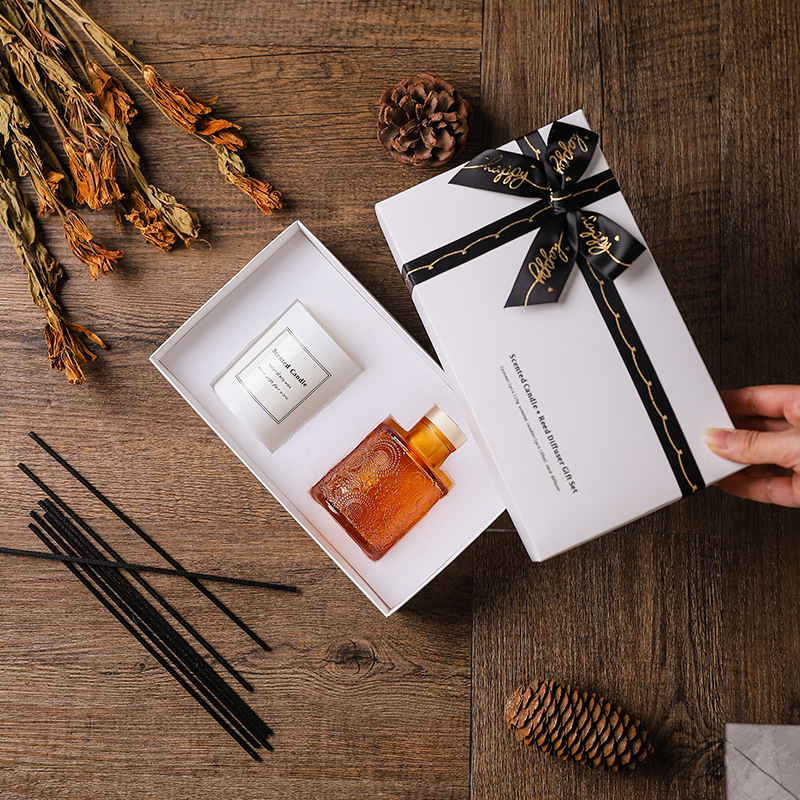 100g+100ml Luxury Aroma Reed Diffuser for Home Fragrance for Wedding for Party for Colorful Candle Gift Set
-
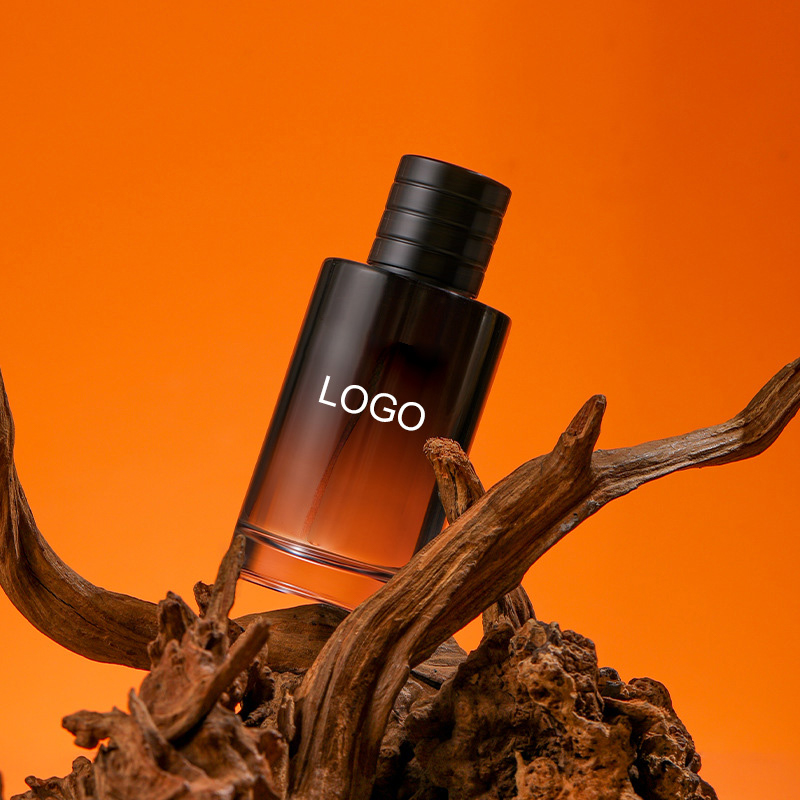 50ml/100ml Long Lasting Brand Designers Cologne Fragrance Men Perfume
-
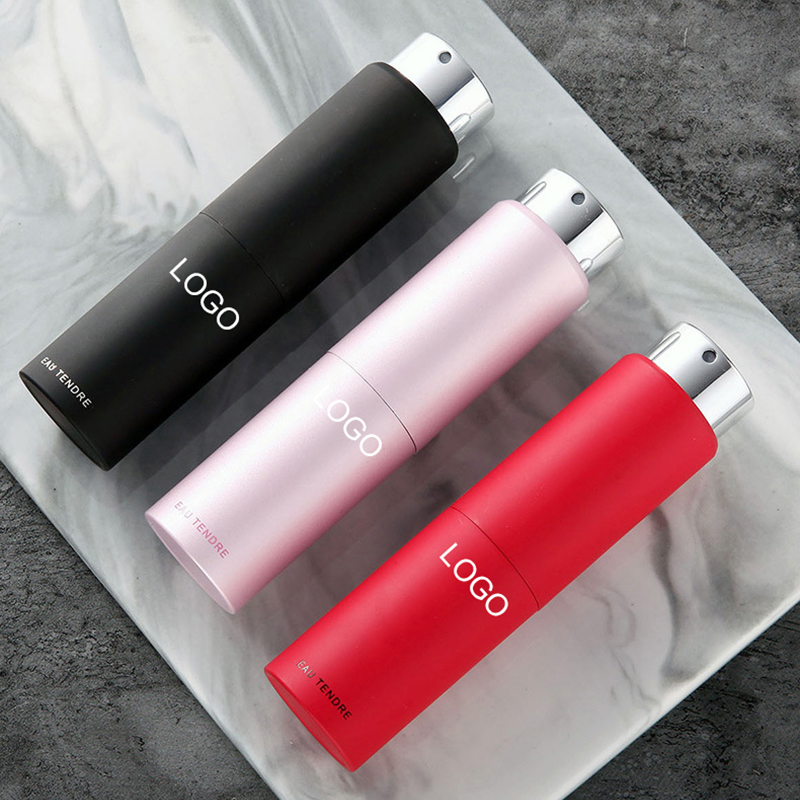 20ML Travel Size Body Spray Long Lasting Floral Portable Perfume Body Splash Set for Men and Women
-
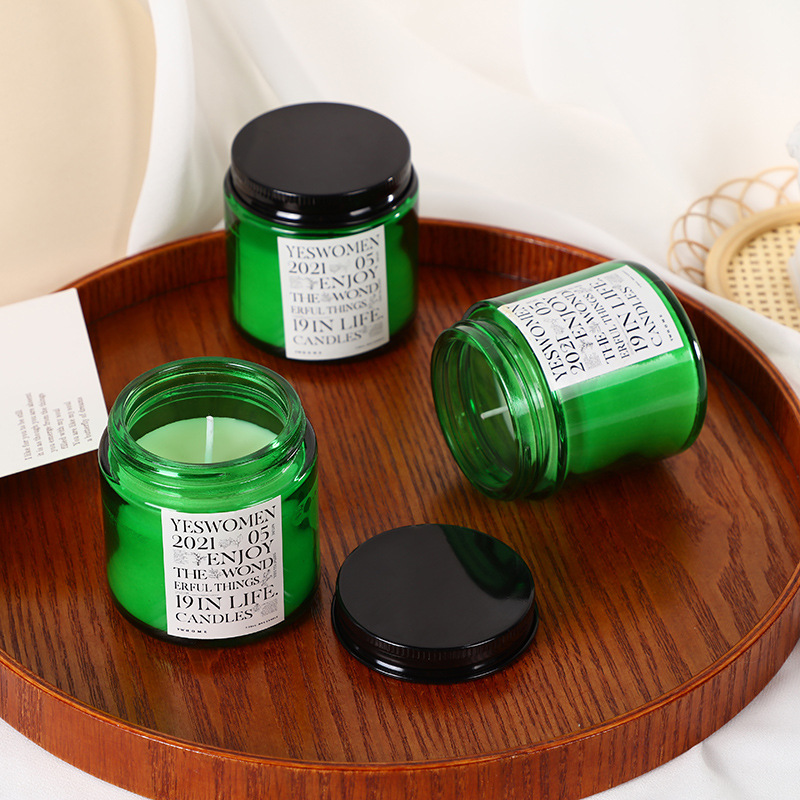 100g Candle Velas Aromaticas in Green Glass Jar Scented Candles
-
 90g clear Glass Jar Wood Core Candle with Wooden Lid Home Decoration Wedding Birthday Party Scented Candle
-
 120g Fragrances Scented Home Scented Candles Strong Fragrance Long Lasting Aromatherapy Jar Candles

- E-mail: [email protected]
- TEL: +86-021-54730699
- Phone/Whatsapp: +86 136 8173 2008
- ADD: Room 612, Building A, No. 389, Lianming Road, Minhang District, Shanghai, China
To Browse
Mobile terminal
Copyright © Shanghai Hexuanshu Industrial Co., LTD
All Rights Reserved.
Wholesale Private Label Luxury Colour Cosmetic Products
