 Search
 EN
EN
 English
 Español
 عربى
عربى

Optical Interference and Particle Morphology Analysis of Custom Eye Shadow Formulations
Content
Refractive Index Optimization and Shimmer Stability in Synthetic Fluorphlogopite
1. The engineering of Custom Eye Shadow heavily relies on the refractive index (RI) of substrate materials, where synthetic fluorphlogopite (RI ~1.58) provides a higher degree of transparency compared to natural mica (RI ~1.54). 2. When evaluating how refractive index affects eye shadow shimmer intensity, technical architects focus on the reduction of "background noise" or greyness, allowing for a more vivid interference color. 3. The shimmer stability of synthetic fluorphlogopite vs natural mica is superior because the synthetic variant lacks the iron impurities found in earth-mined minerals, which often cause inconsistent color shifts under diverse lighting conditions. 4. Using Custom Eye Shadow formulated with synthetic substrates ensures a Ra surface finish that is exceptionally smooth, as the edges of synthetic particles are physically more regular than their natural counterparts.
Biomechanical Adhesion and Powder Matrix Structural Integrity
1. The structural integrity of talc-free Custom Eye Shadow is maintained through a calculated binder-to-powder ratio, typically utilizing dimethicone or zinc stearate to bridge the gap between micronized pigments. 2. In a comparison of natural mica and synthetic fluorphlogopite in custom makeup, the synthetic version exhibits lower friction coefficients, which directly enhances the blendability and prevents the "patchy" application often seen in high-load natural pigment formulas. 3. Analyzing the pigment volume concentration in Custom Eye Shadow is essential for preventing the crumbling of pressed powders, where a tensile strength threshold must be met to withstand standard drop tests from 80cm. 4. Achieving professional-grade blending with Custom Eye Shadow requires the integration of spherical silica, which acts as a "ball bearing" between the flat interference flakes, reducing drag across the eyelid's micro-texture.
Ocular Safety Protocols and Micronized Mineral Standards
1. To meet ocular safety requirements for Custom Eye Shadow minerals, the average particle size (D50) must be carefully controlled, typically between 10 to 60 micrometers, to avoid corneal abrasion while maximizing light reflection. 2. The impact of particle size on eye shadow opacity is a critical variable; smaller particles increase coverage through higher scattering, whereas larger flakes are utilized specifically for "glitter" effects in high-end formulations. 3. Optimizing Ra surface finish for eye shadow blending involves the removal of jagged edges through mechanical milling, ensuring that the Custom Eye Shadow does not irritate the sensitive mucosal tissues of the eye. 4. Material Performance and Optical Matrix:
| Substrate Material | Refractive Index (RI) | Impurity Content (Fe2O3) |
| Natural Mica | 1.54 - 1.56 | Higher (< 2.0%) |
| Synthetic Fluorphlogopite | 1.58 - 1.59 | Negligible (< 0.01%) |
| Bismuth Oxychloride | 2.15 | N/A |
| Borosilicate Glass | 1.51 | Low |
Spectrophotometric Analysis and Color Constancy
1. The use of Custom Eye Shadow calibrated via L*a*b* color space mapping ensures that Delta E color variance remains below 1.2, providing color constancy across different skin undertones. 2. Reducing corneal irritation with micronized custom eye shadow involves the application of a thin layer of Lauroyl Lysine or Methicone to each particle, which chemically buffers the mineral from the skin's moisture barrier. 3. Custom Eye Shadow longevity is measured by its resistance to sebum-induced degradation, where hydrophobic coatings on the interference pigments prevent the "dulling" effect caused by oil absorption during 12-hour wear cycles.
Hardcore FAQ
1. Why does synthetic fluorphlogopite feel smoother than natural mica? Natural mica is a mined mineral with irregular, jagged edges at the microscopic level. Synthetic fluorphlogopite is lab-grown, resulting in perfectly flat, uniform plates with smooth edges that decrease friction. 2. Does a higher refractive index always mean better sparkle? Not necessarily. While a higher RI increases reflection, it must be balanced with transparency. Synthetic fluorphlogopite is preferred because it is more transparent than natural mica, allowing light to pass through and reflect off multiple layers of coating (like TiO2) without being absorbed by impurities. 3. How do you prevent Custom Eye Shadow from cracking in the pan? We optimize the "Pressing Pressure" (typically measured in PSI) and the percentage of liquid binders. If the powder is too dry, the tensile strength is insufficient; if too wet, it becomes a "glaze" that won't transfer to the brush. 4. Is synthetic fluorphlogopite eco-friendly? Yes, because it does not involve the ethical concerns of child labor often associated with natural mica mining. Furthermore, its production in a controlled environment ensures a high-purity product that meets strict heavy metal limits (Pb < 10ppm). 5. Can I use Custom Eye Shadow if I wear contact lenses? Yes, provided the formula uses "bound" glitters rather than loose particles. Our engineering process ensures that micronized minerals are coated in binders to minimize "fallout" that could otherwise enter the eye.
Technical References
1. ISO 22716:2007: Cosmetics — Good Manufacturing Practices (GMP) — Guidelines on Good Manufacturing Practices. 2. ASTM E284-17: Standard Terminology of Appearance (covering refractive index and shimmer). 3. FDA 21 CFR Part 73: Listing of Color Additives Exempt from Certification (specifically Subpart C for Cosmetics).
-
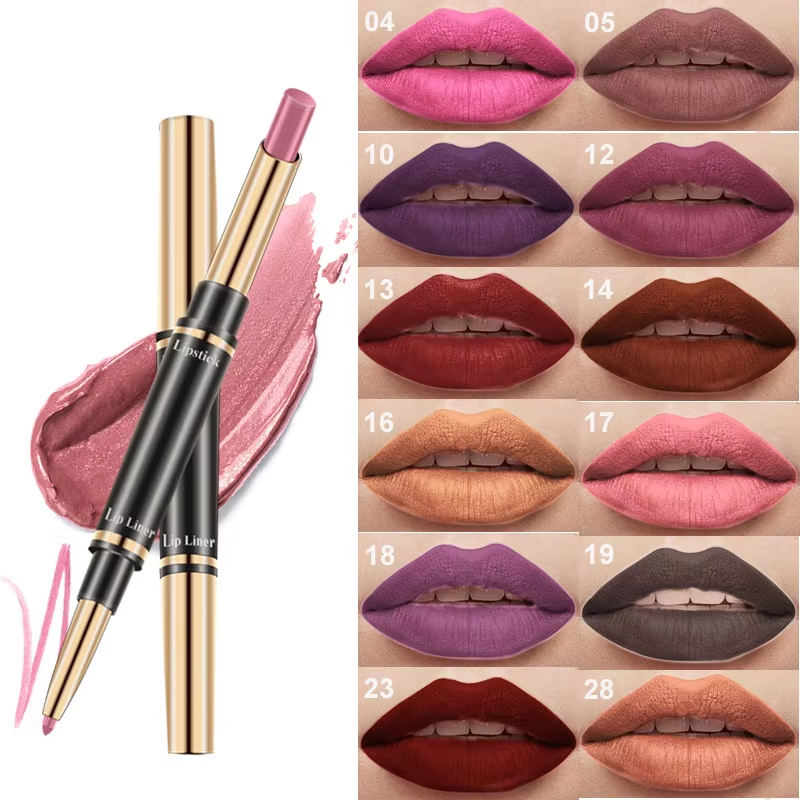 12 Colors Matte Double Heads Waterproof Lipstick and Lip Liner 2 in 1 Lip Liner
-
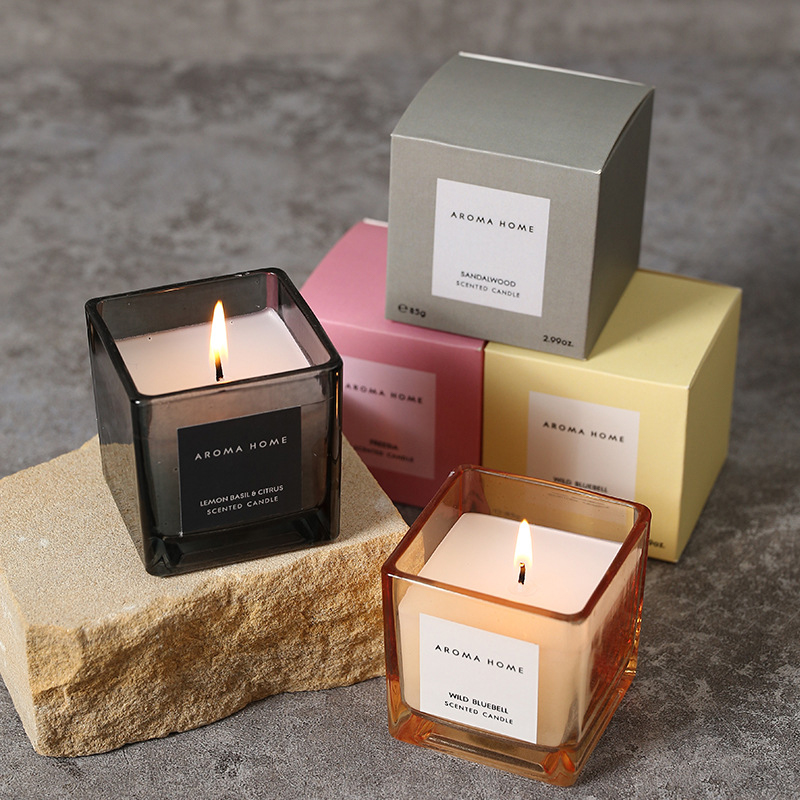 85g Packaging Soy Wax Customised Glass Jar Aromatherapy Aroma Scent Bougie Candle Gift Set for Home Fragrance
-
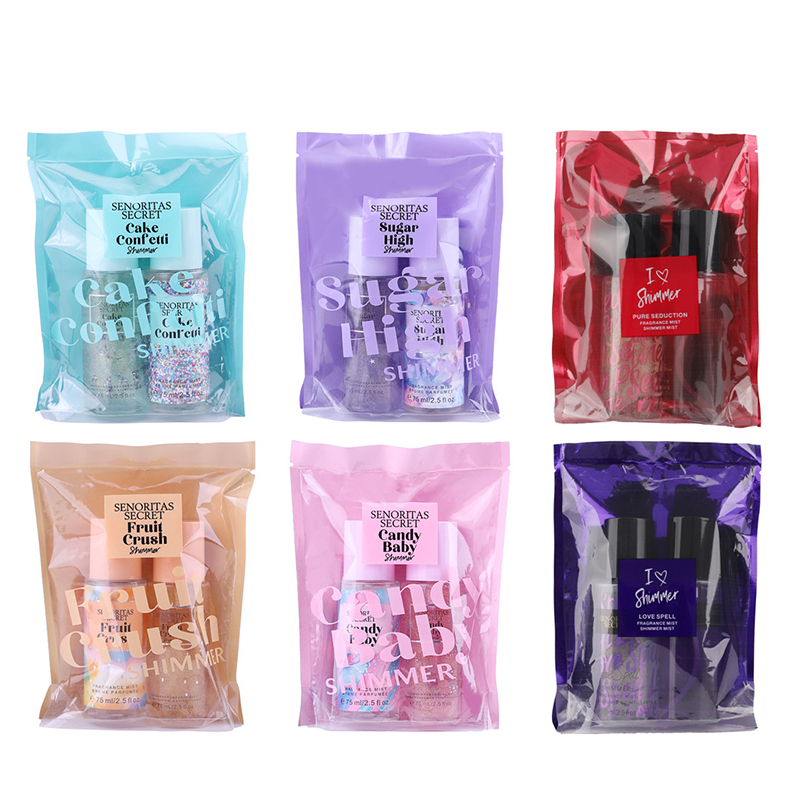 Customize logo Body Mist Collection Perfume Body Spray Secret Body Mist Set 75ml*2
-
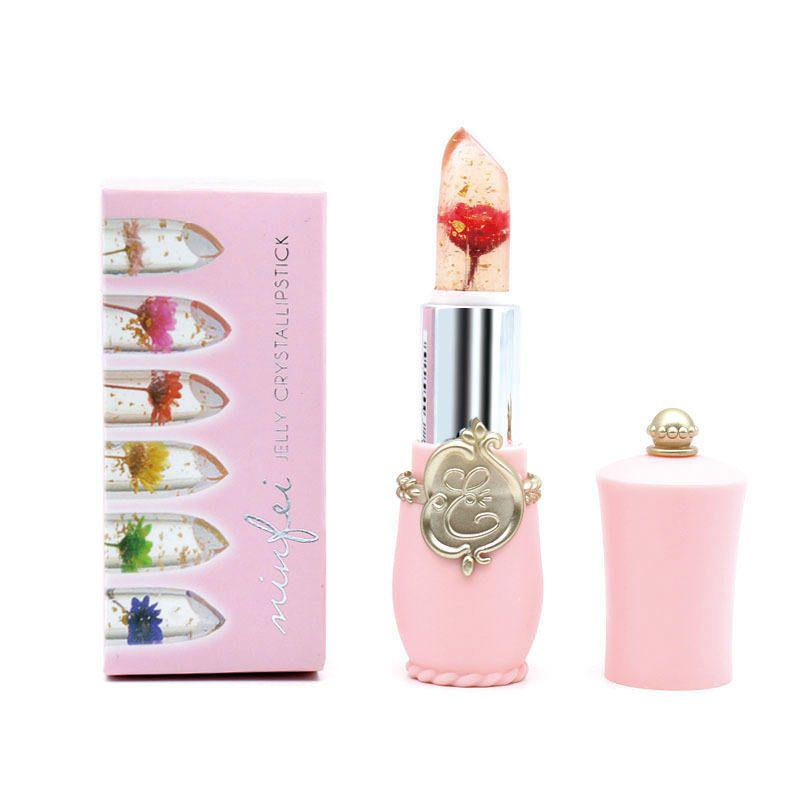 Waterproof 24 Hours Flower Jelly Lipstick 6 colors
-
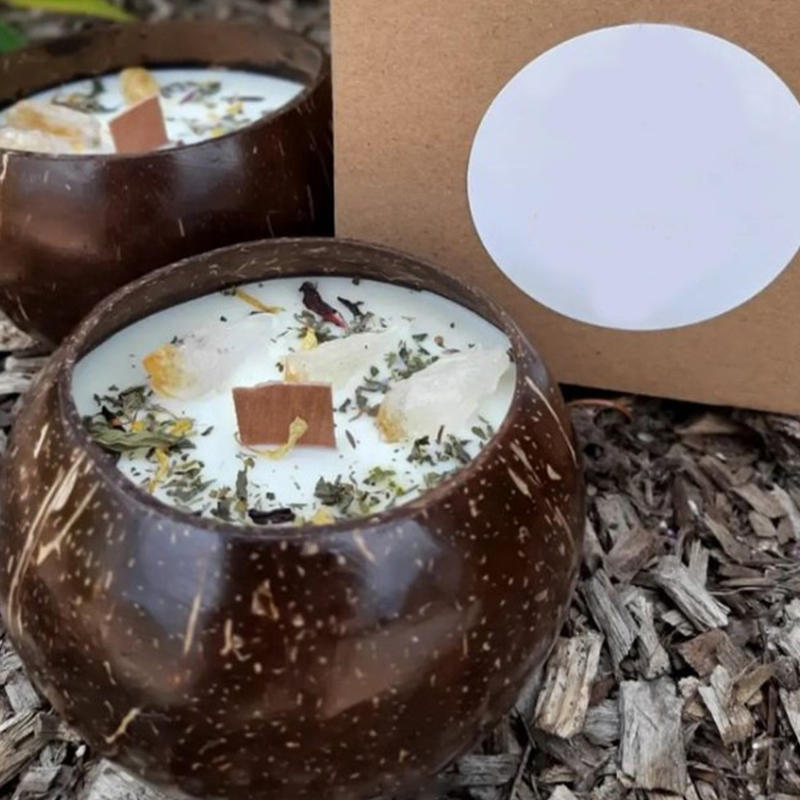 200g Aromatherapy Soy Wax Candle Natural Coconut Shell Long Bedroom Atmosphere Women's Birthday Gift Souvenir Box
-
 Soy Wax Scented Candle for Home Decor 95g

- E-mail: [email protected]
- TEL: +86-021-54730699
- Phone/Whatsapp: +86 136 8173 2008
- ADD: Room 612, Building A, No. 389, Lianming Road, Minhang District, Shanghai, China
To Browse
Mobile terminal
Copyright © Shanghai Hexuanshu Industrial Co., LTD
All Rights Reserved.
Wholesale Private Label Luxury Colour Cosmetic Products
