 Search
 EN
EN
 English
 Español
 عربى
عربى

Custom Lipstick Online Explained: Color Season Analysis & Shade Matching
Content
- 1 What Does "Custom Lipstick Online" Actually Mean?
- 2 Understanding Color Season Analysis
- 3 How Shade Matching Actually Works, Step by Step
- 4 Key Factors Behind a Lipstick's Look and Feel
- 5 How Can I Find a Lipstick That Suits Me?
- 6 Which Lip Color Makes You Look Younger?
- 7 What Color Lipstick Goes With Everything?
- 8 Where This Kind of Color Matching Shows Up in Daily Life
- 9 Custom Matching Compared With Choosing From a Fixed Display
- 10 A Little Background on Where Shade Matching Came From
- 11 Common Misconceptions About Finding "Your" Lip Color
- 12 Key Takeaway
- 13 Frequently Asked Questions
Beauty & Color Science Explained
What Does "Custom Lipstick Online" Actually Mean?
The phrase custom lipstick online describes a process where a lip color is built around one person's specific coloring, rather than chosen from a small, fixed set of shades sitting on a shelf. Instead of picking the closest match from a limited display, a person answers questions or uploads information about their skin, and a shade is formulated to sit closer to what actually suits their natural coloring.
For most people, choosing a lip color has traditionally meant standing in front of a display, testing a handful of shades on the back of the hand, and hoping the color translates well once applied to the lips under normal daylight. This approach works reasonably well when the display already carries a shade close to what suits the person, but it becomes far less reliable when someone's coloring falls between the categories a typical range was designed around. A more individualized approach starts from the opposite direction, beginning with the person's own coloring and building a shade around it rather than asking the person to find the closest fit among options decided in advance.
This idea sits at the intersection of two older fields: cosmetic chemistry, which studies how pigments, waxes, and oils combine to create a wearable color, and color theory, which studies how different hues interact with skin, eyes, and hair. A custom lipstick online service essentially uses the second field to guide decisions made in the first, so the resulting shade is not just attractive in the abstract but specifically suited to the person wearing it.
Understanding Color Season Analysis
Color season analysis is a framework that groups people's natural coloring, meaning their skin undertone, hair color, and eye color together, into four broad categories borrowed from the seasons: spring, summer, autumn, and winter. The idea is not that a person's skin literally resembles a season, but that certain combinations of warmth, depth, and contrast in a person's natural coloring tend to be flattered by a similarly toned set of colors, in the same way a "warm" afternoon light and a "cool" winter morning light change how the exact same object appears.
Skin undertone, one of the most important factors in this framework, refers to the subtle color beneath the surface of the skin rather than its surface tone, which can change with a tan or with the seasons. Undertones are generally described as warm, meaning they lean toward yellow or golden, cool, meaning they lean toward pink or blue, or neutral, meaning they show a balance of both. A simple, commonly used way to check undertone is to look at the veins on the inside of the wrist in natural light, greenish veins tend to suggest a warmer undertone, while bluish or purplish veins tend to suggest a cooler one. Jewelry preference is sometimes used as a secondary clue as well, since people with warmer undertones often find gold jewelry blends more naturally with their skin, while people with cooler undertones often find silver jewelry does the same.
| Season | Typical Undertone | General Coloring Traits | Lip Shades Often Flattering |
|---|---|---|---|
| Spring | Warm | Light to medium coloring with golden warmth | Warm coral, peach, light warm pink |
| Summer | Cool | Soft, muted coloring with a gentle contrast | Soft rose, mauve, cool muted pink |
| Autumn | Warm | Rich, deep warmth with golden or reddish undertones | Terracotta, brick red, warm brown-red |
| Winter | Cool | High contrast between skin, hair, and eye color | True red, deep berry, cool-toned plum |
It is worth noting that this system is a starting point rather than a strict rule. Many people show traits that blend two seasons, and personal preference, occasion, and skin condition all play a role that a four-category system cannot fully capture on its own. What the framework is genuinely useful for is narrowing an overwhelming range of possible shades down to a smaller, more relevant group before fine-tuning within it.
The four categories are usually split further into warm-versus-cool and soft-versus-clear pairings. Spring and autumn share a warm undertone but differ in intensity, spring coloring tends to be lighter and brighter, while autumn coloring tends to be deeper and more muted. Summer and winter share a cool undertone but differ in contrast, summer coloring is generally softer with less difference between skin, hair, and eye color, while winter coloring shows sharper contrast, such as very dark hair paired with fair skin. Recognizing which pairing a person leans toward, warm or cool first, then soft or clear second, is often a faster way to narrow things down than trying to identify a single season outright.
How Shade Matching Actually Works, Step by Step
Behind the scenes, building a lip color suited to one person follows a fairly logical sequence, even though the process can look like guesswork from the outside.
The process typically begins with gathering information about the person's coloring, whether through a guided questionnaire, a photograph taken in natural light, or a simple description of skin undertone, hair color, and eye color. This information is used to estimate where the person falls within the color season framework described above, which narrows the practical color range from thousands of possible shades down to a manageable handful. From there, factors like lip pigmentation, meaning the natural color of a person's own lips before any product is applied, and personal preference for warmth, depth, or brightness refine the choice further. Finally, a shade is formulated by blending base pigments, in much the same way a painter mixes primary colors to reach an exact target hue, before being combined with a wax and oil base that determines texture and finish.
That final blending stage is worth explaining in a bit more detail, since it is where the visual identity of a shade is actually decided. Red, yellow, and blue pigments, along with white for lightening and black or brown for deepening, are combined in small measured amounts until the resulting mixture matches the intended target color, which was itself chosen based on the person's undertone and desired depth. A shade meant to suit a warm undertone will typically lean on more yellow or orange-based pigment, while one meant to suit a cool undertone will lean on more blue or pink-based pigment. Because even small shifts in these ratios change how a color reads against skin, this stage often involves several rounds of adjustment before the final formula is locked in.
Key Factors Behind a Lipstick's Look and Feel
Two lipsticks can share nearly the same color on paper and still look completely different once worn, because color is only one of several factors at play. The table below breaks down what each of these factors actually means in practice.
| Factor | What It Means in Practice |
|---|---|
| Pigment Concentration | How much color payoff shows up in a single swipe, higher concentration generally means a bolder, more opaque result. |
| Undertone of the Shade | Whether the color itself leans warm, cool, or neutral, which determines how it interacts with a person's own skin undertone. |
| Finish | Whether the surface looks matte, satin, or glossy once applied, which changes how light reflects off the lips. |
| Base Formula | The blend of waxes and oils that determines comfort, moisture level, and how long the color lasts through the day. |
| Natural Lip Pigment | The color of the lips underneath the product, which can shift the final result lighter or darker than the shade looks in its container. |
Finish deserves a closer look on its own, since it changes the perceived color as much as the pigment does. A matte finish absorbs more light and reflects less, which tends to make a color look flatter and more saturated but can also draw attention to dry or textured lips. A satin finish sits between matte and gloss, offering some light reflection without a heavy shine, which tends to make colors look slightly softer than their matte equivalent. A glossy finish reflects the most light and often makes a shade appear lighter and more translucent than the same pigment would look in a matte formula, since the shine itself scatters some of the color's visual intensity.
How Can I Find a Lipstick That Suits Me?
Beyond formal color season analysis, there are a few practical checks anyone can use. Testing a shade against the inside of the wrist, close to where undertone is checked, gives a rough sense of whether a color leans too warm or too cool before it ever touches the lips. Comparing a shade in daylight rather than indoor lighting matters as well, since warm indoor bulbs can make a cool-toned shade look warmer than it truly is, and the reverse is true under cooler LED lighting. It also helps to think about contrast rather than just color: a shade that is close in depth to a person's natural lip and skin tone will read as soft and understated, while a shade with more contrast against the skin will stand out as a clear, deliberate statement.
Choosing a shade through a custom lipstick online process folds several of these checks into one guided sequence, which is useful for anyone who finds the sheer number of shade options in a typical display overwhelming rather than helpful.
Which Lip Color Makes You Look Younger?
There is no single shade that makes every person look younger, but there are a few well-understood color principles that tend to have that visual effect. Shades with a slightly warm, rosy undertone often soften the appearance of the lips compared with very dark or very cool-toned shades, which can sometimes emphasize fine lines by creating sharp contrast against the surrounding skin. Lighter, more hydrating finishes also tend to read as fresher than a heavily matte, flat finish, since matte textures can settle into fine lines more visibly over the course of a day. This does not mean darker or matte shades should be avoided, only that the visual softness of a rosier, more hydrated look is one of the more consistent factors associated with a fresher appearance. Skin tone contrast plays a role here too, a shade that is too far from a person's natural lip and skin depth can draw more attention to texture and lines than a shade that sits closer to their own natural coloring while still adding a touch of color.
What Color Lipstick Goes With Everything?
Shades often described as universally wearable tend to share one trait: a balanced undertone that leans neither strongly warm nor strongly cool, paired with a medium depth that is neither extremely light nor extremely dark. A muted rose or a soft, brick-leaning pink often falls into this category, since the undertone is close enough to neutral that it does not clash sharply with most skin tones, and the moderate depth keeps it appropriate for both casual and more formal settings. It is worth noting that "goes with everything" describes ease of coordination with an outfit or occasion, not necessarily the single most flattering shade for every individual, since flattering color still depends heavily on a person's own undertone and contrast level. A useful way to think about it is that a versatile shade minimizes the chance of visible clashing across many situations, while a truly flattering shade is chosen specifically to complement one person's coloring, and the two goals do not always point toward the exact same result.
Where This Kind of Color Matching Shows Up in Daily Life
Shade matching built around a person's coloring shows up in more places than people often realize. Someone preparing for a wedding or a formal event might use it to find a shade that photographs well under flash and reads correctly in printed photos afterward, since certain shades can shift noticeably under camera flash compared with how they look in a mirror. Someone building a small, everyday makeup routine might use it to settle on one or two reliable shades rather than repeatedly buying colors that end up unused in a drawer. It also comes up in gifting, where choosing a shade for someone else is notoriously difficult without knowing their coloring, and a guided matching process removes much of that guesswork. Some people also use it seasonally, adjusting toward warmer, deeper shades in autumn and winter and lighter, fresher shades in spring and summer, mirroring the same undertone logic used in color season analysis itself.
Skin tone can also shift gradually over the course of a year, whether from sun exposure, seasonal changes, or simply aging, and a shade that once matched perfectly can drift slightly out of sync with a person's current coloring. Revisiting the matching process periodically through a custom lipstick online process is one practical way to keep a go-to shade aligned with how a person's coloring actually looks now, rather than relying on a match made several years earlier.
Custom Matching Compared With Choosing From a Fixed Display
Both approaches aim for the same outcome, a shade that looks good on the person wearing it, but they start from different points, and understanding that difference makes it easier to decide which one fits a given situation. The comparison below outlines the practical differences.
| Approach | Starting Point | Typical Result |
|---|---|---|
| Custom Shade Matching | Begins with the person's undertone, coloring, and preferences | A shade built around one individual's coloring specifically |
| Fixed Display Selection | Begins with a pre-set range of shades already produced | The closest available match within a limited set of options |
Neither approach is inherently better in every situation, choosing from a display can be faster when a person already knows exactly which shade they want, while a matching process is more useful when someone is uncertain or has struggled in the past to find a shade that looks right on them specifically.
A Little Background on Where Shade Matching Came From
Lip color itself has a long history stretching back thousands of years, but the idea of scientifically matching a shade to an individual's coloring is a much more recent development. Early color theory, developed largely for painting and textile dyeing, established the basic language of warm and cool tones, contrast, and undertone that beauty color matching later borrowed directly. As cosmetic chemistry advanced through the twentieth century, formulators gained finer control over pigment blending, making it possible to produce subtle variations of a single hue rather than only a handful of broad shade categories. The rise of accessible online tools in more recent years combined these two threads, letting a person answer a guided set of questions from home and receive a shade built around the answers, rather than needing to physically test a wide range of products in person to reach the same result.
The color season framework specifically traces back to broader personal color analysis systems originally developed for clothing and textiles, long before it was applied to lip color specifically. Stylists and image consultants used similar season-based groupings to recommend clothing colors that complemented a person's natural coloring, and the same underlying logic, that certain warmth and contrast levels flatter certain coloring types, translated naturally once applied to cosmetics rather than fabric.
Common Misconceptions About Finding "Your" Lip Color
A few misunderstandings come up often. One is that undertone is fixed and easy to identify at a glance, when in reality lighting, tanning, and even the color of nearby clothing can make undertone genuinely difficult to judge without a careful check. Another is that a flattering shade must closely match the natural lip color, when in fact contrast, not similarity, is often what makes a shade look intentional and put-together rather than washed out. A third misconception is that color season analysis assigns someone permanently to one narrow category, when in practice many people sit between two seasons and can wear shades from either with good results. A fourth misconception is that a shade seen on a screen, whether in a photograph or a video, will look identical once applied, when screen brightness, color calibration, and camera settings can all shift how a shade appears compared with how it looks in person under natural light.
Key Takeaway
Finding a lip shade that genuinely suits a person is less about memorizing a list of "flattering colors" and more about understanding a few underlying factors: undertone, contrast, pigment concentration, and finish. Color season analysis offers a useful starting framework, but the details of pigmentation, lighting, and personal preference are what ultimately shape a shade into something that looks intentional rather than accidental. Whether that shade comes from a guided matching process or careful in-person testing, the same underlying color principles apply either way, and understanding them once tends to make every future shade decision faster and less uncertain.
Frequently Asked Questions
- How can I find a lipstick that suits me?
- Start by identifying your skin undertone, check a shade in natural daylight rather than indoor lighting, and consider how much contrast you want between the shade and your natural lip and skin tone.
- Which lip color makes you look younger?
- Shades with a warm, rosy undertone and a hydrating rather than flat matte finish tend to read as softer and fresher, since they create less harsh contrast against fine lines.
- What color lipstick goes with everything?
- A muted rose or brick-leaning pink with a balanced undertone and medium depth tends to coordinate easily across different outfits and occasions.
- What is color season analysis?
- It is a framework that groups natural coloring into four categories, spring, summer, autumn, and winter, based on warmth, depth, and contrast, to help narrow down flattering color choices.
- How do I check my skin undertone at home?
- Looking at the veins on the inside of your wrist in natural light is a simple starting point, greenish veins often suggest a warmer undertone, while bluish or purplish veins often suggest a cooler one.
- Does lipstick finish affect how a color looks?
- Yes, matte, satin, and glossy finishes reflect light differently, which can make the same underlying pigment appear noticeably different once applied.
- Can I wear a shade outside my color season?
- Yes, color season analysis is a helpful starting guide rather than a strict rule, and many people comfortably wear shades from more than one season.
-
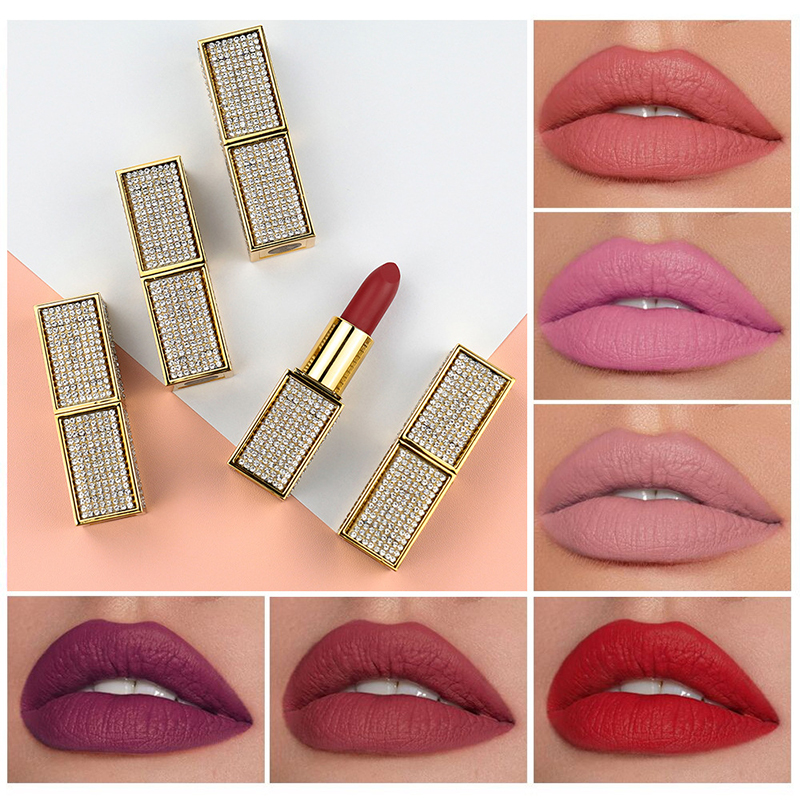 Oem Low Moq 13 Colors Moisturizing Longlasting Customized Logo Label Vegan Nude Matte Lip Stick Lipstick
-
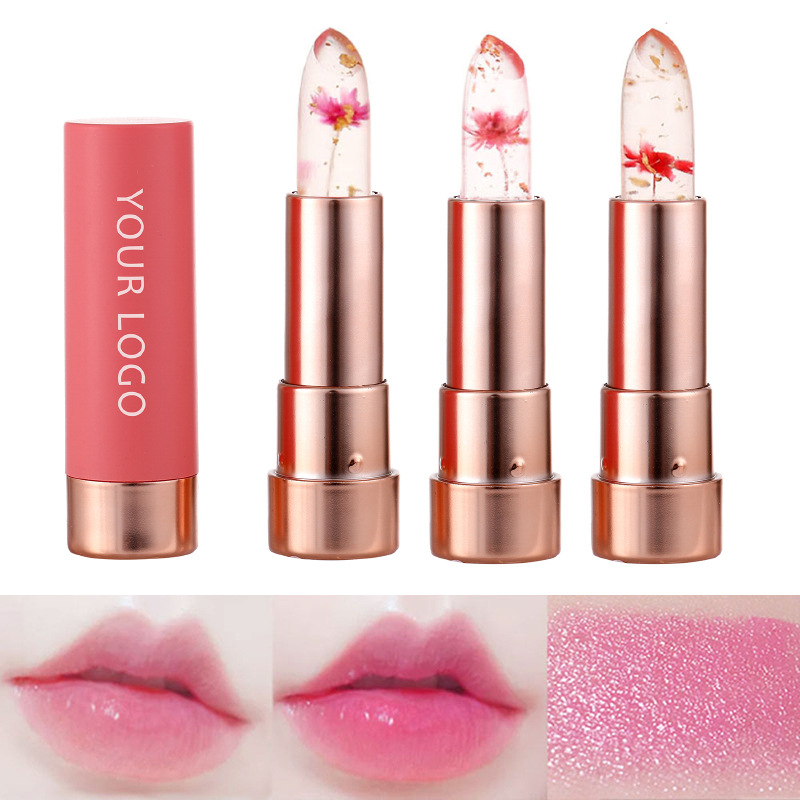
Color Changing Jelly Lipstick clear with Flower
-
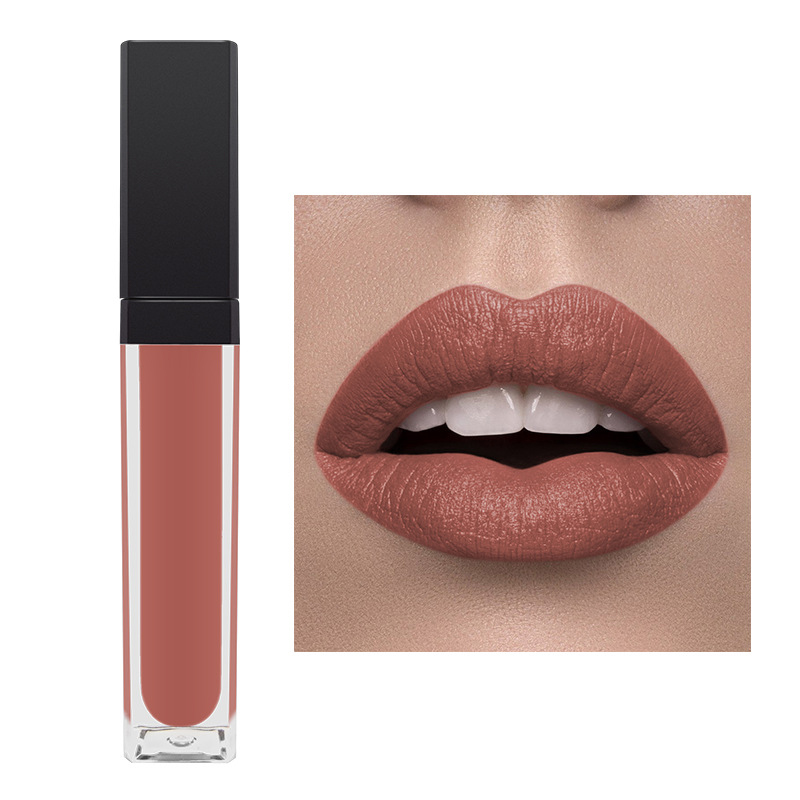 Customize Lipstick Lipgloss Waterproof Metllic Makeup Lip Gloss Matte 33 colors
-
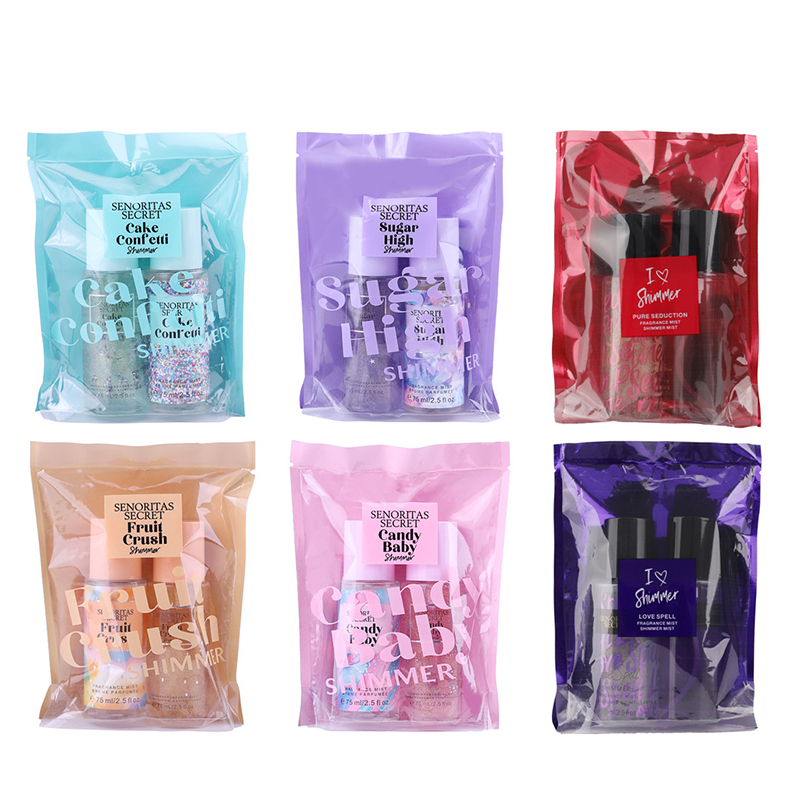 Customize logo Body Mist Collection Perfume Body Spray Secret Body Mist Set 75ml*2
-
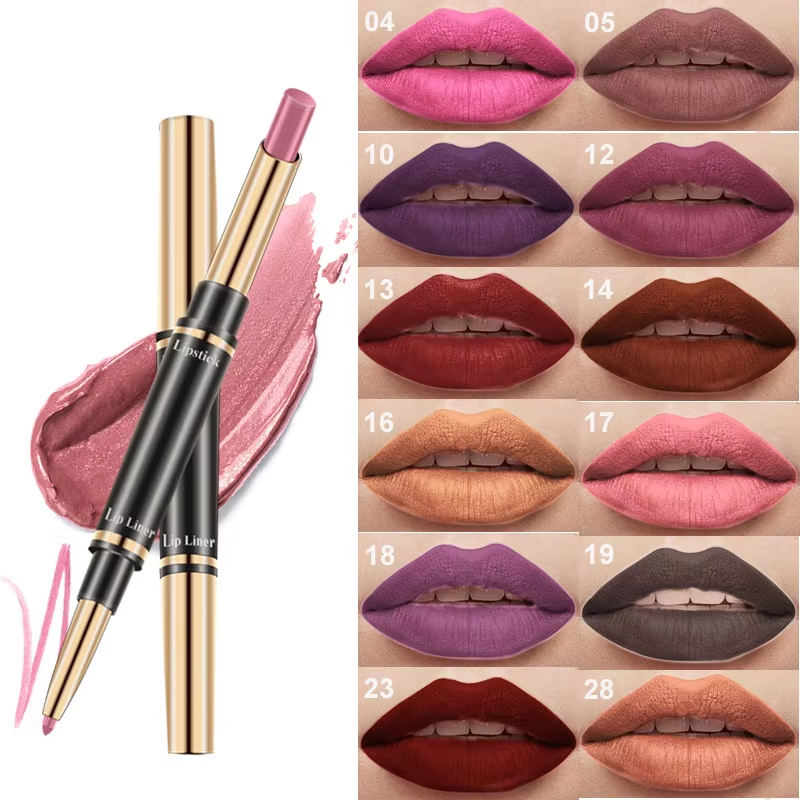 12 Colors Matte Double Heads Waterproof Lipstick and Lip Liner 2 in 1 Lip Liner
-
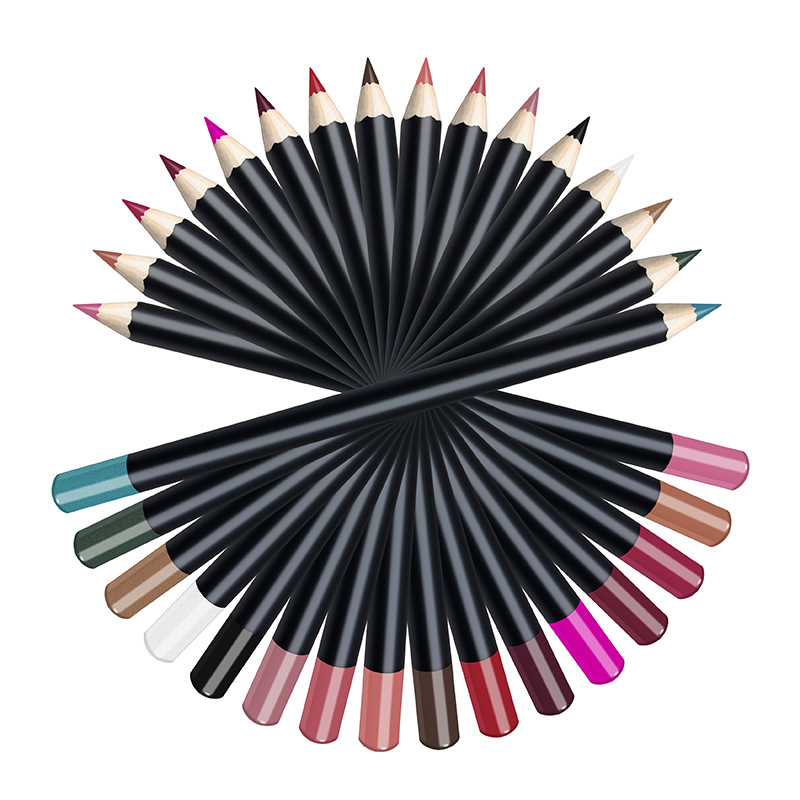 Lip Liner 3 in 1 Function Eyeliner Available 21 Color Lip Pencil Lipstick No Logo

- E-mail: [email protected]
- TEL: +86-021-54730699
- Phone/Whatsapp: +86 136 8173 2008
- ADD: Room 612, Building A, No. 389, Lianming Road, Minhang District, Shanghai, China
To Browse
Mobile terminal
Copyright © Shanghai Hexuanshu Industrial Co., LTD
All Rights Reserved.
Wholesale Private Label Luxury Colour Cosmetic Products
