 Search
 EN
EN
 English
 Español
 عربى
عربى

How to Build a Successful Private Label Eyebrow Line?
Content
- 1 Understanding the Private Label Eyebrow Category
- 2 Key Technical Specifications for B2B Buyers
- 3 Regulatory Compliance and Safety Standards
- 4 Supply Chain and Minimum Order Quantities
- 5 Customization Levels and Lead Times
- 6 Quality Control Protocols
- 7 Conclusion
- 8 Frequently Asked Questions (FAQ)
- 9 References
Beauty entrepreneurs and retail buyers face a competitive market. Creating a unique brand requires quality products that stand out. A private label eyebrow program offers a direct path to market without investing in manufacturing infrastructure. This article provides an engineer-level guide to developing, sourcing, and launching an eyebrow product line. We focus on formulation science, packaging engineering, supply chain validation, and regulatory compliance for B2B buyers and brand owners.
Understanding the Private Label Eyebrow Category
A private label eyebrow arrangement involves a manufacturer producing products that another company brands and sells as its own. This model allows businesses to focus on marketing, distribution, and customer relationships while leveraging established manufacturing expertise. The eyebrow category includes pencils, pomades, gels, powders, pens, and waxes. Each format requires different formulation and filling technologies.
For procurement professionals, the key is to identify manufacturers with specialized capabilities. Eyebrow products demand precision in color development, texture control, and application performance.
Core Product Formats and Manufacturing Processes
- Eyebrow Pencils: Wood-cased or mechanical. Manufacturing involves lead extrusion, wood bonding, or plastic injection molding for mechanical pencils.
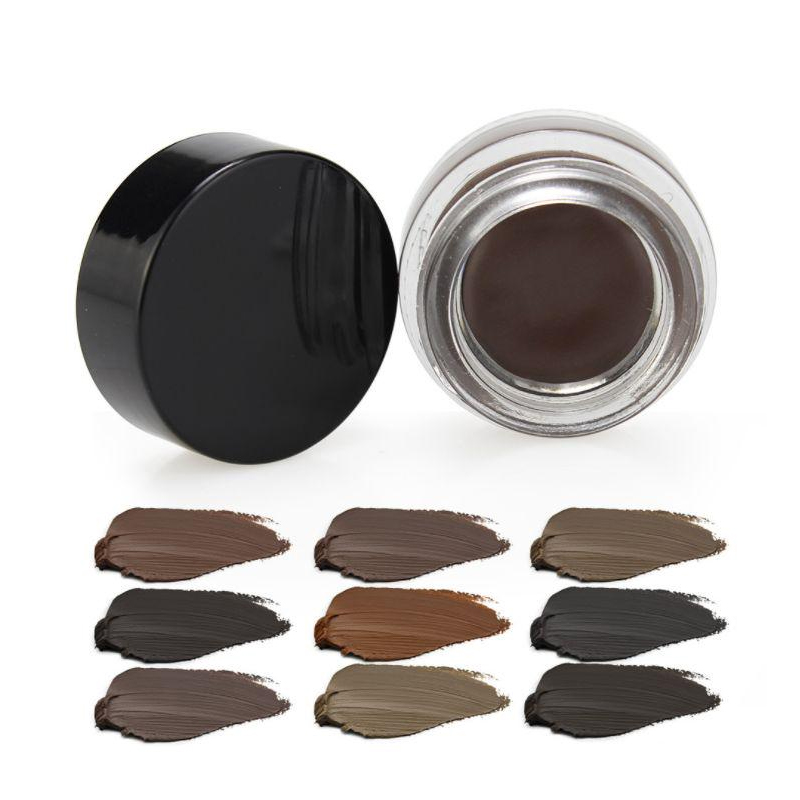
- Eyebrow Pomades and Gels: Cream or liquid formulations filled into jars, pots, or tubes with doe-foot applicators. Hot-pour or cold-fill processes apply.
- Eyebrow Powders: Pressed or loose powder formulations. Pressing requires precise binder ratios and pressure calibration.
- Eyebrow Pens and Markers: Water-based or waterproof liquid formulations with felt or brush tips. Requires stringent microbial control.
- Eyebrow Waxes: Hard or soft wax formulations for professional use. Temperature-controlled filling ensures consistency.
Key Technical Specifications for B2B Buyers
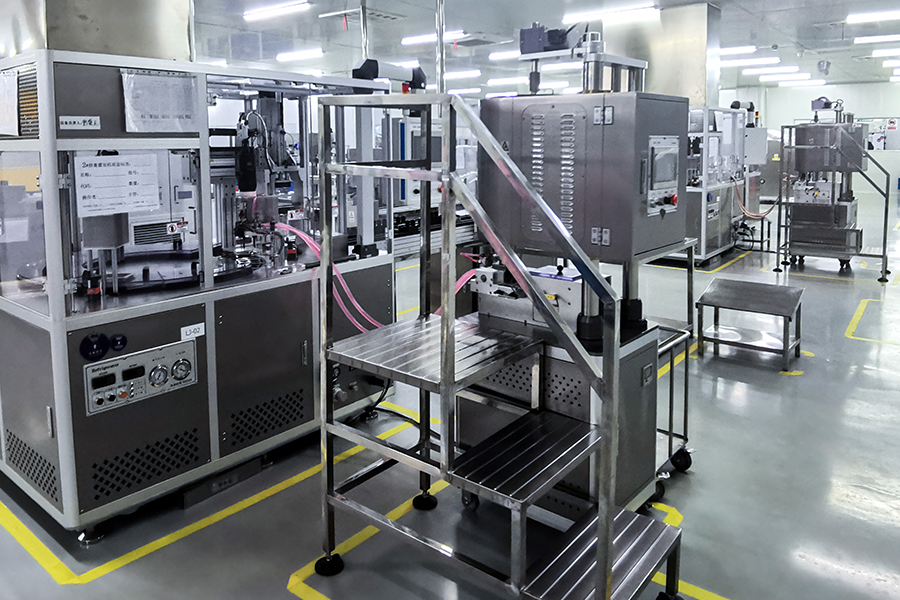
When sourcing a private label eyebrow product line, buyers must evaluate formulation chemistry, packaging engineering, and stability data. These technical factors determine product performance and shelf life.
Formulation Science and Performance Parameters
Eyebrow products require specific rheological properties. For pencils, the lead must be hard enough to shape yet soft enough to deposit color without dragging. For pomades, the formula must remain creamy without migrating or fading. For pens, the ink must dry quickly and resist water without clogging the tip.
Manufacturers should provide stability data from accelerated aging tests. Standard protocols include three months at 45°C to simulate two years of shelf life. Microbial testing per USP 61 and 62 ensures product safety. Preservative efficacy testing verifies that the formula resists contamination during consumer use.
Color Development and Consistency
Color matching is critical in eyebrow products. Consumers expect shade consistency across batches. A private label eyebrow pencil manufacturer must demonstrate color measurement capabilities using spectrophotometers. Delta E (ΔE) values below 1.0 indicate visually indistinguishable color matching.
Typical eyebrow shade ranges include taupe, soft brown, medium brown, dark brown, and black. Some lines also include auburn and grey for specific hair color categories. Manufacturers offering custom color development provide a competitive advantage for brands targeting niche demographics.
Packaging Engineering and Compatibility
Packaging materials must be compatible with formulations. For example, certain essential oils degrade polypropylene over time. For pens, the tip material must not swell or shrink when exposed to the ink formula. Below is a comparison of common packaging materials and their compatibility considerations.
| Packaging Component | Common Material | Compatibility Risk | Testing Required |
|---|---|---|---|
| Mechanical pencil barrel | ABS or SAN plastic | Cracking from plasticizers in the formula | Stress crack testing at 50°C |
| Pomade jar | Glass or PET | Low risk, but lid lining must resist oils | Seal integrity test |
| Pen tip/felt | Polyester or nylon fibers | Ink wicking rate changes over time | Flow rate test after 6 months |
| Gel tube | Laminated aluminum or plastic | Delamination from solvent migration | Storage stability at 40°C/75% RH |
Regulatory Compliance and Safety Standards
Eyebrow products are regulated as cosmetics in most markets. Compliance requirements vary by region. A private label eyebrow supplier must provide documentation for all target markets.
Key Regulatory Requirements
- United States: FDA registration of manufacturing facilities. Product ingredient labeling per 21 CFR 701.3. Cosmetic product listing under the MoCRA (Modernization of Cosmetics Regulation Act).
- European Union: CPNP (Cosmetic Products Notification Portal) notification. Compliance with EU 1223/2009. Safety assessment by a qualified person.
- Canada: Health Canada Cosmetic Notification Form (CNF). Compliance with Cosmetic Regulations.
- Australia: NICNAS (now AICIS) registration for importers and manufacturers.
Reputable manufacturers provide safety data sheets (SDS), certificates of analysis (COA) for each batch, and allergen statements. For brands targeting clean beauty positioning, certifications such as vegan, cruelty-free, and gluten-free require supply chain verification.
Supply Chain and Minimum Order Quantities
Private label programs operate on minimum order quantities (MOQs). MOQs vary by product format and customization level. A private label eyebrow kit requiring multiple SKUs will have higher combined MOQs than single products.
Typical MOQ Ranges by Product Type
- Eyebrow Pencils (mechanical): 3,000–5,000 pieces per shade with custom packaging
- Eyebrow Pomades (jar): 500–1,000 pieces per SKU for standard jar, higher for custom color
- Eyebrow Pens: 10,000–15,000 pieces due to complex assembly
- Eyebrow Powders (pressed): 1,000–2,000 units per shade
- Eyebrow Gels (tube): 3,000–5,000 pieces per SKU
For startups, working with a manufacturer that offers low MOQ private label eyebrow programs reduces initial capital requirements. Some suppliers offer tiered pricing: higher volumes reduce per-unit costs by 20-40%.
Customization Levels and Lead Times
Private label products range from stock formulas with custom packaging to fully custom formulations. Lead times vary accordingly.
Customization Tiers
- Stock (White Label): Existing formula and standard packaging. Custom label only. Lead time: 4–6 weeks.
- Semi-Custom: Stock formula with custom packaging components (custom jar, pencil color). Lead time: 8–12 weeks.
- Fully Custom: Proprietary formula development, custom packaging molds, and shade matching. Lead time: 16–24 weeks.
For brands seeking premium positioning, a private label eyebrow pencil manufacturer offering custom wood casing with a metal ferrule and embossing provides differentiation. The additional tooling costs range from $2,000 to $10,000, depending on complexity.
Quality Control Protocols
Quality assurance protects brand reputation. Professional buyers require documented quality control procedures. Key testing points include:
- Incoming Raw Materials: Identity testing via FTIR spectroscopy. Heavy metal screening per USP 232.
- In-Process Checks: Fill weight verification every 15–30 minutes. Torque testing for closures. Seal integrity inspection.
- Finished Product Testing: Microbial limits per USP 61. Preservative efficacy per USP 51. Stability testing at 25°C and 40°C.
Manufacturers with ISO 22716 (Good Manufacturing Practices for Cosmetics) certification provide audited quality systems. This certification is increasingly required by major retailers.
Conclusion
Building a successful private label eyebrow line requires technical expertise in formulation, packaging, and regulatory compliance. Whether sourcing a private label eyebrow pencil manufacturer for mechanical pencils or developing a private label eyebrow kit with multiple formats, buyers must evaluate manufacturing capabilities, quality systems, and supply chain reliability. By focusing on these technical parameters, brand owners can create products that meet consumer expectations and retail requirements.
Frequently Asked Questions (FAQ)
What is the typical cost breakdown for aprivate-labell eyebrow pencil?
For a mechanical eyebrow pencil with custom color and standard barrel, per-unit costs typically range from $0.80 to $2.50, depending on volume. The cost breakdown includes: raw materials (formula) 25-30%, packaging components 40-45%, labor and overhead 15-20%, and quality control 5-8%. Tooling for custom barrel molds adds a $3,000–$8,000 one-time cost. At 10,000 units, the total landed cost averages $1.20–$1.80 per unit before branding and packaging.
How do I verify a private label manufacturer's quality standards?
Request a site audit or third-party audit report. Look for ISO 22716 (GMP for Cosmetics) certification. Ask for a quality manual and batch production records. Request stability data and microbial testing results for similar products. Reputable manufacturers will provide reference clients. Additionally, request a pilot run or small batch to evaluate product consistency before committing to the full MOQ.
What are the most common formulation issues with eyebrow products?
For pencils, common issues include lead brittleness (too much filler) or excessive softness leading to breakage. For pomades, syneresis (oil separation) indicates emulsion instability. For pens, tip drying or inconsistent ink flow results from viscosity drift or tip material incompatibility. For pressed powders, cracking or crumbling occurs from improper binder distribution or insufficient compression pressure. A qualified manufacturer tests for these issues through accelerated stability programs.
How long does custom shade development take?
Custom shade development typically requires 4–8 weeks from formulation brief to approved sample. The process includes: initial bench formulation (2–3 rounds), stability testing (4 weeks accelerated), and production scale-up validation (2–3 batches). For precise shade matching, spectrophotometer readings should show ΔE under 1.0. Brands should allow 2–3 revision rounds to achieve an exact color match, especially for natural eyebrow shades where undertones (warm, cool, neutral) significantly impact consumer perception.
References
- International Organization for Standardization. (2021). ISO 22716:2007 Cosmetics — Good Manufacturing Practices (GMP).
- U.S. Food and Drug Administration. (2023). Modernization of Cosmetics Regulation Act of 2022 (MoCRA).
- European Commission. (2023). Regulation (EC) No 1223/2009 of the European Parliament and of the Council on Cosmetic Products.
- Personal Care Products Council. (2022). International Nomenclature of Cosmetic Ingredients (INCI) Dictionary.
- U.S. Pharmacopeia. (2023). USP 61: Microbiological Examination of Nonsterile Products.
- Society of Cosmetic Chemists. (2021). Journal of Cosmetic Science: Formulation Stability Testing Protocols.
-
 Fragrance China Branded Perfume Factory 50ML/100ML
-
 30ML*4 Label Long Lasting Body Spray Perfume Gift Set for Women Men 30ml/50ml/100ml
-
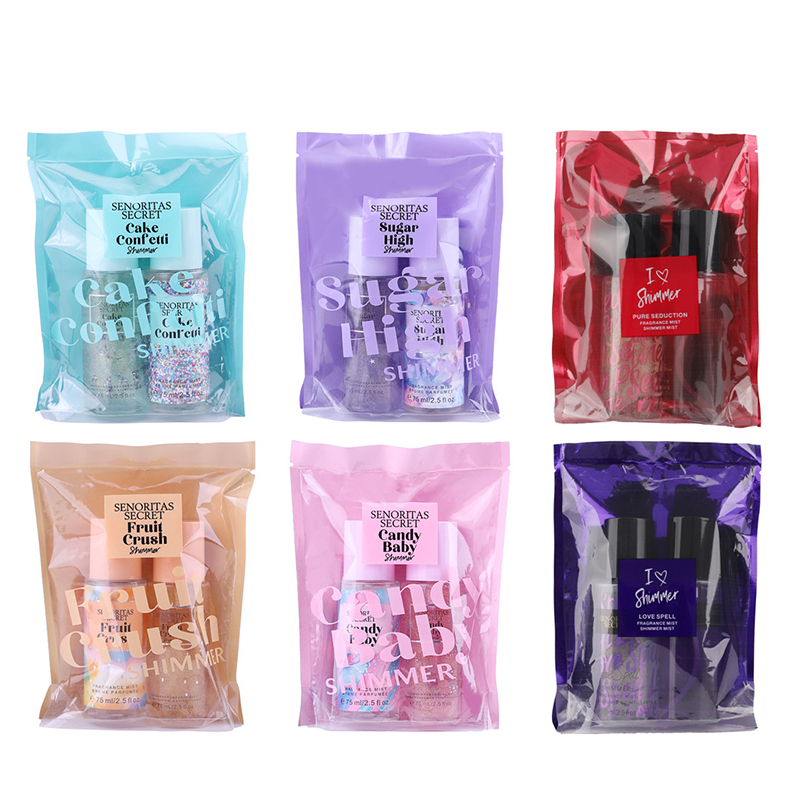 Customize logo Body Mist Collection Perfume Body Spray Secret Body Mist Set 75ml*2
-
 100ml Men Perfume Professional Manufacturer Male Perfume
-
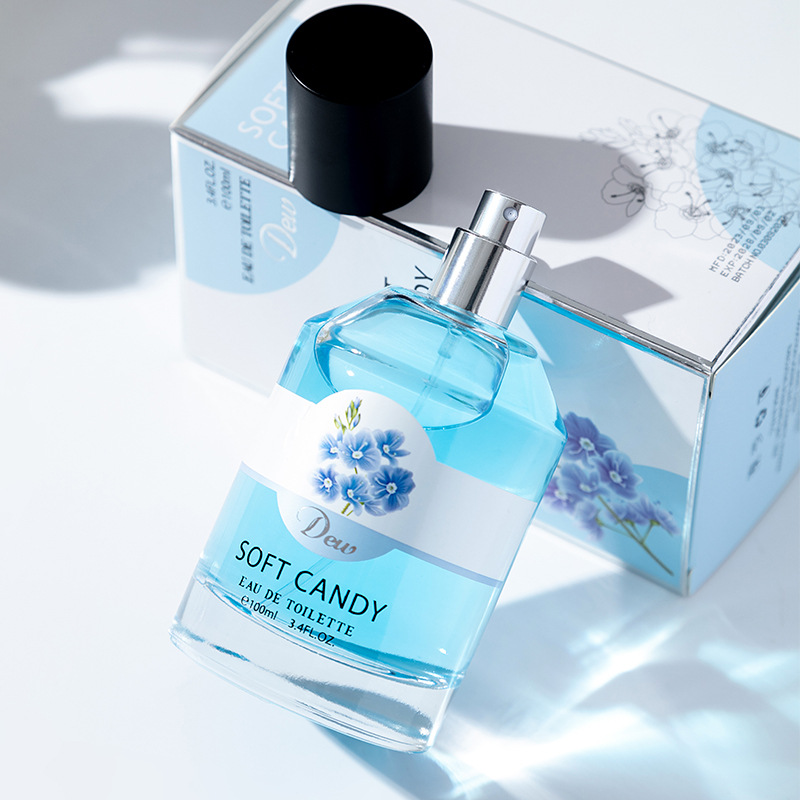 100ml Perfume Logo Make Your Own Brand Smart Collection Perfumes Original Women Perfume
-
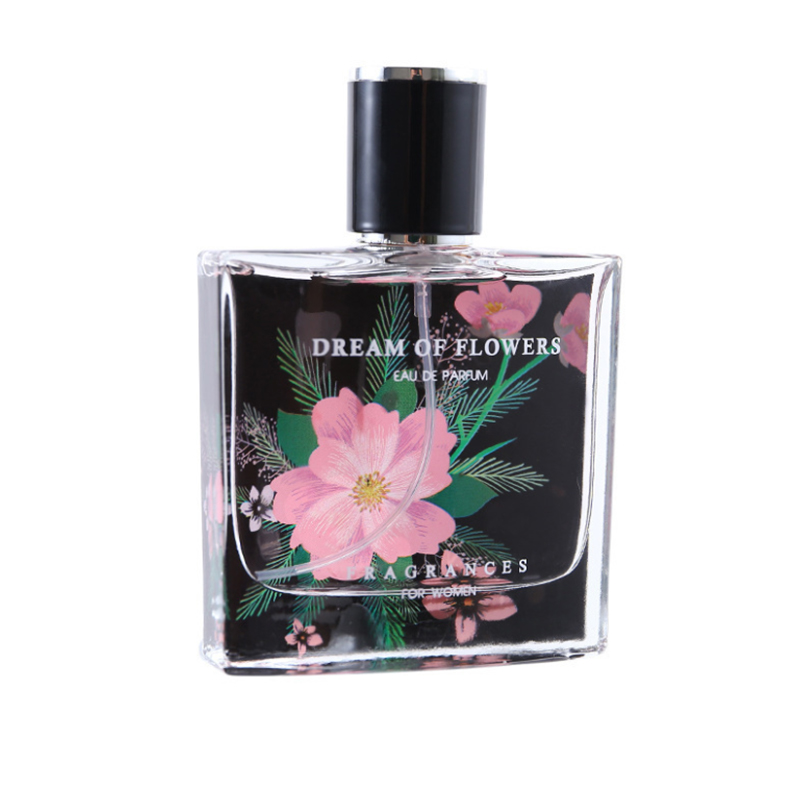 Original Long Lasting Fragrance Flower 50Ml Eau De Perfume for Women

- E-mail: [email protected]
- TEL: +86-021-54730699
- Phone/Whatsapp: +86 136 8173 2008
- ADD: Room 612, Building A, No. 389, Lianming Road, Minhang District, Shanghai, China
To Browse
Mobile terminal
Copyright © Shanghai Hexuanshu Industrial Co., LTD
All Rights Reserved.
Wholesale Private Label Luxury Colour Cosmetic Products
