 Search
 EN
EN
 English
 Español
 عربى
عربى

How to Launch a Private Label Cosmetic Line Successfully?
Content
Market Dynamics and Strategic Entry
The global beauty industry is experiencing a paradigm shift in how products reach consumers. Retailers and entrepreneurs are increasingly bypassing established brands to create their own identities. Establishing a private label cosmetic line allows businesses to control their brand narrative, pricing strategy, and profit margins. This approach has evolved from simple rebranding to a sophisticated supply chain strategy. It empowers retailers to respond quickly to market trends, such as the demand for clean beauty or specific active ingredients, without the lengthy R&D cycles required for ground-up product development.
The Shift Towards Niche Beauty Brands
Modern consumers prioritize authenticity and specialization over mass-market generic products. This behavior drives the demand for niche brands that address specific dermatological concerns or ethical standards. A private label strategy provides the agility to target these micro-segments effectively. By leveraging the technical expertise of established manufacturers, brand owners can focus on marketing and customer engagement.
Manufacturing Models and Development
The foundation of a successful brand lies in the manufacturing partnership. The production route a buyer chooses defines the product's uniqueness and the initial capital required.
Understanding the Cosmetic Contract Manufacturing Process
For buyers seeking proprietary products, the cosmetic contract manufacturing process is the most comprehensive route. It begins with a brief outlining the product's desired texture, active ingredients, and performance claims. Chemists then develop a prototype, which undergoes stability testing and challenge testing to ensure safety. This process ensures the final product is unique to the brand. It requires a longer lead time but offers complete ownership of the formulation. This prevents competitors from selling identical products under a different label.
Custom Formulation Cosmetics vs. Stock Formulas
Buyers must decide between off-the-shelf solutions and bespoke development. Custom formulation cosmetics involve creating a recipe from scratch. This is ideal for brands claiming a unique selling proposition based on a specific ingredient complex. In contrast, white label solutions utilize pre-existing, tested formulas that are ready for branding. The choice involves a trade-off between speed, cost, and exclusivity.
The table below compares these two primary manufacturing approaches.
| Feature | Custom Formulation | White Label (Stock Formula) |
| Exclusivity | High (Unique formula) | Low (Shared by multiple brands) |
| Lead Time | Long (4-12 months for R&D) | Short (2-6 weeks) |
| Minimum Order Quantity (MOQ) | High (Often 1000+ units) | Low (Often 50-100 units) |
| R&D Investment | Significant development fees | Zero to minimal fees |
| Best For | Established brands with unique claims | Startups and quick market entry |
Quality Assurance and Regulatory Compliance
Technical competence in regulatory affairs is non-negotiable in the cosmetic industry. A failure in compliance can lead to legal liability and reputational damage.
Regulatory frameworks vary by region, but they generally focus on safety and labeling accuracy. In the United States, the FDA regulates cosmetics under the Federal Food, Drug, and Cosmetic Act. While pre-market approval is not required for most cosmetics, manufacturers must ensure products are safe for use. Reputable partners adhere to ISO 22716, which outlines Good Manufacturing Practices (GMP) for cosmetics. This standard governs everything from raw material sourcing to hygiene in the production facility.
The Rise of Organic Private Label Cosmetics
Sustainability and "clean beauty" are more than trends; they are technical categories requiring rigorous certification. Organic private label cosmetics require verification from bodies like ECOCERT or COSMOS. This certification process involves auditing the supply chain to verify that ingredients are sourced without synthetic pesticides or fertilizers. Engineers and chemists must reformulate products to preserve efficacy while removing restricted substances like parabens or sulfates. Buyers must verify that the manufacturer holds the necessary certifications to validate organic claims.
Financial Planning and Investment
A data-driven approach to budgeting is essential for B2B buyers. Understanding the total cost of ownership prevents cash flow issues during the launch phase.
Analyzing Private Label Makeup Startup Cost
The private label makeup startup cost encompasses more than just the unit price of the product. Buyers must account for tooling costs, such as molds for custom packaging or printing plates. There are also costs associated with safety assessments, barcode generation, and graphic design. For color cosmetics, the cost varies significantly based on pigment quality. High-performance pigments require more expensive raw materials. A detailed bill of materials (BOM) analysis helps buyers identify areas where cost optimization is possible without compromising quality.
Selecting the Right Partner
The manufacturer is an extension of the brand's team. Due diligence during the selection phase mitigates risk and ensures long-term scalability.
Evaluating White Label Skincare Manufacturers
Not all manufacturers possess the same technical capabilities. When evaluating white label skincare manufacturers, buyers should audit their production capacity. The facility must be able to scale production as the brand grows. It is crucial to request stability data for stock formulas. This data proves the product can withstand temperature fluctuations during shipping. Additionally, the manufacturer's R&D team should be proactive in suggesting trending ingredients, such as hyaluronic acid or retinol alternatives.
Minimum Order Quantities (MOQ) and Scalability
MOQ is a critical negotiation point. High MOQs can tie up capital in inventory, while low MOQs often come with higher unit costs. Buyers should seek flexible partners who offer tiered pricing. This structure allows for smaller initial orders to test the market, with price breaks at higher volume thresholds.
Conclusion
Building a private label cosmetic line is a complex engineering challenge that blends chemistry, regulatory science, and supply chain management. Whether a buyer opts for custom formulation cosmetics or a white label approach, the priority must remain on quality and compliance. By carefully analyzing the private label makeup startup cost and selecting robust manufacturing partners, businesses can establish a sustainable presence in the competitive beauty market. Technical rigor in the selection and development process ensures that the final product meets both consumer expectations and safety standards.
Frequently Asked Questions
- What is the difference between private label and contract manufacturing?
- Private label typically involves selling a manufacturer's existing stock formula under the buyer's brand. Contract manufacturing involves creating a unique formula from scratch specifically for the buyer, often requiring higher investment and MOQs.
- Are private label cosmetics tested on animals?
- This depends on the manufacturer and the target market. Many manufacturers are now certified "cruelty-free." However, if products are sold in regions like mainland China where animal testing may be required by law, the status changes. Buyers must clarify these requirements in their contract.
- How long does it take to launch a product?
- For white label products, the timeline can be as short as 4 to 6 weeks. For custom formulations, the process can take 4 to 12 months due to research, prototyping, stability testing, and regulatory documentation.
- Do I need product liability insurance?
- Yes, product liability insurance is essential for any cosmetic brand. While the manufacturer carries their own insurance, the brand owner is responsible for the product once it enters the market. Insurance protects against claims related to allergic reactions or adverse effects.
References
- U.S. Food and Drug Administration. (2022). Cosmetic Labeling and Label Claims. FDA.
- International Organization for Standardization. (2007). ISO 22716:2007 Cosmetics — Good Manufacturing Practices (GMP). ISO.
- Geils, J. (2019). The Business of Beauty: A Guide to Private Label Manufacturing. Allured Books.
- ECOCERT. (2021). COSMOS Standard for Organic and Natural Cosmetics. ECOCERT Greenlife.
- Personal Care Products Council. (2023). Global Regulatory Landscape for Cosmetics. PCPC.
-
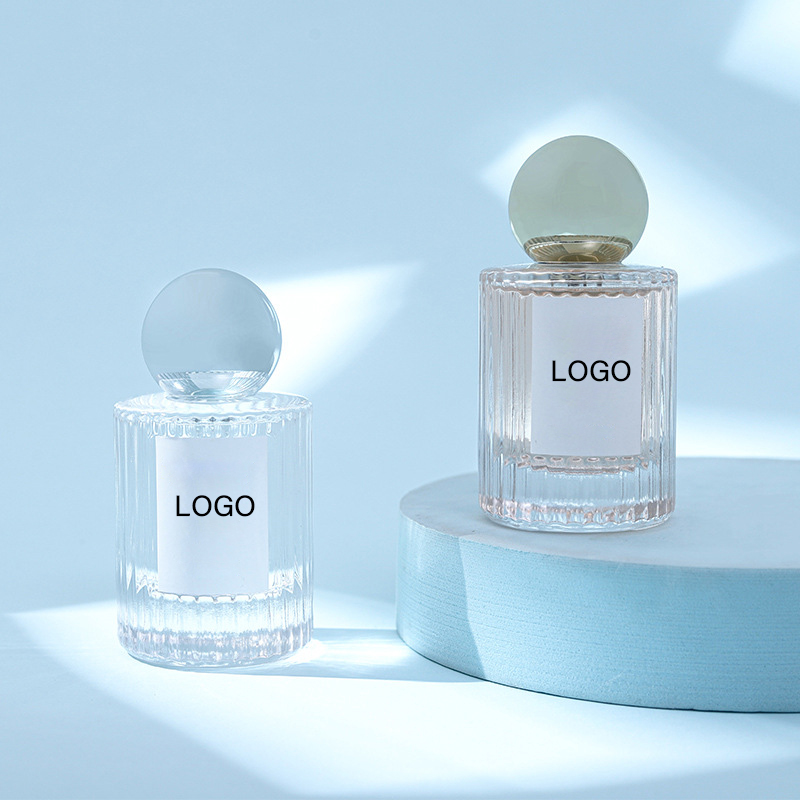 Fragrance China Branded Perfume Factory 50ML/100ML
-
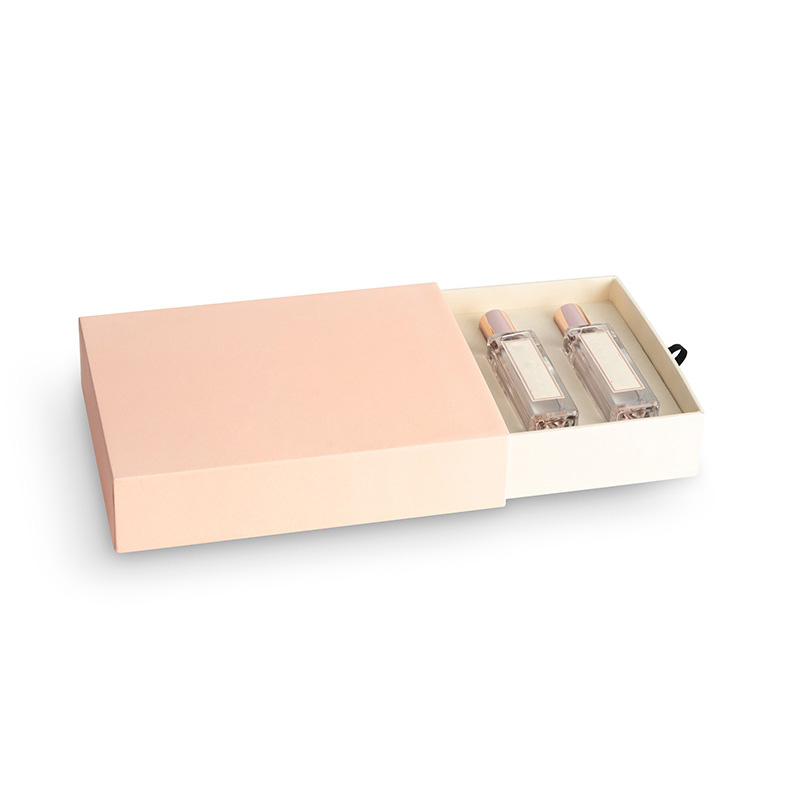 30ML*4 Label Long Lasting Body Spray Perfume Gift Set for Women Men 30ml/50ml/100ml
-
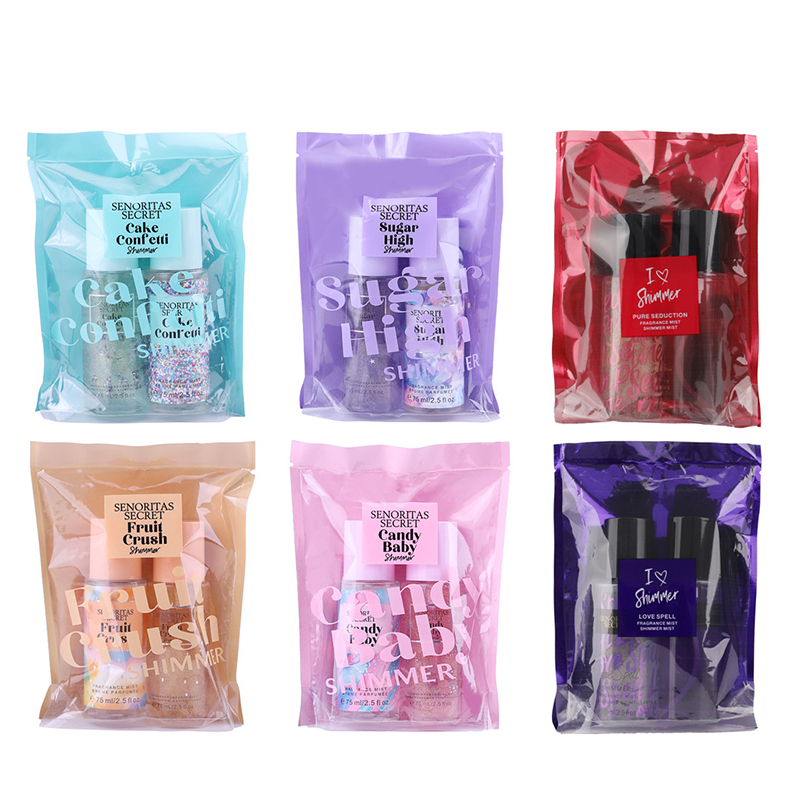 Customize logo Body Mist Collection Perfume Body Spray Secret Body Mist Set 75ml*2
-
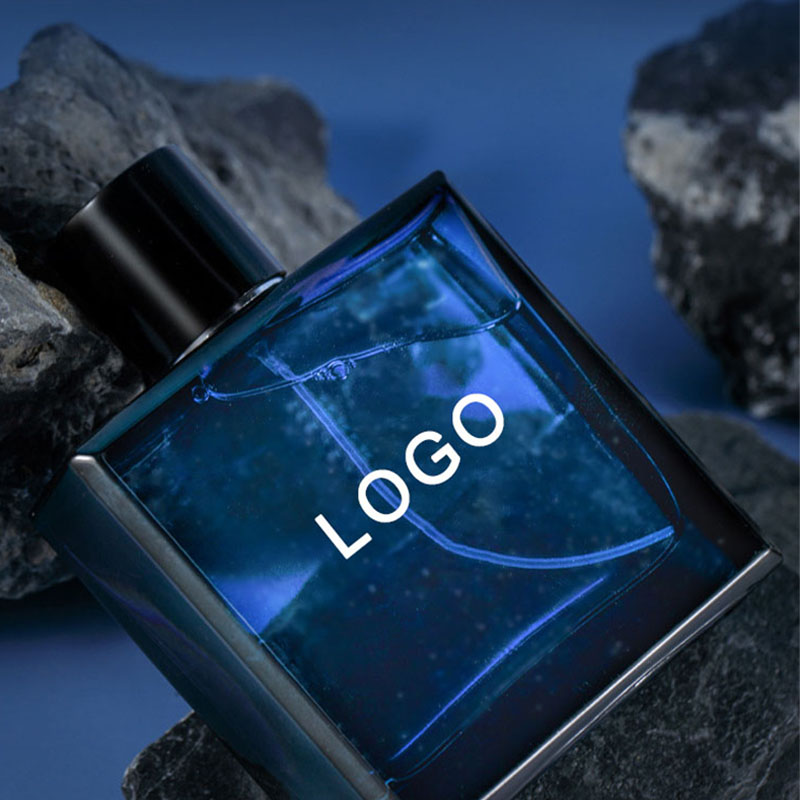 100ml Men Perfume Professional Manufacturer Male Perfume
-
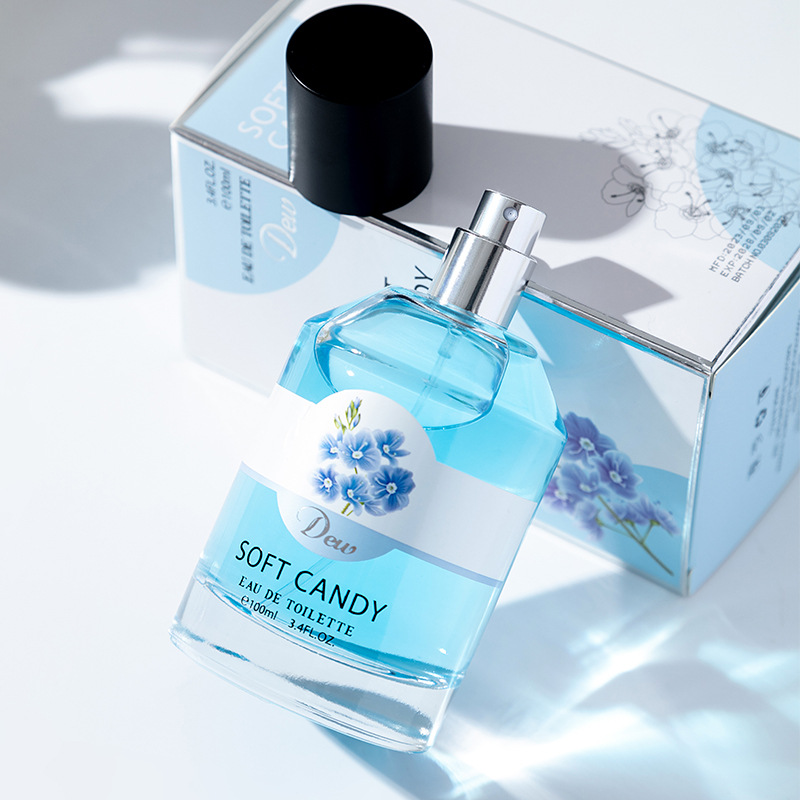 100ml Perfume Logo Make Your Own Brand Smart Collection Perfumes Original Women Perfume
-
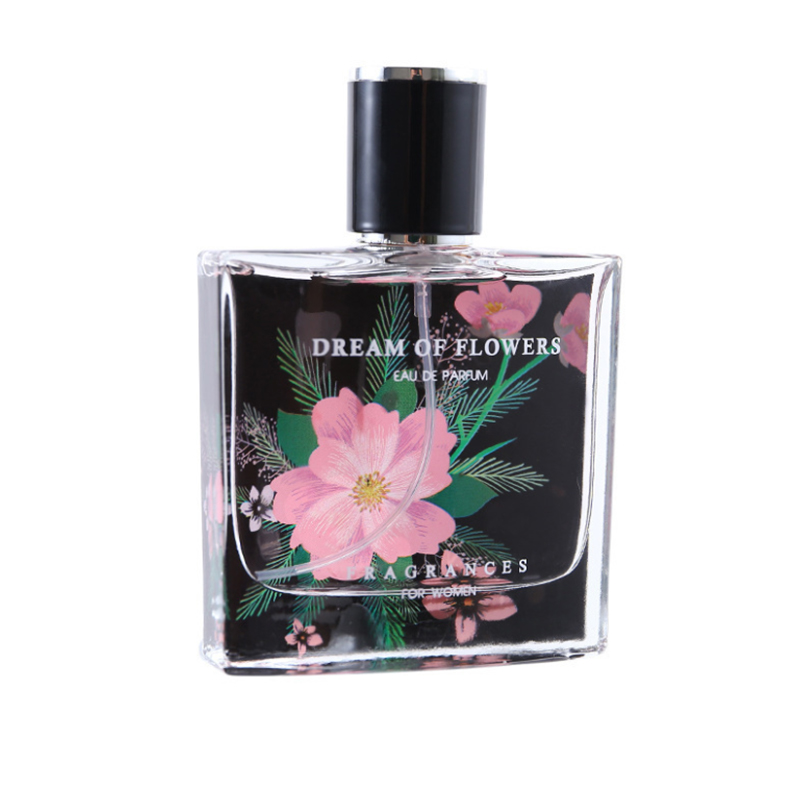 Original Long Lasting Fragrance Flower 50Ml Eau De Perfume for Women

- E-mail: [email protected]
- TEL: +86-021-54730699
- Phone/Whatsapp: +86 136 8173 2008
- ADD: Room 612, Building A, No. 389, Lianming Road, Minhang District, Shanghai, China
To Browse
Mobile terminal
Copyright © Shanghai Hexuanshu Industrial Co., LTD
All Rights Reserved.
Wholesale Private Label Luxury Colour Cosmetic Products
