 Search
 EN
EN
 English
 Español
 عربى
عربى

What Defines Truly Luxury Organic Beauty Products?
Content
- 1 The Convergence of Luxury and Organic in Modern Skincare
- 2 Certification Standards That Underpin Organic Claims
- 3 Certified Organic Luxury Skincare Ingredients: What Performs at the Top Tier
- 4 Luxury Organic Beauty Products for Anti-Aging: Active Mechanisms
- 5 Formulation Technology: Where Luxury Meets Science
- 6 Natural Luxury Organic Beauty Products Packaging: Materials and Standards
- 7 Luxury Organic Beauty Products Wholesale: B2B Sourcing Framework
- 8 Frequently Asked Questions
- 8.1 1. What percentage of ingredients must be organic for a product to qualify as a luxury organic beauty product?
- 8.2 2. Can luxury organic beauty products match the anti-aging efficacy of conventional luxury skincare?
- 8.3 3. How do I verify that a wholesale supplier's organic certification is legitimate?
- 8.4 4. What packaging format is most appropriate for luxury organic serums?
- 9 References
The global organic beauty market has expanded rapidly, but not every product that carries a botanical claim qualifies as genuinely premium. Luxury organic beauty products occupy a distinct category defined by the intersection of verified ingredient sourcing, advanced delivery technology, and rigorous third-party certification. For retailers, private label developers, and wholesale buyers, understanding this distinction is essential for positioning, compliance, and long-term brand equity.
The Convergence of Luxury and Organic in Modern Skincare
For most of the twentieth century, luxury skincare and organic formulation existed as separate market segments. Luxury implied synthetic precision and clinical efficacy. Organic implied natural simplicity and ethical sourcing. That separation has largely dissolved. Consumer demand for clean-label products with demonstrable performance has driven formulation science to a point where luxury organic beauty products can compete directly with conventional premium skincare on measurable efficacy parameters, including hydration retention, barrier function, and photoprotection.
According to the European organic cosmetics market analysis published by the Soil Association in 2023, certified organic and natural beauty products grew at 9.7 percent year-on-year in the UK premium segment. The growth rate in the luxury tier specifically outpaced mass-market organic SKUs by a factor of approximately 2.3. This divergence confirms that luxury positioning amplifies, rather than conflicts with, organic credentials.
Certification Standards That Underpin Organic Claims
Organic certification is the primary mechanism for substantiating ingredient and product-level claims. Without third-party certification, an "organic" label is unverifiable marketing language. Different certification bodies set different thresholds for organic content, prohibited ingredients, and manufacturing process requirements. Buyers sourcing certified organic luxury skincare ingredients must understand which standard governs the supply chain for each SKU.
Major Organic Certification Bodies Compared
The table below compares the four most widely recognized certification standards in the premium organic beauty sector across the criteria most relevant to product development and international market access.
| Certification Body | Min. Organic Content (product) | Synthetic Ingredient Allowance | Geographic Recognition | Applicable Standard |
|---|---|---|---|---|
| COSMOS Organic (ECOCERT / BDIH) | 95% of agro-ingredients are organic | Restricted permitted list only | Europe, Asia, Global export | COSMOS-standard v3 |
| USDA NOP Organic | 95% total organic content | None in "Organic" tier | USA, North America | 7 CFR Part 205 |
| Soil Association Organic | 95% of agro-ingredients are organic | Restricted permitted list only | UK, Europe | SA Beauty and Wellbeing Standard |
| NATRUE | Tiered (Natural / Organic content %) | No petrochemical-derived ingredients | Europe, a growing global | NATRUE Standard v5 |
Certified Organic Luxury Skincare Ingredients: What Performs at the Top Tier
Ingredient quality is the primary differentiator between commodity organic formulations and certified organic luxury skincare ingredients. Premium organic actives are typically sourced from controlled geographic origins, harvested at peak bioactivity windows, and processed using cold-press, supercritical CO2 extraction, or low-temperature distillation methods that preserve thermolabile compounds.
High-Value Botanical Actives
- Rosehip seed oil (Rosa canina): Cold-pressed organic rosehip provides trans-retinoic acid precursors (beta-carotene), linoleic acid (40–50%), and tocopherols. It is a benchmark active in organic anti-aging formulation and is substantiated by clinical studies on scar reduction and skin tone evenness.
- Bakuchiol: A meroterpene extracted from Psoralea corylifolia seeds. COSMOS-certified organic bakuchiol functions as a retinol analog with comparable upregulation of type I and III collagen gene expression, documented in a double-blind clinical study published in the British Journal of Dermatology (2018).
- Sea buckthorn berry oil (Hippophae rhamnoides): One of the few plant sources of omega-7 fatty acids (palmitoleic acid, 20–35%). Cold-pressed CO2 extraction preserves carotenoid content (up to 2,000 mg/kg), which supports skin barrier regeneration and wound healing.
- Frankincense resin extract (Boswellia serrata): Boswellic acids demonstrate measurable inhibition of 5-lipoxygenase, an inflammatory enzyme relevant to reactive and sensitized skin. Used in luxury serums at concentrations of 0.5 to 2.0 percent.
- Centella asiatica extract (certified organic): Asiaticoside and madecassoside at standardized concentrations support collagen synthesis and epidermal barrier restoration. Premium grades are standardized to a minimum of 40 percent total triterpene content.
Luxury Organic Face Serum with Botanical Extracts: Formulation Architecture
A luxury organic face serum with botanical extracts differs from a standard organic serum in its delivery architecture. High-end formulations use encapsulation or liposomal technology to protect labile actives from oxidative degradation and enhance dermal penetration. Phospholipid-based liposomes derived from organic sunflower lecithin, for example, increase the bioavailability of water-soluble actives by facilitating passage through the stratum corneum lipid matrix. Viscosity is typically built using organic-certified polysaccharides such as xanthan gum, sclerotium gum, or sodium hyaluronate at multiple molecular weights — high molecular weight for surface hydration and low molecular weight for deeper epidermal delivery.
Luxury Organic Beauty Products for Anti-Aging: Active Mechanisms
Luxury organic beauty products for anti-aging must demonstrate efficacy against the primary molecular mechanisms of skin aging: reduced collagen synthesis, increased matrix metalloproteinase (MMP) activity, oxidative stress accumulation, and declined cellular energy metabolism. Organic formulations address these pathways through plant-derived alternatives to conventional actives.
Retinol Alternatives in Organic Formulation
Retinol is not permissible under COSMOS or Soil Association organic standards because it is a synthetic or animal-derived compound. Organic anti-aging formulations use bakuchiol, rosehip-derived beta-carotene precursors, and sea buckthorn oil as functional substitutes. Bakuchiol specifically has been shown in peer-reviewed studies to upregulate retinol-responsive genes (CRABP1, CRABP2) without the photosensitivity or irritation associated with retinoic acid application.
Peptide and Adaptogen Integration
Synthetic signal peptides such as palmitoyl tripeptide-1 are prohibited under strict organic standards, but plant-derived peptide hydrolysates from organic rice, pea, or quinoa protein provide measurable collagen-stimulating activity. Adaptogens, including organic rhodiola rosea extract, ashwagandha root, and schisandra berry,y support cellular stress response pathways and have preliminary evidence for reducing cortisol-mediated skin degradation.
Formulation Technology: Where Luxury Meets Science
Conventional luxury skincare and organic luxury skincare have historically divergein terms of access to formulation technologies. That gap has narrowed significantly. The table below compares the two categories on formulation technology parameters relevant to product developers and OEM buyers.
| Parameter | Luxury Organic Beauty Products | Conventional Luxury Skincare |
|---|---|---|
| Active delivery system | Phospholipid liposomes, phytosomes | Synthetic polymer encapsulation, cyclodextrins |
| Preservative system | Radish root ferment, sodium anisate, glyceryl caprylate | Phenoxyethanol, parabens, imidazolidinyl urea |
| Emulsifier type | Cetearyl olivate, sorbitan olivate (Olivem 1000-type) | PEG-based emulsifiers, synthetic esters |
| Thickener/rheology | Xanthan gum, sclerotium gum, organic starches | Carbomer, acrylates copolymer |
| Stability challenge | Higher oxidation risk for plant oils | Lower oxidation risk with synthetic antioxidants |
| Regulatory pathway | COSMOS / Soil Association pre-certification required | Standard EU Regulation 1223/2009 compliance |
Natural Luxury Organic Beauty Products Packaging: Materials and Standards
Packaging is a core component of luxury positioning and is increasingly subject to sustainability regulation. Natural luxury organic beauty products packaging must balance premium aesthetic appeal with verifiable environmental credentials. Packaging that contradicts the organic and clean credentials of the formula undermines brand integrity at the point of sale and in retailer sustainability audits.
Sustainability Requirements for Premium Positioning
- Glass primary containers: Borosilicate or soda-lime glass remains the preferred primary container for luxury organic serums and oils. It is chemically inert, infinitely recyclable, and communicates premium quality through weight and tactility.
- Post-consumer recycled (PCR) content: EU Packaging and Packaging Waste Regulation (PPWR) targets require a minimum of 30 percent PCR content in plastic packaging by 2030. Premium brands are adopting PCR targets now to anticipate compliance and meet retailer sustainability scorecards.
- FSC-certified secondary packaging: Cartons and paper inserts should carry Forest Stewardship Council (FSC) certification. Many premium retail buyers now require FSC documentation as a standard listing condition.
- Refillable formats: Luxury refillable systems reduce lifecycle carbon footprint by 30 to 70 percent compared to single-use primary packaging, based on LCA data from the Ellen MacArthur Foundation's packaging circularity reports.
- Ink and coating selection: Water-based inks and UV-cured coatings without heavy metals or solvent carriers are required for compatibility with recycling streams in most European markets.
Luxury Organic Beauty Products Wholesale: B2B Sourcing Framework
Luxury organic beauty products wholesale sourcing requires a more rigorous qualification process than conventional beauty wholesale. The organic certification chain must be verified at every level — raw material, intermediate ingredient, contract manufacturer, and finished product — to protect the buyer's legal compliance and retail positioning.
Supplier Evaluation Checklist
- Valid certification documentation: Request current COSMOS, Soil Association, or USDA NOP certificates for the finished product. Confirm the certificate number is traceable through the certifying body's public registry.
- Full ingredient INCI list with organic percentage disclosure: Require quantified organic content by weight of total formula and by weight of agro-ingredients separately, as these are the two metrics used by COSMOS-standard.
- Stability and challenge test reports: Require ISO 11930 preservative efficacy data and 12-week accelerated stability results at 40 degrees C / 75 percent RH for all finished SKUs.
- Dermatological and clinical testing: For anti-aging or sensitive skin claims, require supporting clinical study protocols and results with a minimum of 20 subjects and objective measurement instruments (corneometry, tewametry, or cutometry).
- Minimum order quantities and lead times: Organic-certified raw materials carry longer procurement lead times than conventional ingredients. Confirm MOQ at both component and finished product levels and map to seasonal demand cycles.
- Country of origin and supply chain transparency: Premium retail buyers and ESG-compliant distribution partners increasingly require full traceability to ingredient origin. Request country of origin documentation for all primary botanical actives.
Frequently Asked Questions
1. What percentage of ingredients must be organic for a product to qualify as a luxury organic beauty product?
The threshold depends on the certification standard applied. Under COSMOS Organic, at least 95 percent of all agro-ingredients (plant-derived components) must be certified organic, and the total organic content of the finished formula must meet a minimum percentage that varies by product type. Water and minerals, which cannot be organically certified, are excluded from the organic content calculation. USDA NOP requires 95 percent organic content by total weight for the "Organic" label tier. Luxury organic beauty products positioned in premium retail typically pursue COSMOS Organic or Soil Association certification,n as these are the most recognized standards in European and international luxury retail channels.
2. Can luxury organic beauty products match the anti-aging efficacy of conventional luxury skincare?
Peer-reviewed clinical evidence supports comparable efficacy for several organic actives. Bakuchiol has been directly compared to retinol in a randomized controlled trial published in the British Journal of Dermatology, showing equivalent reduction in wrinkle depth and skin roughness after 12 weeks of twice-daily application. Luxury organic beauty products for anti-aging using standardized botanical actives at clinically validated concentrations can achieve measurable outcomes in collagen synthesis, barrier function, and pigmentation that are competitive with conventional synthetic actives.
3. How do I verify that a wholesale supplier's organic certification is legitimate?
All legitimate COSMOS certifications are traceable through the COSMOS-standard public database at cosmos-standard.org. USDA NOP certificates are searchable through the USDA's organic integrity database at ams.usda.gov. Soil Association certificates can be verified through the SA's online certificate checker. When sourcing luxury organic beauty products wholesale, always cross-reference the certificate number provided by the supplier against these public registries before committing to a purchase order. Certificates should show the current certification cycle dates and list the specific products or product categories covered.
4. What packaging format is most appropriate for luxury organic serums?
Glass dropper bottles in 15 ml to 50 ml formats are the industry standard for luxury organic face serum with botanical extracts. Amber or dark violet glass provides UV protection for photosensitive botanical oils, reducing oxidative degradation of carotenoids and tocopherols without synthetic antioxidant intervention. Dropper closures should use a glass pipette rather than a rubber bulb, as natural rubber can leach compounds into oil-based serums over time. For wholesale purchasing, tamper-evident secondary packaging and nitrogen-flushed primary filling extend shelf life and protect product integrity during distribution.
References
- Chaudhuri, R.K., and Bojanowski, K. "Bakuchiol: A Retinol-Like Functional Compound Revealed by Gene Expression Profiling and Clinically Proven to Have Anti-Aging Effects." International Journal of Cosmetic Science, vol. 36, no. 3, 2014, pp. 221–230.
- Dhaliwal, S., et al. "Prospective, Randomized, Double-Blind Assessment of Topical Bakuchiol and Retinol for Facial Photoageing." British Journal of Dermatology, vol. 180, no. 2, 2019, pp. 289–296.
- COSMOS-standard AISBL. COSMOS Standard v3: Cosmetic Organic and Natural Standard. Brussels: COSMOS-standard, 2021.
- Soil Association. Organic Beauty and Wellbeing Market Report 2023. Bristol: Soil Association Certification Ltd., 2023.
- European Commission. Regulation (EU) 2022/1616 on Recycled Plastic Materials and Articles Intended to Come into Contact with Foods. Official Journal of the European Union, 2022.
- Ellen MacArthur Foundation. Reuse — Rethinking Packaging. Cowes: Ellen MacArthur Foundation, 2019.
-
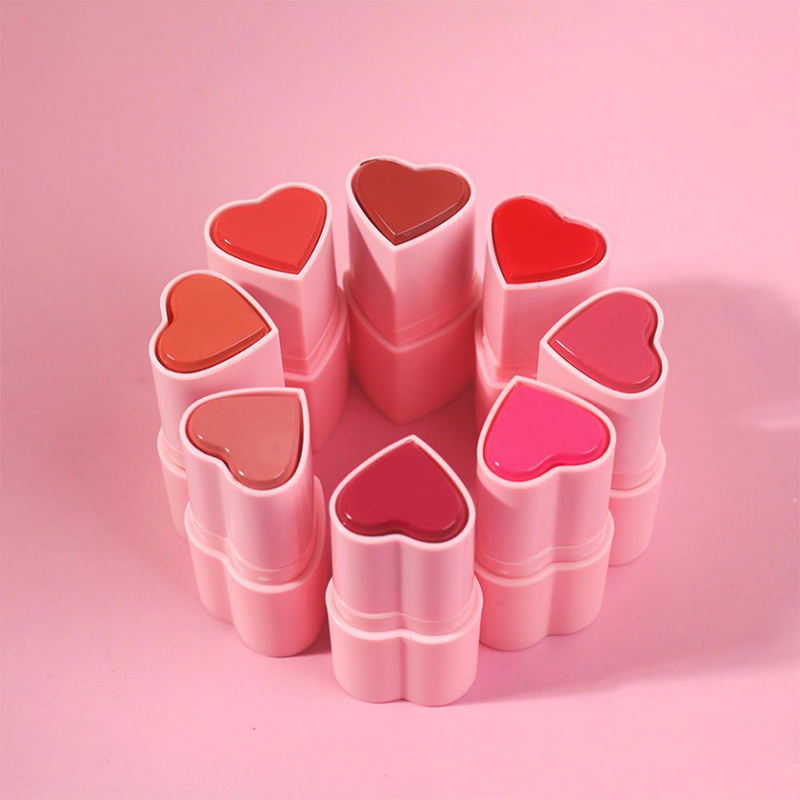 Beauty Makeup & Tools Face Blush High Quality Blush with logo Blusher Stick Heart Shape Blush
-
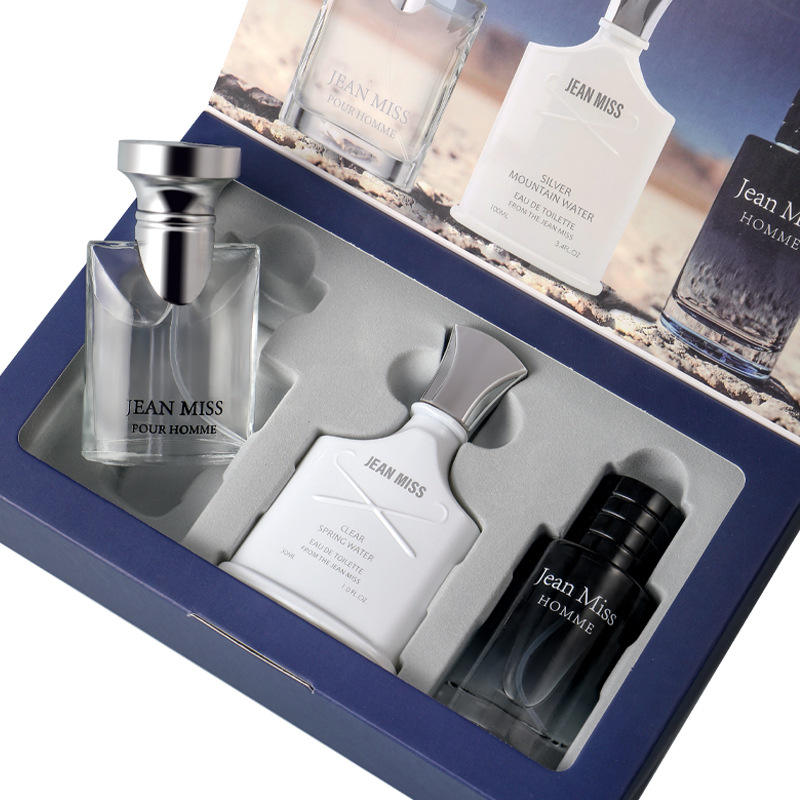 30ML*3 Lasting Floral Men Luxury Collection Brand Perfume High Gift Perfume Set
-
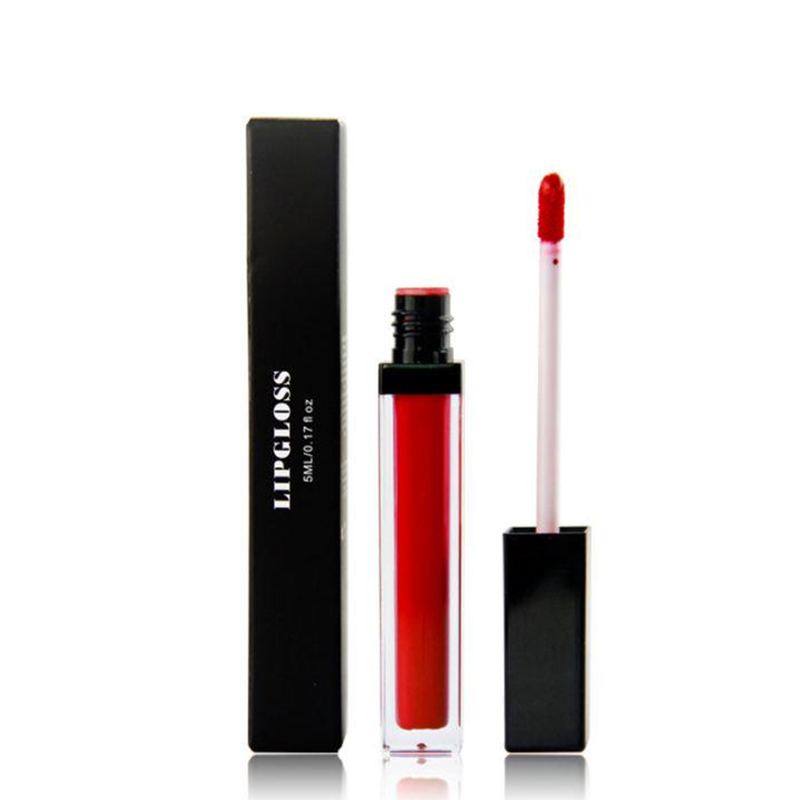 Fashion Beauty Cosmetics Waterproof Matte Liquid Lipstick Makeup Lip Gloss 20 colors
-
 35g Facial Sheet Organic Moisturizing Hyaluronic Acid Silk Face Facial Mask
-
 Cream Bronzer Contour Beauty Wand Waterproof Liquid Highlighter and Bronzer Stick Makeup
-
 New Arrival Makeup Organic Full Coverage Waterproof Natural Concealer Liquid Foundation

- E-mail: [email protected]
- TEL: +86-021-54730699
- Phone/Whatsapp: +86 136 8173 2008
- ADD: Room 612, Building A, No. 389, Lianming Road, Minhang District, Shanghai, China
To Browse
Mobile terminal
Copyright © Shanghai Hexuanshu Industrial Co., LTD
All Rights Reserved.
Wholesale Private Label Luxury Colour Cosmetic Products
