 Search
 EN
 English
 Español
 عربى


Luxury Cosmetics Manufacturer: What to Verify Before a Private-Label Launch
Content
- 1 What a Luxury Cosmetics Manufacturer Must Prove
- 2 Three Product Lines, One Production Plan
- 3 Shade Depth and Order Size: The Arithmetic of a First Run
- 4 How to Run a Sample Round That Actually Tests Something
- 5 The Paper Trail: Filing, MSDS and Market Entry
- 6 Practical Questions Buyers Ask Before Signing
Fifty pieces. That is the order entry point printed across the fragrance, lipstick and serum pages of Shanghai Hexuan Shu Industrial Co., Ltd., the Shanghai house that has run its own Daimiya label since 2013 and opens the same production lines to private-label buyers.
The minimum order is the first number a brand checks and the last one that decides anything. What determines whether a luxury launch survives its first quarter is whether the supplier can hold a formula, a colour match and a regulatory file together at that size, then repeat all three on a second order six months later. The company profile claims 12 years of formulation and marketing work, an in-house development team and panel testing on several thousand people before a product ships. Claims like that are worth testing with three questions and one sample round, not with a brochure.
What a Luxury Cosmetics Manufacturer Must Prove
A luxury cosmetics manufacturer is a contract producer that can show four auditable outputs on request: a locked formula, a repeatable fill weight, a compliant product dossier and a batch record tied to a specific lot number.
Everything a buyer notices first, from the weight of a metal cap to the soft-touch carton and the engraved shade names, sits on top of those four. Once an audit gets serious, the questions turn unglamorous. What is the fill tolerance on a 50ml eau de parfum? How many panellists tested the wear claim? Who signs the safety assessment? Which lot came back from the last stability pull?
Definition Luxury cosmetics manufacturing: formulation depth plus packaging engineering plus a regulatory dossier plus lot-level traceability, delivered at an order size the brand can finance.
The commercial difference appears quickly. A volume filler sells a catalogue base in a stock jar. A manufacturer with its own development bench sells a formula path, a colour programme and a file that clears customs and market surveillance without being rebuilt for every destination.
| Specification | Volume-tier supply | Luxury-tier supply |
| Order entry | 5,000 pieces per SKU, stock list only | 50 pieces per SKU with a small-batch option |
| Shade programme | 3 to 6 fixed shades taken from a card | 6 to 113 shades selected per market and skin tone |
| Formula work | Licensed base with fragrance or colour added | Bench samples, panel wear tests, revision rounds |
| Documentation | Certificate of analysis on request | INCI, MSDS, stability report, lot COA, filing record |
| Packaging | Catalogue jar and stock carton | Custom mould, printed logo, gift-set build |
| Release pattern | One fixed shipping window per run | Stock items released first, custom items follow |
Read the third column as a set of questions rather than a promise. A supplier that cannot answer row four in writing is a packaging broker with access to a filling line, and the file will land on your desk at the worst possible moment.
Three Product Lines, One Production Plan
Covering fragrance, colour cosmetics and skin care under one roof removes the handover risk that appears when a single launch is split across three factories.
The catalogue runs 11 colour categories, eight fragrance formats and six skin care formats, and the ranges deliberately overlap. A body mist sits beside a body lotion so a gift set can be assembled from one production plan instead of two shipping schedules and two sets of artwork approvals.
Fragrance
Fragrance is where luxury reads fastest, and concentration is the specification that decides the price. An eau de parfum carries roughly 15 to 20 percent fragrance oil and behaves differently in a 50ml spray than in a 5ml rollerball. A body mist at 100ml to 250ml carries about 3 to 8 percent and needs a different fixative balance to stay on skin for four hours. The format list runs from 5ml roll-ons and 20ml travel sprays through 100ml EDP, into 5g solid car diffusers, candles from 85g to 250g in soy or coconut wax with wooden wicks, and reed or crystal diffusers from 100ml to 220ml.
 Women's EDP Perfume in 50ml and 100ml SizesAn Eau de Parfum offered in 50ml and 100ml formats, with original fragrance positioning and private-label customization for wholesale and retail fragrance lines.View Product →
Colour Cosmetics
Colour is a numbers game. The eye shadow programme reaches 113 pressed shades, lip gloss also reaches 113, blush runs to 18 pressed or cream shades and lip liner covers 25. Pigment load is quoted per format because the same shade number in a matte liquid lipstick and in a gloss is a different product: matte liquids sit around 25 to 35 percent pigment while gloss bases stay under 5 percent. Format choice matters as much as shade count, since cream, liquid, powder and stick versions of one blush colour behave differently across skin types.
Skin Care
Skin care carries the documentation load. A retinol essence, a ceramide cream or a collagen eye patch each needs a full INCI, a stability window and claim substantiation before it can be sold on anything stronger than a moisturising claim. The formats here are practical rather than decorative: sheet masks, clay mask sticks, gel masks, eye patches, serums, creams and sleeping lip balms.
Shade Depth and Order Size: The Arithmetic of a First Run
Order size and shade depth trade directly against each other; at a 50-piece entry point a brand can validate four shades in one market for less than the cost of a single trade-show booth, then scale the winner to 1,000 pieces.
Shade depth across catalogue lines
Depth is only useful where a market can absorb it. A 113-shade wall earns its shelf space in a beauty chain with rotating testers and staff training. A single-city pharmacy chain does better with 12 curated shades and a seasonal refresh. Choose depth against the retail channel, not against the catalogue.
Unit economics move in three steps: sample, small batch, production run. Ask for the price at each step before artwork is approved, because the gap between step two and step three is where launch budgets break. Stock-supported items placed in the first order also let a brand ship while custom shades are still in stability testing, a two-speed release that protects the retail date.
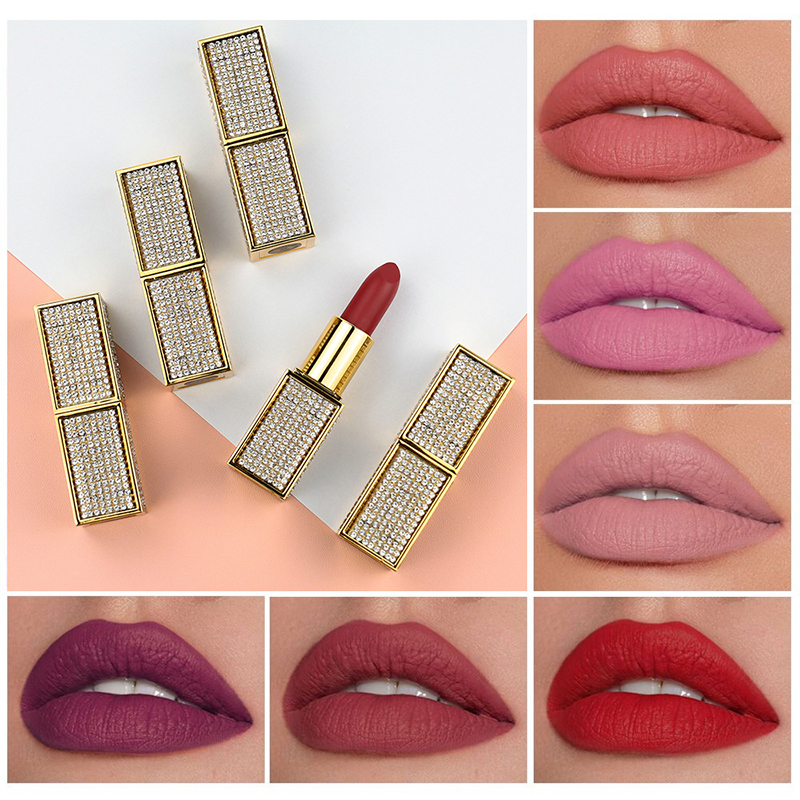 Customizable Vegan Nude Matte Lipstick for Small-Batch LaunchesA moisturizing, long-lasting matte nude lipstick with vegan positioning and low-minimum-order logo and packaging customization for trial runs and startup ranges.View Product →
How to Run a Sample Round That Actually Tests Something
A sample round is worth the freight only if it measures four things: shade accuracy under two light sources, wear time on at least 20 panellists, packaging compatibility over 14 days, and formula stability at 40 degrees Celsius for four weeks.
- Shade accuracy: compare the pressed pan and the applied swatch in daylight and in store lighting. A match that holds in both is a match.
- Wear data: 20 to 30 panellists, checkpoints at hour zero, hour four and hour eight, photographed rather than remembered.
- Compatibility: fill three units, store them upside down for 14 days, then check for leakage, swelling or print lift on the label.
- Stability: four weeks at 40 degrees Celsius exposes separation, scent shift and colour fade before a customer does.
- Fill weight: weigh ten units dry and ten filled. A 50ml spray that consistently weighs 4 percent light is a cost decision, not a rounding error.
Approve when
- The swatch matches the approved standard in daylight and in store light
- Eight-hour wear holds on 20 of 30 panellists
- Fill weight lands within 2 percent of declaration across ten units
Reject when
- Colour drifts more than one step after four weeks at 40 degrees Celsius
- Product migrates into the cap thread or the label lifts
- Scent shifts or the emulsion separates before the window closes
Skin care SKUs deserve the longest sample window because an active-led formula changes fastest. A 30ml retinol essence can look and smell identical at week one and separate at week four, which is exactly the interval between your approval and your first pallet.
 Wholesale 30ml Retinol Essence Facial SerumA 30ml retinol essence serum for private-label and wholesale sourcing, combining moisturizing, hydrating and brightening positioning with customizable packaging for sampled launches.View Product →
The Paper Trail: Filing, MSDS and Market Entry
A finished luxury cosmetic needs at minimum an INCI list, a safety data sheet, a lot certificate of analysis, a stability report and a registration record in the market where it will be sold.
- INCI and ingredient disclosure, matched line by line against the approved formula, not against the sample label.
- MSDS or safety data sheet per SKU, which several cosmetics lines carry as a standard export document.
- Certificate of analysis per lot, listing fill weight, microbiology and the batch reference.
- Stability summary covering the real packaging, not a generic glass jar.
- Registration: NMPA filing in China, CPNP notification under Regulation (EC) 1223/2009 with a named responsible person in the EU, and facility registration plus product listing under the US MoCRA framework in force since 2022.
Ask for the GMP position as well, because ISO 22716 is the cosmetic good manufacturing practice standard most auditors recognise and most retailers ask about. The company states that its products are filed with the Shanghai medical products authority; request the filing numbers, match them to the exact SKUs on the purchase order, then confirm the same detail on the factory capability page and inside a signed quality agreement. A supplier that hesitates on a filing reference will hesitate again when a retailer requests one.
Practical Questions Buyers Ask Before Signing
What is the minimum order for a private-label luxury cosmetics run?
Fifty pieces per SKU is the stated entry point on stock-supported lines such as body mist, lip gloss and eye shadow palettes. Custom shade matching, custom moulds and printed secondary packaging raise the floor, so confirm the MOQ per SKU in writing before the sample round rather than after artwork approval.
How long does a launch take from sample to shipment?
Plan three blocks: two to three weeks for bench samples, four weeks for stability and wear testing, then production. Stock items can ship while custom shades are still in test, which typically pulls the retail date forward by one full production cycle.
Can a manufacturer match a luxury formula without copying it?
Yes, and the distinction is legal rather than technical. Reverse-engineered copies of a protected formula invite claims, while a bench-built formula that meets the same sensory brief with the same wear hours and payoff but a different INCI does not. Approve the INCI before you approve the bulk.
Which documents should arrive with the first shipment?
Four: a lot-specific certificate of analysis, the safety data sheet for each SKU, the stability summary, and the registration or filing reference for the destination market. Missing any one of them stops a customs clearance or a marketplace listing, and recovering a single document after the container has sailed costs more than the whole sample round.
-
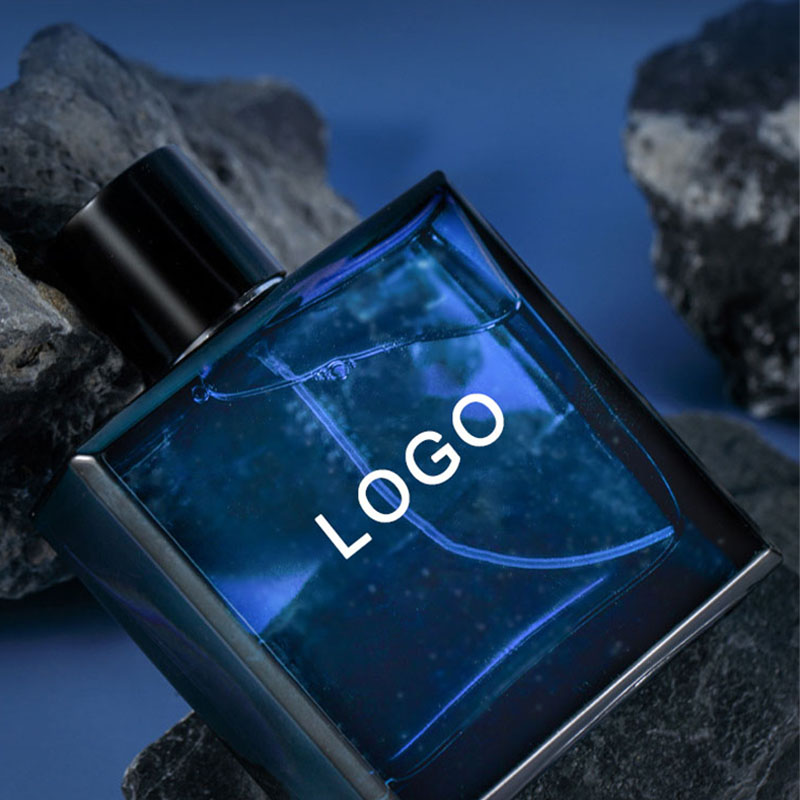 100ml Men Perfume Professional Manufacturer Male Perfume
-
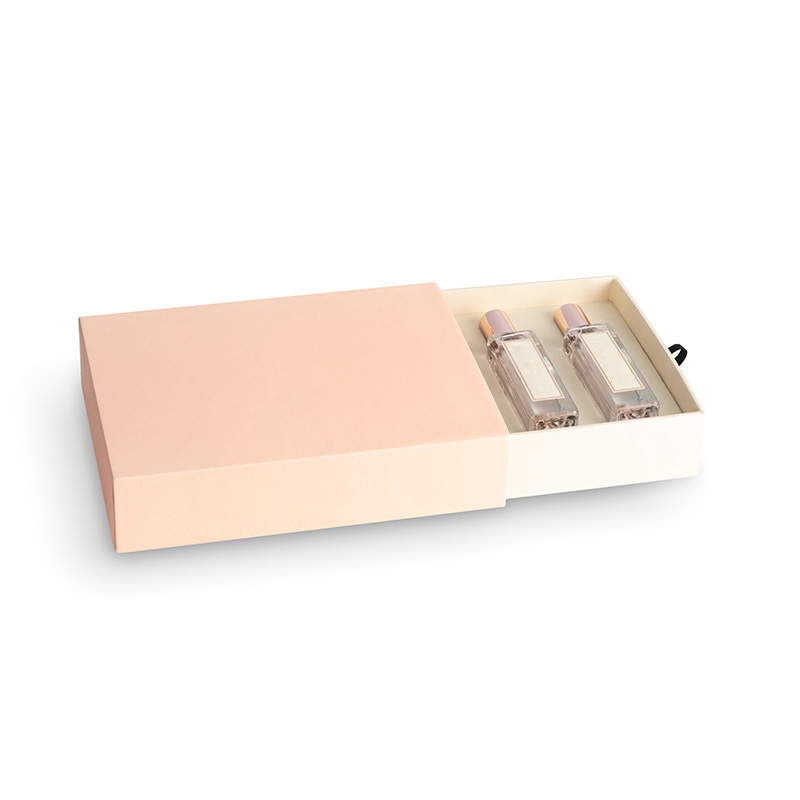 30ML*4 Label Long Lasting Body Spray Perfume Gift Set for Women Men 30ml/50ml/100ml
-
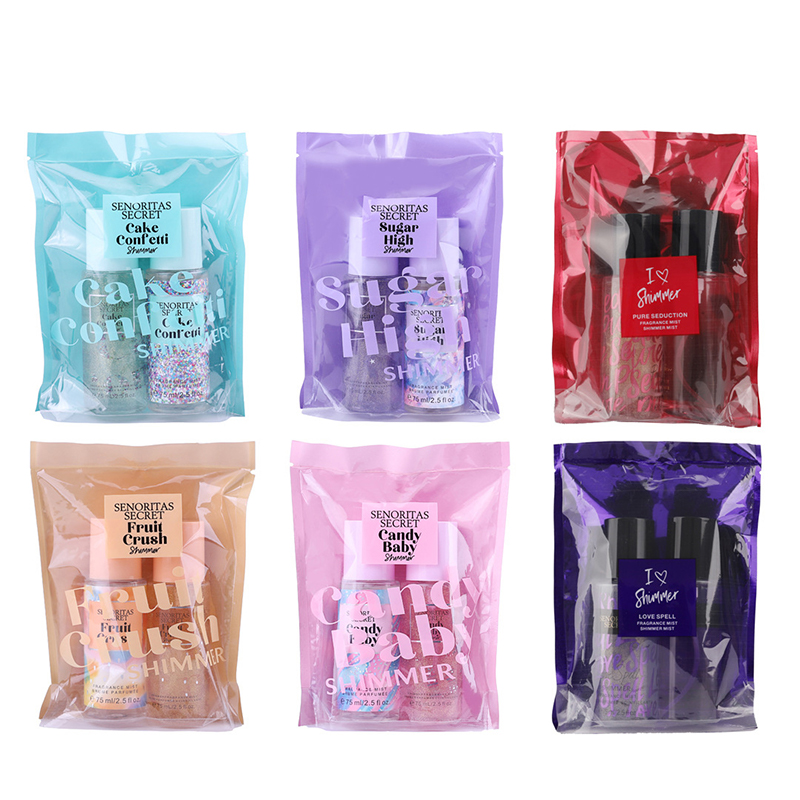 Customize logo Body Mist Collection Perfume Body Spray Secret Body Mist Set 75ml*2
-
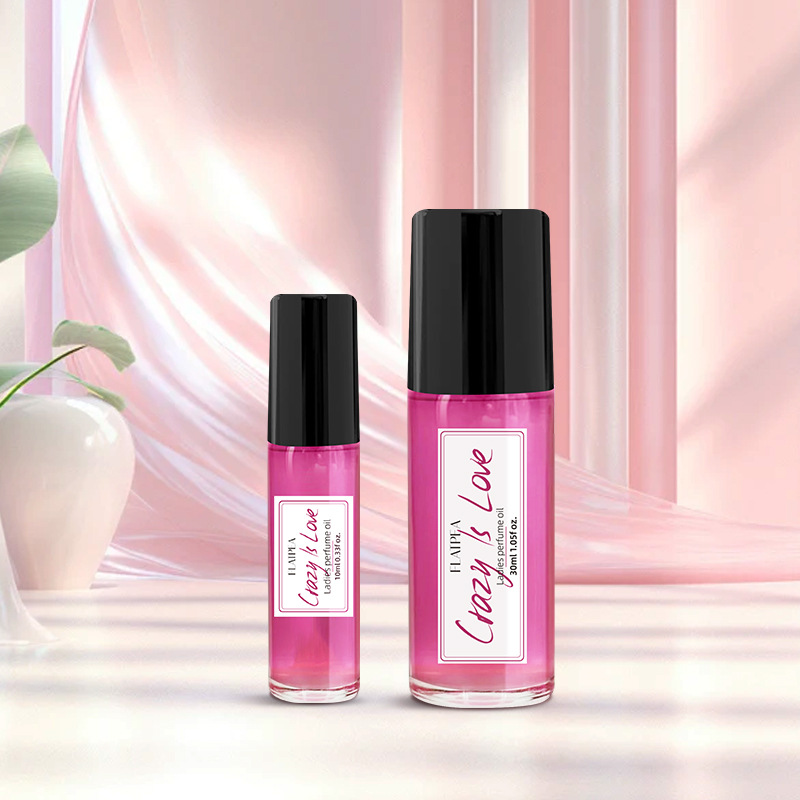 10ML/30ML Perfume Roll on Oil Sweet Peach Long-Lasting Fragrance Perfume Spray Scent Luxury Perfume Gift Body Mist
-
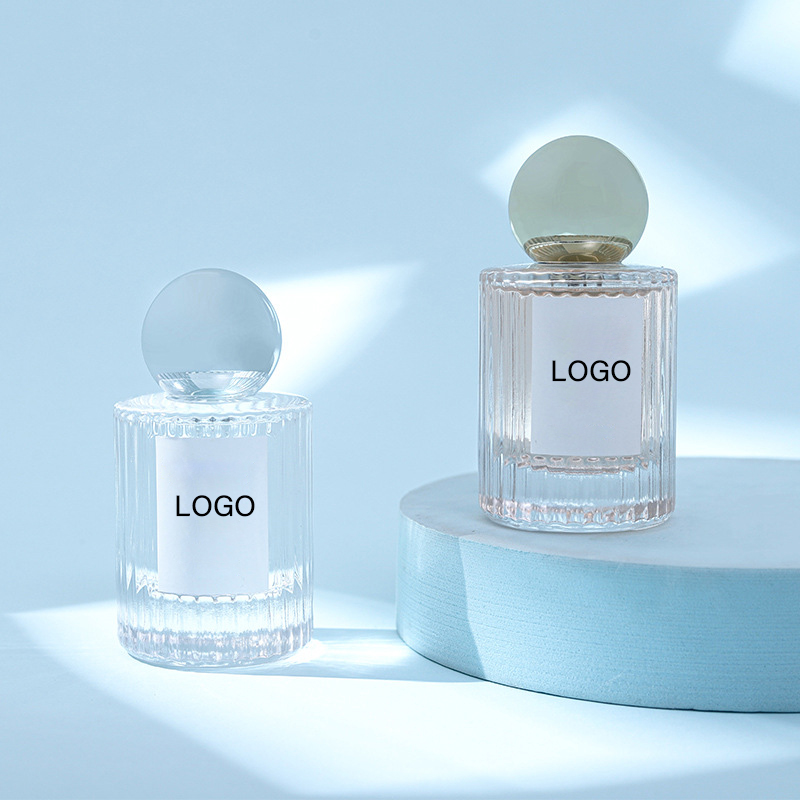 Fragrance China Branded Perfume Factory 50ML/100ML
-
 100ml Spray Long Lasting Unisex Brand Cologne Luxury Fragrance Women Original Perfume

- E-mail: [email protected]
- TEL: +86-021-54730699
- Phone/Whatsapp: +86 136 8173 2008
- ADD: Room 612, Building A, No. 389, Lianming Road, Minhang District, Shanghai, China
To Browse
Mobile terminal
Copyright © Shanghai Hexuanshu Industrial Co., LTD
All Rights Reserved.
Wholesale Private Label Luxury Colour Cosmetic Products
