 Search
 EN
 English
 Español
 عربى


Aluminum Alloy Lifting Platform: Alloy Grades, Load Derating and Drive Specs
Content
- 1 What an Aluminum Alloy Lifting Platform Is and Where It Fits
- 2 Alloy Grade and Rated Load: The Numbers That Decide the Machine
- 3 Platform Height, Drive Type and Wheel Selection
- 4 Safety, Certification and the Cost of Downtime
- 5 Specifying a Platform Inside a Fragrance and Skincare Plant
- 6 A Procurement Checklist for Aluminum Alloy Lifting Platforms
- 7 Frequently Asked Questions
A 500 kg aluminum alloy lifting platform typically weighs around 40 percent less than a steel scissor lift of the same rated capacity. That gap is not a comfort feature. On a mezzanine slab rated at 350 kg per square metre, it decides whether the machine can be wheeled onto the floor at all, or whether the deck has to be reinforced first.
Buyers searching for an aluminum alloy lifting platform arrive with three practical questions: what the alloy actually buys, how much capacity is lost as the platform rises, and which drive and wheel combination survives a full shift in a filling hall. This guide answers those questions with the figures that matter at the point of purchase.
is the typical dead weight saved by an aluminium scissor platform against a steel unit of equal capacity, which feeds straight into lower wheel loads, lower floor point loads and easier manual repositioning.
What an Aluminum Alloy Lifting Platform Is and Where It Fits
An aluminum alloy lifting platform is a scissor or mast-type lift whose arms, deck and chassis are fabricated from heat-treated 6000-series aluminium, usually 6061-T6 or 6082-T6, instead of mild steel. The alloy has roughly one third the density of steel at about 70 percent of its elastic modulus, so the sections run deeper, but the finished machine weighs far less.
A mobile or stationary lifting table whose scissor arms, top deck and chassis are built from 6000-series aluminium extrusions or plate, rated for a stated working load at a stated lift height and driven hydraulically by a manual pump, a battery pack or a mains supply.
That construction pays off in five recurring situations:
- Filling and packing lines where pallets must reach a conveyor at 800 mm to 1,200 mm.
- Mezzanine storage where the slab carries a published point-load limit.
- Chilled, humid or wash-down rooms where painted steel blisters within a year.
- Outdoor yards where the unit is pushed or towed between buildings.
- Cosmetic, food and pharmaceutical zones where flaking paint counts as contamination.
- Slab loading is capped and wheel load must stay low.
- The platform is repositioned by hand several times a shift.
- The room is washed down, chilled or permanently humid.
- The lift never moves from one fixed position.
- You need 2,000 kg or more at 10 m in the smallest footprint.
- Purchase price outweighs weight and corrosion risk.
Alloy Grade and Rated Load: The Numbers That Decide the Machine
The alloy grade matters far less than the load chart and the derating rules attached to it. Two platforms can both claim 1,000 kg while behaving completely differently at 6 m lift height, because capacity falls as the scissor stack rises and the arms extend.
6082-T6 is the other grade worth asking about. It carries a yield strength of roughly 310 MPa and machines cleanly, which is why European builders often use it for scissor arms. On the datasheet, check arm plate thickness, the deck extrusion profile, and whether the deck is anodised or left as mill finish.
Platform Height, Drive Type and Wheel Selection
Lift height, drive and wheels decide whether a platform is genuinely usable or merely compliant. Spec the drive wrong and the operator pushes all shift; spec the wheels wrong and the floor finish is destroyed inside a month.
| Drive configuration | Best fit | Relative unit cost | Main watch-out |
| Manual push scissor | Fixed station, short moves, level floor | Lowest | Operator strain above 500 kg loads |
| Self-propelled electric | Long aisles, repeated pallet moves | Medium | Battery cycle life and charging bay |
| Towable trailer lift | Multi-building sites, outdoor yards | Medium to high | Wind derating and tyre type |
| Stationary pit-mounted | Fixed dock levelling, high throughput | Highest installed | Pit drainage and housekeeping |
Wheel choice follows the drive choice, and the number that matters is load per wheel, not total capacity.
Polyurethane tyres are the default in packing halls: they take high loads, do not mark epoxy floors and roll quietly. Nylon wheels are harder, roll more easily on rough concrete, but transmit shock into the deck and run louder. Rubber grips best outdoors yet can leave black marks on light flooring. Check the stated wheel load against the slab rating before the order is placed.
Safety, Certification and the Cost of Downtime
A compliant platform is not automatically a safe one. Two units can both carry a conformity mark while only one has a load-holding check valve that stops the deck dropping if a hydraulic hose bursts.
Look for a declared standard, most often EN 1570-1 for lifting tables or ANSI MH29.1 for industrial scissor lifts, plus guarded scissor openings, toe guards, an anti-crush skirt, an emergency lowering valve and tilt cut-outs on mobile units above roughly 4 m.
Documents worth requesting with any quotation:
- Declared standard and conformity document, for example EN 1570-1 or ANSI MH29.1.
- Load test certificate issued for your exact configuration.
- Hydraulic schematic showing check valves and the emergency lowering circuit.
- IP rating of the control box and motor if the area is washed down.
- Spare parts list with part numbers, not just descriptions.
Specifying a Platform Inside a Fragrance and Skincare Plant
In personal care and fragrance plants the lifting platform is a hygiene and damage-control tool as much as a lifting device. Glass primary packaging, wash-down floors and audit-ready surfaces reshape the specification.
Take a plant such as Shanghai Hexuan Shu Industrial Co., Ltd., the manufacturer behind the Daimiya fragrance, makeup and skincare lines, which fills formats from 30 ml serum bottles up to 250 ml body mist sprays. A pallet of filled glass in secondary cartons commonly lands between 400 kg and 600 kg, and the deck has to meet a conveyor at roughly 900 mm. Three requirements follow: an anodised or stainless deck that will not shed paint into an open filling zone, non-marking polyurethane wheels that will not scuff epoxy flooring, and a rated load that still holds at the top of the travel.
 Wholesale 250ml Long Lasting Fragrance Body Mist for WomenThis 250 ml women's body mist offers long-lasting fragrance and wholesale support for e-commerce, retailers and beauty stores, with customizable scent, bottle and box.View Product →
 Wholesale 30ml Retinol Essence Facial SerumThis 30 ml retinol essence serum targets moisturizing, hydrating, nourishing and brightening care, with low MOQ and customizable box printing for wholesale skincare buyers.View Product →
Field note: in a hall filling 250 ml fragrance sprays and 30 ml serums, one dropped pallet means a line stop and a full cleaning cycle. Non-marking wheels and a level, anodised deck cost less than a single lost batch.
These platforms also spend time in chilled storage and wash-down areas, where aluminium outperforms painted steel outright. A unit that starts to corrode beside a filling head becomes a contamination risk long before it becomes a structural one. Buyers already sourcing personal care goods and now moving them efficiently tend to read both sides of the problem together: choosing a cosmetics manufacturing partner and configuring the handling equipment that keeps that product moving.
A Procurement Checklist for Aluminum Alloy Lifting Platforms
Six checks separate a platform that lasts a decade from one that becomes a maintenance item within eighteen months.
- Write the load chart into the purchase order. State rated load at your working height, not the headline maximum.
- Confirm the floor point load. Ask for wheel load and axle load, then compare both with the slab rating.
- Match wheels and drive to the real aisle width, floor finish and ramp gradients on site.
- Request the hydraulic schematic, the load test certificate and the standard the unit is built to.
- Plan the charging regime. Chemistry, charge time and the charging location set daily uptime.
- Agree spare parts and response times in writing, including cylinder seals, wheels and control relays.
Frequently Asked Questions
How much does an aluminum alloy lifting platform weigh?
A 1,000 kg rated aluminium scissor platform typically weighs between 500 kg and 1,100 kg depending on lift height, against 800 kg to 1,600 kg for a comparable steel unit. The saving grows with lift height, because the scissor stack carries most of the structural mass.
Is 6061-T6 or 6082-T6 better for a lifting platform?
Both work. 6082-T6 has a yield strength of around 310 MPa against 276 MPa for 6061-T6 and is often chosen for scissor arms. 6061-T6 is more widely available and easier to weld and repair. Below 1,000 kg indoors, weld quality and load chart accuracy matter more than the grade.
What rated capacity do I need for an aluminum alloy lifting platform at 6 m?
Start from the real payload, not the pallet weight. Add the pallet, the goods, the operator if the platform carries one, and any tooling, then add at least 20 percent margin. If the derated capacity at 6 m falls below that total, move up a size rather than accept a unit that only meets the headline figure at ground level.
-
 50ml/100ml Long Lasting Brand Designers Cologne Fragrance Men Perfume
-
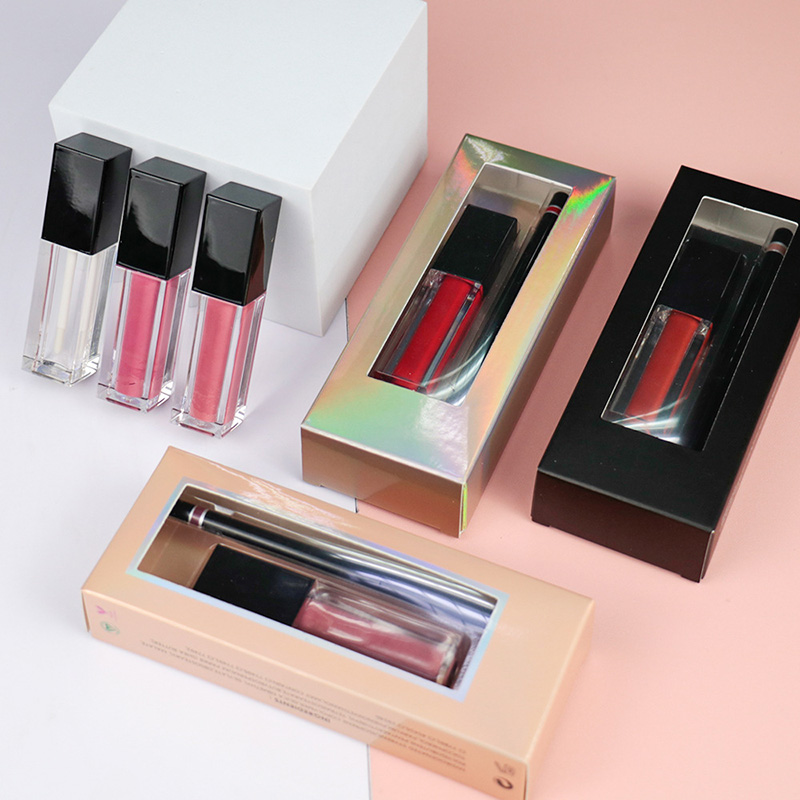 Makeup Liquid Lips 113 Colors Lipgloss Matte Liquid Water Proof Lipstick Lip Gloss and Lip Liner Set
-
 Soy Wax Scented Candle for Home Decor 95g
-
 160g Natural Soy Wax Factory Aromatherapy Scented Candles
-
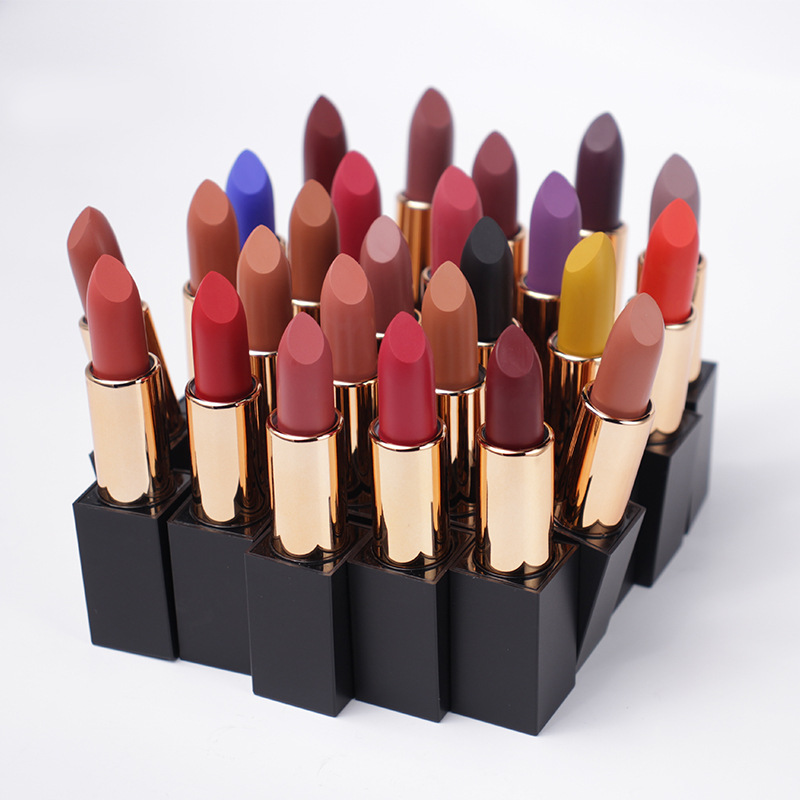 Cosmetics Makeup Make Your Own Brand Lipstick Matte Lipstick
-
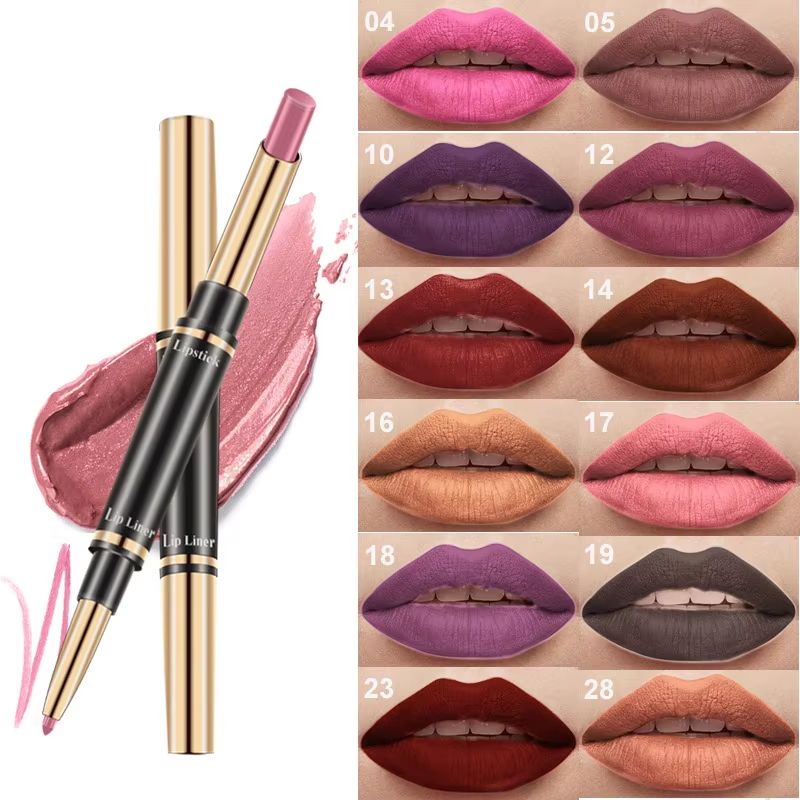 12 Colors Matte Double Heads Waterproof Lipstick and Lip Liner 2 in 1 Lip Liner

- E-mail: [email protected]
- TEL: +86-021-54730699
- Phone/Whatsapp: +86 136 8173 2008
- ADD: Room 612, Building A, No. 389, Lianming Road, Minhang District, Shanghai, China
To Browse
Mobile terminal
Copyright © Shanghai Hexuanshu Industrial Co., LTD
All Rights Reserved.
Wholesale Private Label Luxury Colour Cosmetic Products
