The Complete Guide to ODM/OEM Lipgloss Manufacturing and Development
This comprehensive guide provides in-depth knowledge for brands looking to develop their own line of lipgloss products through ODM (Original Design Manufacturing) or OEM (Original Equipment Manufacturing) partnerships. We cover the technical, regulatory, and market-driven aspects of creating successful lipgloss products.
Product Definition and Market Positioning
ODM/OEM Lipgloss refers to the development and production of lip gloss products through a collaborative partnership between a brand and a manufacturer. The ODM model provides turnkey solutions including formula, design, and production, while the OEM model involves the manufacturer producing according to the brand's exact specifications. This allows brands to launch products without investing in factories or R&D teams.
Core Product Specifications
| Product Type |
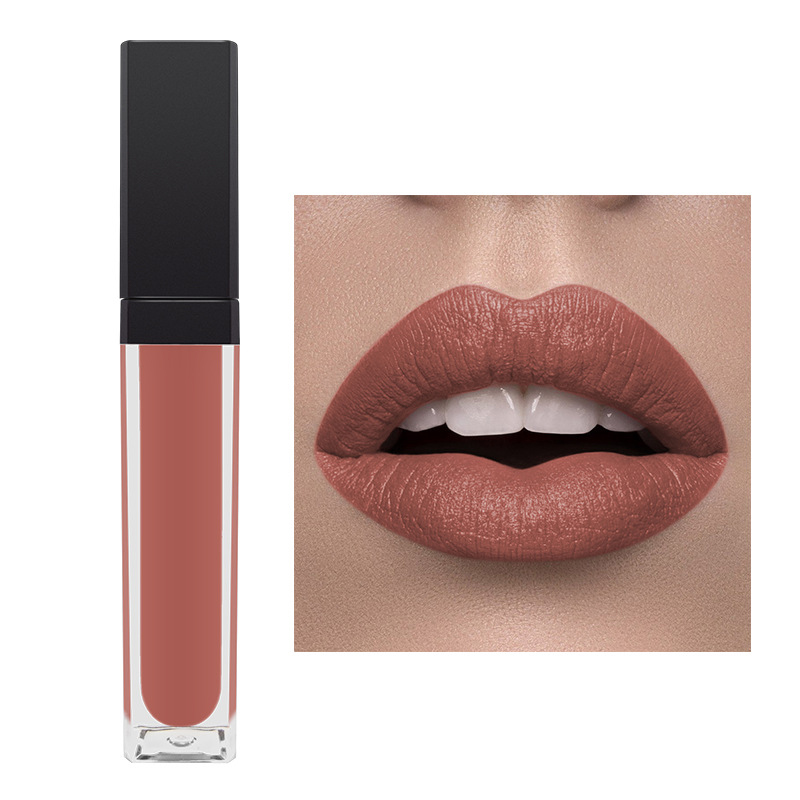
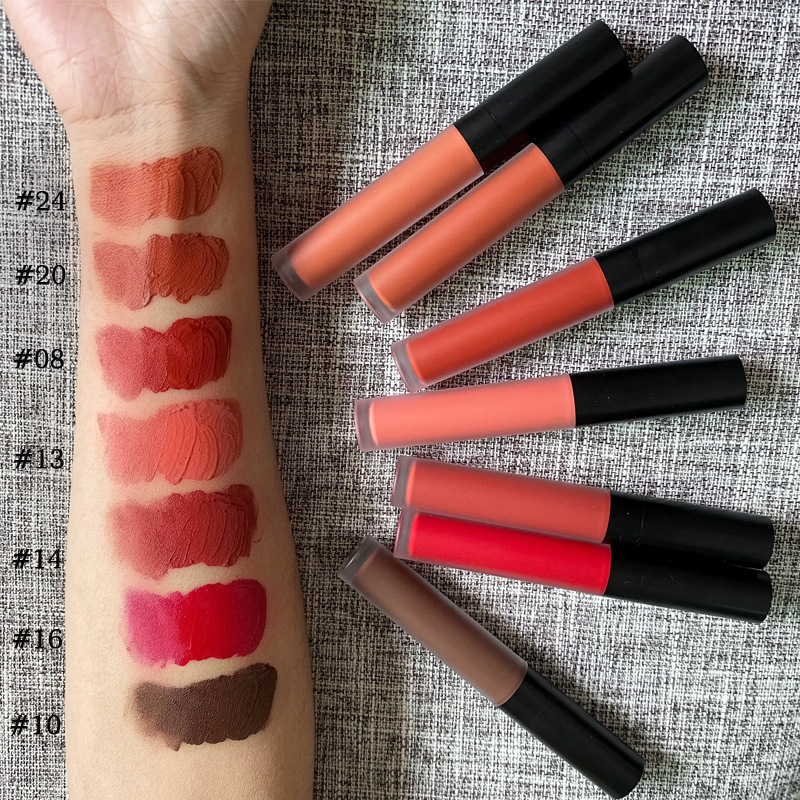
Glossy, Shimmer, Matte, Color-Changing, Treatment, Plumping |
| Core Ingredients |
Plant Oils (Jojoba, Sweet Almond), Natural Waxes (Beeswax, Candelilla Wax), Vitamin E, Botanicals, Pigments, Fragrance |
| Packaging Format |
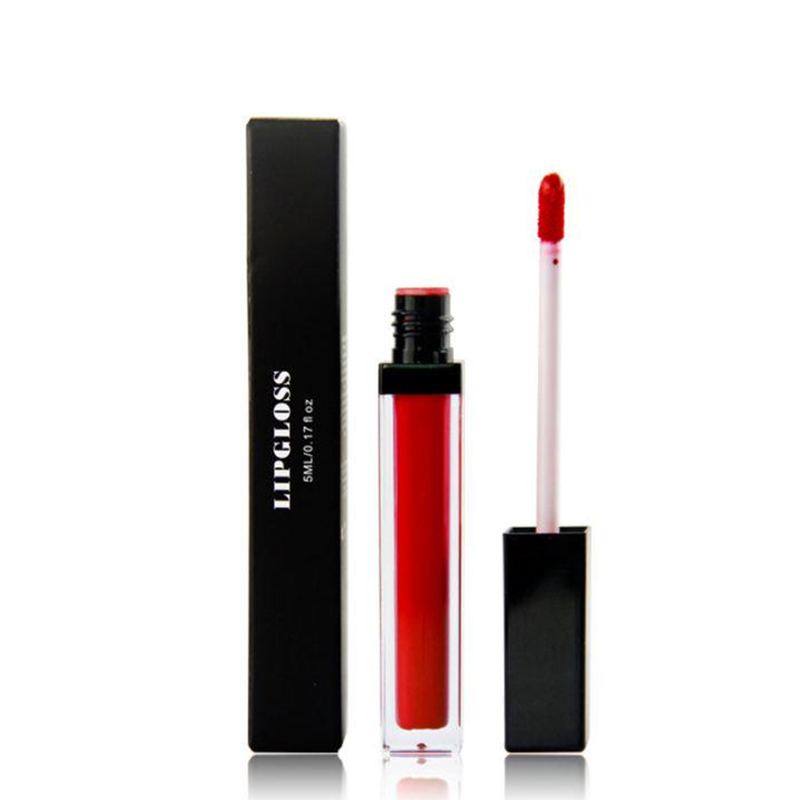
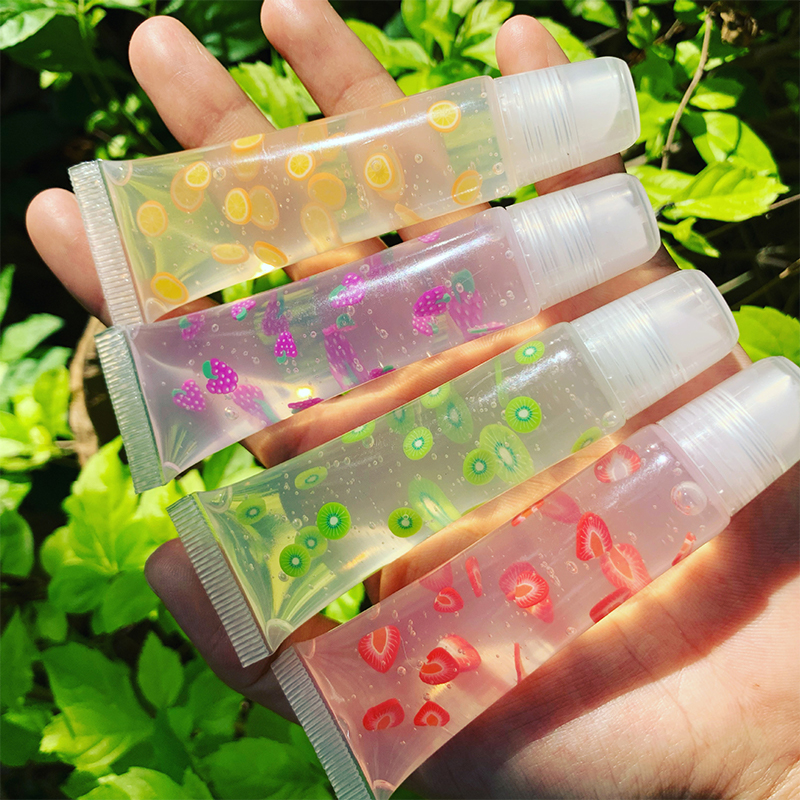
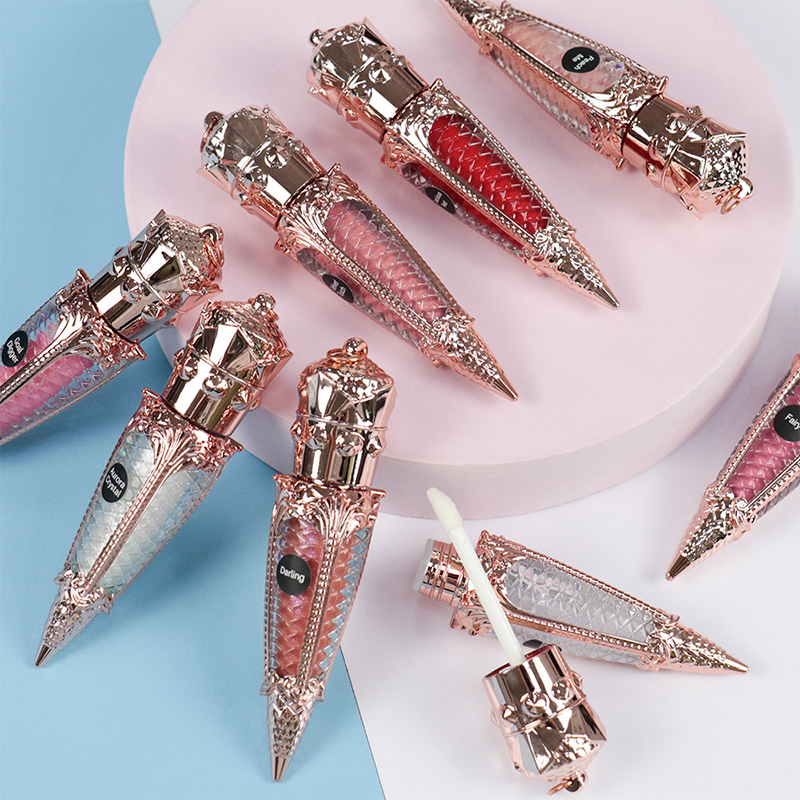
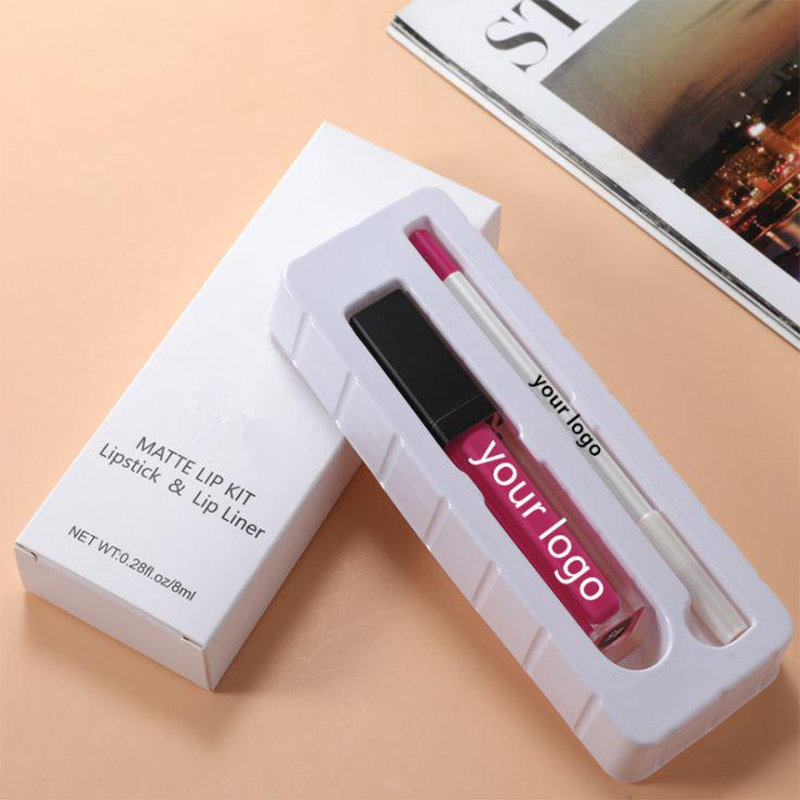
Tube with Applicator, Pot, Stick, Cushion, Pen-type |
| Texture & Finish |
High-Shine, Mid-Shine, Gel, Creamy, Jelly |
| Color Range |
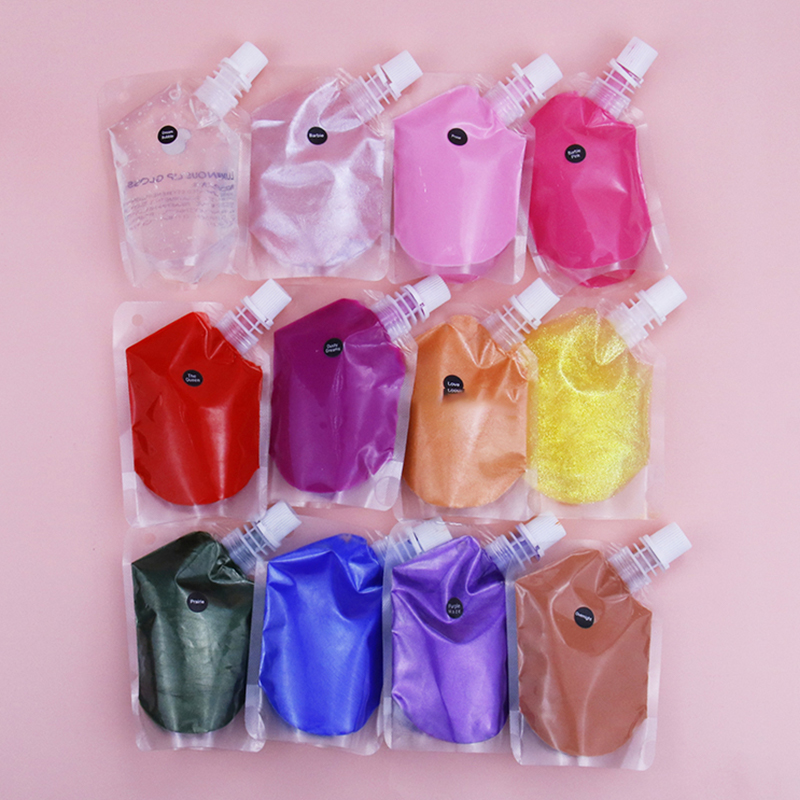
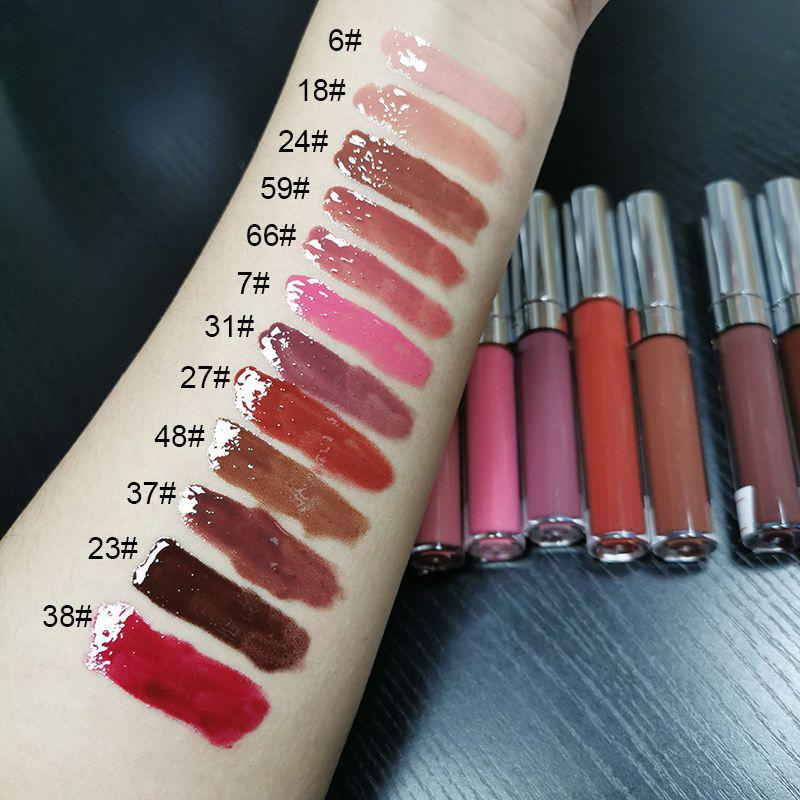
Clear, Nudes, Pinks, Reds, Oranges, Purples, Color-Shifting |
| Special Features |
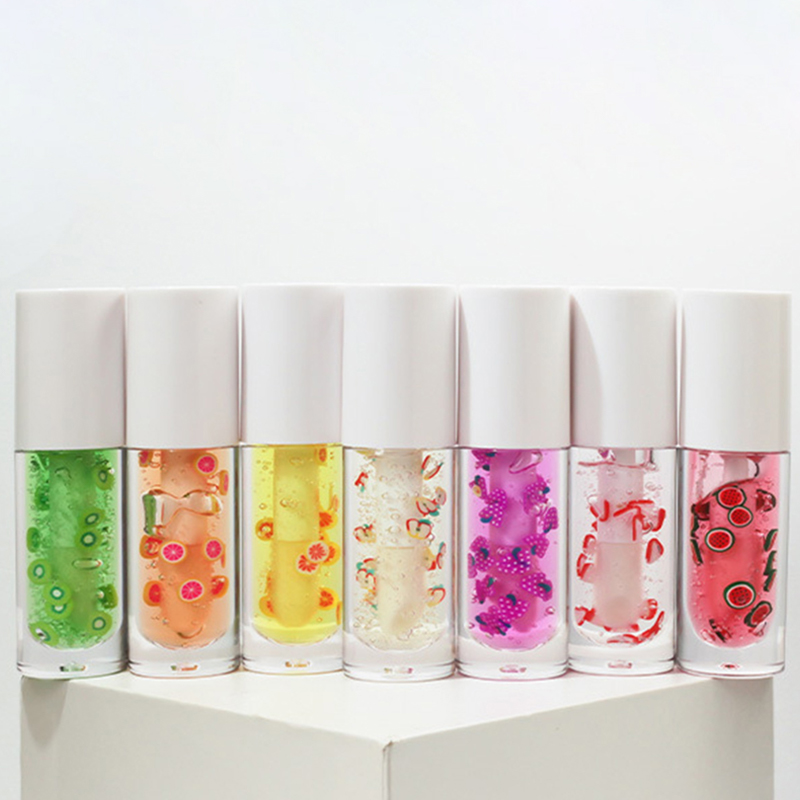
SPF Protection, Moisturizing, Plumping, Long-Lasting, Non-Sticky, Color-Changing, Thermal-Reactive |
| ODM vs. OEM |
OEM: Brand provides formula & design. ODM: Manufacturer provides complete product solution. |
| Typical MOQ |
5,000 - 50,000 units (depends on packaging complexity and formula) |
| Production Timeline |
Sampling: 15-25 days; Mass Production: 30-60 days |
| Key Certifications |
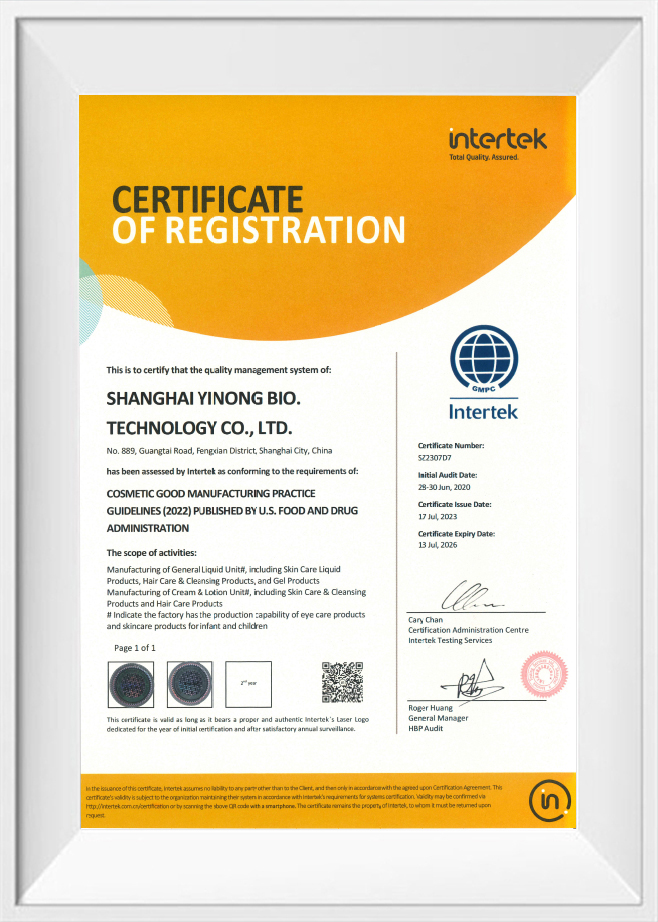
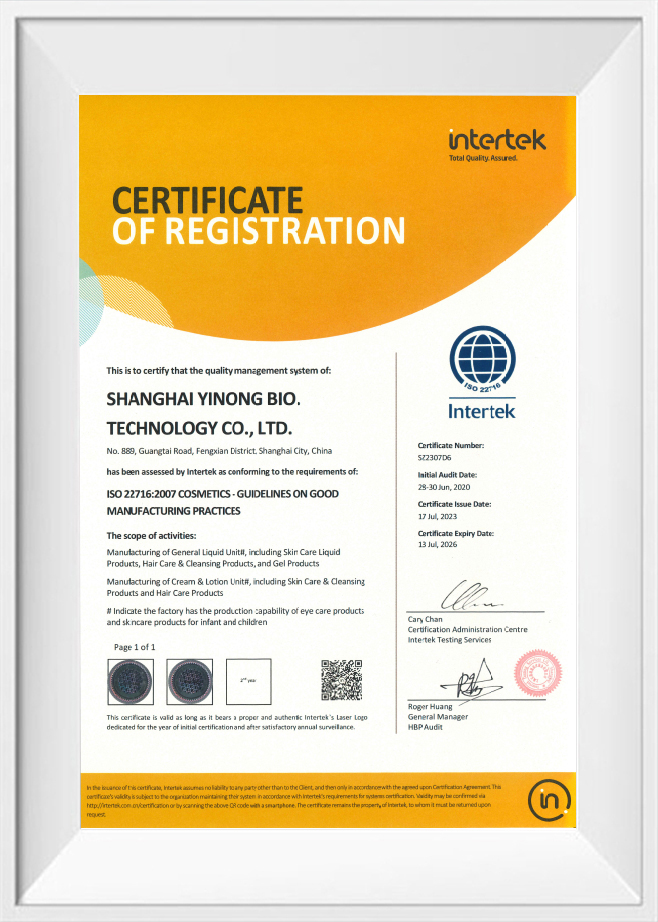
FDA Registration (USA), CPNP (EU), GMPC/ISO22716, Halal, Cruelty-Free |
Key Phases of ODM/OEM Lipgloss Development
1. Formula Development & Customization
- Base Formula Library: Access to a wide range of proven formulas for different finishes and benefits.
- Custom Development: Adjustments for specific needs like vegan, hypoallergenic, or clean beauty formulations.
- Active Integration: Incorporation of actives like Hyaluronic Acid for moisture or peptides for care benefits.
- Color & Fragrance: Selection from a palette of globally compliant pigments and food-grade fragrances.
2. Packaging Design and Sourcing
- Material Types: ABS/PETG plastic, metal, sustainable options like bamboo or PCR plastic.
- Applicator Types: Silicone doe-foot, brush, foam tip for precision application.
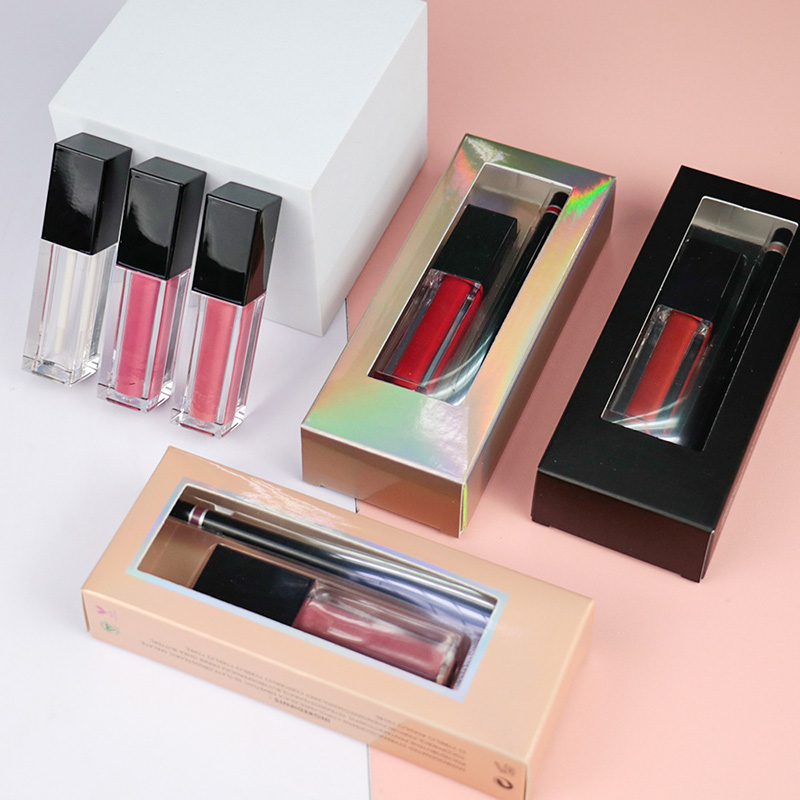
- Customization: Development of exclusive mold tools, with finishing options like hot stamping, silk printing, or UV coating.
3. Quality Control and Compliance
The production process involves stringent checks: raw material inspection, precise batching and mixing, homogenization, filling, cooling, assembly, and final inspection. Critical quality parameters include filling accuracy (±0.1g), packaging integrity, and comprehensive stability testing under various temperature conditions.
Market Trends and Innovation
- Ingredient Transparency: Consumer demand for safe, natural, and clean formulations is paramount.
- Multifunctional Products: Fusion of color with treatment benefits like intense hydration, sun protection, or lip contour enhancement.
- Sustainable Packaging: Growing preference for refillable systems, recycled materials, and minimalist design.
- Inclusive Color Ranges: Development of shades that complement a diverse spectrum of skin tones.
FAQ
What is the difference between OEM and ODM for lipgloss manufacturing?
This is a fundamental distinction in the manufacturing partnership model. In OEM (Original Equipment Manufacturing), the brand owns the product design and formula. The manufacturer's role is strictly to produce according to the provided specifications, focusing on precision and quality control. In ODM (Original Design Manufacturing), the manufacturer provides the complete product solution—including formula development, packaging design, and regulatory guidance. The brand selects from existing options or customizes a prototype, and the manufacturer handles the entire development and production process. ODM is ideal for brands seeking speed-to-market and expert-led innovation, while OEM suits brands with strong in-house R&D capabilities.
What are the key stability tests for a lipgloss formula, and why are they important?
Stability testing is non-negotiable for ensuring product safety, quality, and shelf life. Key tests include:
- Centrifugation: Spinning the product at high speed (e.g., 3000 rpm for 30 min) to check for phase separation.
- Thermal Cycling: Subjecting the product to repeated cycles of cold (-15°C) and heat (45°C) to simulate extreme conditions during transport and storage.
- Long-Term Stability: Storing the product at room temperature and controlled humidity for 3, 6, and 12 months to monitor changes in color, odor, texture, and microbial growth.
These tests predict the product's behavior over time, preventing issues like oil bleeding, color fading, or texture degradation after it reaches the consumer.
How can I ensure my lipgloss is compliant for sale in the US, EU, and other major markets?
Global compliance requires navigating specific regional regulations. A professional ODM/OEM partner manages this complexity. Core requirements include:
- United States (FDA): Facility registration, product listing, and strict adherence to color additive regulations (21 CFR).
- European Union: CPNP notification prior to market entry, full compliance with EC 1223/2009, and adherence to REACH for ingredients.
- General Certifications: Proof of GMP (Good Manufacturing Practices) compliance, such as ISO 22716, is highly recommended globally. Additional voluntary certifications like Cruelty-Free or Vegan can be pursued for marketing appeal.
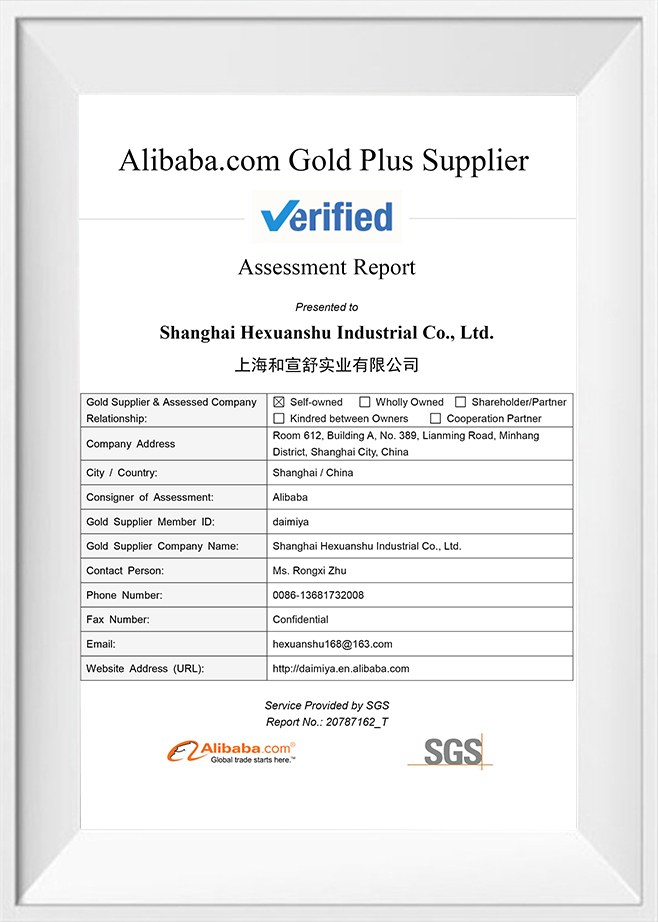
Partnering with a manufacturer like Shanghai Hexuan Shu Industrial Co., Ltd., which maintains all necessary qualifications and regulatory records, provides a significant advantage in ensuring a smooth and compliant market entry.
What are the current trends in lipgloss textures and finishes, and how are they formulated?
The market is moving beyond basic shine. Current dominant trends and their formulation keys are:
- High-Shine & Glass-like Finish: Achieved with a high concentration of non-volatile oils and specific film-formers like PVP or acrylate copolymers, creating a reflective, wet look.
- Soft-Matte & Blurring Effect: Formulated with higher pigment loads, silica powders for diffusion, and volatile silicones that evaporate to leave a comfortable, non-drying matte film.
- Non-Sticky, Weightless Feel: This is engineered through the strategic selection of low-viscosity, dry-feel esters and silicone elastomers that provide slip without tackiness.
An experienced manufacturer can guide brands in selecting the right texture to match their target consumer's preferences and brand positioning.
What are the realistic MOQs (Minimum Order Quantities) for custom lipgloss, and what factors affect them?
MOQs are project-dependent but typically range from 5,000 to 50,000 units for a custom product. Key factors influencing MOQ are:
- Packaging Customization: Developing a completely new tube mold requires a high MOQ (often 30k-50k+) to justify the tooling cost. Using a stock component lowers the MOQ significantly.
- Formula Complexity: A standard gloss has a lower MOQ than a complex formula with special effects (like thermal color-change) or high concentrations of expensive active ingredients.
- Secondary Packaging: Custom printed boxes or sleeves will have their own print-run MOQs.
A transparent manufacturer will discuss these variables upfront and work to find a cost-effective solution that aligns with the brand's launch strategy and budget.

 Search
 EN
EN
 English
 Español
 عربى
عربى