How Do Different Ingredients in Mascara Impact Its Performance?
Mascara is one of the most essential beauty products used to enhance the appearance of the eyes. It provides volume, length, and definition to lashes, offering a dramatic, bold look that complements various makeup styles. However, despite its popularity, many consumers might not be aware of the different formulations and ingredients that set one mascara apart from another. Understanding the varying product ingredients and their respective uses is crucial for anyone looking to choose the right mascara for their needs.
Understanding Mascara Formulation
Mascara is typically composed of pigments, waxes, oils, and preservatives. Each ingredient serves a particular purpose, ensuring the mascara's longevity, texture, and performance. However, the proportion of each ingredient varies depending on the desired results. For instance, volumizing mascaras might contain heavier waxes, while lengthening mascaras rely on thinner formulas that coat each lash evenly.
Common Ingredients in Mascara
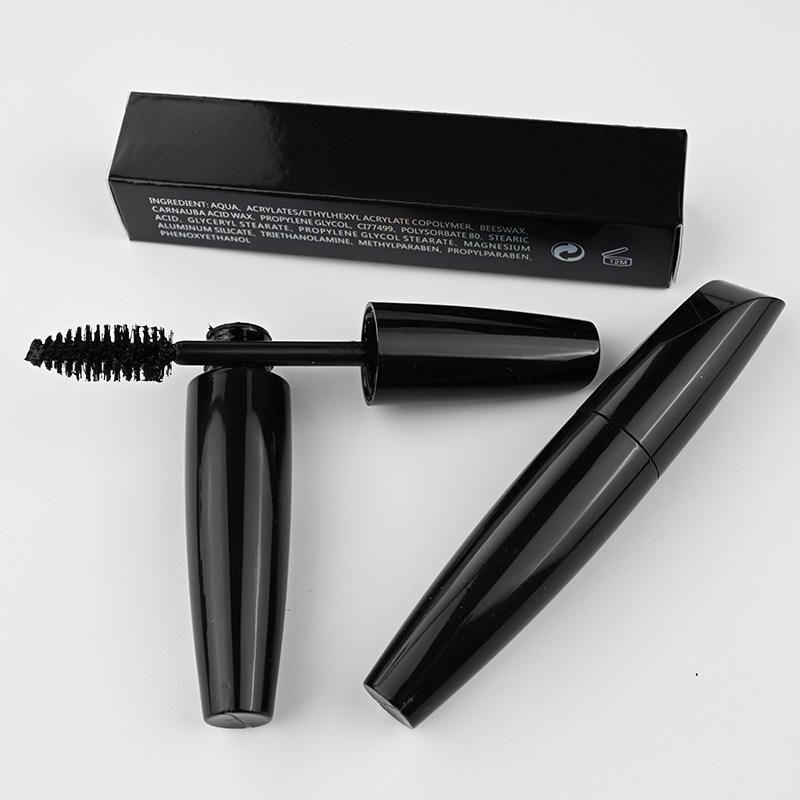
Pigments: The primary function of pigments in mascara is to provide color. Carbon black and iron oxide are commonly used pigments that deliver the deep black hue that many consumers prefer.
Waxes: Waxes, such as carnauba wax, beeswax, or synthetic beeswax, give mascara its thick texture. They help to bind the formula together and add volume to the lashes.
Oils: Oils such as castor oil and mineral oil are included to maintain the fluidity of the mascara and prevent clumping. They also contribute to the smooth application of the product.
Water: Water serves as the base for many mascaras, especially in formulas designed for easier application and removal. Waterproof mascaras, on the other hand, may use silicone-based ingredients to provide a long-lasting effect.
Preservatives: These ensure that the mascara remains stable and free from microbial contamination during its shelf life. Common preservatives include parabens and phenoxyethanol, although more natural formulations may use alternative preservatives.
Types of Mascara Based on Functionality
Lengthening Mascara: These mascaras usually have a thinner formula with ingredients that help to coat each lash individually. Lengthening mascaras often feature nylon fibers that attach to lashes, making them appear longer.
Volumizing Mascara: Volumizing mascaras contain thicker waxes and oils that create a fuller, more dramatic effect. These formulas may contain microfibers to help thicken lashes without weighing them down.
Curling Mascara: This type of mascara features a formula with added ingredients that help lashes curl, often in combination with a specially designed brush to hold the curl.
Waterproof Mascara: These are formulated with silicone-based compounds that resist water and sweat, making them ideal for long-lasting wear. Waterproof mascaras are often favored for occasions where smudging is a concern.
Impact of Mascara Ingredients on Performance
The effectiveness of mascara depends largely on its formulation. Let's compare how different ingredients influence the product's performance.
Wax vs. Oil
Waxes: The inclusion of waxes like carnauba or beeswax gives mascara its structure and thickness. Waxes are known to create volume and hold the curl of the lashes, providing a more defined look. However, they can sometimes lead to clumping if not formulated properly.
Oils: Oils, like castor oil, improve the smoothness and application of mascara. Castor oil is particularly noted for its potential to promote lash growth when used regularly. Some consumers prefer oils in their mascara formulas for their moisturizing benefits, as they prevent lashes from becoming brittle.
Silicone-Based Ingredients in Waterproof Mascara
Waterproof mascaras are formulated with silicone ingredients, such as dimethicone, to create a water-resistant barrier. These silicones form a flexible film over the lashes, preventing the mascara from smudging or flaking. However, removing waterproof mascara can be challenging, often requiring an oil-based makeup remover.
Natural vs. Synthetic Ingredients
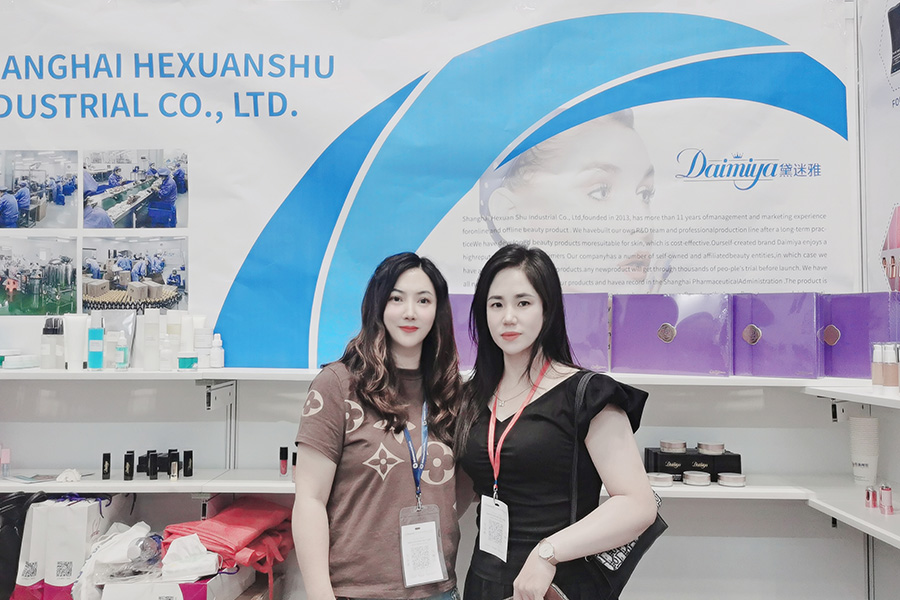
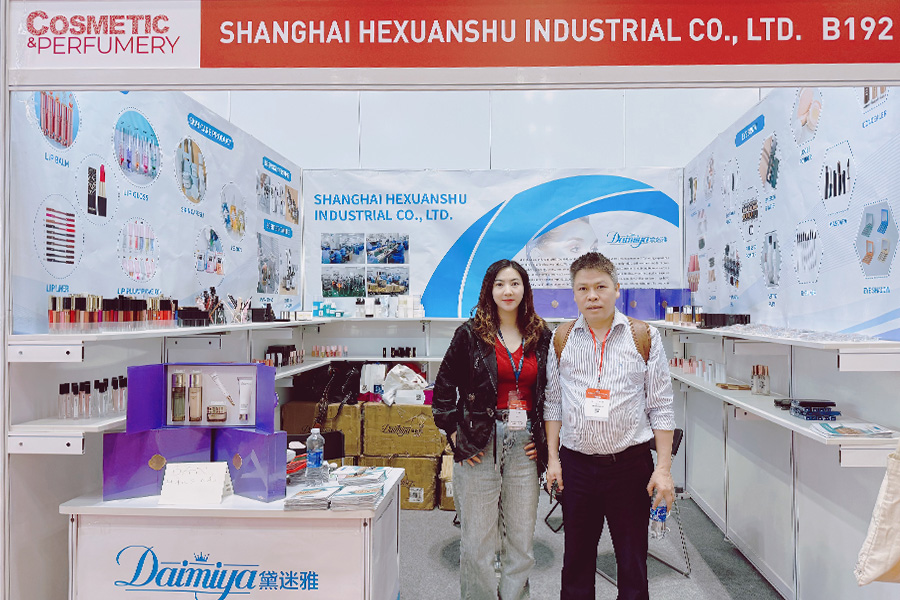
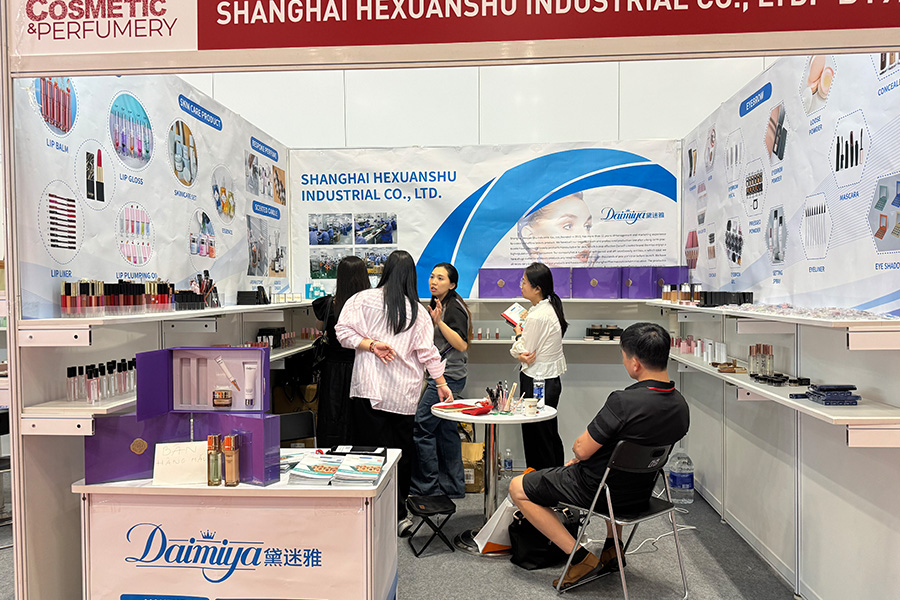
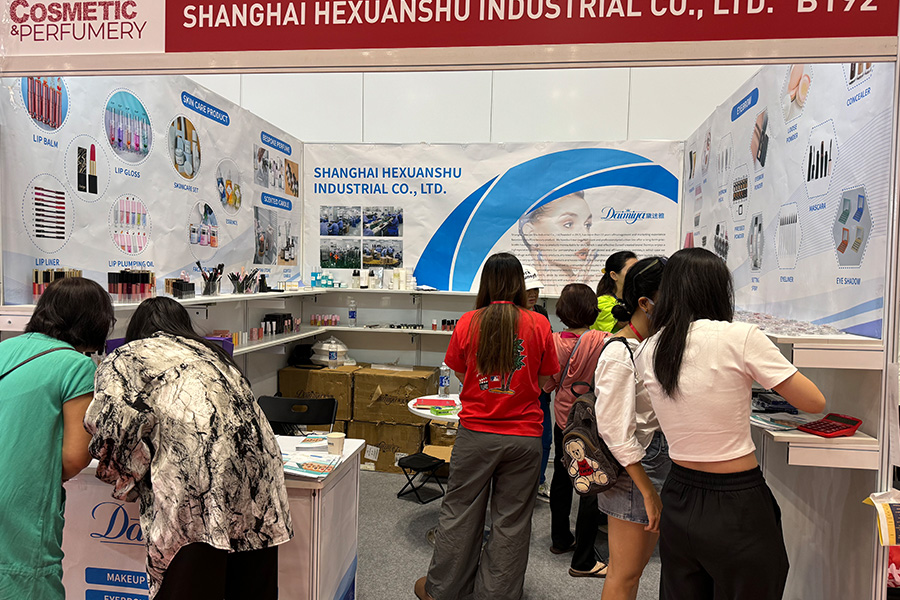
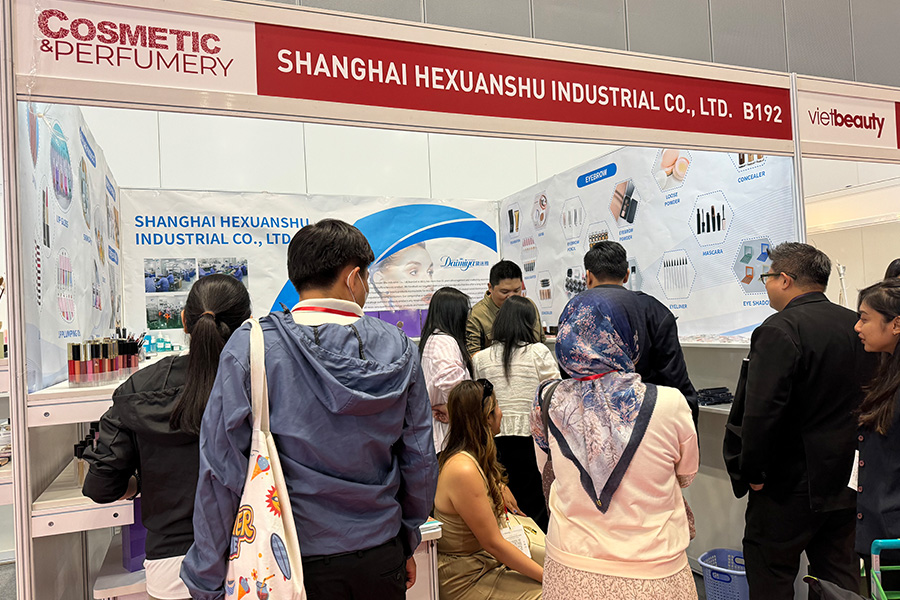
While traditional mascaras often rely on synthetic ingredients, there has been an increasing demand for more natural formulations. Shanghai Hexuan Shu Industrial Co., Ltd. have responded to this demand by developing mascaras that contain natural ingredients, such as plant-based oils and natural waxes. These natural formulations are often gentler on the eyes and can be a better option for people with sensitive skin or those looking for cruelty-free beauty products.
| Ingredient Type |
Purpose |
Example Ingredients |
Typical Use |
| Pigments |
Provides color |
Carbon Black, Iron Oxide |
Gives mascara its black color |
| Waxes |
Adds texture and volume |
Carnauba Wax, Beeswax |
Used in volumizing formulas |
| Oils |
Maintains fluidity and smoothness |
Castor Oil, Mineral Oil |
Helps prevent clumping |
| Water |
Base ingredient |
Water |
Makes mascara easy to apply |
| Preservatives |
Prevents microbial growth |
Parabens, Phenoxyethanol |
Extends shelf life |
The Role of R&D in Mascara Development
As mascara continues to evolve, research and development (R&D) play a crucial role in creating formulas that meet consumer needs. Shanghai Hexuan Shu Industrial Co., Ltd. has placed a strong emphasis on R&D, aiming to design mascaras that not only deliver excellent performance but also ensure safe use for all skin types.
The R&D team at Shanghai Hexuan Shu has been instrumental in creating customized mascaras that cater to a variety of preferences. Whether a customer seeks a mascara for sensitive eyes or a waterproof formula that can withstand humid climates, Shanghai Hexuan Shu's expertise in formulation helps them achieve these goals efficiently.
In addition to customizing products for individual preferences, the company is constantly developing new formulas to incorporate the latest trends in the beauty industry, such as vegan ingredients or sustainable packaging solutions.
Customization and Consumer Preferences
One of the standout features of Shanghai Hexuan Shu Industrial Co., Ltd. is its ability to offer customized products to its customers. Consumers now expect personalization in beauty products, and mascara is no exception. Customizing mascara formulas based on customer needs and skin type is becoming increasingly popular.
For example, customers can choose between hypoallergenic formulas, volumizing mascaras, or even eco-friendly versions. The ability to produce small batches of these mascaras allows brands to cater to niche markets, such as those looking for cruelty-free or vegan options. Additionally, many consumers prefer specific packaging, which can be customized for individual branding or marketing strategies.
Conclusion
Mascara is a beauty staple that has evolved significantly over the years. Today, it's available in various formulations designed to meet specific needs, from lengthening and volumizing to waterproof versions. The selection of ingredients plays a crucial role in the performance of mascara, and Shanghai Hexuan Shu Industrial Co., Ltd. is a leader in developing high-quality, customized mascara products. By utilizing a combination of waxes, oils, and pigments, and by investing in R&D, mascara manufacturers continue to provide consumers with innovative, effective, and safe beauty solutions.

 Search
 EN
EN
 English
 Español
 عربى
عربى