What are the common issues in the manufacturing process of ODM/OEM eye masks?
The manufacturing process of eye masks in the ODM/OEM industry is complex and multifaceted, involving various challenges that can affect the final product quality, production timeline, and cost-efficiency. From raw material selection to the final assembly, each stage of the process requires careful attention to detail to ensure a high-quality product that meets customer expectations.
1. Raw Material Quality and Sourcing
The selection of raw materials is one of the most critical factors in the production of ODM/OEM eye masks. Inadequate material quality or improper sourcing can lead to a variety of issues, such as poor durability, discomfort, or even safety concerns. Common materials used in the production of eye masks include cotton, silk, and synthetic fabrics, each of which has its own advantages and disadvantages.
Common Material Issues:
- Inconsistent Material Quality: Raw materials that are inconsistent in quality can lead to eye masks that vary in texture, appearance, and comfort. For instance, if the fabric is not evenly dyed, it could result in color differences between batches.
- Allergen Concerns: Some customers may experience skin reactions to certain materials, particularly synthetic fabrics. Manufacturers need to ensure that materials used in eye masks are hypoallergenic or have been tested for skin sensitivity.
- Sustainability: As consumers become more eco-conscious, demand for sustainable materials in the production of eye masks is increasing. The sourcing of environmentally friendly fabrics can be challenging, and manufacturers need to ensure that these materials maintain high performance standards.
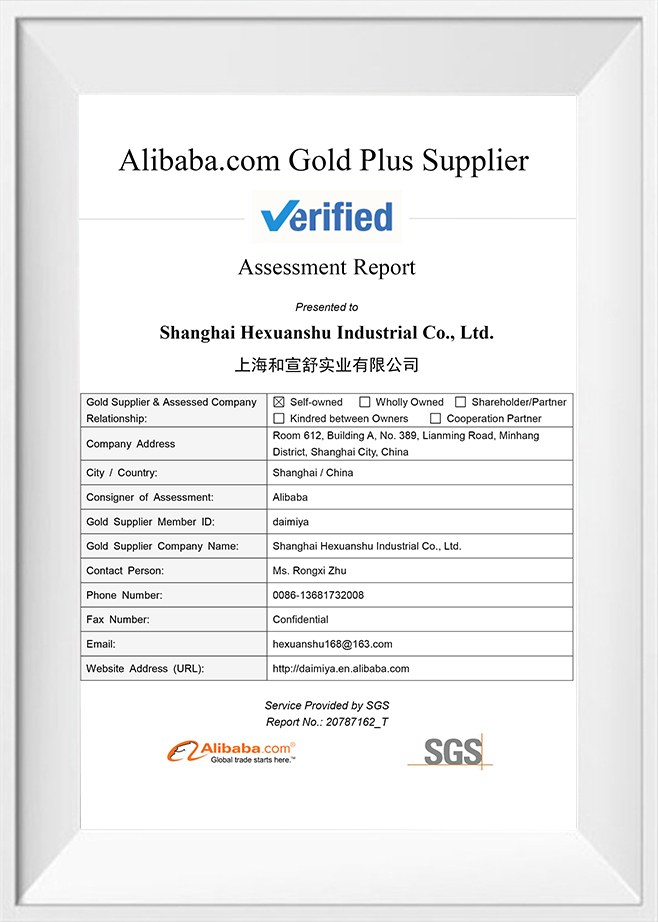
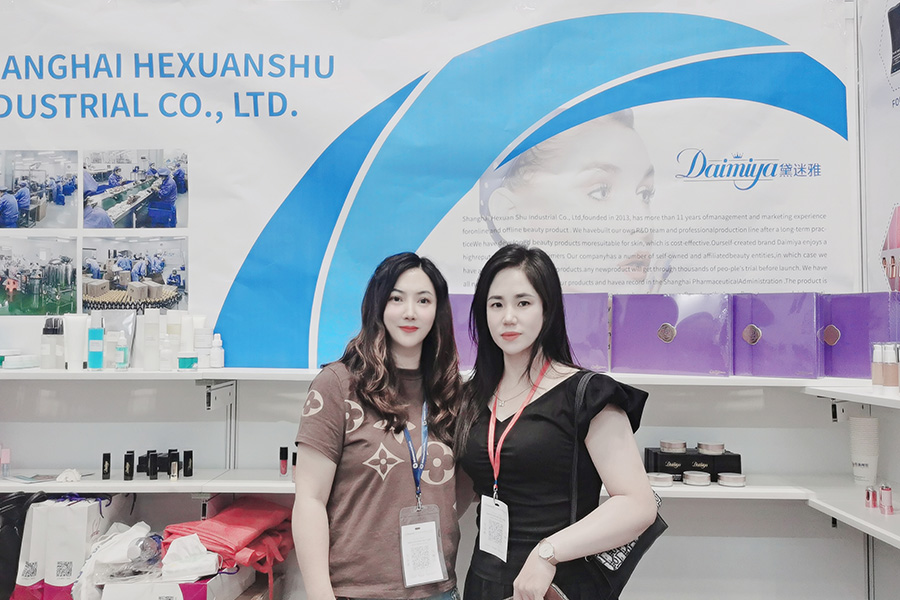
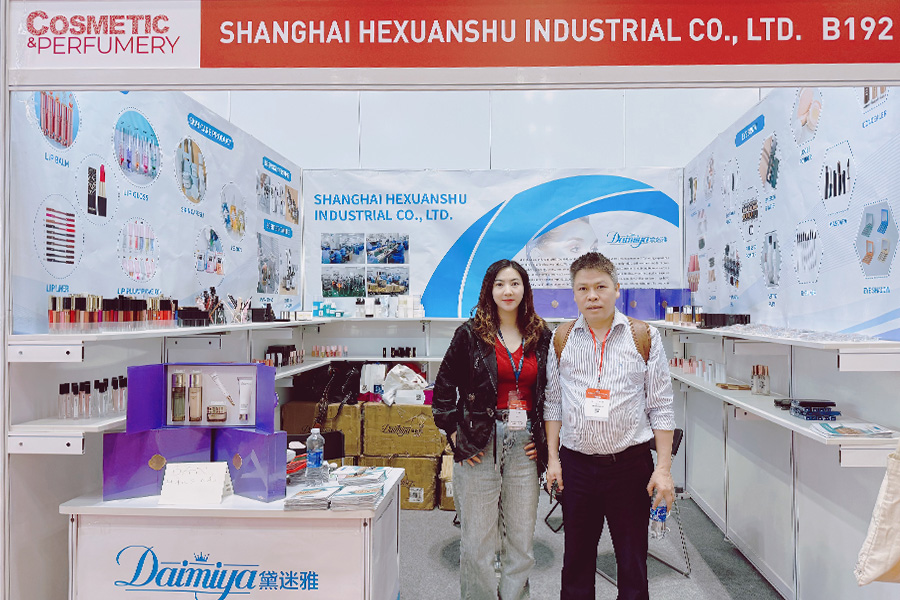
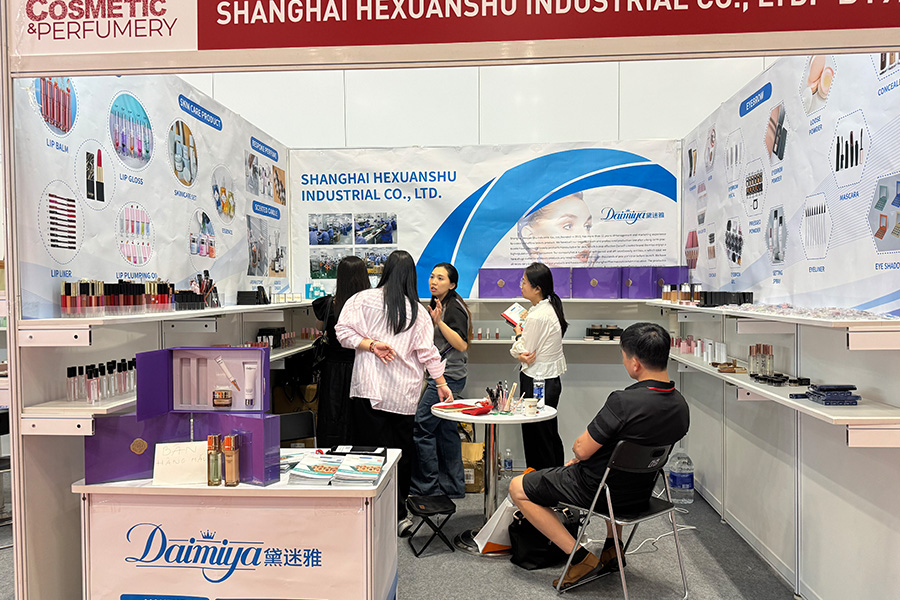
At Shanghai Hexuan Shu Industrial Co., Ltd., we have an experienced R&D team that works diligently to source high-quality materials, ensuring that all our eye masks are not only effective but also safe and comfortable for the skin. We continually monitor the quality of our raw materials to ensure consistency and durability in every batch.
2. Design and Customization Challenges
ODM and OEM manufacturers often face challenges when it comes to designing and customizing eye masks that align with consumer preferences. Each customer may have specific requirements, from color choices to the inclusion of special features like adjustable straps or cooling gel.
Key Design Issues:
- Design Complexity: Customizing eye masks with added features, such as ergonomic designs or printed logos, can be difficult and time-consuming. These additional features can sometimes compromise the mask's fit, comfort, or durability.
- Lack of Versatility: Some eye masks are designed for specific purposes, such as sleep masks, cooling masks, or beauty masks. Ensuring that a mask meets all of the necessary functional requirements without compromising on comfort or style is a delicate balance.
- Manufacturing Constraints: The customization of eye masks can be limited by manufacturing constraints. For instance, intricate designs might require advanced stitching techniques or special machinery, which could increase the production cost and time.
At Shanghai Hexuan Shu Industrial Co., Ltd., we pride ourselves on our ability to provide a wide range of design options. Our professional production lines allow for a high degree of customization, ensuring that each eye mask meets the precise needs of our clients while maintaining the highest standards of quality.
3. Production Lead Time and Scalability
Another common issue in the manufacturing process of eye masks is managing production lead times and ensuring scalability. As demand for eye masks increases, manufacturers must be able to ramp up production without compromising quality.
Lead Time Challenges:
- Delays in Production: Delays in material sourcing, manufacturing, or quality control processes can lead to long lead times. This can be particularly challenging for businesses that need to meet tight deadlines.
- Quality Control Bottlenecks: Extensive quality control checks are essential to ensure that eye masks meet the required standards. However, these checks can slow down the production process, especially when the volume of orders increases.
- Supply Chain Disruptions: External factors, such as global supply chain issues, can affect the availability of raw materials or the efficiency of production lines.
Shanghai Hexuan Shu Industrial Co., Ltd. has built a robust supply chain and production system that can handle large volumes while maintaining fast lead times. By investing in advanced technology and optimizing production workflows, we are able to deliver high-quality eye masks in a timely manner, even for bulk orders.
4. Quality Control and Inspection
Ensuring consistent quality throughout the manufacturing process is vital for maintaining customer satisfaction and brand reputation. Inconsistent quality control can lead to defective products, which can ultimately affect a company's bottom line.
Common Quality Control Issues:
- Inconsistent Product Quality: Without a comprehensive quality control process, manufacturers may produce eye masks that do not meet the required standards in terms of stitching, material strength, or comfort.
- Human Error: Manual inspection processes are prone to human error. Workers might overlook defects, such as stitching errors or uneven fabric cuts, leading to faulty products.
- Lack of Testing for Comfort and Durability: Inadequate testing of eye masks for comfort, durability, and safety can lead to dissatisfaction among consumers. For example, a mask that is uncomfortable to wear for long periods can result in negative reviews and returns.
At Shanghai Hexuan Shu Industrial Co., Ltd., we have implemented a rigorous quality control system. Our team conducts multiple quality checks throughout the production process, from raw material inspection to final product testing, ensuring that every eye mask meets the highest quality standards.
5. Compliance with Regulatory Standards
Manufacturers of eye masks must comply with a variety of regulatory standards depending on the market. These regulations can include safety standards, material restrictions, and labeling requirements.
Compliance Issues:
- Certification and Labeling: Eye masks must be labeled with appropriate safety and usage instructions. Manufacturers must also ensure that all claims made on the packaging are accurate and compliant with local regulations.
- Health and Safety Regulations: If the eye masks are intended for medical or therapeutic purposes, they must comply with stricter health and safety regulations. This may require additional testing and certification, which can increase both time and cost.
- Export Restrictions: Manufacturers may face challenges when exporting eye masks to different countries, each of which may have its own set of import regulations and product certifications.
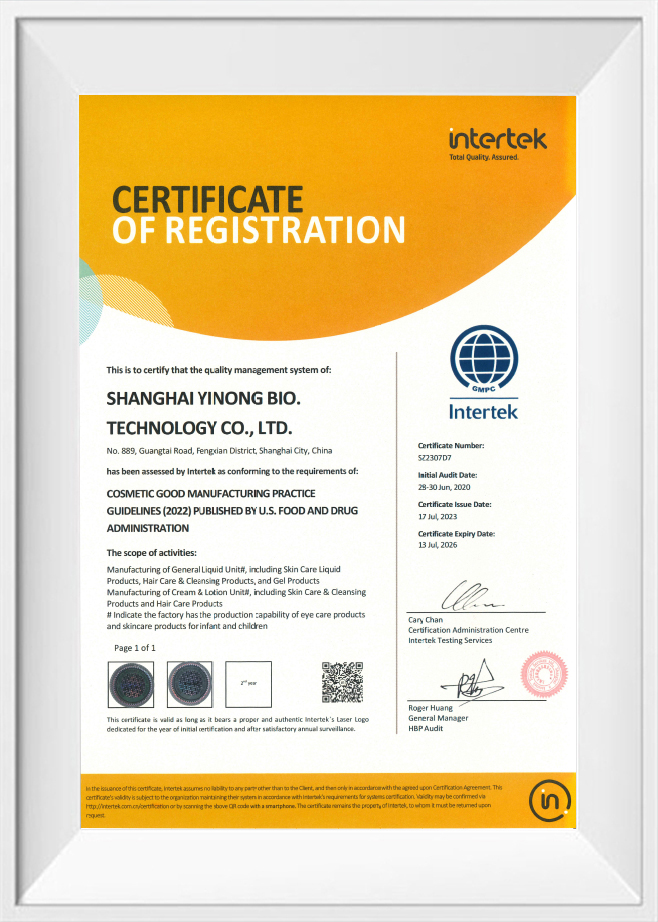
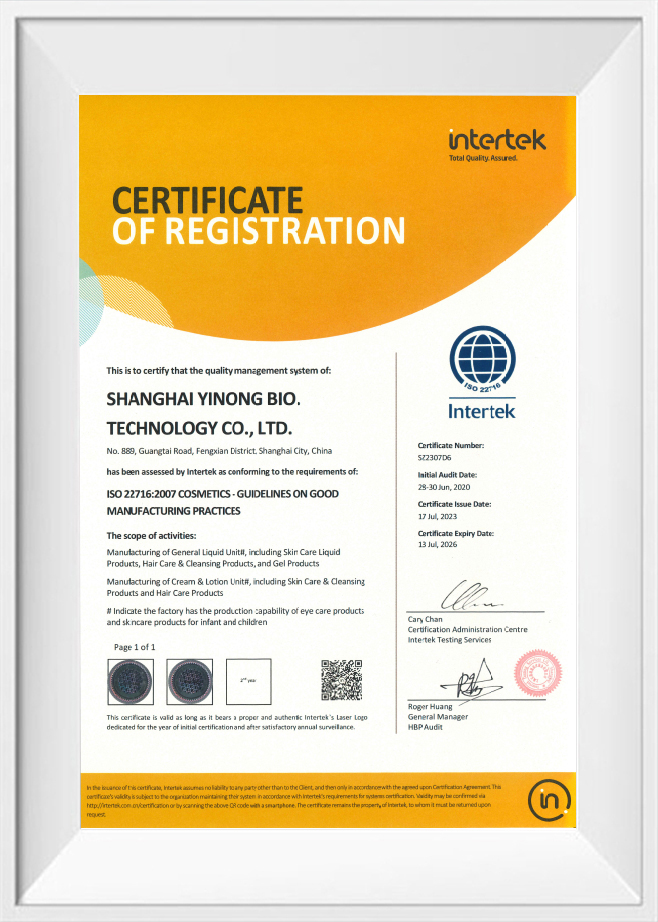
At Shanghai Hexuan Shu Industrial Co., Ltd., we ensure that all our eye masks are fully compliant with industry regulations. Our products undergo rigorous testing and certification processes to meet both local and international standards, ensuring safety and reliability for consumers.
6. Packaging and Shipping Issues
The final step in the manufacturing process involves packaging and shipping the eye masks. Improper packaging can lead to damage during transit, while inefficiencies in the shipping process can delay delivery times and increase costs.
Packaging and Shipping Challenges:
- Product Damage During Shipping: Eye masks are delicate items that can easily be damaged if not properly packaged. Materials like soft fabrics may be crushed or deformed during transit if not carefully protected.
- Inefficient Packaging: Packaging that is not optimized for shipping can lead to higher shipping costs, as larger boxes or excess packaging materials may be used.
- Delays in Delivery: Shipping delays, whether due to logistics issues or customs delays, can affect the timely delivery of products, especially for bulk orders.
At Shanghai Hexuan Shu Industrial Co., Ltd., we use high-quality packaging materials designed to protect our eye masks during transit. We also work with reliable logistics partners to ensure that our products are delivered to customers in a timely and cost-effective manner.
FAQ
Q1: What materials are commonly used in the manufacturing of ODM/OEM eye masks?
A1: Common materials include cotton, silk, synthetic fabrics, and foam. These materials are selected based on factors such as comfort, durability, and skin sensitivity.
Q2: How can I customize my ODM/OEM eye mask design?
A2: Customizations can include different colors, logos, patterns, and added features such as adjustable straps or cooling gel. Working with an experienced manufacturer will ensure that your design preferences are met.
Q3: What is the minimum order quantity for ODM/OEM eye masks?
A3: The minimum order quantity varies depending on the manufacturer and the complexity of the design. It is typically higher for custom designs and larger production runs.
Q4: How do I ensure the quality of the ODM/OEM eye masks?
A4: Ensure that the manufacturer has a rigorous quality control system in place, with multiple checks at different stages of production. Also, request product samples before placing a large order.
Q5: What certifications should an ODM/OEM eye mask manufacturer have?
A5: Look for certifications such as ISO, CE, and other relevant safety and quality certifications depending on the market you're targeting.

 Search
 EN
EN
 English
 Español
 عربى
عربى