How do you prevent contamination during the production of ODM/OEM face creams?
The production of ODM/OEM face cream involves complex processes, requiring manufacturers to maintain high standards of hygiene, safety, and quality. Contamination during this process can lead to serious consequences, including compromised product efficacy and consumer health risks. For ODM/OEM face creams, preventing contamination is critical to ensuring that the final product is safe, effective, and meets the expectations of consumers.
Understanding the Risk of Contamination in ODM/OEM Face Cream Production
Contamination in cosmetic products such as ODM/OEM face creams can occur at any stage of the manufacturing process, from raw material sourcing to packaging. Potential sources of contamination include biological contaminants like bacteria or fungi, chemical contaminants such as residual solvents, and physical contaminants like foreign particles. Each of these risks can negatively impact the safety, performance, and shelf life of the product.
Contamination can be introduced during various stages, including formulation, mixing, storage, and packaging. It is essential that ODM/OEM face cream manufacturers implement stringent protocols to mitigate these risks. By understanding the various sources of contamination, manufacturers can develop effective strategies to prevent it and ensure product integrity.
Key Practices for Preventing Contamination in the Production of ODM/OEM Face Cream
The following key practices help ODM/OEM face cream manufacturers prevent contamination and ensure product quality:
1. Good Manufacturing Practices (GMP) Compliance
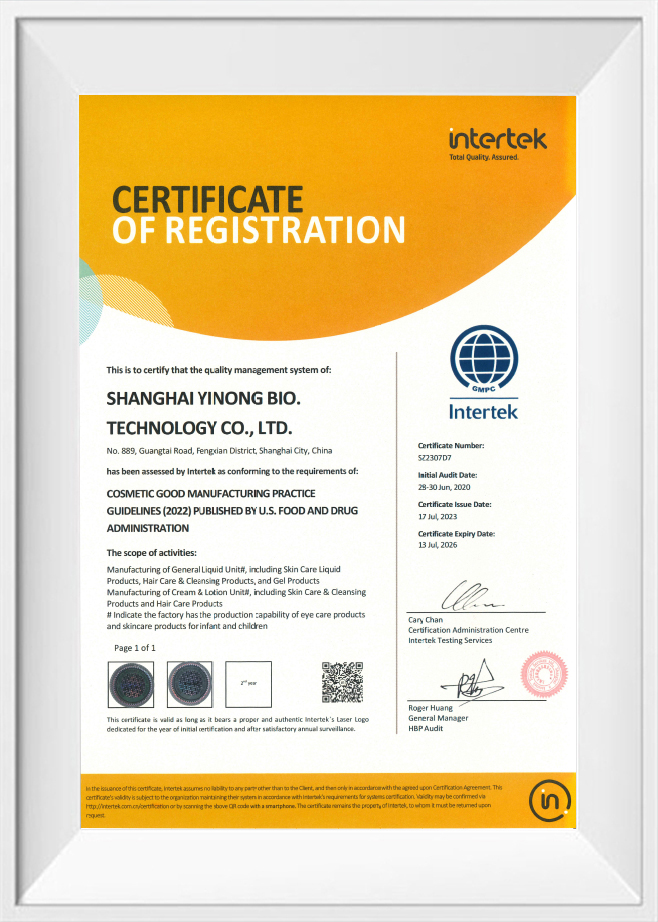
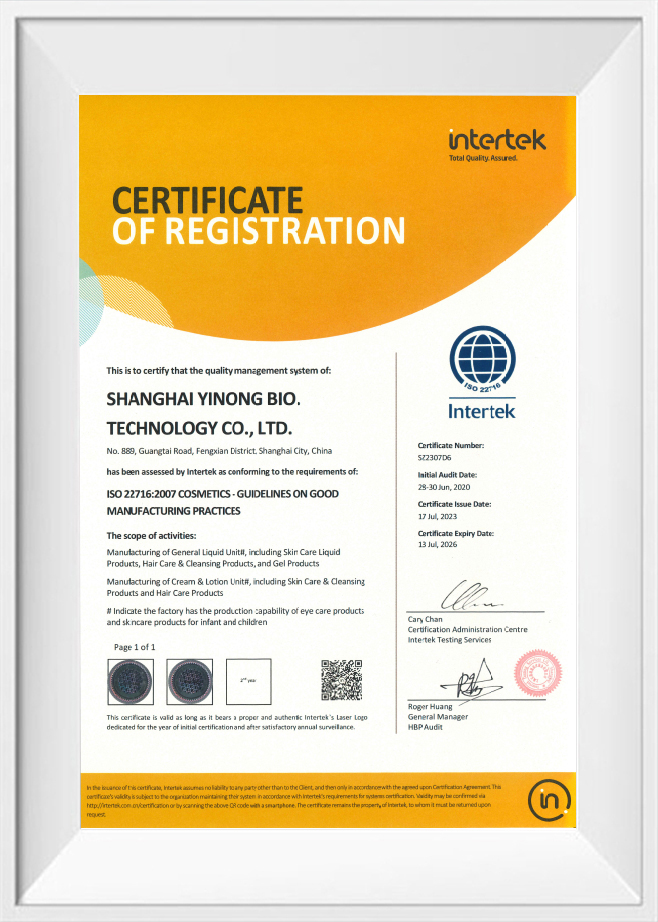
Good Manufacturing Practices (GMP) are essential guidelines that ensure products are consistently produced and controlled according to high standards. For ODM/OEM face cream production, adhering to GMP is crucial for preventing contamination. These standards focus on hygiene, equipment maintenance, staff training, and environmental control, ensuring that the entire production process is safe and efficient.
Key Aspects of GMP in ODM/OEM Face Cream Production:
Personnel Hygiene and Training: Employees involved in the production process must follow strict hygiene protocols, including wearing protective clothing and practicing hand sanitation. Regular training is essential to ensure that all personnel understand the importance of contamination control.
Facility Cleanliness: The production facility must be regularly cleaned and maintained to prevent contamination. This includes ensuring that production rooms, equipment, and storage areas are sanitized to eliminate potential sources of contamination.
Equipment Maintenance and Calibration: Regular maintenance of equipment is essential to prevent contamination. Equipment should be inspected and calibrated according to manufacturer guidelines to ensure proper functionality.
Quality Control and Testing: Regular quality control checks at different stages of production, including raw materials, in-process materials, and finished products, help ensure that no contamination is present.
2. Control of Raw Materials
The prevention of contamination starts with the control of raw materials used in ODM/OEM face cream formulations. Manufacturers must ensure that all raw materials are sourced from trusted suppliers and are free from contaminants.
Key steps in raw material control include:
Supplier Qualification: All suppliers must be vetted and evaluated to ensure they adhere to strict quality standards. Suppliers must provide certificates of analysis (COA) for the raw materials, confirming their quality and safety.
Storage Conditions: Raw materials must be stored in controlled environments to prevent contamination. Proper storage prevents degradation of ingredients and minimizes the risk of cross-contamination.
Ingredient Testing: Before use, each raw material should undergo testing for purity, microbiological safety, and other relevant quality parameters. Testing helps ensure that only high-quality materials are used in the formulation of ODM/OEM face creams.
3. Environmental Control in the Production Facility
Creating an optimal environment for ODM/OEM face cream production is essential for preventing contamination. The production facility must be designed to prevent the introduction of contaminants, whether biological, chemical, or physical.
Clean Rooms and Air Filtration: Clean rooms equipped with proper air filtration systems are essential for maintaining air quality and preventing airborne contaminants. These rooms should be designed to minimize the risk of cross-contamination between different production batches.
Temperature and Humidity Control: Temperature and humidity levels must be closely monitored and controlled to prevent the growth of bacteria and fungi, which can thrive in warm and moist environments.
Cross-Contamination Prevention: Segregation of different production areas, as well as the use of dedicated equipment for different stages of production, reduces the risk of cross-contamination. Strict protocols should be followed to prevent contact between different product lines.
4. Sterilization and Sanitation of Equipment
Sterilization of equipment used in ODM/OEM face cream production is a critical step in preventing contamination. Equipment such as mixers, tanks, and packaging machines should be thoroughly cleaned and sterilized before use.
Regular Cleaning Procedures: Equipment should be cleaned after every production batch to remove any product residues and contaminants. Regular cleaning ensures that any traces of previous batches or external contaminants are eliminated.
Sterilization Methods: Depending on the equipment and materials used, manufacturers may opt for various sterilization methods, including autoclaving, ultraviolet (UV) light, or chemical sterilization. These methods help eliminate microbial contaminants and ensure equipment is free from harmful pathogens.
5. Packaging Control
Packaging plays a crucial role in maintaining the integrity of ODM/OEM face creams and preventing contamination. The packaging process should be designed to ensure that the cream remains free from external contaminants.
Sterile Packaging Materials: Packaging materials, such as jars, tubes, and pumps, should be sterile or undergo a sterilization process before use. This prevents the introduction of contaminants during the packaging process.
Sealing and Tamper-Evident Features: Packaging should be designed to prevent contamination during transportation and storage. Tamper-evident seals and airtight containers help maintain product quality and prevent external contamination.
Environmental Control During Packaging: Packaging should be done in controlled environments, with attention to factors such as temperature, humidity, and cleanliness, to prevent contamination during the final stages of production.
Technology and Innovation in Contamination Prevention
Technological advancements have significantly improved the ability to prevent contamination in ODM/OEM face cream production. Some of the latest innovations include:
1. Automated Production Lines
Automated production lines help reduce human error and maintain high levels of hygiene by minimizing direct contact with the product. Automation ensures consistency and efficiency in production while minimizing the risk of contamination during manufacturing processes.
2. Advanced Testing Technologies
Advanced testing technologies, such as real-time monitoring systems and automated quality control checks, help detect potential contamination early in the production process. These technologies allow manufacturers to make quick adjustments before contamination becomes a larger issue.
3. Microbial Control Solutions
Microbial control solutions, such as preservative systems, can help prevent the growth of harmful microorganisms in ODM/OEM face creams. By using a combination of natural and synthetic preservatives, manufacturers can ensure product safety and extend shelf life.
FAQ: Common Questions About ODM/OEM Face Cream Production
Q1: How can I ensure my ODM/OEM face cream is safe from contamination?
A1: Ensuring safety involves adhering to GMP guidelines, controlling raw materials, sterilizing equipment, and maintaining a clean and controlled environment during production.
Q2: What are the common contaminants in face cream production?
A2: Common contaminants include bacteria, fungi, residual solvents, and foreign particles. These can all affect the safety and quality of the product.
Q3: How do you control contamination during packaging?
A3: Packaging materials should be sterile, and packaging should take place in a controlled environment with sealed containers to prevent contamination.
Q4: What technologies are used to prevent contamination in face cream production?
A4: Technologies such as automated production lines, real-time monitoring, and advanced microbial control solutions are used to prevent contamination.
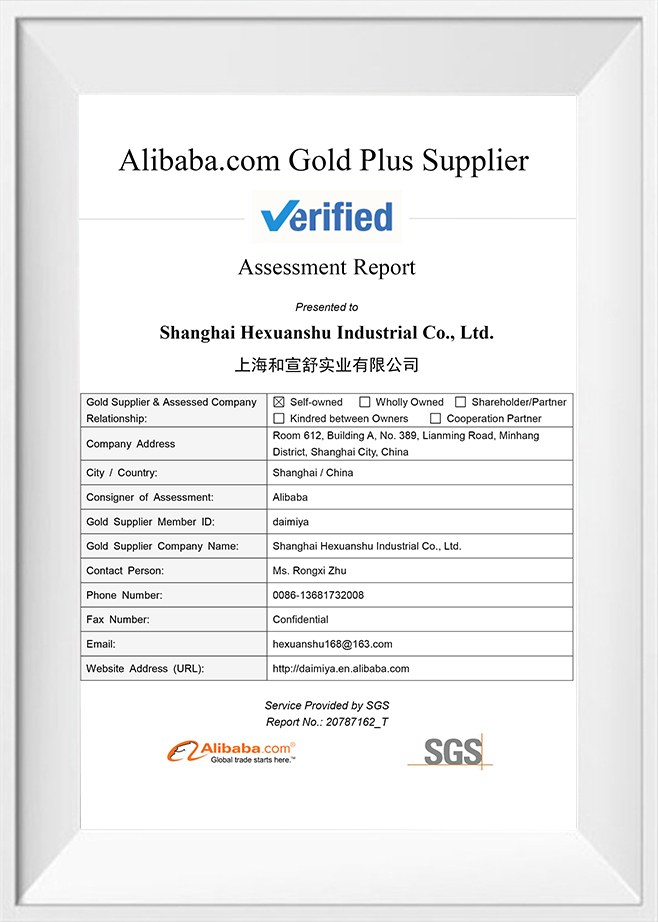
Q5: How does Shanghai Hexuan Shu Industrial Co., Ltd. ensure contamination-free face creams?
A5: The company adheres to GMP standards, employs advanced sterilization techniques, and regularly tests raw materials and finished products to ensure contamination is prevented.

 Search
 EN
EN
 English
 Español
 عربى
عربى