 Search
 EN
EN
 English
 Español
 عربى
عربى

Carrier Oil for Perfume Making: How to Choose and Use the Best Base Oil
Content
A bottle of bergamot and sandalwood arrived in my testing queue last month with a one-line complaint: the scent disappeared after ten minutes. The formula had no carrier oil. The undiluted fragrance was evaporating off the tester's arm almost immediately, and the blend had started to feel sticky instead of smooth. It is the most common mistake in perfume making, and it is easy to fix once you understand the job of the base.
The best carrier oil for perfume making is jojoba oil for most formulas. It feels light, contributes almost no smell of its own, and resists rancidity far longer than most plant oils. Fractionated coconut oil is a close second when you want an even drier, faster-absorbing base. The rest of this guide explains why these two dominate, how to evaluate the alternatives, and what changes when you move from a hobby bench to a commercial batch.
What a carrier oil really does in a perfume formula
A carrier oil serves three jobs in any perfume formula. It dilutes concentrated fragrance materials to a level that is safe on the skin. It slows evaporation, which is why a properly diluted perfume lasts for hours while a drop of pure essential oil fades quickly. And it spreads the scent evenly over the skin in a fine film instead of leaving it concentrated in one spot.
Essential oils and fragrance oils are volatile aromatic compounds. Applied alone, they flash off quickly and can irritate the skin. Carrier oils are fixed oils: they do not evaporate, so they hold the fragrance and release it gradually. The carrier also shapes how a blend develops. Top notes move through the oil film first, heart notes follow, and the base notes stay in contact with the skin longer, which is why the same concentrate can smell noticeably different in jojoba than in sweet almond.
The same logic explains the alcohol-versus-oil debate. Alcohol perfumes produce a sharp opening burst and dry down faster. Oil-based perfumes sit closer to the skin and unfold more slowly, which is why people who find alcohol spray harsh often prefer an oil base. The trade-off is projection: an oil-based perfume is a skin scent rather than a room-filling statement.
The most reliable carrier oils, compared side by side
If you want a practical shortcut, test one of the oils below with the same fragrance blend and wear each version on a different day. The carrier changes the perfume experience more than most beginners expect.
| Carrier oil | Texture | Absorption | Usable life | Best matched with |
|---|---|---|---|---|
| Jojoba | Light, smooth | Medium | 2+ years | Most blends; florals, citrus, woods |
| Fractionated coconut | Very light, dry | Fast | About 2 years | Roll-ons and delicate top notes |
| Sweet almond | Slightly rich | Medium | 6-12 months | Warm, gourmand and amber blends |
| Grapeseed | Thin, dry | Fast | 6-9 months | Trial batches and budget lines |
| Apricot kernel | Silky, light | Medium-fast | 12-18 months | Sensitive-skin formulas |
| Argan | Smooth, rich | Medium | 1-2 years | Premium product positioning |
Jojoba: the perfumer's default
Jojoba is not technically an oil; it is a liquid wax whose chemistry resembles human sebum. That gives it a natural skin feel, a lower risk of clogging pores than heavier oils, and an even hold on fragrance molecules. It also has the longest usable life of the common carriers: cold-pressed jojoba stays fresh for two years or longer without added antioxidants. For a beginner, jojoba removes the biggest variable in perfume making, which is rancidity.
Fractionated coconut: the lightweight workhorse
Fractionated coconut oil has had its long-chain fatty acids removed, so it stays liquid at room temperature and absorbs quickly. It is nearly odourless and feels less greasy than sweet almond. The drawback is texture: some perfumers find it feels "dryer" on skin and that a very thin base releases top notes faster, which shortens the perceived dry-down of the perfume.
Sweet almond, grapeseed, apricot kernel and argan
Sweet almond adds a soft, nutty richness that flatters amber and gourmand blends, but it oxidises faster, which shortens its usable life. Grapeseed is the economical choice for experiments, though its thin texture is less satisfying on dry skin. Apricot kernel sits between jojoba and sweet almond in every way and is gentle on sensitive skin. Argan delivers a luxury feel, but its cost-to-scent benefit only makes sense when the finished product is positioned as premium.
How the carrier changes the finished perfume
The carrier does not just dilute the fragrance; it modifies scent profile, performance and skin feel. Choose it with the same care you give to the fragrance itself.
- Delicate florals and citrus: jojoba or fractionated coconut, both low-odour and light
- Woody and resinous blends: sweet almond or apricot kernel to round off rough edges
- Sensitive or acne-prone skin: jojoba or well-refined fractionated coconut
- Trial and learning batches: grapeseed because it is inexpensive
- Gift or premium lines: argan or apricot kernel for a smoother skin feel
Two quality checks matter more than the oil type. First, use cold-pressed or physically refined oils with an odour as close to neutral as possible; a nutty-smelling oil fights the fragrance. Second, store the finished perfume in amber glass and limit air exposure, because oxidation is the reason homemade perfume develops a crayon-like note after a few months.
If you are still deciding on a scent direction, read this guide to choosing the right women's perfume scent before you finalise your carrier, because the blend structure determines how much body the base needs to support.
Dilution ratios and blending rules
Start with 20% fragrance concentrate and 80% carrier oil for a standard perfume oil. That ratio is used in many roll-on products and is the most common starting point for custom private-label formulas. The working range is 15-30%, depending on the strength of the concentrate and the warmth of the wearer's skin. Body oils drop to 3-5%; solid perfumes stay near 10-20% because the wax locks in the scent.
- Weigh the carrier oil first; weight is more accurate than volume.
- Add the fragrance at the lower end, for example 15g per 85g of jojoba.
- Cap the bottle and swirl gently; vigorous shaking adds air bubbles.
- Let the blend rest for 48 hours before testing on skin.
- Adjust in 5% steps and write down every change.
Skin safety follows concentration. Concentrated fragrance oils and some essential oils cause irritation at high levels. Many commercial perfume oils are formulated in the 15-30% range, and IFRA provides per-material limits that should be checked during formulation. If you feel tingling or see redness, dilute further rather than trying to mask it.
For a deeper look at how the percentages affect performance, including how different bases evaporate on skin, see this comparison of perfume concentration and evaporation standards.
A ready example of the 20/80 system is a commercial roll-on: roughly 20% concentrate in an oil base, delivered by friction. That is how many roll-on perfumes, including this sweet peach perfume roll-on oil, are structured, and it is a useful reference point when you are validating your own formula.
From home bench to commercial production
When you move from personal batches to a product line, the carrier decision shifts from personal preference to supply-chain and compliance territory.
Consistency is the first problem. A single batch of jojoba can differ slightly, but fragrance concentrates vary much more. A competent supplier documents each batch with specification sheets, safety data and stability data, so your carrier-to-concentrate ratio is reproducible. Test the full formula at refrigeration temperature, room temperature and 40°C; a stable perfume oil should not cloud, separate or drift in colour.
Documentation is the second problem. Every ingredient needs its INCI name on the label, and the carrier contributes several named compounds. If you sell across borders, claim support matters: "cold-pressed jojoba" is a sourcing claim that needs a paper trail.
Brand teams often shortcut development by sourcing a high-concentrate designer perfume oil with known performance, then diluting it with their own carrier in-house. That keeps creative control and shifts raw-material risk to the supplier. As volume grows, cost per kilogram becomes the deciding factor: buying a bulk perfume essential oil and blending at a fixed ratio in-house is usually the most economical route, as long as the carrier supply is equally consistent.
A full-service manufacturer can do more than sell you raw materials. With an in-house perfumery and production line, we can help you match a carrier to a fragrance concentrate, advise on ratios that survive logistics, and produce finished roll-on, spray or solid formats under your own brand. Low minimum order quantities and in-stock fragrance oils make small-batch launches realistic. If you want to understand the complete process, from formula to labelled product, read this step-by-step guide on how to build a private label cosmetic line.
The best carrier oil for perfume making is the one you can source consistently, keep stable and match to your scent. For a first formula, that means jojoba. For a commercial line, it means working with a factory that can prove the numbers. Start there, and you will avoid the exact problem from the beginning of this article: a beautiful fragrance that disappears before it is worn.
-
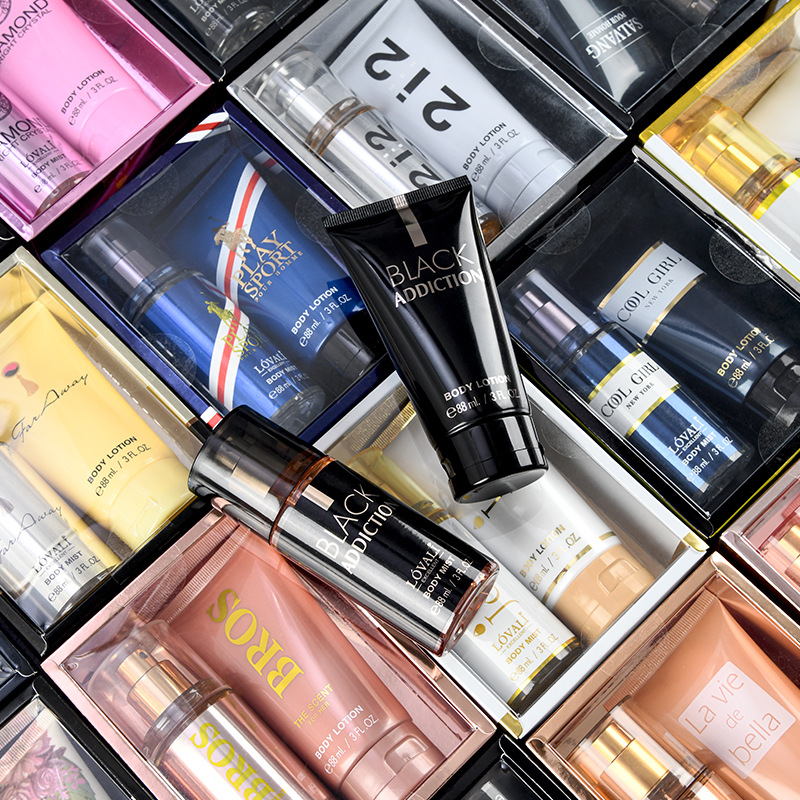 Perfume Gift Set 88ml Body Mist and 88ml Body Lotion Gift Sets for Women Men Body Spray
-
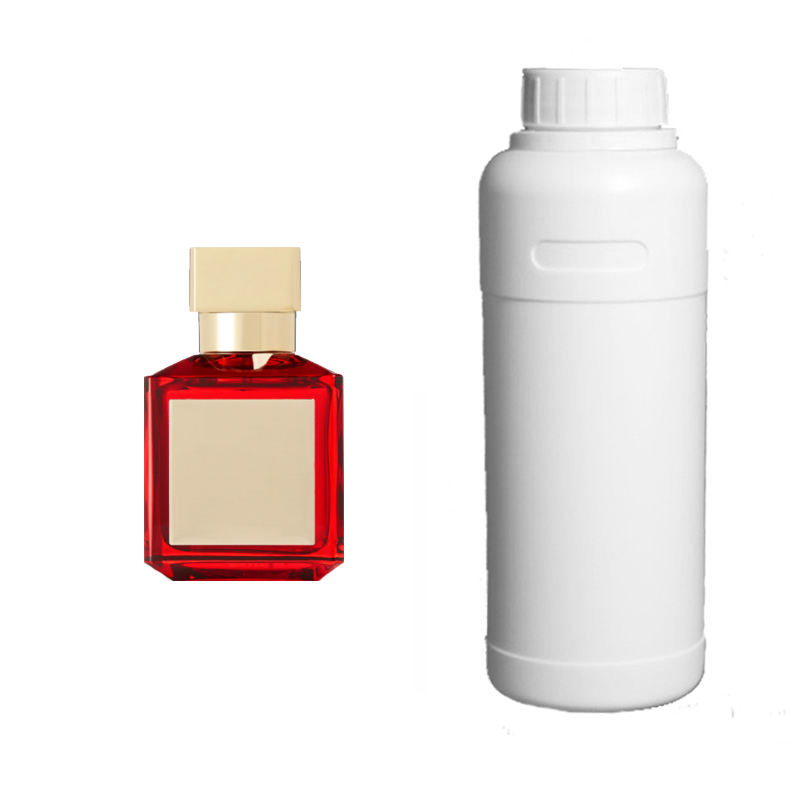 Concentration Bulk Perfume Essential Oil for Lady Design Extraction Fragrance Spray Liquid on Body 1kg/5kg/10kg
-
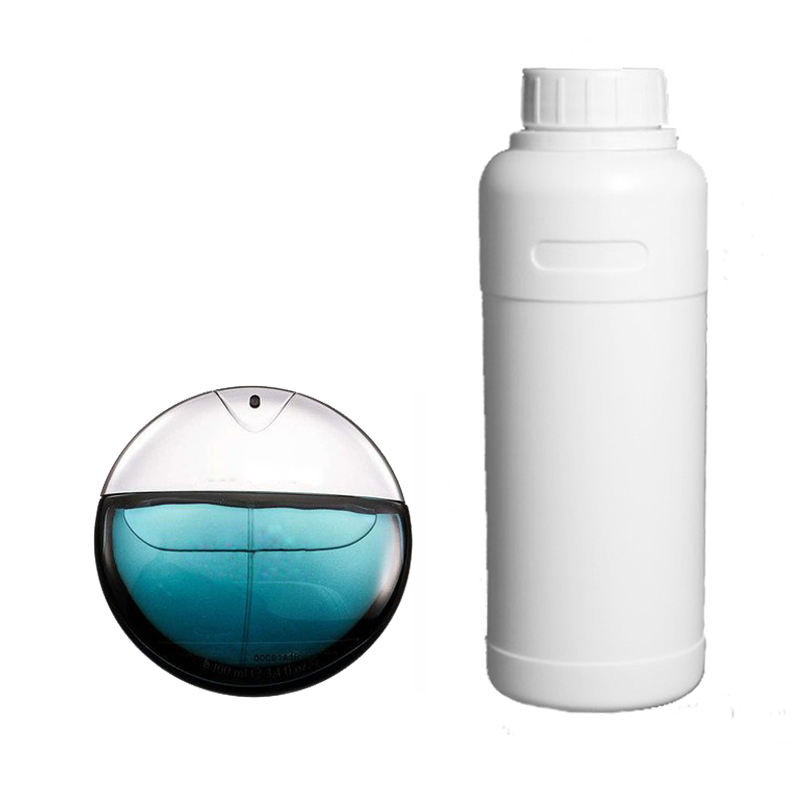 Long Lasting Famous Branded High Concentrate Designer Perfume Oil Flavor Parfum 1kg/5kg/10kg
-
 Body Mists Perfume Original Deodorant Fruit Smell Women Designer Perfume Oils 50ml/100ml
-
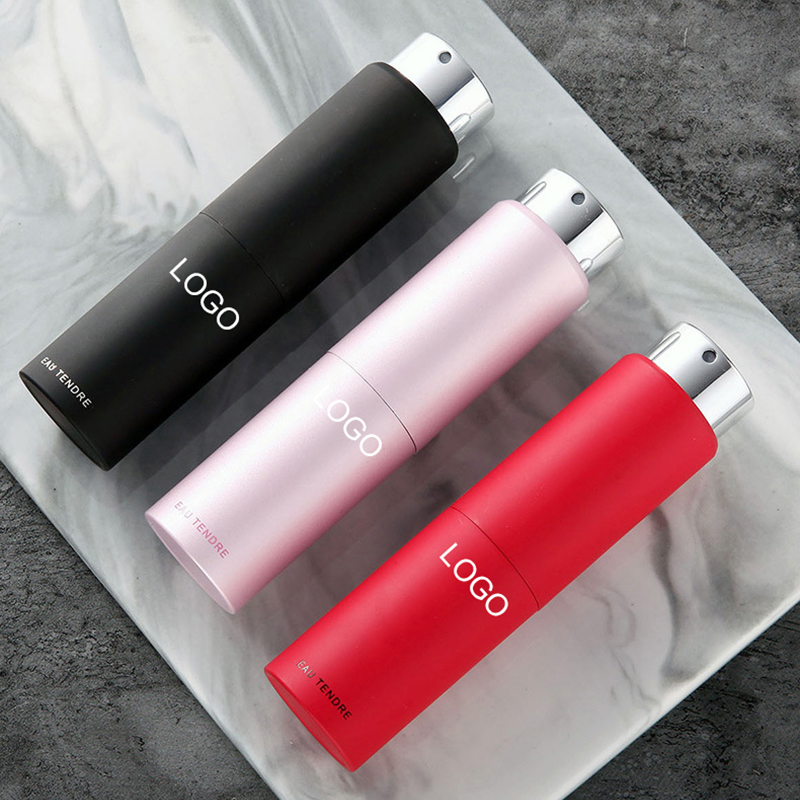 20ML Travel Size Body Spray Long Lasting Floral Portable Perfume Body Splash Set for Men and Women
-
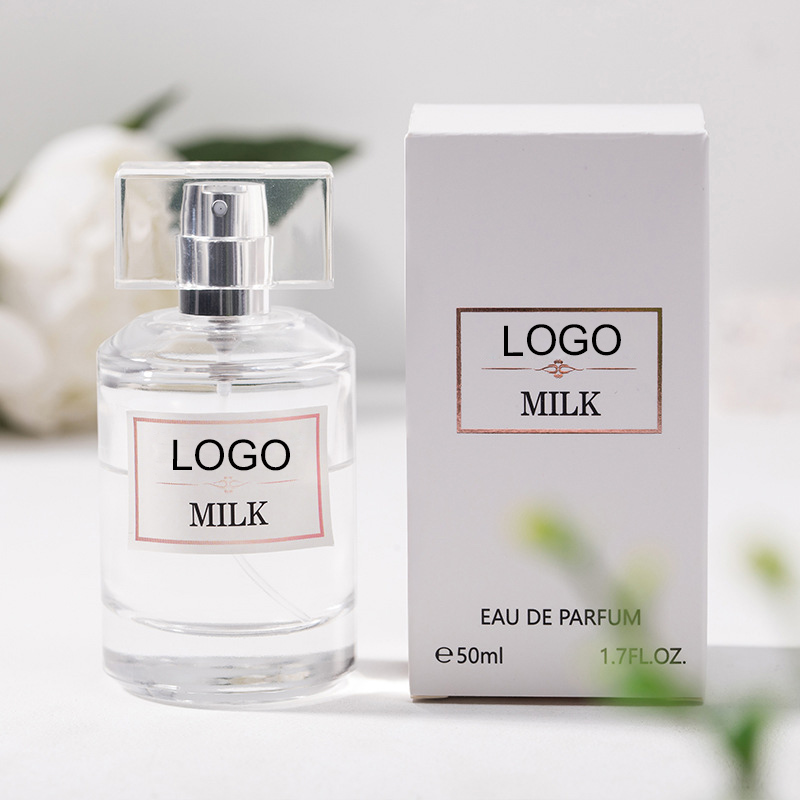 Perfume for Women 50/100ml EDP Long Lasting Fragrance Classic Lady Perfume

- E-mail: [email protected]
- TEL: +86-021-54730699
- Phone/Whatsapp: +86 136 8173 2008
- ADD: Room 612, Building A, No. 389, Lianming Road, Minhang District, Shanghai, China
To Browse
Mobile terminal
Copyright © Shanghai Hexuanshu Industrial Co., LTD
All Rights Reserved.
Wholesale Private Label Luxury Colour Cosmetic Products
