 Search
 EN
EN
 English
 Español
 عربى
عربى

DIY Oil Based Perfume: Ratios, Carrier Oils and Blending Steps That Work
Content
- 1 What Is an Oil Based Perfume? The Working Definition
- 2 The Concentration Math Most Drop-Count Recipes Skip
- 3 Materials and Tools: Six Items, Two of Which Affect Scent
- 4 How to Make an Oil Based Perfume in Six Measured Steps
- 5 Oil Based Perfume vs Alcohol Spray: Where Each One Wins
- 6 Five Mistakes That Ruin a Homemade Batch
- 7 From Kitchen Bench to Product Line
- 8 Frequently Asked Questions
Ten milliliters of fractionated coconut oil, two glass roller bottles, and a 0.01 gram scale: that is the entire setup behind a proper DIY oil based perfume, and it costs less than a single bottle of commercial eau de toilette. The reason most home blends disappoint is not equipment; it is that drop-counting recipes ignore concentration, and concentration decides whether a scent lasts four hours or fades before lunch.
An oil based perfume asks for more precision than an alcohol spray, not more talent. Oil carries aroma differently: it mutes bright top notes, extends base notes, and exposes every shortcut in the final wear. The sections below cover the working definition, the concentration math, a six-step blending timeline, and the five mistakes that ruin most homemade batches.
What Is an Oil Based Perfume? The Working Definition
The short answer: an oil based perfume is fragrance aromatics dissolved in a fixed carrier oil instead of ethanol. No alcohol, no water, nothing volatile doing the carrying, which is exactly why it behaves differently on skin than a spray from a department store counter.
Oil based perfume: a blend of fragrance materials such as essential oils, absolutes, or aroma compounds, dissolved in a fixed carrier like fractionated coconut oil at 5-20% concentration by weight and applied directly to the skin.
Because there is no alcohol to flash off, the opening is softer and the scent sits close to the body: low projection, high intimacy. That profile suits roll-ons, office-friendly wear, and anyone whose skin stings from sprays. It also sets the judging standard: evaluate an oil at wrist distance over several hours, not by how far it travels across a room.
The Concentration Math Most Drop-Count Recipes Skip
Weigh everything and target a 10-15% concentrate load in the first bottle: those two decisions separate a repeatable formula from a lucky accident. A drop is not a unit of measurement. The same pipette can release 20 mg of thin citrus oil and 60 mg of thick vanilla absolute, so two people following one drop recipe make two different perfumes. Weight is the only language a formula can be recorded in.
The math for a standard 10 gram batch at 12% reads: 1.2 g of blended concentrate plus 8.8 g of carrier, tared on the scale and combined in that order.
Stay at or below 15% while learning. Pushing past 20% rarely improves wear time; it mostly raises irritation risk and material cost, because the priciest aromatics in the bottle are the ones being overdosed.
Materials and Tools: Six Items, Two of Which Affect Scent
Only the first two items on this list shape how the perfume smells; the rest handle measurement and hygiene.
- Fragrance materials, three to five for batch one: a vanilla or benzoin base, a floral or spicy heart, one citrus or green top note
- Fractionated coconut oil, also sold as caprylic/capric triglyceride: colorless, odorless, and effectively immortal on the shelf; jojoba is the standard swap for dry skin
- 10 ml glass roller bottles with steel or glass balls
- A 0.01 g pocket scale
- Glass pipettes for clean transfers
- Labels and a dark box for storage
Skip olive, walnut, and virgin coconut oils. They absorb slowly, smell like themselves, and oxidize within months, and no amount of blending hides those flaws.
If sourcing raw aromatics feels heavy for batch one, start from a ready-made high-concentrate perfume oil and cut it to 10-15% with carrier. You still practice weighing, layering, and maceration without buying twenty raw materials first.
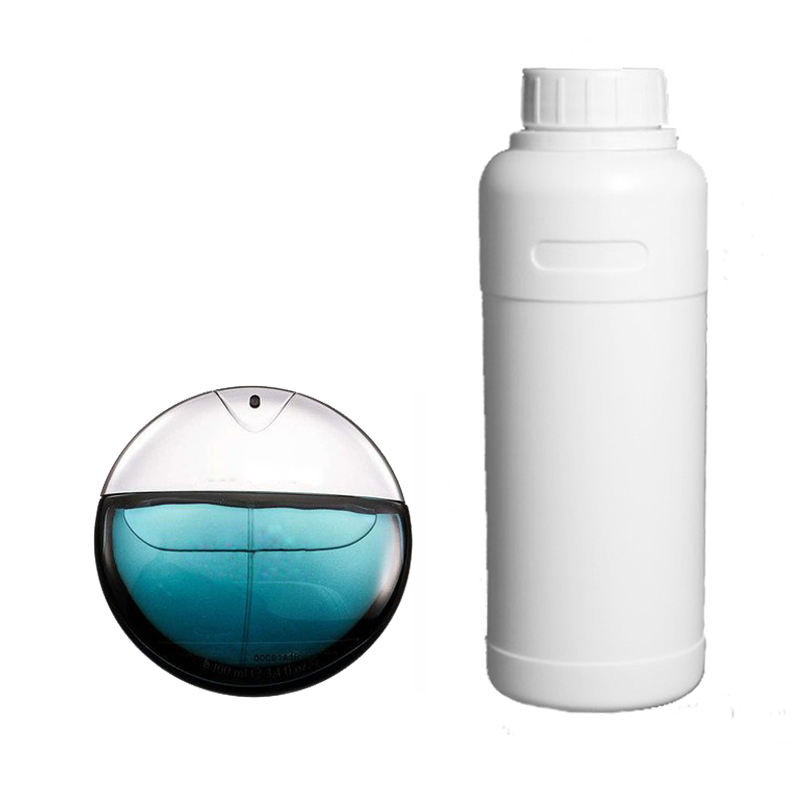 Long Lasting Famous Branded High Concentrate Designer Perfume Oil Flavor Parfum 1kg/5kg/10This perfume essential oil, factory-direct and wholesale, features a long-lasting fragrance and a highly concentrated formula. Suitable for bulk purchases by beauty br...View Product →
How to Make an Oil Based Perfume in Six Measured Steps
Hands-on time is under an hour; the rest is patience while the blend marries.
- Weigh the carrier. Tare a small glass beaker, add 8.8 g of fractionated coconut oil for a 10 g batch, and write the number down.
- Build from the bottom up. Weigh in base materials first (vanilla, sandalwood, labdanum), then heart notes (rose, jasmine, cardamom), then tops (bergamot, petitgrain). Record every gram.
- Stop at 12%. For a 10 g batch that means 1.2 g of total concentrate. Under-dosing can be corrected in batch two; over-dosing cannot be undone.
- Cap, label, and wait. Mark the date and a formula code, then rest the bottle somewhere cool and dark for at least 48 hours. Resin-heavy blends improve over two weeks.
- Patch test. Dab the inner elbow and wait 24 hours before regular wear, especially with citrus or spice materials in the formula.
- Bottle and store. Fill the rollers, wipe the threads, and keep the finished oil away from sunlight and radiators. Peak quality lasts 6 to 12 months.
For a benchmark before committing to a formula of your own, wear a finished roll-on for a few days and watch how the scent behaves at hour one versus hour four. A balanced sweet peach roll-on is a useful reference for what 12% feels like in motion.
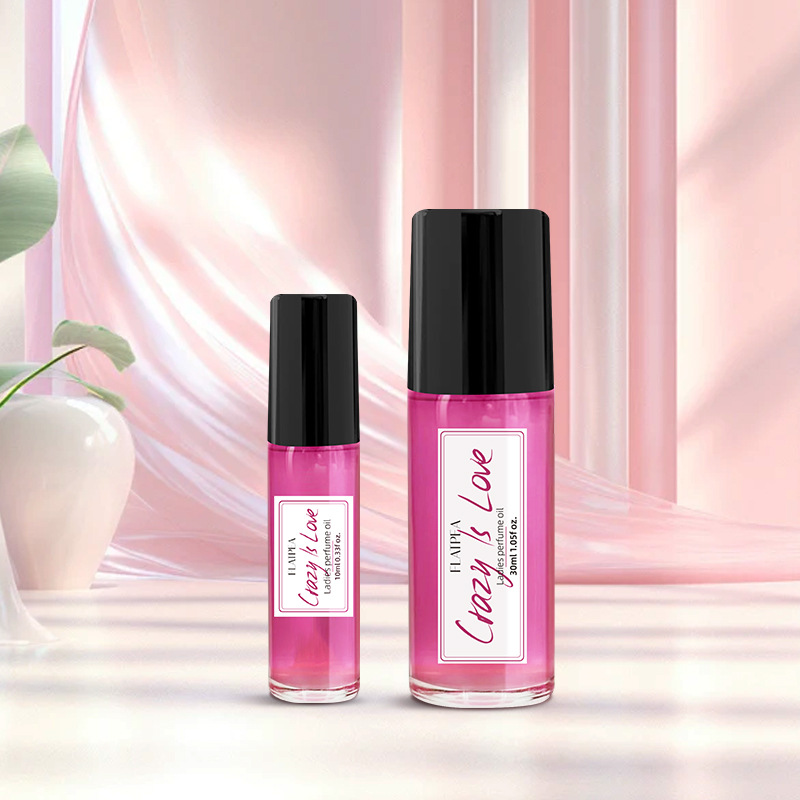 10ML/30ML Perfume Roll on Oil Sweet Peach Long-Lasting Fragrance Perfume Spray Scent LuxurThis series includes four products: a peach-scented roll-on essential oil, a long-lasting fragrance spray, a luxurious gift fragrance, and a body spray. All are availa...View Product →
Oil Based Perfume vs Alcohol Spray: Where Each One Wins
Neither format is better; they solve different problems. Oil buys skin longevity and zero sting, while alcohol buys lift and throw. The table shows the differences that matter once a bottle is in daily rotation.
| Attribute | Oil based | Alcohol based |
| Carrier | Fractionated coconut or jojoba oil | Ethanol |
| Opening | Soft, gradual build | Bright, immediate lift |
| Projection | Close to the skin, roughly arm's length | Noticeable trail for 1-2 hours |
| Skin wear | 4-6 hours typical | 2-4 hours at eau de toilette strength |
| Skin feel | Emollient, no sting | Can sting dry or freshly shaved skin |
| Travel and shipping | Rollerballs move without flammable-liquid limits | Ethanol sprays face air-freight restrictions |
Thrives in an oil base
- Vanilla and benzoin
- Sandalwood, cedar, and other woods
- Musk and amber accords
- Resins and balsams
- Warm spices such as cardamom
Goes quiet or turns flat
- Bright citrus top notes
- Watery marine and melon accords
- Boozy notes built on ethanol lift
- Delicate white florals at low doses
Five Mistakes That Ruin a Homemade Batch
Almost every failed batch traces back to one of five habits, and all five are fixable on day one.
- Counting drops instead of weighing. Drop weight varies up to threefold with viscosity, which is why copied recipes smell different in different kitchens.
- Using heavy kitchen oils. Olive and virgin coconut sit on the skin, carry their own odor, and turn rancid.
- Judging the blend too early. A fresh mix smells raw and disjointed. Rest it 48 hours minimum before any verdict.
- Chasing alcohol-style projection. More concentrate will not create throw; it creates irritation. Oil is an intimate format by design.
- Overdosing hot materials. Cinnamon, clove, and citrus oils are the most common sensitizers in home perfumery.
Before pushing any formula past 15%, check each material's dermal limit under the current International Fragrance Association (IFRA) standards. Reputable suppliers provide these figures on request as an IFRA certificate.
From Kitchen Bench to Product Line
The ratios in this guide are the same ones a factory runs, which is why perfume oil is one of the lowest-barrier fragrance categories to carry from hobby to product line. Concentrate load, carrier choice, maceration time, and patch-test records transfer directly into a spec sheet. Established suppliers such as Daimiya, the house brand of Shanghai Hexuan Shu Industrial Co., Ltd., structure their perfume-oil ranges on exactly this logic: concentrated bases, documented safety sheets, low minimum orders, and bottling that can carry a buyer's own brand.
The same 12% math that fills a 10 gram beaker scales to a kilogram batch without changing, which is how a DIY oil based perfume grows into a private-label product line. Once a personal recipe stabilizes, the practical next step is a bulk concentrate instead of twenty raw materials: extraction-grade perfume oils made for ladies' fragrance lines exist for exactly this purpose, and at scale they cut both cost and error margin.
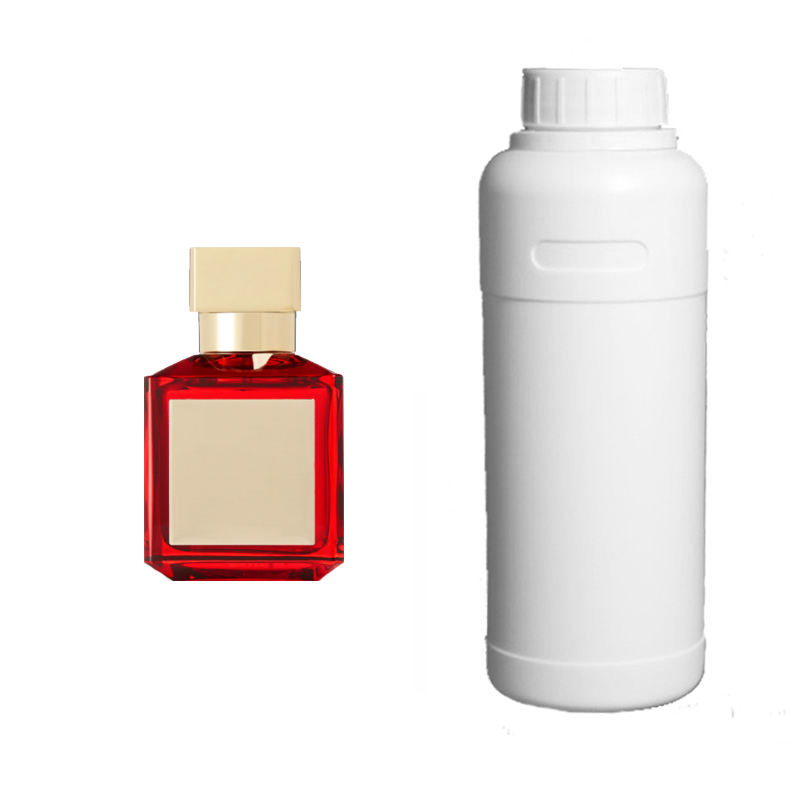 Concentration Bulk Perfume Essential Oil for Lady Design Extraction Fragrance Spray LiquidDesigned specifically for women, this highly concentrated, bulk fragrance oil is suitable for beauty and fragrance retailers and can be used as a blending ingredient f...View Product →
Weigh everything, rest every blend, write the formula down. A perfume you cannot reproduce is a perfume you cannot sell, and that rule holds at 10 grams or 10 kilograms.
Frequently Asked Questions
How long does a homemade perfume oil last on skin?
A 10-15% blend typically wears 4-6 hours, and resin-heavy formulas reach 8. Longevity follows the concentrate load and the dominant materials: musks, resins, and woods outlast citrics by several hours.
Which carrier oil should I use?
Fractionated coconut oil is the default: colorless, odorless, stable for years, and inexpensive. Jojoba suits dry skin and adds a faint nutty character; sweet almond is a budget option with a shorter shelf life.
Can I blend with essential oils only?
Yes, and many home perfumers do. Expect a quieter, more natural profile, and accept that certain effects such as lily of the valley, melon, and marine notes have no reliable natural source, so those accords require aroma compounds.
Is an oil based perfume safe for sensitive skin?
Usually more forgiving than an alcohol spray, but safety comes from dose, not carrier. Stay at or below 15%, patch test for 24 hours, and respect IFRA dermal limits for cinnamon, clove, and citrus materials.
-
 Perfume Unisex and Long Lasting Fragrance Spray Perfume 10/20/30ml Men/women Mini Perfumes
-
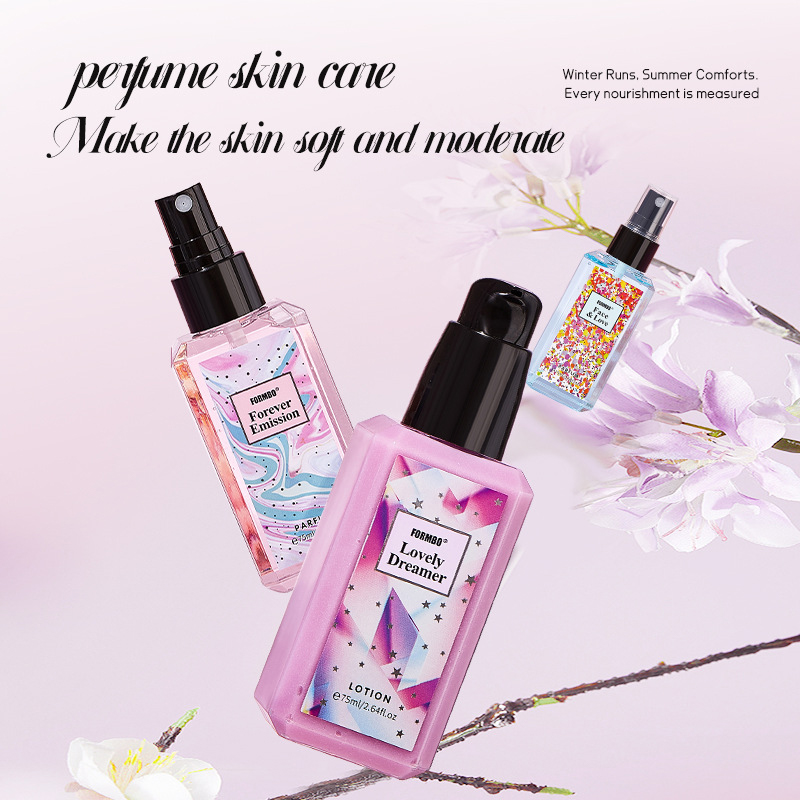 Perfume Set Gift Set Cologne Lasting Fragrance Body Spray and Body Lotion 75mL+75mL Set
-
 Long Lasting Famous Branded High Concentrate Designer Perfume Oil Flavor Parfum 1kg/5kg/10kg
-
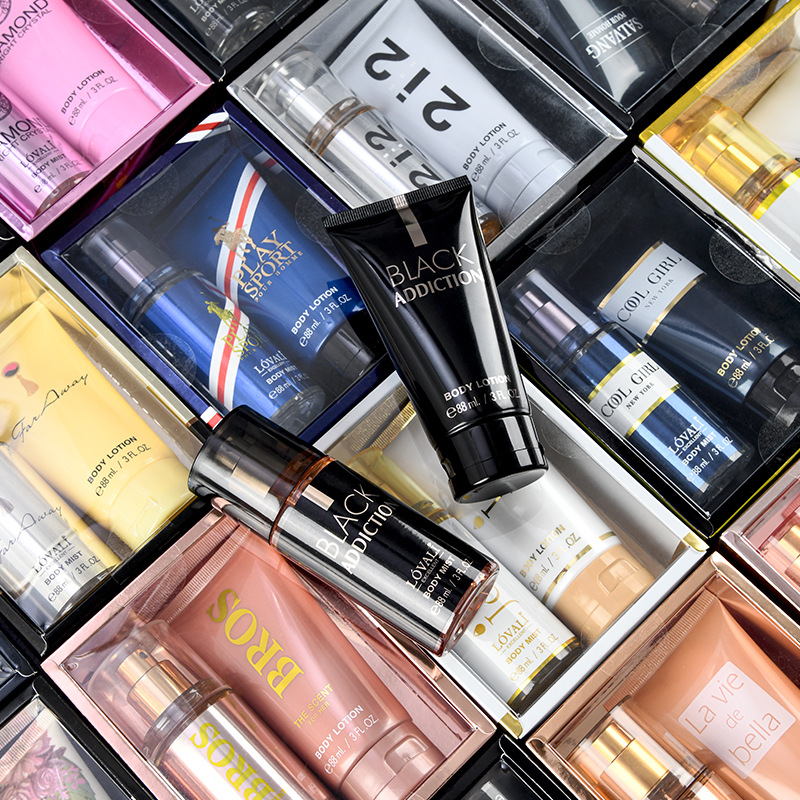 Perfume Gift Set 88ml Body Mist and 88ml Body Lotion Gift Sets for Women Men Body Spray
-
 Body Mists Perfume Original Deodorant Fruit Smell Women Designer Perfume Oils 50ml/100ml
-
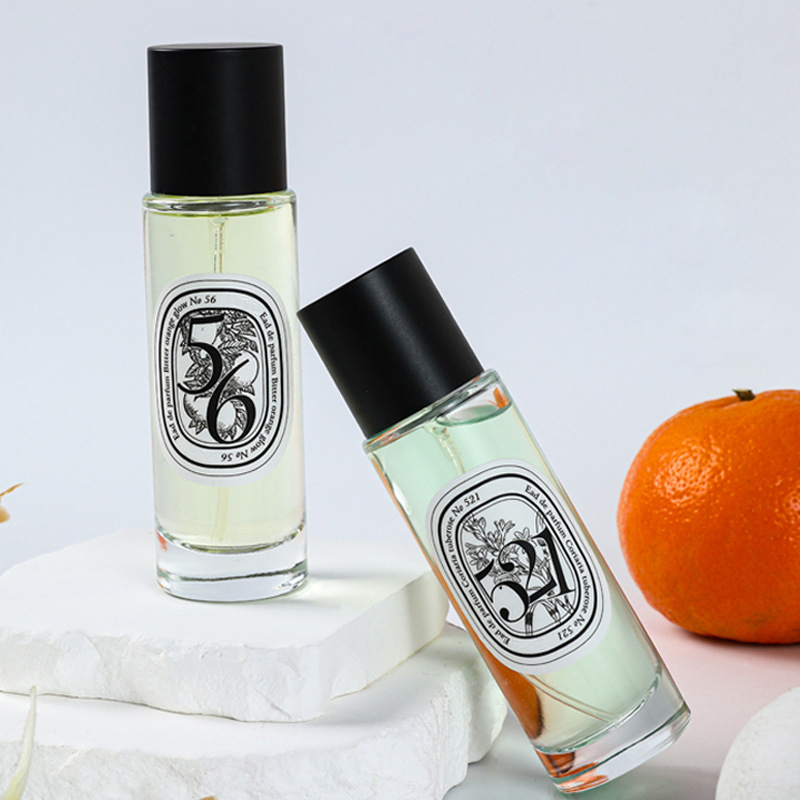 50ML Perfume Long Lasting Parfum Women's and Men's Fragrance Original Perfume Form Spray

- E-mail: [email protected]
- TEL: +86-021-54730699
- Phone/Whatsapp: +86 136 8173 2008
- ADD: Room 612, Building A, No. 389, Lianming Road, Minhang District, Shanghai, China
To Browse
Mobile terminal
Copyright © Shanghai Hexuanshu Industrial Co., LTD
All Rights Reserved.
Wholesale Private Label Luxury Colour Cosmetic Products
