 Search
 EN
EN
 English
 Español
 عربى
عربى

Eco Friendly Beauty Products: A Practical Guide to Ingredients, Packaging and Sourcing
Content
Walk through any beauty aisle today, and you will see the same pattern: green labels, leaf motifs, and the words "natural," "vegan," and "eco friendly" competing for attention. Shopper surveys consistently rank environmental impact among the top three factors in personal care purchasing, and retailers in Europe, North America, and Asia are tightening their ingredient and packaging requirements in response. The conclusion is simple: eco friendly beauty products are no longer a niche category; they are the default expectation.
The part that most buying decisions miss is that a genuinely eco friendly product is not the result of one hero ingredient or an attractive recyclable box. It is the outcome of a chain of choices: the biodegradability of the formula, the traceability of raw materials, the packaging structure, the energy used in production, and the certifications that prove each step. Whether you are choosing a moisturizer for your own bathroom shelf or planning to launch a brand of your own, the same rule applies: verify the system, not just the label.
What actually makes eco friendly beauty products different
Eco friendly beauty products are evaluated on three layers: the formula, the packaging, and the production process. Each layer has its own standards, and a weakness in any one of them is enough to undermine the whole claim.
A genuinely green formula starts with plant-derived or mineral-derived ingredients that break down in water rather than accumulating in it. That rules out most silicone-heavy elastics, some microplastic powders, and a long list of synthetic preservatives and fragrance compounds. It also explains why "fragrance" is the most common hidden risk in beauty: in many markets, a single word on the ingredient list can mask dozens of undisclosed synthetic compounds. Eco friendly products avoid that problem by disclosing the full INCI list and, wherever possible, the origin of each raw material.
Packaging is where most shoppers see the difference first. Glass, aluminium, post-consumer recycled plastic, paperboard, and refillable containers all appear in responsible lines, while mixed-material structures — a plastic pump bonded to a glass bottle with a metal spring — usually end up in landfill even when the outer label says "recyclable." The practical question to ask is how many separate materials need to be separated before the item can be processed.
Manufacturing is the layer nobody sees. Supplier-level questions matter here: Does the factory hold cosmetics filing records with the local drug administration? Does it produce stable batch sizes rather than one-off lab samples? Are filling, sealing, and packing designed to minimize waste? None of this appears on the front of a label, but it determines whether the product can truthfully carry a sustainability claim on the back.
| Claim | What it really means | What to check |
|---|---|---|
| "Natural" | Contains plant- or mineral-derived ingredients. | Full INCI list and the percentage of natural-origin content. |
| "Vegan" | No animal-derived ingredients. | Watch for beeswax, lanolin, carmine, and collagen. |
| "Cruelty-free" | The finished product is not tested on animals. | Whether raw material suppliers also avoid animal testing; Leaping Bunny or PETA certification. |
| "Biodegradable" | The formula breaks down in the environment. | The test method used, such as OECD 301, and the required time and conditions. |
| "Recyclable" | The packaging can be recycled in the right facility. | Resin code, mixed materials, and local recycling capability. |
Regulators are closing the gap between claims and evidence. The EU Green Claims Directive and the US FTC Green Guides both require that terms like "eco friendly," "natural," and "biodegradable" be substantiated before they are printed, and cosmetics filing systems in markets such as China hold manufacturers responsible for the ingredient list and safety data behind every statement.
How eco friendliness changes across beauty categories
Sustainability looks different in skincare, makeup, and fragrance because the chemistry and the packaging needs are different. Here is how to evaluate each category on its own terms.
Skincare: organic actives and lighter formats
Skincare is the easiest category for eco friendly positioning, because the active ingredients are already available in plant-based and biodegradable forms. Hyaluronic acid, ceramides, centella asiatica, and retinol are all produced with clean extraction and synthesis routes, and concentrated formats — serums, essences, and sheet masks — use less packaging per application than multi-step routines.
A typical market-ready format is an organic hyaluronic acid silk sheet mask. A water-based formula with a widely accepted active, a compostable mask film, and recyclable foil keeps every component within an eco brief. For a new brand, this is the lowest-complexity launch in skincare because there is no preservative-heavy emulsion to stabilize and no elaborate container to source.
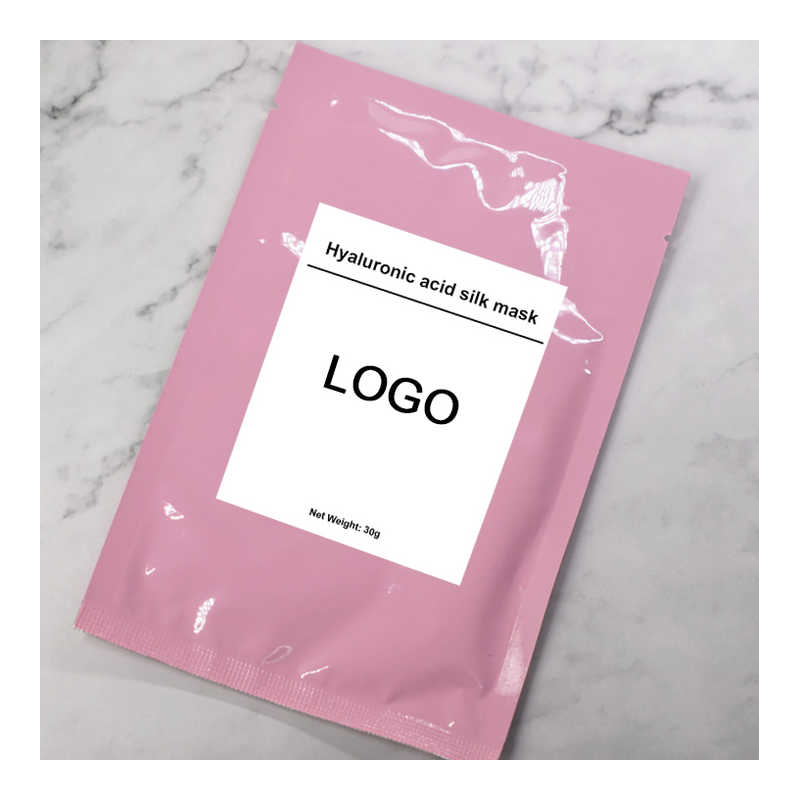 Wholesale Private Label 35g Facial Sheet Organic Moisturizing Hyaluronic Acid SiShanghai Hexuan Shu Industrial Co., Ltd. Is China Wholesale Private Label 35g Facial Sheet Organic Moisturizing Hyaluronic Acid Silk Face...View Product →
Makeup: vegan pigments and minimal packaging
Makeup has historically been the most difficult category to make green because waxes, pigments, and emulsifiers were not always plant-based. The current generation of eco friendly beauty products solves this with mineral iron oxides, responsibly sourced mica, plant waxes, and coconut or jojoba oil bases. Vegan formulas exclude carmine, beeswax, and lanolin, and that exclusion is what makes the "vegan" claim meaningful rather than decorative.
Lip care shows the same shift. Oils, tints, and glosses built on natural plant oils now replace petroleum-derived formulations, and a 100% vegan natural-based lip oil is one of the most accessible private label launches available: the formula requires no synthetic emollients, and the tube, cap, and carton can all be specified as recyclable. Pressed powders such as eyeshadows and blushes are likewise efficient because they carry no liquid preservative system and need less packaging per gram of product.
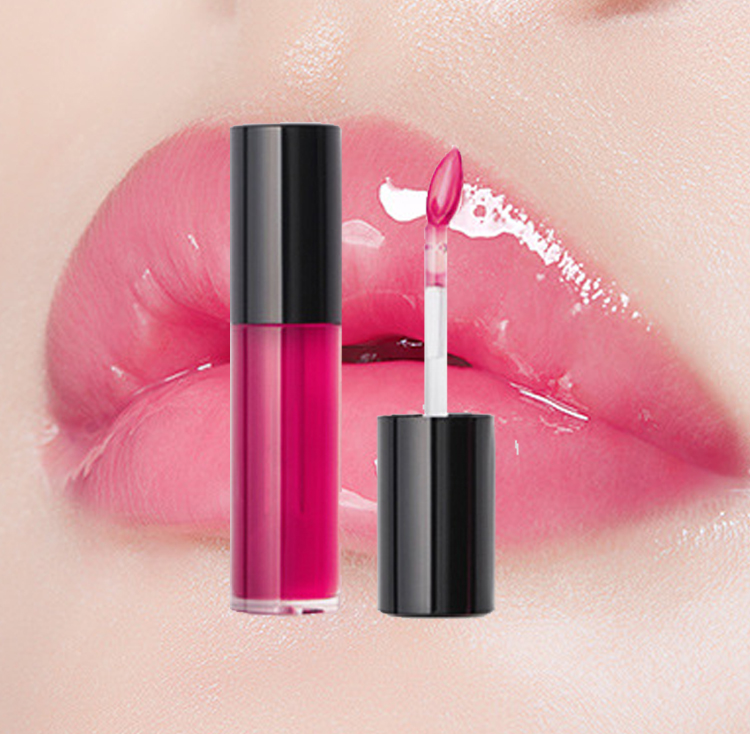 Wholesale Private Label Lip Oil Moisture Tint 100% Vegan Gloss Natural Based OrgShanghai Hexuan Shu Industrial Co., Ltd. Is China Wholesale Private Label Lip Oil Moisture Tint 100% Vegan Gloss Natural Based Organic Li...View Product →
Fragrance: plant wax, clean scent, and refillable formats
In fragrance, eco friendliness is determined by the carrier as much as the scent. Soy wax, plant wax, and coconut wax are renewable and burn cleaner than paraffin; wooden wicks reinforce the natural profile; and phthalate-free fragrance oils address the health and environmental concerns associated with synthetic perfume. Reed diffusers and crystal stone diffusers go further by removing the flame entirely while still delivering the scent.
For brands planning a home fragrance line, our guide to wax, wick, and fragrance selection for custom candles explains the material trade-offs in practical terms. If you prefer to start with a finished product, a handmade soy wax eco friendly scented candle in a glass jar is about as complete an eco statement as home fragrance gets: the wax is renewable, the wick is clean-burning, and the jar can be reused.
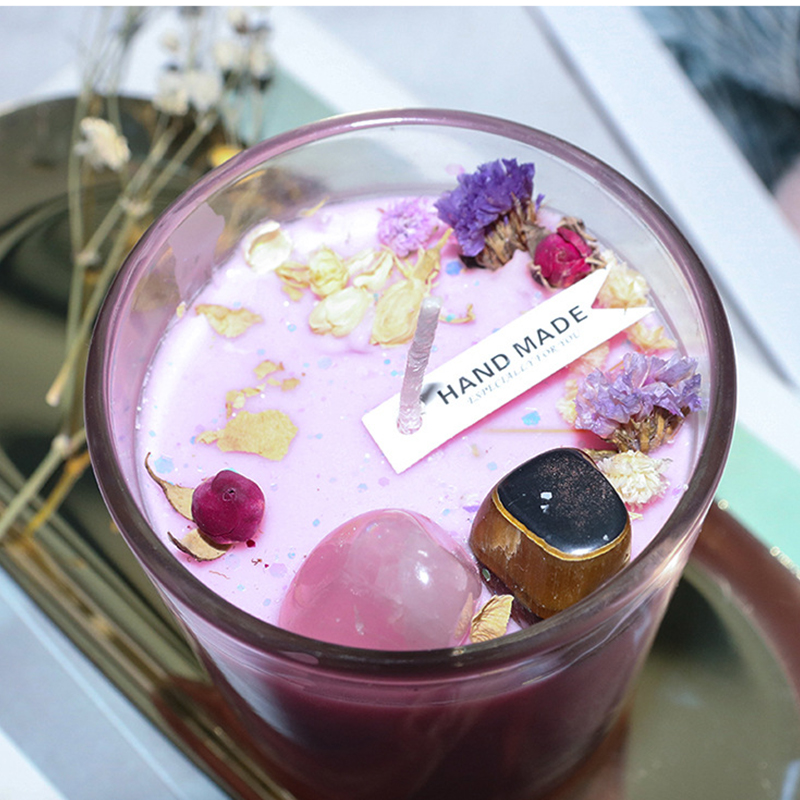 Wholesale Private Label 100g Home Decor Handmade Soy Wax Aromatherapy Eco-FriendShanghai Hexuan Shu Industrial Co., Ltd. Is China Wholesale Private Label 100g Home Decor Handmade Soy Wax Aromatherapy Eco-Friendly High...View Product →
How to evaluate claims and avoid greenwashing
The gap between what a label says and what a product delivers is where greenwashing lives. Regulators in the EU and the United States now treat unsubstantiated environmental claims as misleading advertising, so the burden of proof has shifted to the seller. As a buyer, you need to apply the same standard. These are the checks that work in practice:
- Read the full INCI ingredient list, not the marketing bullets. A "natural" product with undisclosed synthetic fragrance is not genuinely clean.
- Ask for certifications and filing records. Organic certification, cruelty-free certification, and government cosmetics filing are verifiable documents, not label decoration.
- Request the MSDS and stability data for the formula. These documents reveal the solvents, preservatives, and temperature range the product truly supports.
- Check the packaging for resin codes and mixed materials. If consumers have to separate three kinds of material by hand, most of the packaging will not be recycled.
- Run small-batch trials before a full launch. Formulas that drop preservatives can behave differently under real storage and shipping conditions.
- Confirm the rules of the target market — EU, US, UK, or local — before printing claims, because each market defines "natural" and "biodegradable" differently.
Certifications deserve special attention because not all labels carry the same weight. The word "organic" means something different in cosmetics than it does in food, and some private certification schemes are easier to obtain than others. We have published a closer look at what truly qualifies as organic beauty, including where official certification ends and self-declaration begins.
Sourcing eco friendly beauty products for your own brand
The same verification process applies when you source products for your own brand, with one difference: now you are the one who answers to the end customer. A supplier that cannot produce a complete ingredient disclosure, a filing record, and a stable production line for small batches is a risky partner for an eco positioning, no matter how attractive the packaging mock-up looks.
Three things should be written into the product brief before you talk to any factory:
- The ingredient list and disclosure level, including the percentage of natural-origin content and the absence of disputed preservatives.
- The packaging system — recyclable, refillable, or both — with the exact materials specified for each component.
- The documentation package: cosmetics filing records, material safety data sheets, stability tests, and certificates that the target market recognizes.
As a manufacturer with more than a decade of private label and OEM experience, we build eco friendly beauty products around these same requirements. Our in-house R&D team selects raw materials with traceable origins; our production line runs batch sizes that start below typical industry minimums; our products carry filing records with the Shanghai drug administration; and any new product is tested by thousands of trial users before release. That combination matters because an eco claim is only credible when the product is also stable, safe, and pleasant to use.
For a first eco line, start with one category and one packaging system, then expand. Our guide on how to build a private label cosmetic line walks through the sequence from concept to first commercial batch, including supplier audits and claim documentation. Eco friendly beauty products reward that kind of discipline: verify every layer, and the evidence becomes the brand story.
The takeaway
Eco friendly beauty products are not defined by one ingredient or a single certification. They are defined by a chain of decisions: renewable formulas, honest packaging, audited production, and claims that can withstand a regulator's question. Consumers can apply that framework every time they pick up a bottle, and brands can apply it to everything they launch. Start with one product, verify every layer, and let the evidence do the marketing.
-
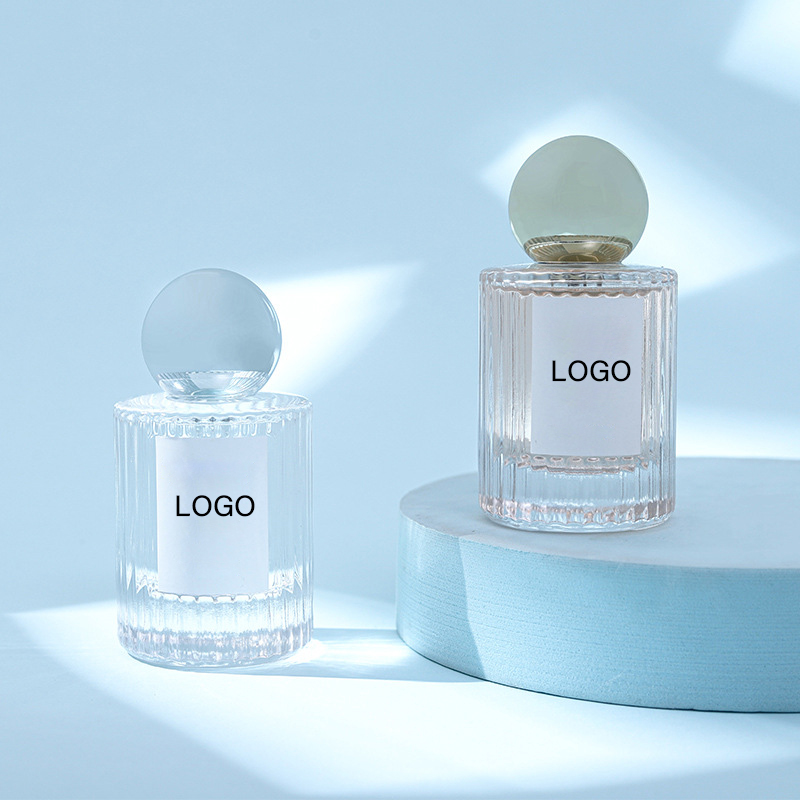 Fragrance China Branded Perfume Factory 50ML/100ML
-
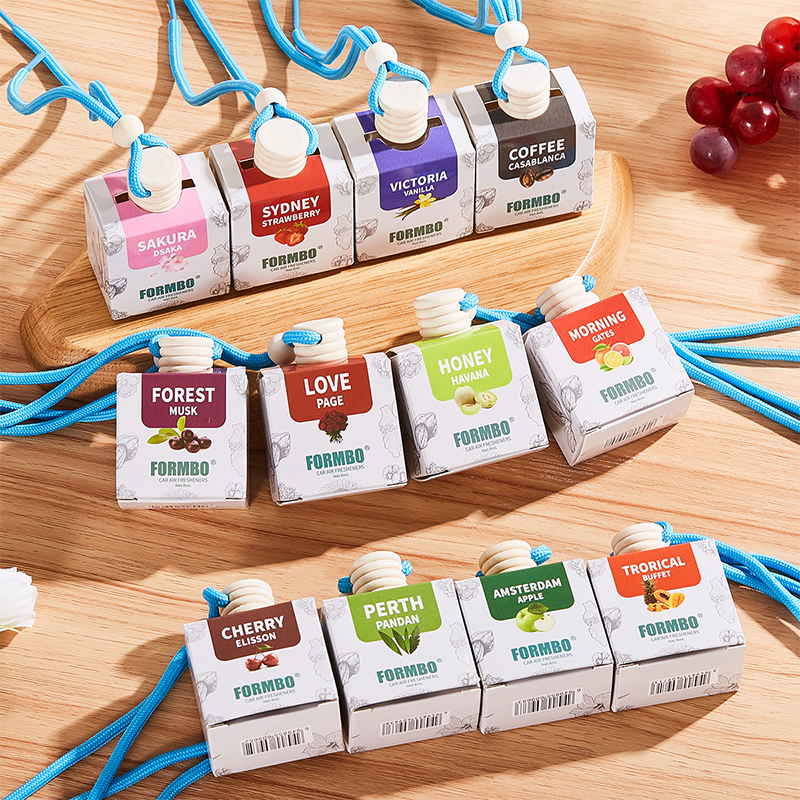 Blossom & Berry Car Perfume - Hanging Air Freshener with Natural Floral & Fruity Essence Luxury Car Scent Accessories 8ml
-
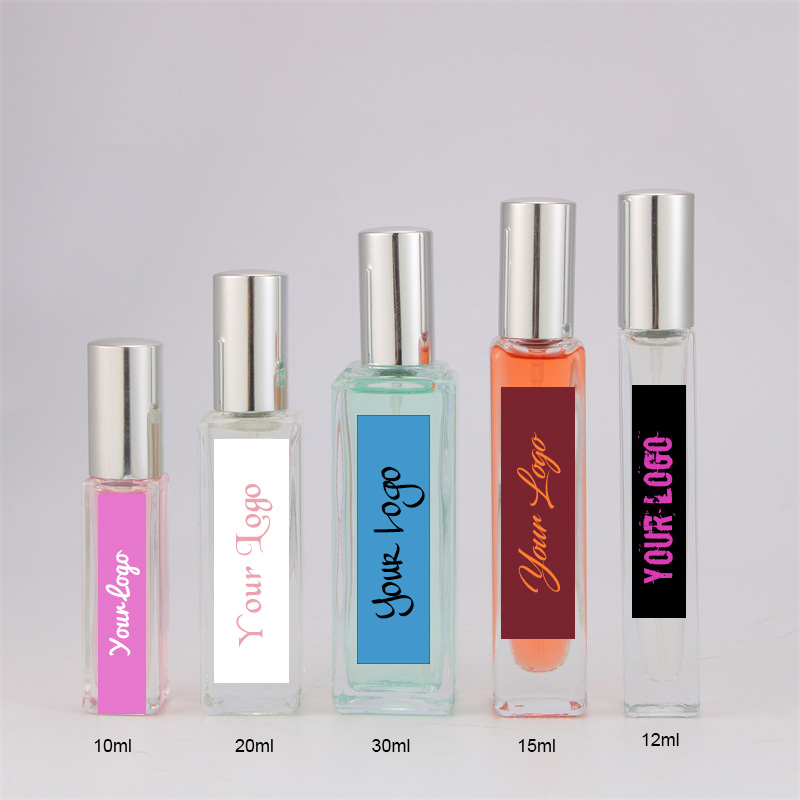 Eau De Parfum EDP10ML/20ML/30ML/50ML/100ML Small Batch Available Men Perfume Fragrance Women Perfume
-
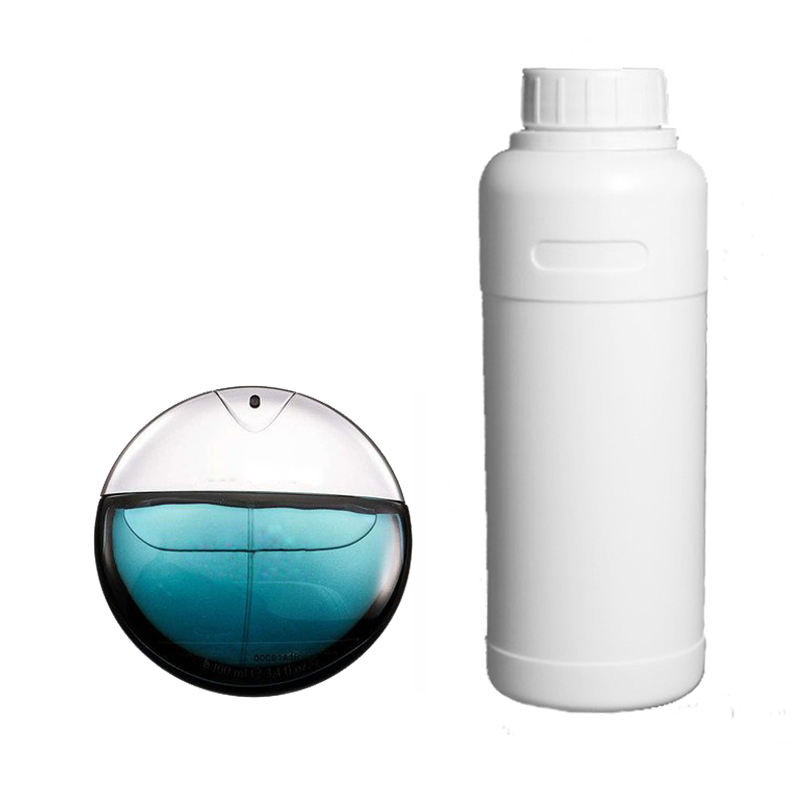 Long Lasting Famous Branded High Concentrate Designer Perfume Oil Flavor Parfum 1kg/5kg/10kg
-
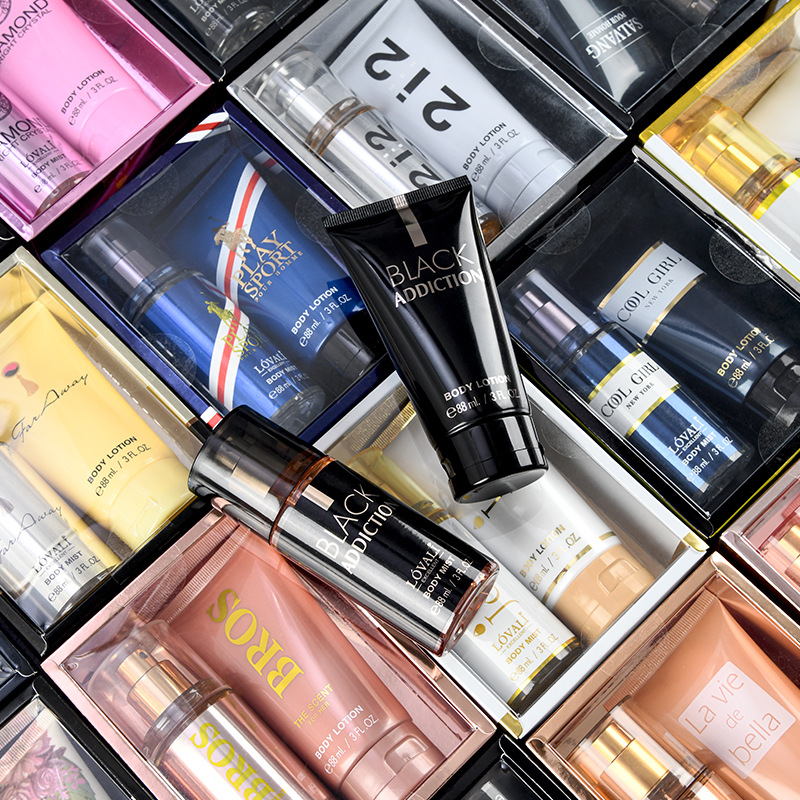 Perfume Gift Set 88ml Body Mist and 88ml Body Lotion Gift Sets for Women Men Body Spray
-
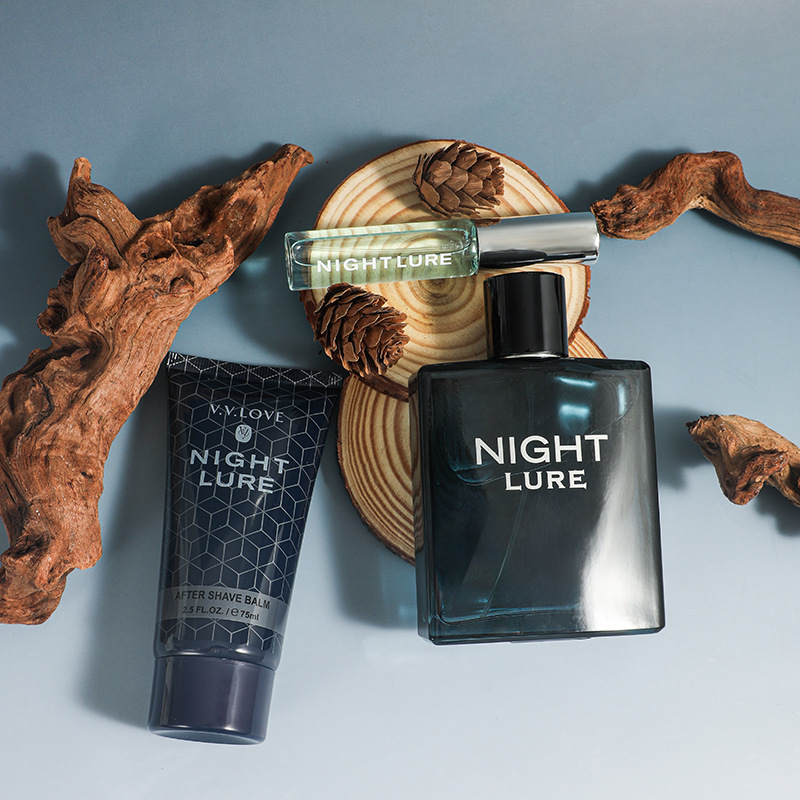 50ml Perfume & After Shave Balm with Fragrance Daily Care Gifts Set for Man

- E-mail: [email protected]
- TEL: +86-021-54730699
- Phone/Whatsapp: +86 136 8173 2008
- ADD: Room 612, Building A, No. 389, Lianming Road, Minhang District, Shanghai, China
To Browse
Mobile terminal
Copyright © Shanghai Hexuanshu Industrial Co., LTD
All Rights Reserved.
Wholesale Private Label Luxury Colour Cosmetic Products
