 Search
 EN
EN
 English
 Español
 عربى
عربى

Eco Friendly Skincare: What It Really Means for Your Private Label Brand
Content
- 1 What Eco Friendly Skincare Actually Means
- 2 Ingredient Selection: Where Sustainability Starts
- 3 Packaging: The First Test Your Customers See
- 4 Manufacturing Realities: Where Claims Are Made or Broken
- 5 Claims You Can Actually Defend
- 6 A Practical Checklist for Sourcing Eco Friendly Skincare
- 7 Building an Eco Friendly Skincare Line That Lasts
A brand owner opens a supplier's catalog and asks, "Which items are eco friendly?" It sounds straightforward, but the answer depends on decisions made long before the finished product reached the shelf. Eco friendly skincare is not one checkbox. It is a chain of choices spanning ingredient sourcing, formulation chemistry, packaging materials, production methods, and the documentation that backs every claim. For anyone planning a private label skincare line, the useful question is not "Is this product green?" but "What did it take to make it green?"
What Eco Friendly Skincare Actually Means
There is no single global certification that says "this is eco friendly." The term is an umbrella covering several distinct aspects of a product's lifecycle. A cleanser can contain biodegradable ingredients but arrive in a plastic tube. A serum can ship in a glass bottle with a heavy multi-material cap. Neither is automatically more sustainable than the other; the reality depends on trade-offs.
For procurement and product development teams, the practical definition of eco friendly skincare usually rests on four pillars:
- Responsibly sourced ingredients that break down safely after use.
- Packaging designed for recycling, reuse, or reduced material use.
- Manufacturing processes that limit waste, water consumption, and overproduction.
- Honest, verifiable claims that survive regulatory scrutiny.
Once those pillars are clear, every later decision — from choosing an active ingredient to approving a carton — becomes much easier to evaluate.
Ingredient Selection: Where Sustainability Starts
The most visible part of any skincare product is its ingredient list, and that is where most eco friendly positioning begins. But sustainable sourcing is not the same as "natural." It means choosing materials with a lower environmental footprint across cultivation, extraction, processing, and eventual biodegradation.
Plant-Derived Actives with Verifiable Sourcing
Centella asiatica, ceramides, hyaluronic acid, and seaweed-derived compounds are all standard in modern skincare, and each can be sourced in ways that reduce environmental impact. Centella, for example, is a hardy botanical that grows with relatively low water input, while fermented hyaluronic acid avoids animal-derived or petrochemical routes. A well-built serum that pairs centella with hyaluronic acid offers moisturizing and soothing benefits without relying on heavy synthetic emollients. Products like our centella asiatica hyaluronic acid essence water demonstrate how botanical and bio-fermented ingredients can sit comfortably in a clean, effective formula.
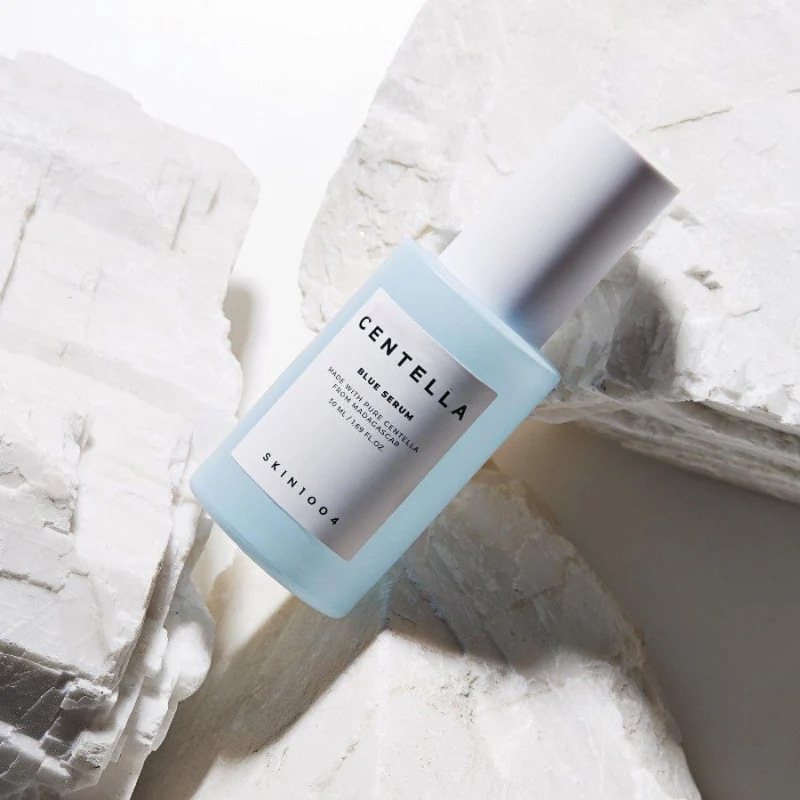 Wholesale Private Label Centella asiatica Hyaluronic acid Essence Water moisturiShanghai Hexuan Shu Industrial Co., Ltd. Is China Wholesale Private Label Centella asiatica Hyaluronic acid Essence Water moisturizes, im...View Product →
Biodegradability and the Preservative Trade-Off
An "all natural, preservative-free" cream sounds eco friendly until it spoils three weeks after opening. Discarded, rancid product is a far bigger environmental problem than a carefully chosen preservative system. Sustainable formulation is about balance: biodegradable base ingredients, a preservation strategy that keeps the product safe and stable, and packaging that protects integrity without excess.
Sheet masks illustrate another angle. A mask with a plant-derived or silk-like substrate degrades more readily than conventional synthetic non-woven material. Our organic moisturizing hyaluronic acid silk facial mask is an example of a single-use format designed to be lighter on the environment while still delivering concentrated actives. The key is to ask suppliers for technical data on substrate composition and biodegradability, not just marketing language.
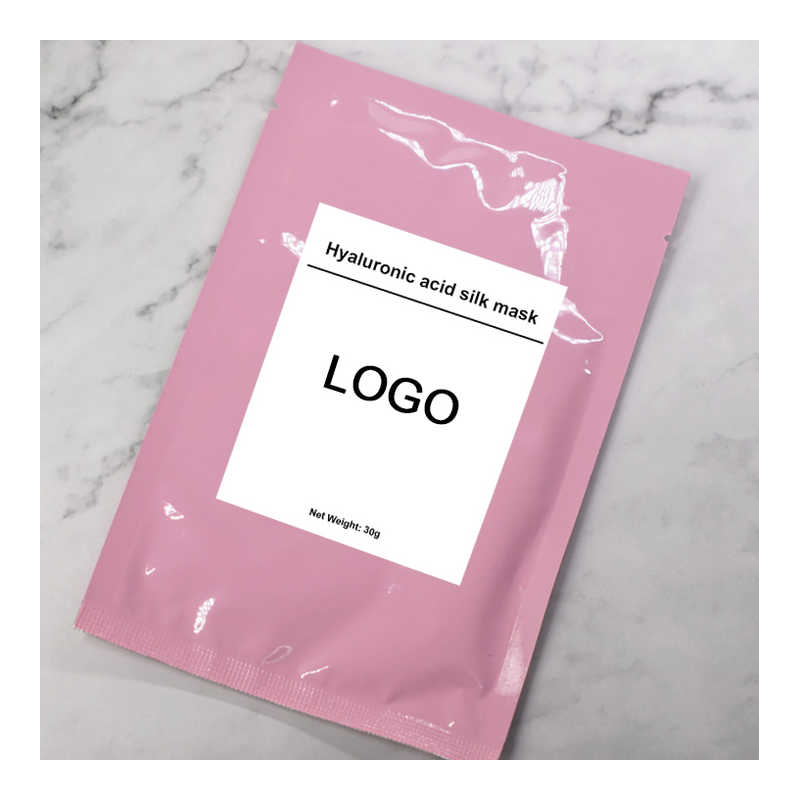 Wholesale Private Label 35g Facial Sheet Organic Moisturizing Hyaluronic Acid SiShanghai Hexuan Shu Industrial Co., Ltd. Is China Wholesale Private Label 35g Facial Sheet Organic Moisturizing Hyaluronic Acid Silk Face...View Product →
If you are weighing premium natural positioning against cost, the analysis in whether luxury all-natural skincare is worth the investment offers a useful perspective on how buyers typically evaluate that trade-off.
Packaging: The First Test Your Customers See
Consumers cannot see a manufacturing process, but they can see a bottle. Packaging is where eco friendly skincare becomes tangible — and where greenwashing is most tempting.
Material Choices That Actually Get Recycled
Glass is infinitely recyclable and conveys a premium feel, but it is heavy to transport. Recycled PET is lighter and increasingly accepted in curbside recycling. Mono-material packaging — a bottle and cap made from compatible polymer families — is easier to recycle than multi-material structures with metal springs, mixed plastics, or glued labels. Even small changes, such as avoiding metallized decorations, improve recyclability.
Refill Systems and Minimal Design
Refillable formats, such as a durable outer jar with a replaceable inner cup, reduce packaging per use significantly. Minimalist design — smaller cartons, no outer box, or a single-material label — cuts material consumption and lowers shipping weight. These choices also reduce cost, which is why simplified packaging often appeals to private label buyers as much as end consumers.
Manufacturing Realities: Where Claims Are Made or Broken
An eco friendly product can be undone by the factory that makes it. Water use, energy consumption, batch scheduling, and leftover stock all shape a product's true footprint.
Small Batches and Low MOQs Fight Overproduction
One of the least discussed aspects of sustainable cosmetics is inventory. Overproduction leads to expired stock, discounted disposal, and wasted raw materials. Manufacturers that accept low minimum order quantities and offer small-batch production let brands launch conservatively, test demand, and scale only when sales justify it. This approach is inherently more eco friendly than a massive first run that ends up in a warehouse.
Concentrated Formulas Save Water and Space
Formulations with higher concentrations of actives require less water, lighter packaging, and a smaller carbon footprint per application. An emulsion that combines multiple functions — moisturizing, barrier support, and soothing — reduces the number of products a consumer needs. A ceramide-rich ceramide cream that moisturizes and improves skin condition is a realistic example of a multi-functional staple that can replace several single-purpose products in a routine.
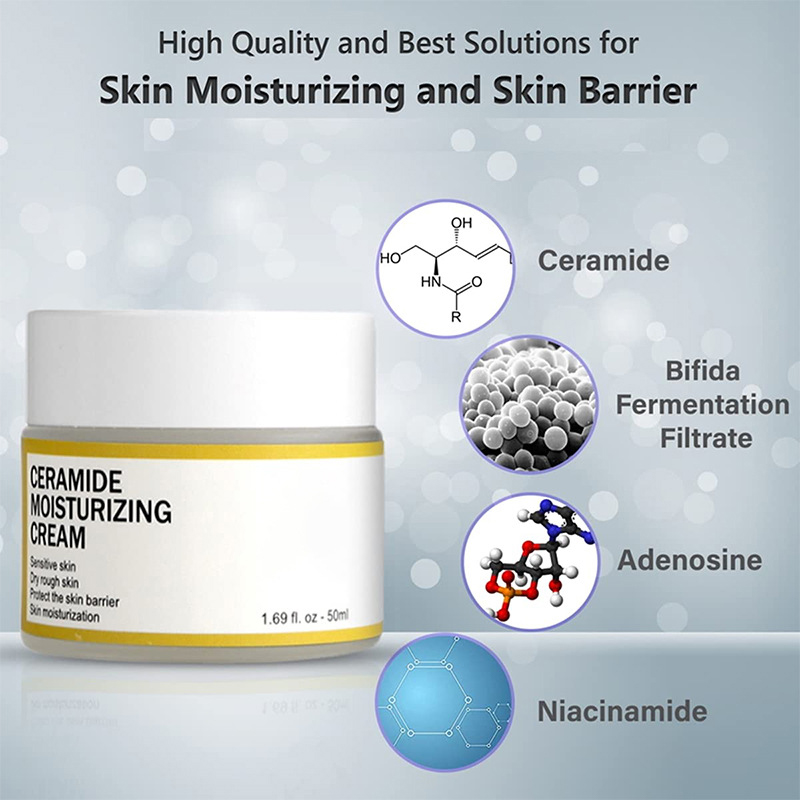 Wholesale Private Label Ceramide cream moisturizes and hydrates improves skin coShanghai Hexuan Shu Industrial Co., Ltd. Is China Wholesale Private Label Ceramide cream moisturizes and hydrates improves skin condition...View Product →
Claims You Can Actually Defend
Eco friendly skincare only works if consumers trust it. Unverifiable claims do more damage than no claim at all, especially as regulators in Europe, North America, and China tighten rules around green marketing.
Cruelty-Free and Vegan Are Separate Commitments
Cruelty-free means no animal testing at any stage of development. Vegan means no animal-derived ingredients. A product can be one without being the other, so any label claim should be specific and traceable back to documentation.
Organic and Natural Have Legal Boundaries
"Organic" is regulated differently across markets. "Natural" is less defined in many jurisdictions, which makes it easy to misuse and easy to challenge. The safer route is to name specific natural-origin ingredients, disclose their percentages where required, and avoid implying that a whole formula is organic when only one component is. For a deeper look at how premium organic positioning is defined in practice, what defines truly luxury organic beauty products breaks down the criteria that matter to discerning buyers.
A Practical Checklist for Sourcing Eco Friendly Skincare
When you compare suppliers, focus on evidence rather than adjectives. The table below summarizes the questions that separate genuine eco friendly skincare programs from cosmetic marketing.
| Area | What to Check | Why It Matters |
|---|---|---|
| Ingredients | Biodegradability data, sourcing origin, percentage of natural-origin content | Determines whether the formula breaks down safely and supports honest claims |
| Packaging | Material type, recyclability, mono-material design, refill options | Drives consumer perception and real-world waste reduction |
| Manufacturing | Batch sizes, MOQ flexibility, waste handling, water and energy practices | Affects overproduction risk and the actual production footprint |
| Testing | Documentation for stability, safety, and preservative efficacy | Confirms the product stays safe without excess preservatives |
| Compliance | Regulatory filings, MSDS, ingredient registrations | Protects your brand from legal risk and greenwashing accusations |
Building an Eco Friendly Skincare Line That Lasts
The brands that succeed with eco friendly skincare treat sustainability as a product system, not a label. They choose formulas with responsible ingredients, insist on packaging that genuinely recycles, work with manufacturers that allow small test runs, and document every claim they make. That discipline is also commercially smart: it lowers inventory risk, reduces shipping costs, and builds consumer confidence.
If you are starting from scratch, the practical steps are the same whether you plan a single serum or a full routine: define your sustainability criteria first, then evaluate every product decision against them. A step-by-step approach to building a private label cosmetic line can help you sequence these decisions without losing momentum.
Eco friendly skincare is not a passing trend in packaging design or a single hero ingredient. It is the result of hundreds of small, deliberate choices — and the manufacturers who make those choices transparent are the ones worth building a brand with.
-
 100g Home Decor Handmade Soy Wax Aromatherapy Eco-Friendly High Crystal Stone Dry Flower Scented Candle for Parties Birthdays Gift
-
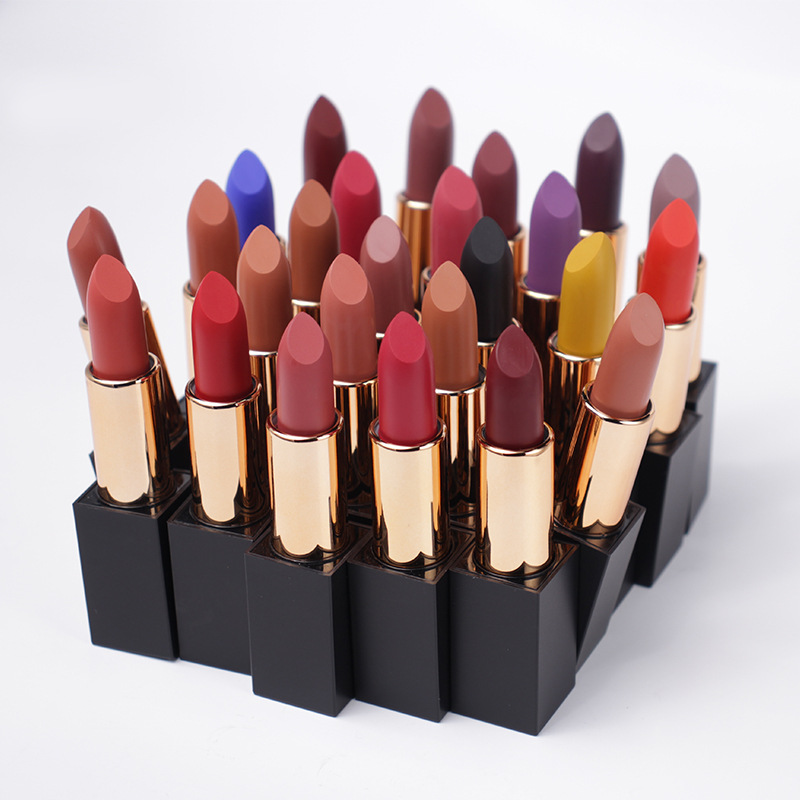 Cosmetics Makeup Make Your Own Brand Lipstick Matte Lipstick
-
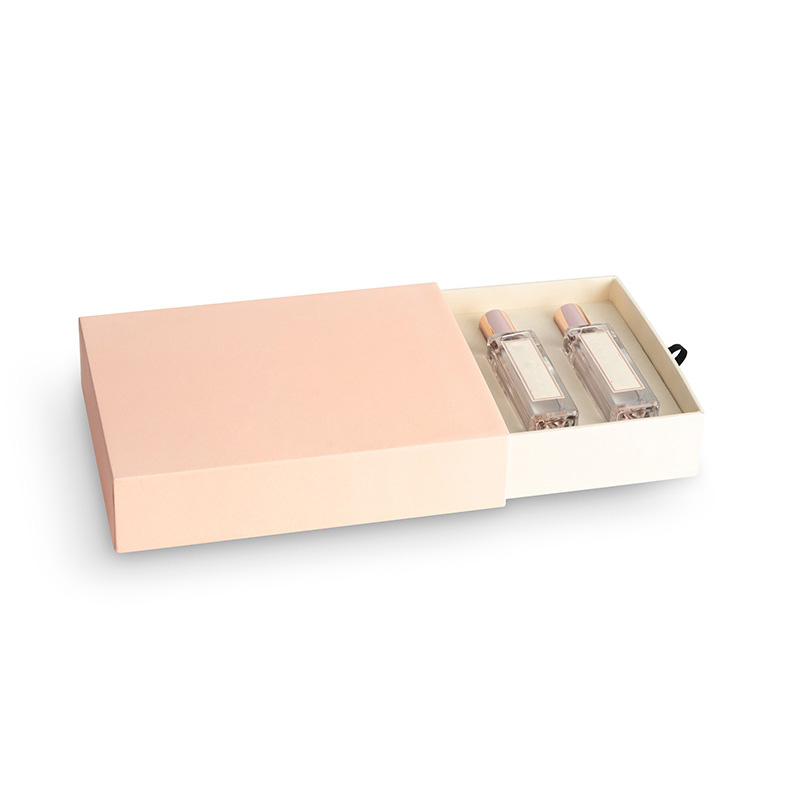 30ML*4 Label Long Lasting Body Spray Perfume Gift Set for Women Men 30ml/50ml/100ml
-
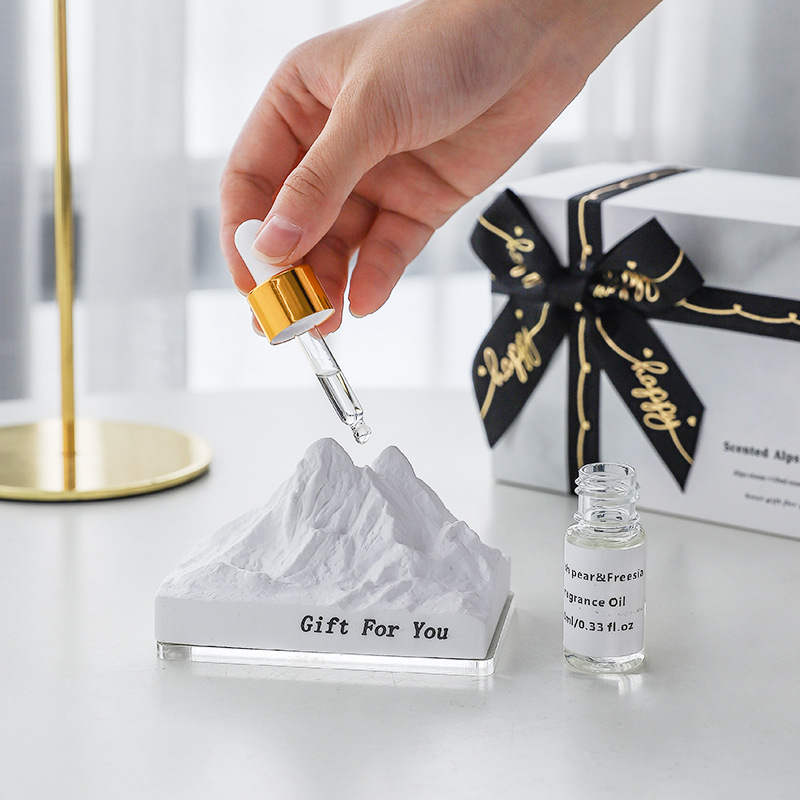 Solid Gypsum Air Conditioner Diffuser Stone Pendant Eco-Friendly Aromatherapy Car Interior Decoration Wedding Air Outlet Perfume
-
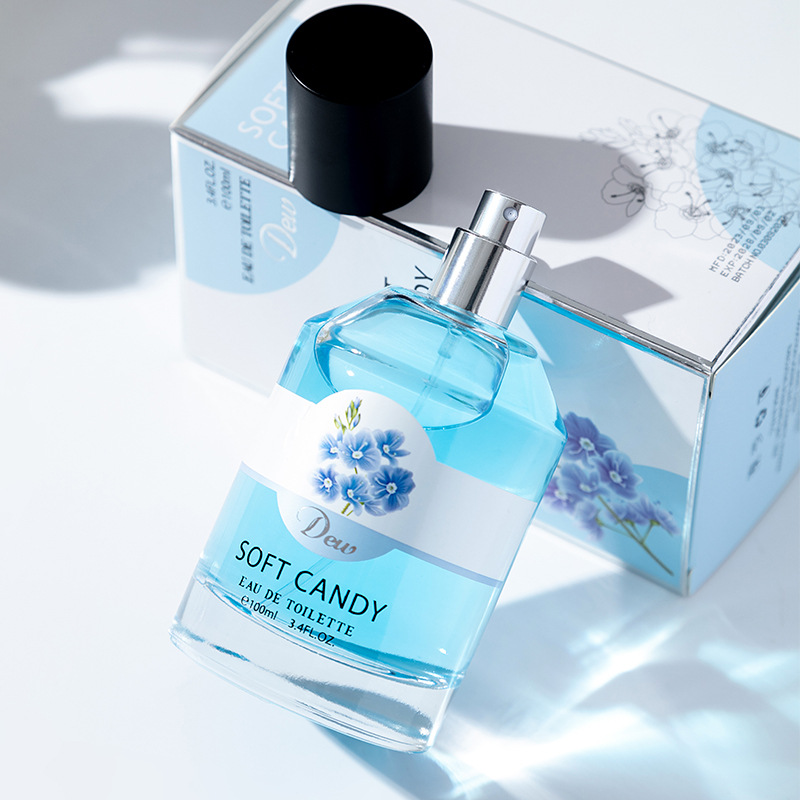 100ml Perfume Logo Make Your Own Brand Smart Collection Perfumes Original Women Perfume
-
 50ml/100ml Long Lasting Brand Designers Cologne Fragrance Men Perfume

- E-mail: [email protected]
- TEL: +86-021-54730699
- Phone/Whatsapp: +86 136 8173 2008
- ADD: Room 612, Building A, No. 389, Lianming Road, Minhang District, Shanghai, China
To Browse
Mobile terminal
Copyright © Shanghai Hexuanshu Industrial Co., LTD
All Rights Reserved.
Wholesale Private Label Luxury Colour Cosmetic Products
