 Search
 EN
EN
 English
 Español
 عربى
عربى

Essential Oil Based Perfumes: Natural Fragrance Guide and Sourcing for Your Brand
Content
- 1 What Are Essential Oil Based Perfumes?
- 2 How Are Essential Oil Perfumes Constructed?
- 3 Which Essential Oils Make the Most Lasting Perfumes?
- 4 How Long Do Essential Oil Perfumes Last on Skin?
- 5 How to Create Your Own Essential Oil Perfume Blend
- 6 Sourcing Essential Oil Based Perfumes for Your Own Brand
- 7 Safety and Skin Compatibility
What Are Essential Oil Based Perfumes?
An essential oil based perfume is a fragrance made by blending concentrated plant extracts with a carrier oil, perfumer's alcohol, or a combination of both. Unlike conventional fine fragrance, which often relies on synthetic aroma chemicals, this type of perfume leads with a botanical character that tends to feel softer, closer to the skin, and more connected to the plant itself. That distinction has made essential oil perfumes popular with consumers looking for a natural alternative and with brands looking for a unique, customizable scent profile.
Not all essential oil perfumes feel oily. Alcohol-based versions evaporate quickly and project the scent into the air, while roll-ons and solid perfumes use jojoba, fractionated coconut oil, or sweet almond oil to keep the fragrance close to the skin. Both formats start with the same raw materials, but they behave very differently in daily use.
How Are Essential Oil Perfumes Constructed?
A well-built perfume is structured in three layers: top notes, heart notes, and base notes. Top notes create the first impression. Heart notes form the main character. Base notes anchor the blend and remain after the lighter molecules fade.
Top, Heart, and Base Notes
Top notes are usually citrus or light herbal oils that last between 15 and 30 minutes. Heart notes, such as lavender, geranium, or rose absolute, appear after the top notes calm down and can last a few hours. Base notes, including sandalwood, cedarwood, vetiver, patchouli, and vanilla, are the slowest evaporating and provide the perfume's backbone.
Dilution and Solvent Choices
Perfumer's alcohol is the standard solvent for spray perfumes because it evaporates cleanly and helps essential oils project. Carrier oils do the opposite: they hug the skin and slow evaporation, which can produce a more intimate scent with a longer skin-level presence. A typical essential oil perfume contains 5% to 20% essential oil blend, with the rest being alcohol or carrier oil. The higher the percentage, the stronger and longer the scent will be.
Which Essential Oils Make the Most Lasting Perfumes?
The oils you choose determine both the personality and the staying power of the perfume. Some essential oils evaporate quickly, while others are heavy molecules that cling to skin for hours. In a blend, those heavier materials act as natural fixatives.
If you are building a perfume for a specific audience, it helps to know how customers describe scent. Our guide to choosing the right women's scent breaks down the most popular fragrance families.
| Fragrance Role | Typical Oils | Character | Approximate Lasting Time |
|---|---|---|---|
| Top notes | Bergamot, lemon, orange, grapefruit | Bright, fresh, sharp | 15–30 minutes |
| Heart notes | Lavender, geranium, rose, chamomile | Floral, herbal, rounded | 1–3 hours |
| Base notes | Sandalwood, cedarwood, vetiver, patchouli | Woody, earthy, creamy | 4–12 hours |
If you want a perfume that lasts beyond a busy workday, lean on base-note oils like sandalwood, vetiver, cedarwood, and patchouli. A blend built mostly from citrus top notes will smell beautiful for the first twenty minutes but fade quickly. For commercial formulas, manufacturers often use high-concentrate perfume oils to increase the fragrance load without making the product feel heavy. A concentrated designer perfume oil gives a brand a ready-made complex scent that can be diluted to a specific strength.
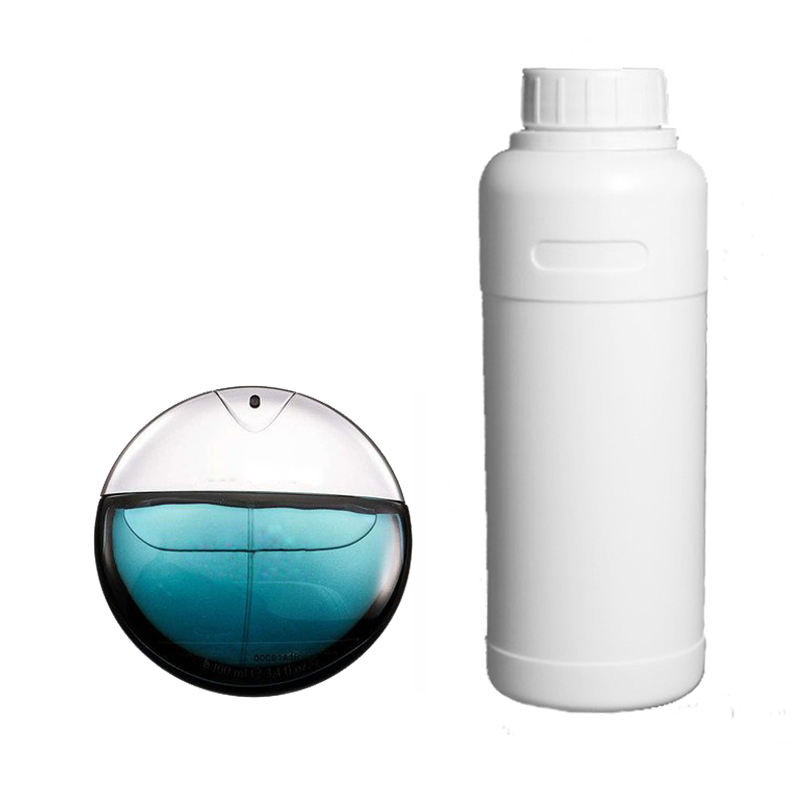 Wholesale Private Label Long Lasting Famous Branded High Concentrate Designer PeShanghai Hexuan Shu Industrial Co., Ltd. Is China Wholesale Private Label Long Lasting Famous Branded High Concentrate Designer Perfume O...View Product →
How Long Do Essential Oil Perfumes Last on Skin?
Essential oil based perfumes are often less projecting than alcohol-heavy designer sprays, but their wear time is not a single number. On normal skin, a typical 10% to 20% dilution will usually last 2 to 6 hours, depending on the oils used, the wearer's skin chemistry, and the surrounding temperature. Oily or freshly moisturized skin holds fragrance longer than dry skin.
This is why concentration and evaporation matter. A roll-on oil perfume will not project as far as a spray, but it may stay present longer because the carrier oil slows the evaporation of the lighter compounds. If you want to understand how the percentage of perfume oil changes performance, read our explanation of perfume concentration and evaporation standards.
From a formulator's perspective, the fixative system is the most reliable way to make a perfume last. Adding a heavy base note such as vetiver, oakmoss, or a resinoid is one strategy. Resting the finished blend for a few weeks also allows the harsher top-note compounds to mellow, resulting in a smoother, longer-lasting dry-down.
How to Create Your Own Essential Oil Perfume Blend
Creating a balanced essential oil perfume is not complicated, but it does follow a simple framework. A useful starting ratio is 30% top notes, 50% heart notes, and 20% base notes. This gives the scent enough freshness to open, enough body to carry the blend, and enough depth to last through the day.
Simple 10 ml Roll-On Perfume Recipe
- Combine 10 to 15 drops of your essential oil blend in a small container.
- Add 10 ml of jojoba or fractionated coconut oil and stir gently.
- Transfer the mixture to a 10 ml roll-on bottle and let it rest for at least 24 hours before testing.
If you want a stronger formula, increase the essential oil ratio to 15% or 20%, but always keep the total well below the safety limit of the oils you are using.
Simple Eau de Parfum-Style Spray
For a spray version, mix 15% to 25% essential oil blend with perfumer's alcohol, cap the bottle, and allow the perfume to age for two to four weeks. Aging softens the sharp edge of citrus oils and helps the base notes blend more evenly. Shake the bottle every few days to encourage maturation.
If you are not ready to hand-blend batches, a pre-made portable roll-on perfume oil can save production time while still giving your customers the convenience of a small-format scent that travels well.
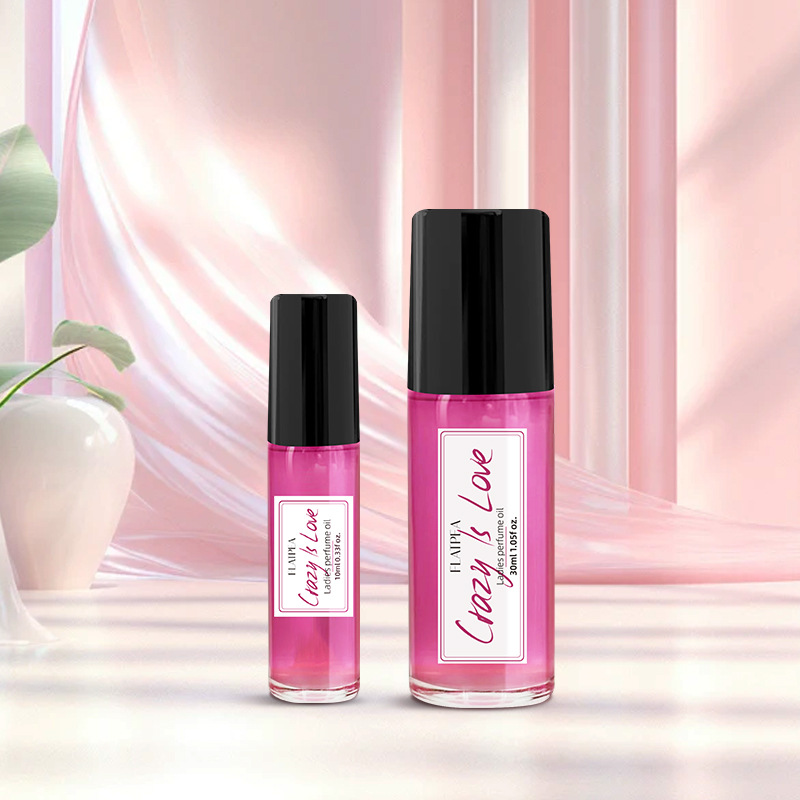 Wholesale Private Label 10ML/30ML Perfume Roll on Oil Sweet Peach Long-Lasting FShanghai Hexuan Shu Industrial Co., Ltd. Is China Wholesale Private Label 10ML/30ML Perfume Roll on Oil Sweet Peach Long-Lasting Fragranc...View Product →
Sourcing Essential Oil Based Perfumes for Your Own Brand
Once you know how essential oil perfumes are built, the next question is who will build them for you. The right fragrance supplier gives you more than a bottle of scent; they give you consistency, compliance, and the flexibility to make the product yours.
What to Check in a Fragrance Supplier
- Raw material documentation: request ingredient lists, safety data sheets, and allergen declarations before committing.
- Stability testing: ask how the perfume performs in heat, cold, and after six to twelve months of storage.
- Batch consistency: a reliable supplier keeps reference samples from every production run so the next order smells the same.
- Customization flexibility: confirm you can adjust fragrance concentration, carrier, bottle format, and label design.
- Low MOQ: small production runs let you test the market without tying up huge amounts of capital.
For a fuller view of the evaluation process, see our complete guide to choosing cosmetics wholesale manufacturers.
Customization and Low MOQ Considerations
Essential oil based perfumes are particularly well suited to private label because they can be adapted in many ways. You can select the scent story, choose a 10 ml roll-on or a 100 ml spray, decide on the label design, and even control the intensity of the perfume. A bulk perfume essential oil concentrate gives you this level of control because you start with the actual fragrance material and dilute it to your own specification.
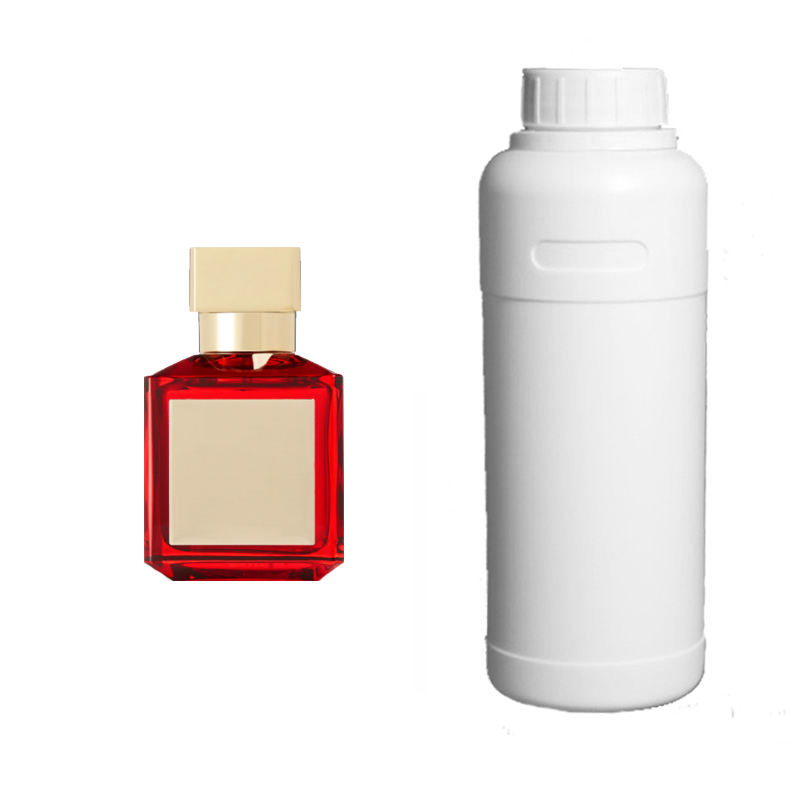 Wholesale Private Label Concentration Bulk Perfume Essential Oil for Lady DesignShanghai Hexuan Shu Industrial Co., Ltd. Is China Wholesale Private Label Concentration Bulk Perfume Essential Oil for Lady Design Extrac...View Product →
Before launching, compare samples from at least two suppliers and test the finished perfume on real hands and wrists, not just on paper strips. The same oil can smell different on paper and on skin, so a short wear test is essential.
Safety and Skin Compatibility
Essential oils are concentrated, biologically active materials. They should never be applied directly to skin undiluted. Even after dilution, some oils can cause sensitivity, especially in high percentages.
Do a patch test with the finished perfume on the inside of your forearm and wait 24 hours. Oils such as bergamot and other citrus oils are phototoxic, so they can cause dark spots when the skin is exposed to sunlight. Professional manufacturers handle this by using safe levels, phototoxic-free fractions, or proper warnings on the label.
A well-documented production process also matters for regulatory compliance. Brands that sell in multiple markets need allergen labels, ingredient declarations, and stability data. This is why many startups choose to work with a factory that can provide those documents rather than blending oils in a back office.
Whether you are creating one signature scent or a full collection, the same principles apply: use high-quality oils, balance the layers, and work with a supplier who understands safety and consistency. A good essential oil perfume should smell natural, feel comfortable on the skin, and remain recognizable from the first spritz to the final dry-down.
-
 100ml Perfume Logo Make Your Own Brand Smart Collection Perfumes Original Women Perfume
-
 Concentration Bulk Perfume Essential Oil for Lady Design Extraction Fragrance Spray Liquid on Body 1kg/5kg/10kg
-
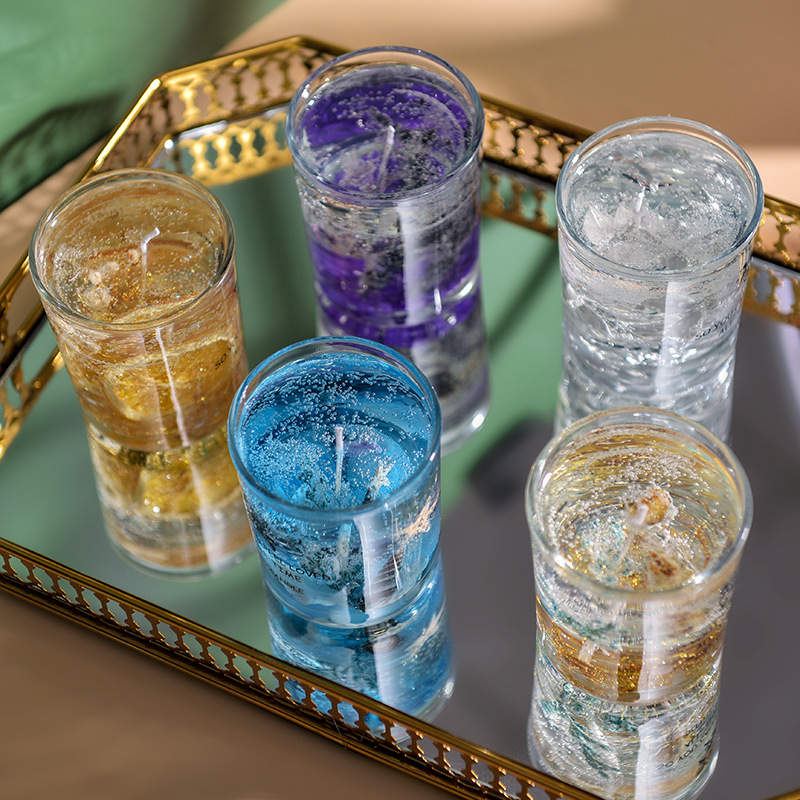 100g Flower Fruit Fragrance Jelly Aromatherapy Candle Diy Aromatherapy Candle Plant Essential Oil Aromatherapy Candle Gift
-
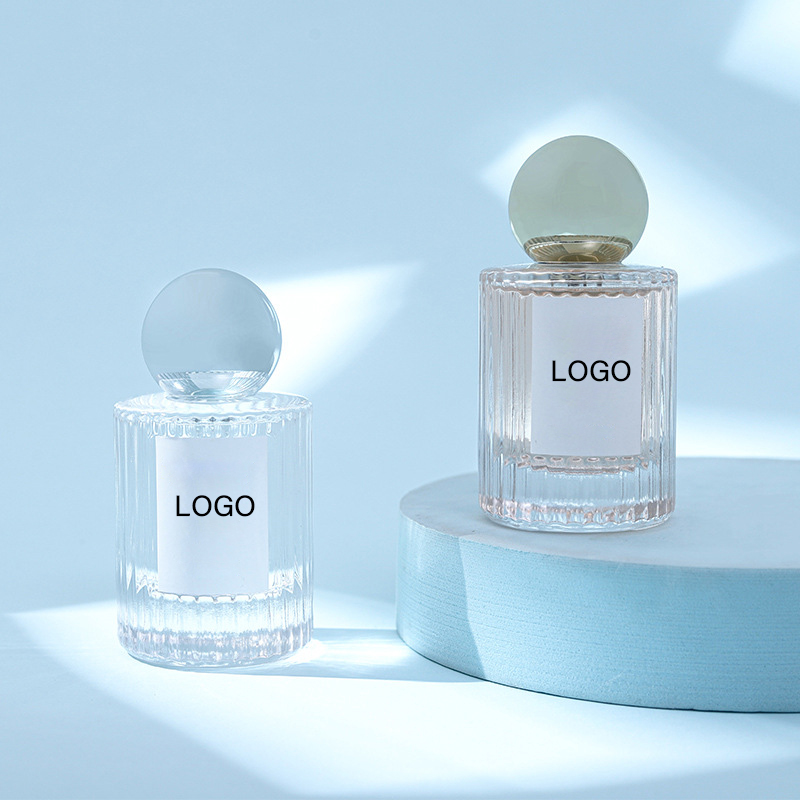 Fragrance China Branded Perfume Factory 50ML/100ML
-
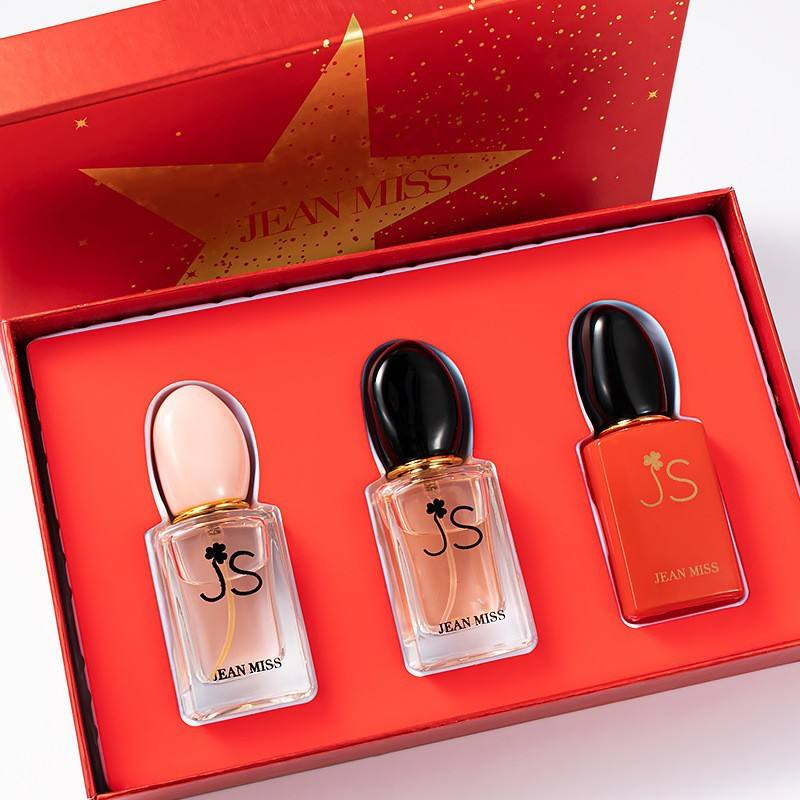 30ml*3 Lady Perfume Set Lasting Perfume Original Fragrance Brand Paris 3-piece Perfume Gift Set
-
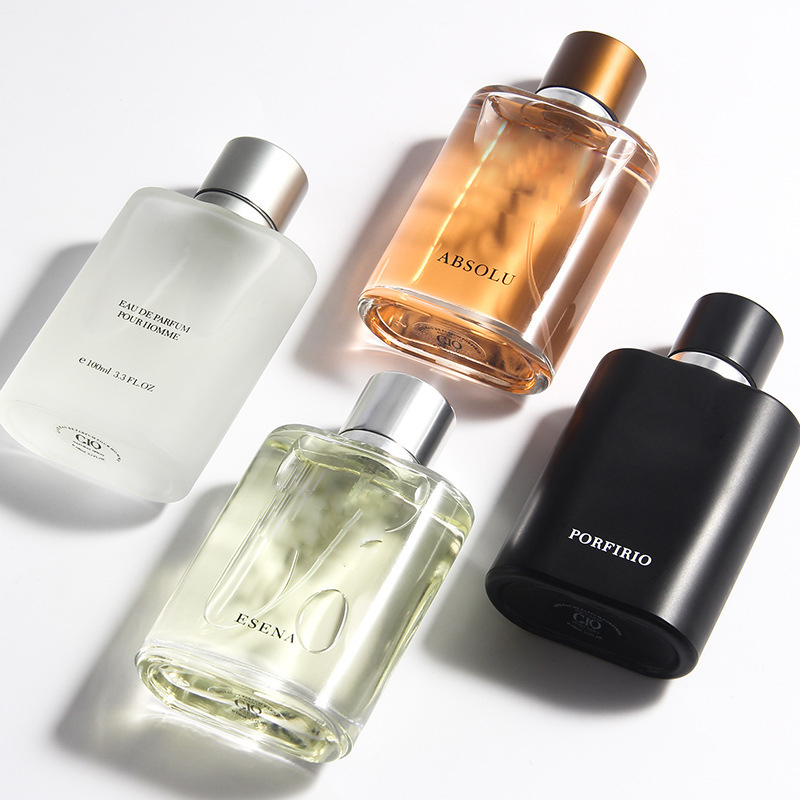 Original Branded Perfumes New Brand Perfumes Men Long Lasting Perfume

- E-mail: [email protected]
- TEL: +86-021-54730699
- Phone/Whatsapp: +86 136 8173 2008
- ADD: Room 612, Building A, No. 389, Lianming Road, Minhang District, Shanghai, China
To Browse
Mobile terminal
Copyright © Shanghai Hexuanshu Industrial Co., LTD
All Rights Reserved.
Wholesale Private Label Luxury Colour Cosmetic Products
