 Search
 EN
EN
 English
 Español
 عربى
عربى

Lipstick Sourcing for Private Label Brands: Formulations, Shades, and MOQ Realities
Content
A six-shade lipstick launch and a 113-shade launch look identical on a product page, but they require different pigment inventories, filling lines, packaging contracts, and compliance files.
Brands that underestimate that gap end up paying for a warehouse of slow-moving colors instead of cash flow. Shanghai Hexuan Shu Industrial Co., Ltd., the cosmetics manufacturer behind the Daimiya brand and the cndaimiya.com catalog, has run its own R&D team and production lines since 2013. Its lipstick and lip gloss range spans 6 to 113 shades, with in-stock programs starting at 50 pieces per color. That spread is the fastest entry point into how lipstick supply actually works, so this guide uses it to walk through formulation, shade range, MOQ, and supplier verification in the order that orders are actually placed.
01Lipstick Formulations — Choose the Format Before the Colors
The first lipstick sourcing decision is format, not color, because the formula type sets the ceiling for shade count, wear claims, packaging, and fill speed.
A matte bullet lipstick, a liquid lipstick, a lip crayon, and a color-changing jelly are different products that share a category name. They use different pigment loads, different solvents, and different filling methods. If the format does not match your sales channel, no shade range will save it.
- Matte bullet lipstick — a wax and pigment matrix with low migration, designed for the classic retail fixture; stock lines typically carry 6 to 13 shades.
- Liquid lipstick — a volatile silicone film that dries down to a transfer-resistant finish; wholesale programs run 33, 40, 49, and up to 113 colors.
- Lip crayon — a pencil matrix that doubles as a liner, with low packaging cost and 12 to 25 shades, common in value sets.
- Color-changing jelly lipstick — a pH-reactive dye base that shifts on the lips; the shade range stays small, usually 6 colors, and the appeal is novelty and social content.
The retail channel decides the winner. Physical stores favor the tactile, familiar matte bullet. Social-first DTC brands prefer liquid lipstick because swatches photograph consistently and the wide shade range supports digital merchandising. A hybrid range — one hero format plus one entry-price format — usually outperforms a single format.
| Format | Shade range | Fill method | Main sourcing risk |
| Matte bullet | 6 to 13 | Hot-pour into mold | Crumbling at low temperature and drag during application |
| Liquid matte | 33 to 113 | Cold-fill with doefoot wand | Pigment settling and nozzle clogging |
| Lip crayon | 12 to 25 | Twist-up or sharpenable stick | Breakage in transit and rough edge after sharpening |
| Color-changing jelly | 6 | Jar or click pen | Shade read varies with individual lip pH |
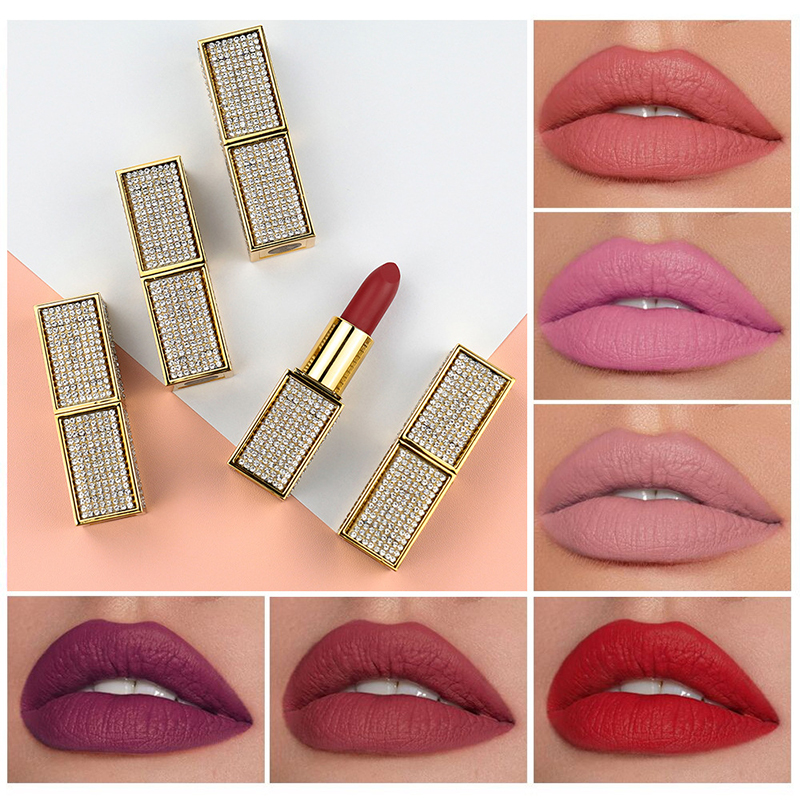 Customizable Vegan Matte Nude Lipstick with Low MOQThis matte lipstick suits small-batch brand launches, with 14 nude shades and full logo and packaging customization. Its vegan, moisturizing formula supports startups testing demand through physical retail or social channels.View Product →
02Lipstick Shade Range — How Many Colors a Launch Needs
Shade count is a channel strategy, and the right number comes from the retail path rather than from competitor catalogs.
Wholesale lipstick catalogs show the pattern clearly. Liquid lipstick programs from cndaimiya.com run 33, 40, 49, and 113 colors because liquid filling scales cheaply across shades. Matte bullet lines stay closer to 12 or 13 colors. Color-changing jelly formats stop at 6. The economics are simple: the more pigment-free base a factory can reuse, the cheaper it is to add shades.
Color matching starts with pigment stability. A red must hold its tone, a nude must not shift gray, and a metallic must keep its sparkle dispersion. A custom lipstick shade matching process is the right starting point because it maps the range to skin undertones and seasonal color analysis before a single mold is ordered.
Launch the count to the channel, not to the largest competitor. A 6-shade test launch keeps inventory light and validates demand. A 13-shade line fills a standard fixture. A 49-shade liquid program turns the color card into the main sales asset.
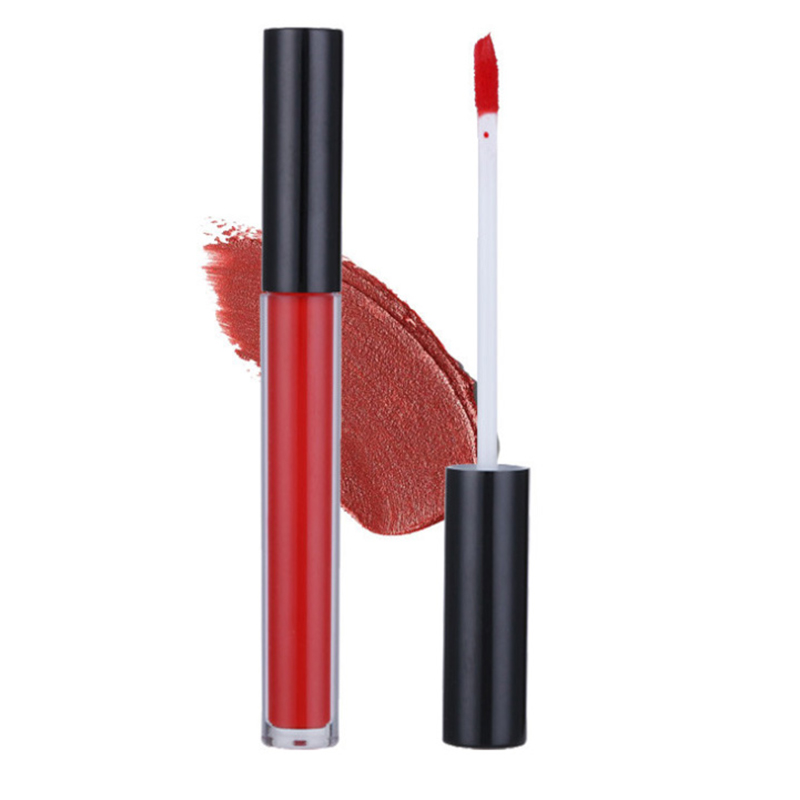 49-Shade Matte Liquid Lipstick and Lip Gloss CollectionA factory-direct wholesale set with 49 matte liquid lipstick shades and 70 gloss shades, ideal for social-first DTC brands. Waterproof, long-wearing formulas support private labeling for wide digital color range strategies.View Product →
03Lipstick MOQ and Customization — What a 50-Piece Order Really Means
A 50-piece lipstick MOQ is real only when the formula, mold, and packaging already exist, and every custom request raises the minimum in predictable steps.
The customization ladder follows the cost of change. Buying an existing stock lipstick with a custom logo is cheap. Replacing the packaging adds tooling. Creating a new shade requires pigment work. Building a formula from scratch requires stability testing. Each step multiplies the minimum order.
- Stock formula, stock packaging, custom logo — 50 to 100 pieces per color.
- Stock formula, custom packaging — from 300 pieces per color.
- Custom shade on an existing base — from 500 pieces per color.
- Fully custom formula and packaging — from 1,000 pieces per color.
The supply base confirms the pattern. In-stock lipstick products with low MOQ and custom logo options are available across the cndaimiya.com makeup catalog, including 12-color double-head lipstick and lip liner sets. A reliable supplier selection framework will say the same: match the customization level to the demand certainty, not to the ambition.
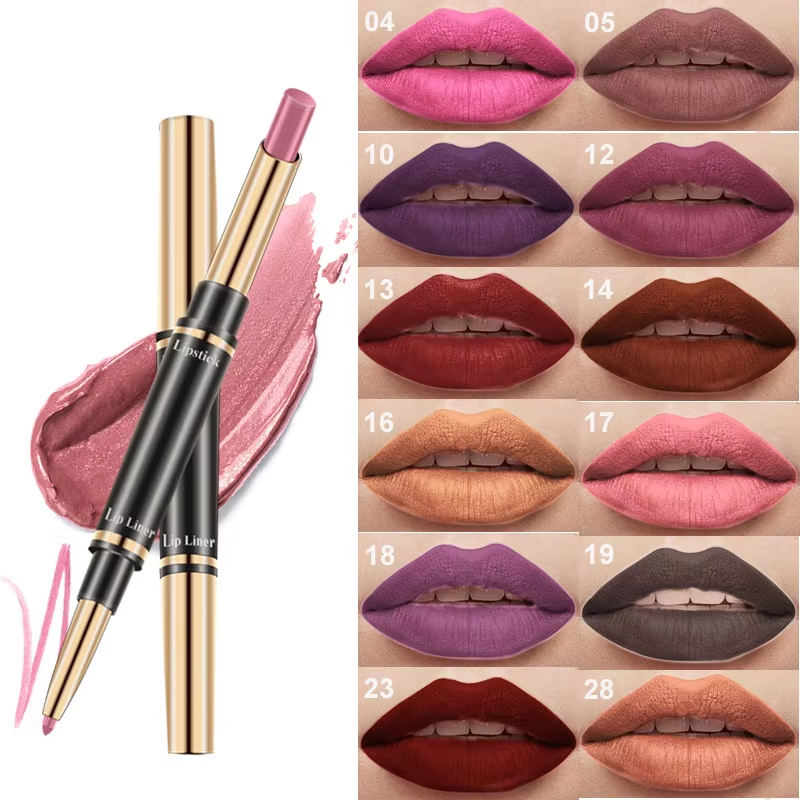 Waterproof 2-in-1 Lipstick and Lip Liner SetA dual-ended matte lipstick and lip liner in 12 shades, designed for efficient lip looks. Wholesale and private label options make it a practical entry-price format for retailers expanding lip makeup categories.View Product →
04Lipstick Supplier Verification — Documents Before Deposit
Compliance files, stability data, and a trial batch separate a functioning lipstick factory from a trading desk.
A reputable cosmetics manufacturer can show the paperwork without delay. Shanghai Hexuan Shu Industrial Co., Ltd. states that its products carry the required qualifications, are filed with the Shanghai drug regulatory authority, and go through thousands of consumer trials before launch. Apply the same standard to any short-listed supplier and make the documents part of the contract, not a courtesy.
| Check item | What to ask | Warning sign |
| Business scope | Ask for a business license that covers cosmetics manufacturing. | License limited to trading or import only. |
| Regulatory filing | Ask for the Shanghai drug administration filing or equivalent registration. | No filing number for existing products. |
| Safety document | Request the MSDS for lipstick pigments and solvents. | MSDS refused or composition described vaguely. |
| Stability test | Ask for heat, cold, and cycle test data for the formula. | No stability file exists for the offered formula. |
| Trial batch | Order the smallest batch before any custom color work. | The supplier insists on a large first order with no sample. |
05Lipstick Sourcing FAQ
What is a realistic MOQ for private label lipstick?
A realistic starting MOQ is 50 to 100 pieces per shade for an in-stock formula with a custom logo on existing packaging. Custom colors push the MOQ to 500 pieces, and a fully custom formula with new packaging typically starts at 1,000 pieces per color.
Which lipstick format should a new brand launch first?
Launch the format that matches the primary sales channel. Liquid lipstick suits online DTC brands because swatch photography is consistent and the shade range can be wider, while a matte bullet wins in physical retail where customers want the tactile test. Add the second format once the first proves demand.
Can a supplier match a specific lipstick shade or Pantone reference?
Yes, when the shade is a pigment combination on an existing base, most manufacturers match within 7 to 14 days per shade. Require two consecutive shade-approval batches before production, because pigment lot variation changes the result. Catalog-based matching is cheaper than a full pigment development program.
How long does a custom lipstick order take from approval to delivery?
A stock formula with custom logo ships in roughly 4 to 6 weeks. Custom shade matching adds 2 to 4 weeks, custom packaging tooling can add 8 to 12 weeks, and a stability file for a fully new formula adds another 8 to 12 weeks. Ordering a new formula while a stock line sells is the fastest route to a second launch.
-
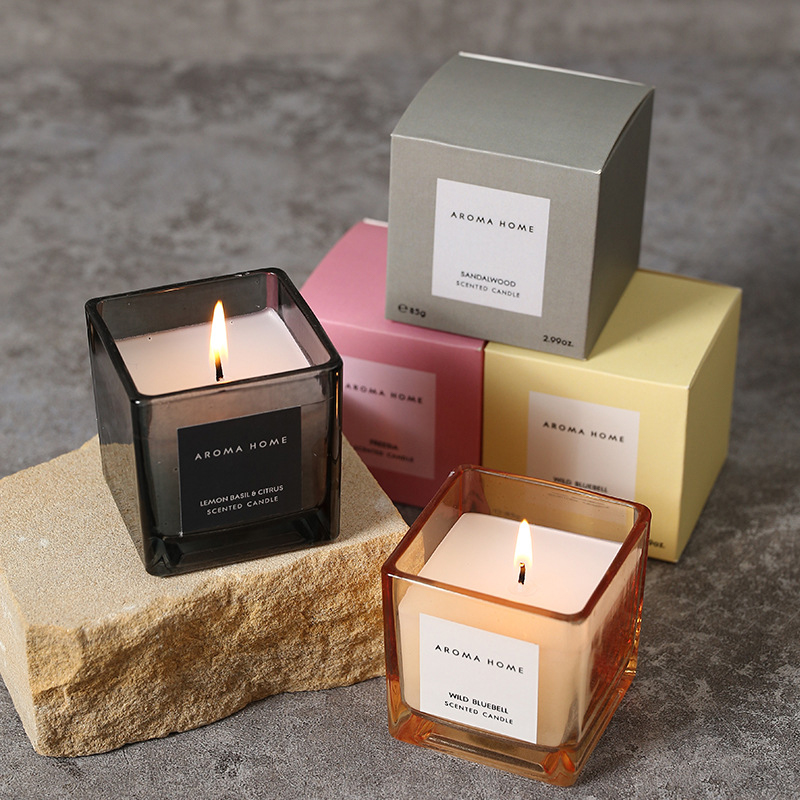 85g Packaging Soy Wax Customised Glass Jar Aromatherapy Aroma Scent Bougie Candle Gift Set for Home Fragrance
-
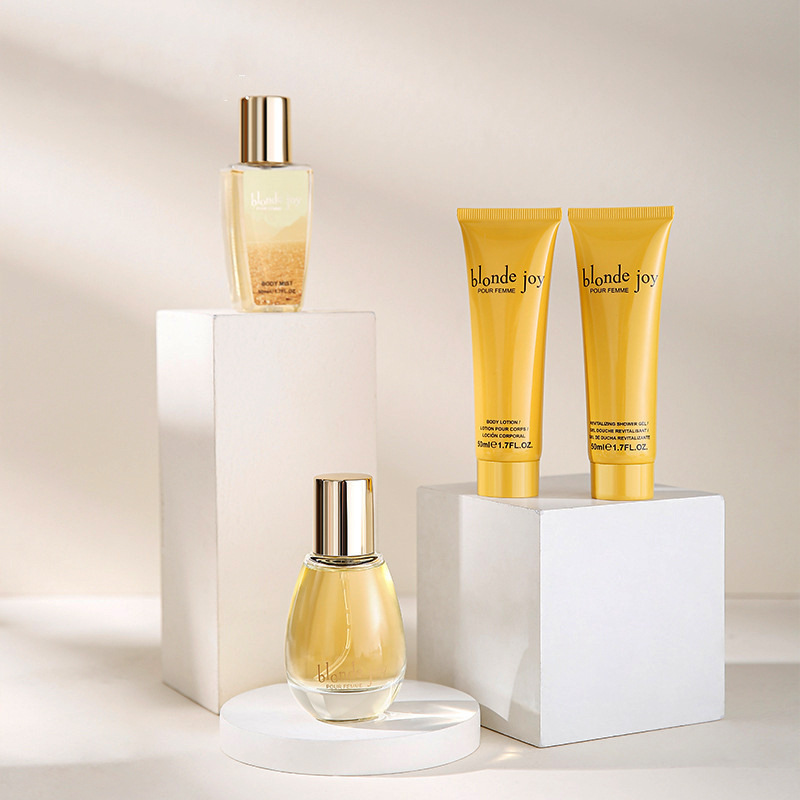 Skin Care Gift Set for Bath Spa Includes Shower Gel Body Lotion and Body Mist and Perfume for Women
-
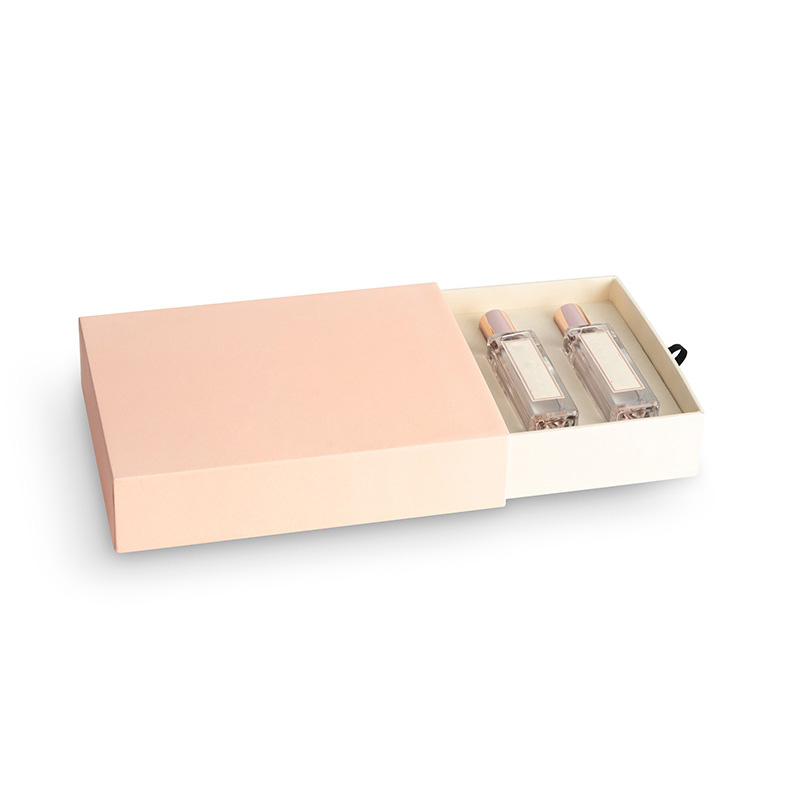 30ML*4 Label Long Lasting Body Spray Perfume Gift Set for Women Men 30ml/50ml/100ml
-
 Oem Low Moq 13 Colors Moisturizing Longlasting Customized Logo Label Vegan Nude Matte Lip Stick Lipstick
-
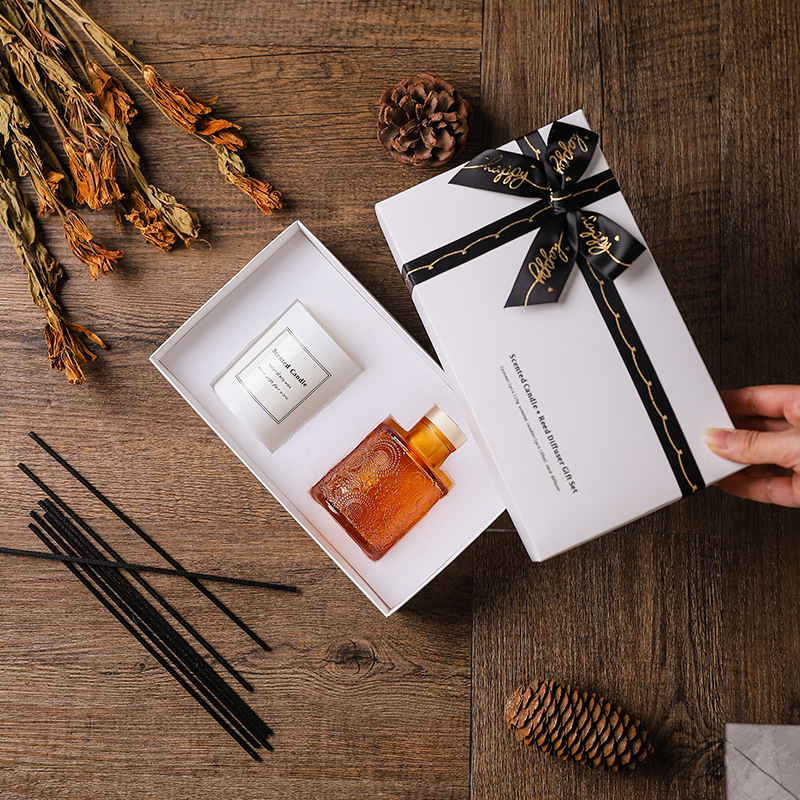 100g+100ml Luxury Aroma Reed Diffuser for Home Fragrance for Wedding for Party for Colorful Candle Gift Set
-
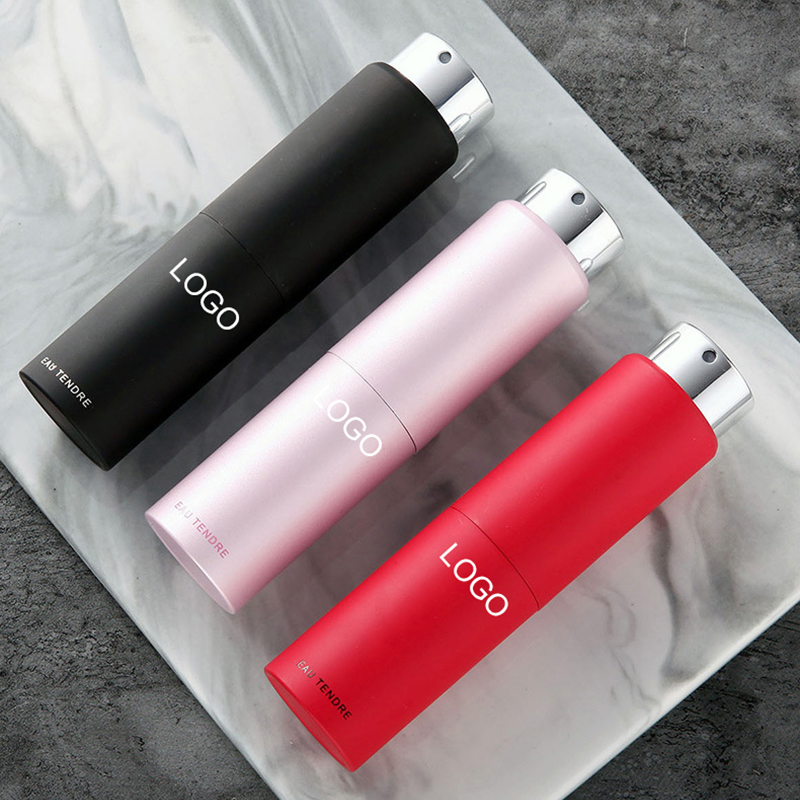 20ML Travel Size Body Spray Long Lasting Floral Portable Perfume Body Splash Set for Men and Women

- E-mail: [email protected]
- TEL: +86-021-54730699
- Phone/Whatsapp: +86 136 8173 2008
- ADD: Room 612, Building A, No. 389, Lianming Road, Minhang District, Shanghai, China
To Browse
Mobile terminal
Copyright © Shanghai Hexuanshu Industrial Co., LTD
All Rights Reserved.
Wholesale Private Label Luxury Colour Cosmetic Products
