 Search
 EN
EN
 English
 Español
 عربى
عربى

Private Label Lip Balm Manufacturing: Formulation, MOQ, and Supplier Selection Guide
Content
- 1 Why Lip Balm Sourcing Differs From Lipstick or Lip Gloss Procurement
- 2 Lip Balm Formulation Tiers: What the Wax-to-Oil Ratio Actually Controls
- 3 Lip Balm Fill Formats and Pack Sizes That Align With Retail Channels
- 4 MOQ, Customization, and the Cost Drivers Behind a Private Label Order
- 5 Compliance, Stability, and the Documents a Buyer Must Request
- 6 Lip Balm Sourcing FAQ
A first lip balm order looks simple until you compare actual quotes: a 4 g twist-up stick and a 15 g squeeze tube can both be called lip balm, yet they use different filling lines, packaging lead times, margin profiles, and stability risks. Shanghai Hexuan Shu Industrial Co., Ltd. has supplied private label lip balm and related personal care products since 2013, and its Daimiya brand line runs on the same production and testing infrastructure offered to outside buyers. The sourcing checklist below covers formulation tiers, fill formats, MOQ drivers, and the compliance documents that turn an approved sample into a shippable wholesale order.
Why Lip Balm Sourcing Differs From Lipstick or Lip Gloss Procurement
Lip balm is classified and tested as a skincare product, so the evaluation criteria are occlusivity, hardness, and heat stability, not pigment coverage or color payoff. That distinction changes the supplier conversation from the first email.
Most color cosmetics fail a lip balm brief because they prioritize wax load for structure and pigment dispersion. Lip balm must first prevent moisture loss, which means a higher oil or butter fraction and a softer texture. The filling process has to tolerate that softness without smearing, air pockets, or cracked sticks after cooling.
- Coverage: a balm targets a sheer functional film; a lipstick targets full opacity.
- Stability screen: balms need a three-month 40 C oven test; many color cosmetics skip it.
- Labeling: repeated daily use requires full INCI disclosure and allergen notes.
- Sensory test: glide, tackiness, and after-feel decide repeat purchase.
Lip Balm Formulation Tiers: What the Wax-to-Oil Ratio Actually Controls
The wax-to-oil ratio and butter content decide hardness, glide, and occlusivity, so specify these before asking a factory to match a scent or add an active ingredient.
Lip balm bases divide into five common families. Each family changes cost, shelf life, and the sensory experience, and each suits a different retail channel.
| Base family | Typical wax share | Texture and feel | Best use case | Wholesale note |
| Petrolatum-based | 5-10% | Heavy, glossy, high occlusion | Drugstore essentials, winter balms | Lowest cost, longest shelf life |
| Beeswax plus plant oil | 15-25% | Firm stick, clean glide | Standard twist-up sticks | Reliable melt point, easy filling |
| Shea or cocoa butter | Under 10% wax, butter-forward | Creamy, soft, melts on contact | Tinted balms, jars, holiday sets | Temperature-sensitive, add stabilizer |
| Vegan candelilla or carnauba | 18-28% plant wax | Hard stick, crisp break | Clean-beauty and vegan lines | Higher melt point, more filler resistance |
| Active-loaded: tallow, collagen, peptides | 10-15% | Rich, repairing, non-greasy finish | Premium and overnight repair balms | Request a stability batch before scaling |
A 40-60% oil and butter phase is typical for a moisturizing balm; a firm twist-up stick usually sits in the 15-25% wax range; and fragrance load above 3% raises irritation risk on chapped lips, so most factories cap it there. If a supplier proposes a strong cinnamon or peppermint concept, verify the load before sampling.
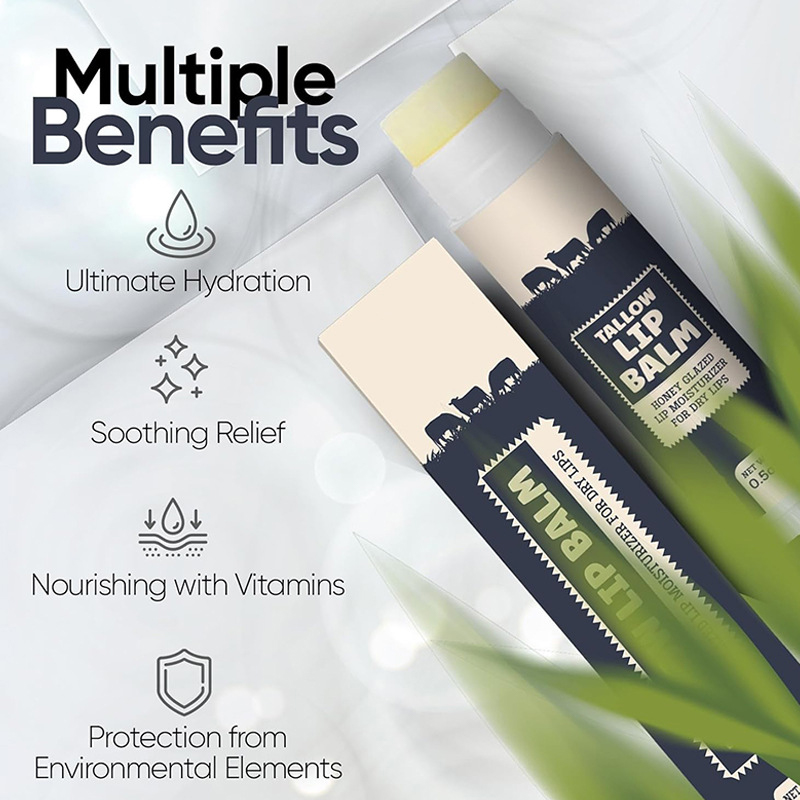 Tallow-Based Hydrating Lip Balm with Anti-Cracking FormulaThis tallow lip balm offers long-lasting moisture and barrier protection for chapped lips. Its minimal-ingredient formula suits buyers seeking a natural, portable option, with low MOQ and customizable packaging for private label.View Product →
Lip Balm Fill Formats and Pack Sizes That Align With Retail Channels
Fill format drives filling cost, packaging inventory, and perceived value, so match the format to your retail price point before negotiating MOQ.
Four formats cover most private label lip balm programs. Each responds to a different shopping moment: impulse purchase, daily skincare routine, gifting, or overnight treatment.
- Twist-up stick, 3.5-5 g: mass retail default; low component cost and fast filling; small label area for branding.
- Squeeze tube, 10-15 g: skincare positioning; suitable for tinted or SPF formulas; larger label surface for ingredient storytelling.
- Jar or pot, 5-30 g: premium overnight masks and sets; higher packaging cost but stronger perceived value.
- Click pen or applicator wand, 2.5-4 g: precise application; higher component cost; common in travel and pocket-size sets.
Fill weight determines dosing cost as much as tube cost. When a factory quotes the same per-piece price on a 12 g tube and a 4 g stick, ask for the fill weight and component cost split separately.
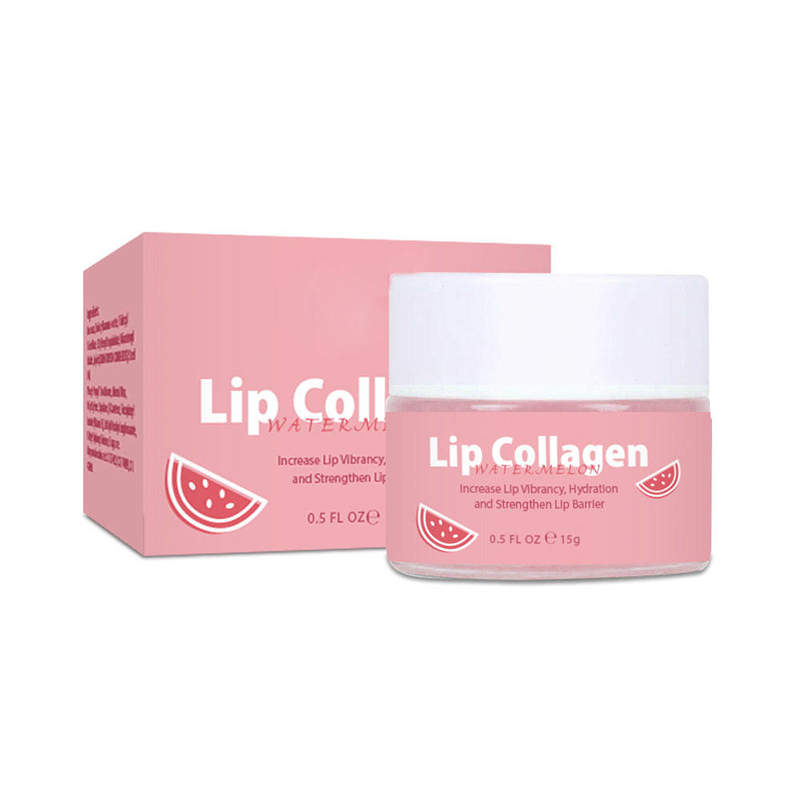 Collagen-Infused Watermelon Overnight Lip Sleeping MaskAn overnight lip mask combining collagen and watermelon extract to support elasticity and repair. Its non-sticky, extended-wear texture is ideal for dry lips, and the 10g size allows convenient private-label customization.View Product →
MOQ, Customization, and the Cost Drivers Behind a Private Label Order
MOQ for lip balm is calculated per SKU from tube quantity, fill volume, and label run, so compare total landed cost per unit instead of the headline per-piece price.
Shanghai Hexuan Shu Industrial Co., Ltd. advertises low-MOQ and in-stock programs, and some product pages list a 50-piece starting point. Those low numbers usually apply to blank stock or an existing mold. Custom colors, new tubes, and formula adjustments raise the minimum because tooling and sampling costs must be absorbed.
- Logo application: pad printing, hot stamping, silk screen, or shrink-sleeve label.
- Tube and case selection: existing molds versus new mold development, typically 30-45 days.
- Formula adjustment: single active addition, flavor change, or full custom development.
- Packaging structure: single box, display carton, or set assembly with other skin-care items.
- Send the formula and packaging brief.
- Factory returns a compatibility and stability plan.
- Approve the pre-production sample.
- Bulk filling with in-process quality checks.
- Final QC, packing, and documentation handover.
A structured brief is the difference between a 30-day sample cycle and a 90-day one. Read the guide on building a private label cosmetic line before locking colors and tube shapes, because the same sourcing logic applies across an entire skin-care assortment.
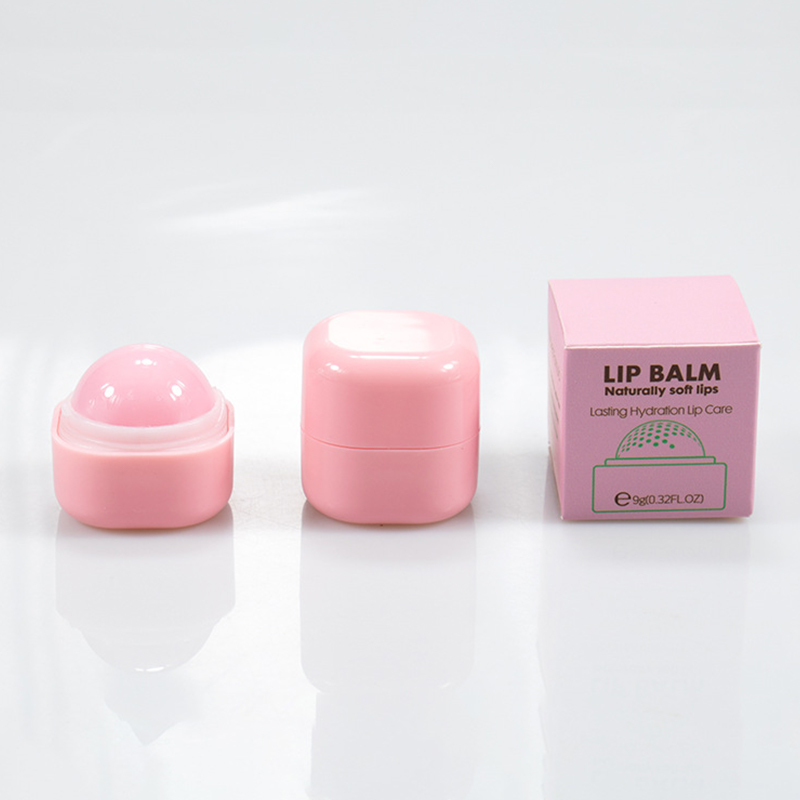 Customizable Glossy Lip Balm with Paraben-Free FormulaA moisturizing, non-sticky lip gloss balm that can be tailored in shade, finish, and flavor. Free of parabens and sulfates, it suits sensitive lips and offers flexible branding options for private-label launches.View Product →
Compliance, Stability, and the Documents a Buyer Must Request
Ask for MSDS, stability reports, and the factory regulatory filing records before placing a bulk order, because approving a sample without documentation delays customs clearance and retail listing.
A compliant lip balm order needs more than a certificate of analysis. For products made in China, confirm the factory keeps filing records with the Shanghai drug administration or the relevant local authority, as Shanghai Hexuan Shu Industrial Co., Ltd. does for its production. Those records link each batch to a responsible manufacturer.
- MSDS for fragrance oils and any alcohol-based component
- Stability report covering 40 C, room temperature, and freeze-thaw cycles
- Fill-weight tolerance statement, usually +/-5%
- Full INCI ingredient list for label printing
- Factory regulatory filing or record with the local authority for China production
Suppliers that publish low-MOQ options and in-stock stock, as Shanghai Hexuan Shu does across its Daimiya and wholesale programs, are easier to start with and scale later. Before signing, review the steps to launch your own cosmetics brand and align the timeline with your retail calendar.
Lip Balm Sourcing FAQ
What is the typical MOQ for private label lip balm?
MOQ starts around 500-1,000 pieces for existing tubes and blank stock in most private label programs, and some suppliers accept 50 pieces for in-stock items. Custom molds, custom color matching, and new packaging raise the minimum because tooling cost must be spread across the batch.
Can I start with an existing formula or blank stock instead of a custom formula?
Yes. Blank, no-logo stock and existing formulas are the fastest route, with samples often ready within days. A new custom formula adds a stability cycle of roughly 8-12 weeks before bulk production can begin.
How long does a custom lip balm order take from sample to delivery?
A typical timeline is 7-14 days for pre-production samples, 60-90 days for stability testing of a new formula, and 15-30 days for bulk production after sample approval. Custom packaging and shipping add time depending on destination.
What documents should a lip balm buyer request from the factory?
Request MSDS, stability test reports, a fill-weight tolerance statement, the INCI ingredient list, and the manufacturer regulatory filing. These four documents cover transport safety, product stability, labeling accuracy, and production accountability.
-
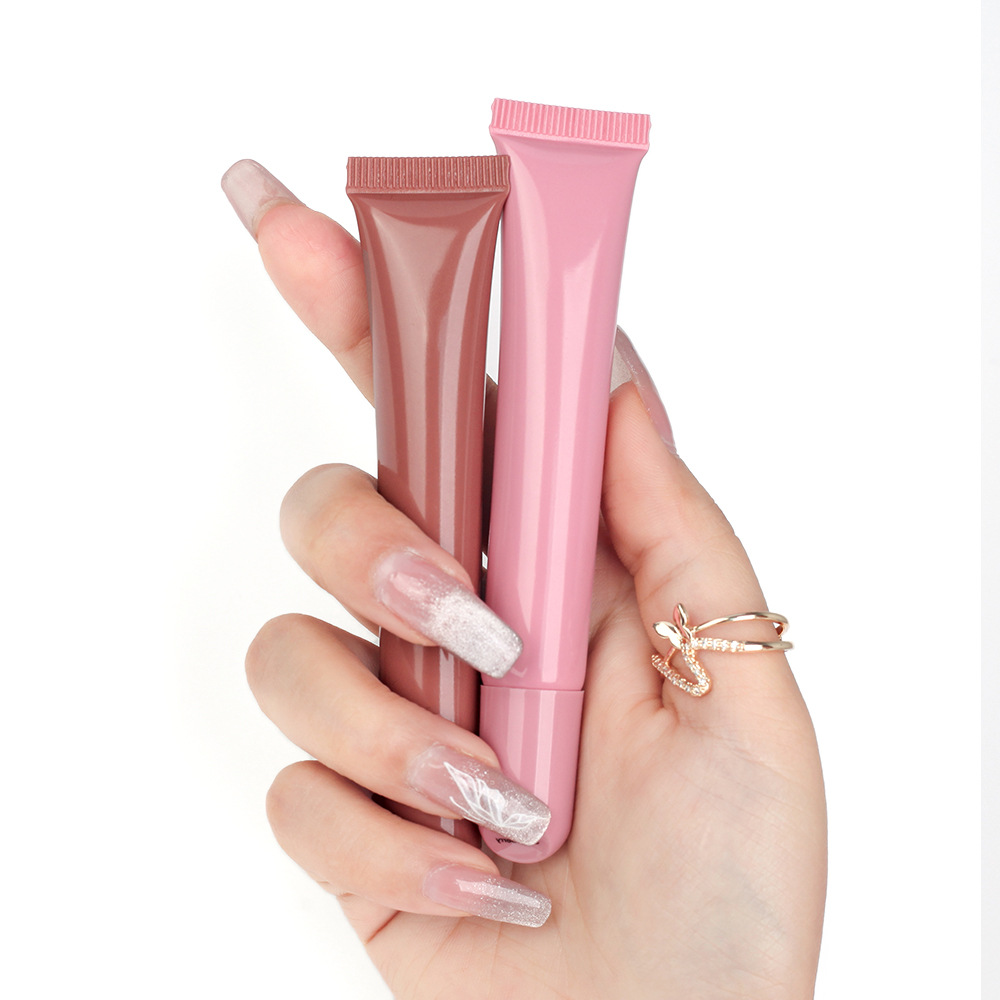 Lip Balm Vegan Hydrating and Moisturizing Camellia Polypeptide Fruit Lip Glow Oil Lip Oil Gloss
-
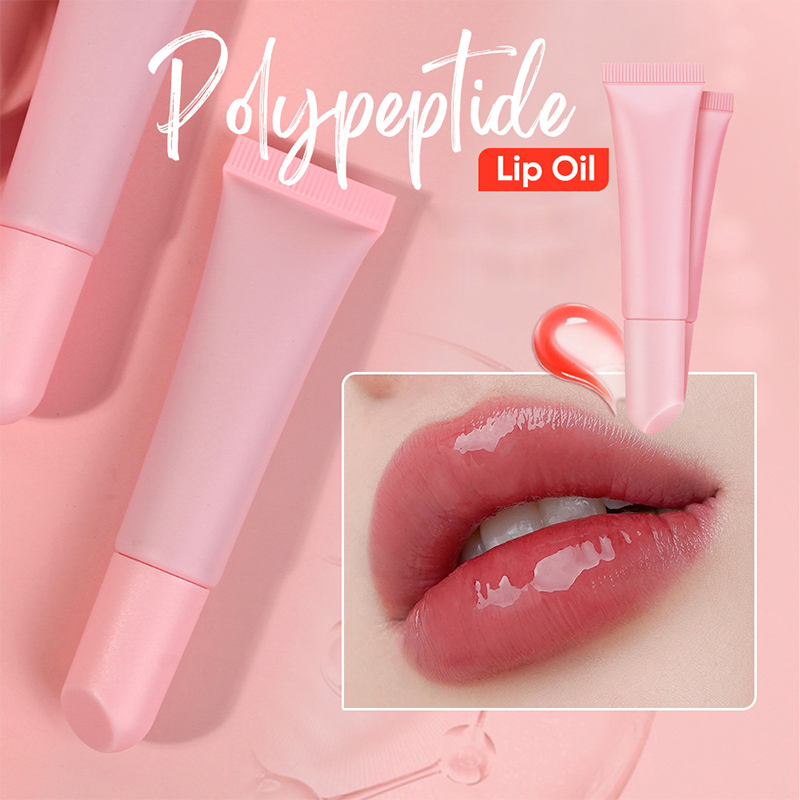 Hydrating Glossy Waterproof Moisturizing Juicy Lip Balm Tint Shea Butter Lipgloss Peptides Lip Tint
-
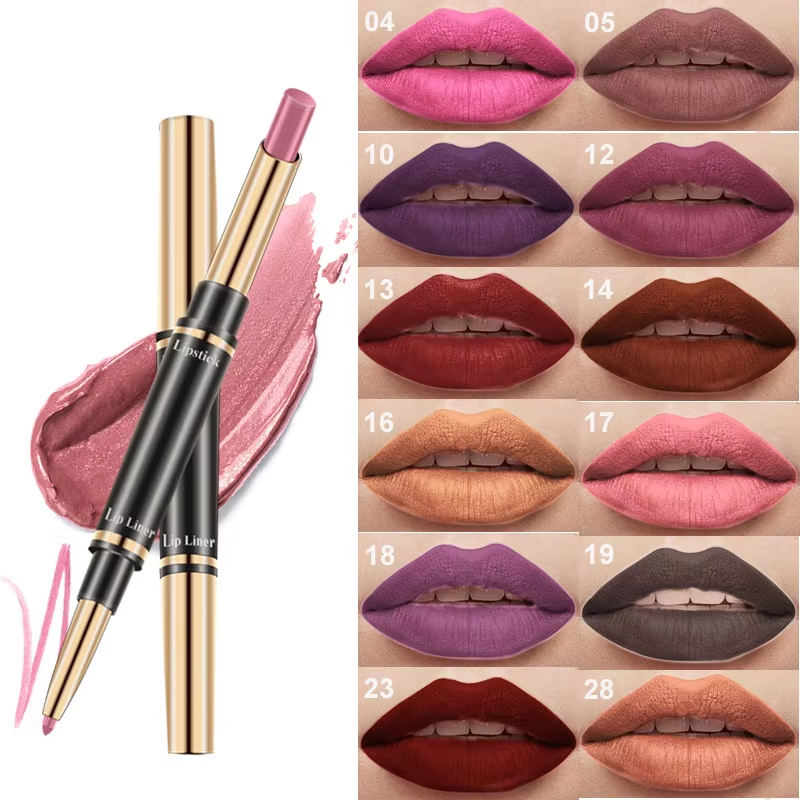 12 Colors Matte Double Heads Waterproof Lipstick and Lip Liner 2 in 1 Lip Liner
-
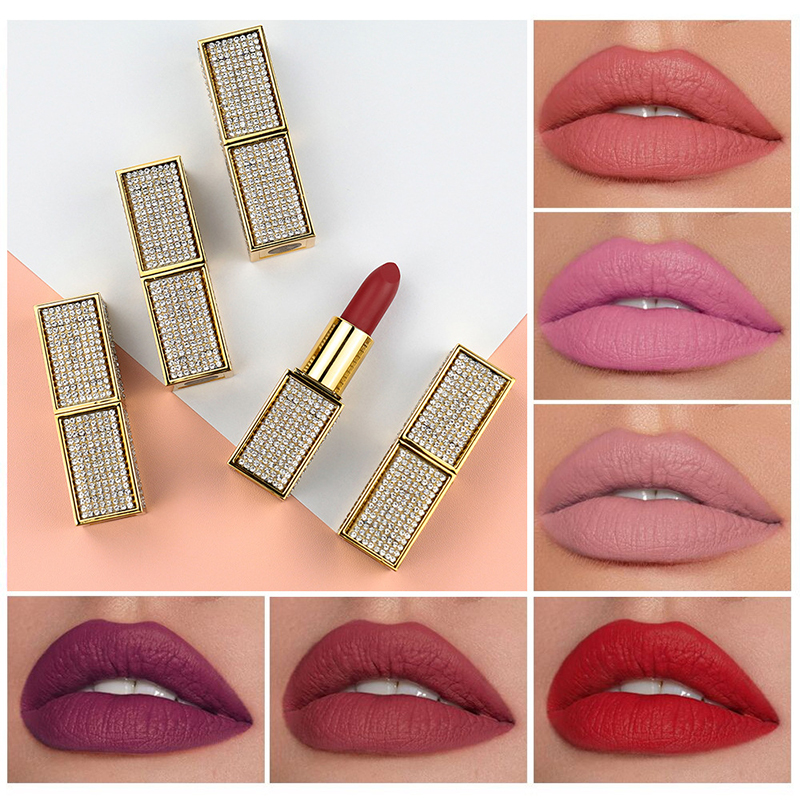 Oem Low Moq 13 Colors Moisturizing Longlasting Customized Logo Label Vegan Nude Matte Lip Stick Lipstick
-
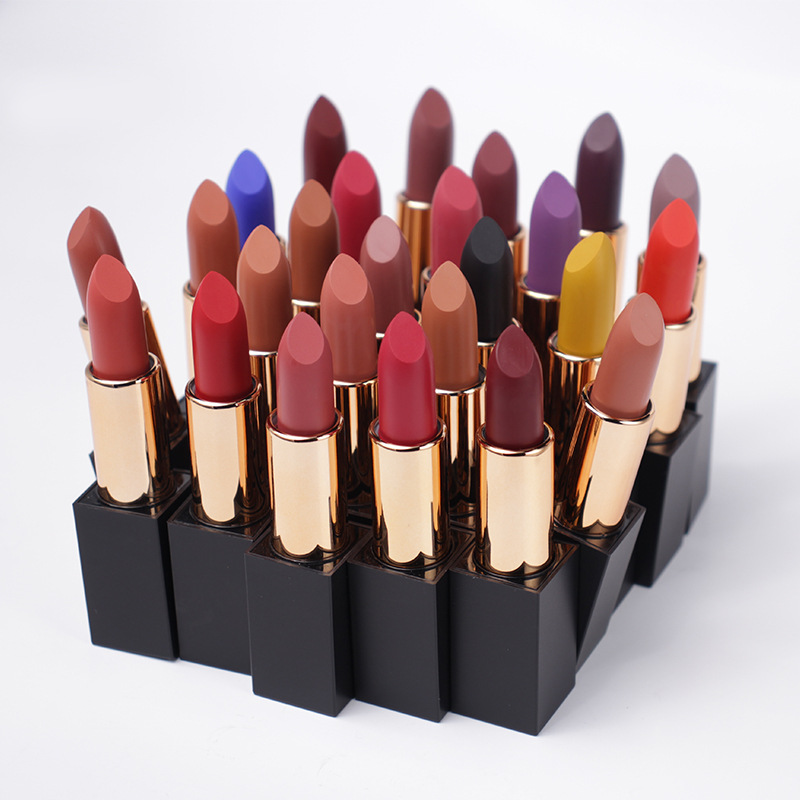 Cosmetics Makeup Make Your Own Brand Lipstick Matte Lipstick
-
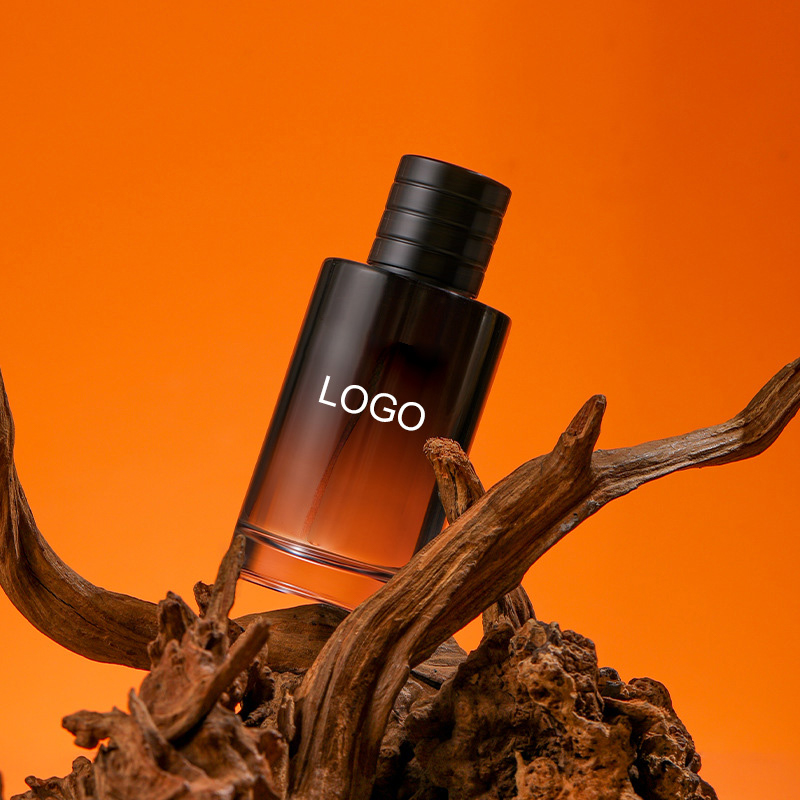 50ml/100ml Long Lasting Brand Designers Cologne Fragrance Men Perfume

- E-mail: [email protected]
- TEL: +86-021-54730699
- Phone/Whatsapp: +86 136 8173 2008
- ADD: Room 612, Building A, No. 389, Lianming Road, Minhang District, Shanghai, China
To Browse
Mobile terminal
Copyright © Shanghai Hexuanshu Industrial Co., LTD
All Rights Reserved.
Wholesale Private Label Luxury Colour Cosmetic Products
