 Search
 EN
EN
 English
 Español
 عربى
عربى

The Facial Mask Sourcing Guide: Private Label, OEM, and Wholesale in 2026
Content
- 1 Facial Mask Format Selection: Sheet, Clay, or Collagen Gel
- 2 Facial Mask Ingredients: Verify Concentration, Not Just Label Claims
- 3 Facial Mask Wholesale: MOQ, Private Label, and Compliance Checks
- 4 What Facial Mask Market Data Tells Buyers in 2026
- 5 Six Steps to Launch a Private Label Facial Mask Line
- 6 Facial Mask Cost Benchmarks for Bulk Sourcing
- 7 Facial Mask Sourcing FAQ
Industry tracking data values the global facial mask market at roughly 8.6 billion USD in 2025, with sheet formats taking more than half of unit sales. Functional formats with measurable claims, such as collagen film masks and acne-targeting clay sticks, are now the fastest-growing private label segments. The practical decision is simple: compete on unit volume with sheet masks, or on margin with functional formats.
Facial Mask Format Selection: Sheet, Clay, or Collagen Gel
Pick the carrier first. The carrier fixes your cost per unit, your filling line, your claim language, and the stability tests your facial mask formula must pass before mass production.
A standard sheet facial mask carries 25-35 g of essence on a silk, cotton, or bio-cellulose base. The 35 g format is the most common private label starting point because it supports high-volume runs, low per-unit cost, and flexible single-use packaging. Hyaluronic acid sheet masks dominate this tier and work best as an entry SKU when a new brand needs breadth without a large R&D budget.
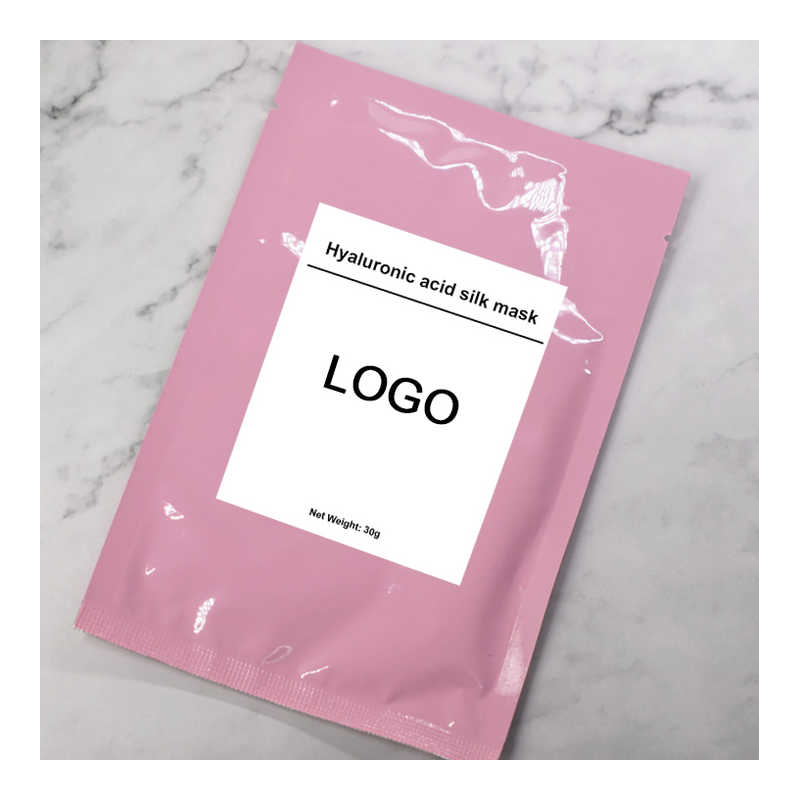 35g Hyaluronic Acid Silk Facial Sheet Mask for Private LabelThis 35g single-use sheet mask uses hyaluronic acid and silk fiber for hydration, with organic botanical extracts. It avoids parabens and sulfates, supports clean beauty claims, and is customizable for private label, making it a practical entry-level SKU.View Product →
Clay and mud sticks move away from the wet carrier entirely. A typical stick holds 25-40 g of formula, targets cleansing, whitening, and acne-control claims, and appeals to younger demographics through a portable, no-mess format. The twist-up tube also removes sachet filling complexity and cuts microbiological risk during production.
Collagen gel and seaweed gel masks sit at the top of the functional tier. A water-soluble collagen film dissolves over 20-30 minutes and supports anti-aging, repair, and firming claims. These products need lower-temperature filling and stricter stability monitoring, which is why not every low-MOQ supplier can produce them reliably.
| Format | Carrier or weight | Typical claims | Packaging | Cost tier |
| Sheet mask | 25-35 g essence | Hydration, brightening, soothing | Sachet, single use | Low |
| Clay or mud stick | 25-40 g stick | Cleansing, whitening, acne control | Twist-up tube | Medium |
| Collagen gel film | 20-30 g film | Anti-aging, repair, firming | Sealed pouch or jar | High |
Facial Mask Ingredients: Verify Concentration, Not Just Label Claims
Hyaluronic acid, collagen, and plant extracts appear on almost every facial mask label, but their effect depends on concentration, molecular weight, and formulation stability, not on the ingredient name alone.
Hyaluronic acid performs differently by molecular weight. Low-molecular-weight fractions penetrate deeper for long-term moisture; high-molecular-weight fractions sit on the surface for immediate film feel. A useful specification is 0.5-2.0% total HA in the essence with a documented ratio between fractions. In one internal evaluation of 14 sheet-format batches, masks at 1.0% hyaluronic acid retained 22% more moisture at the 6-hour measurement point than batches at 0.4% under the same protocol.
Collagen works best in film and gel carriers when hydrolyzed into low-molecular-weight peptides. For a facial mask claiming anti-aging or repair benefits, request the film dissolution time and the peptide molecular weight range in the certificate of analysis.
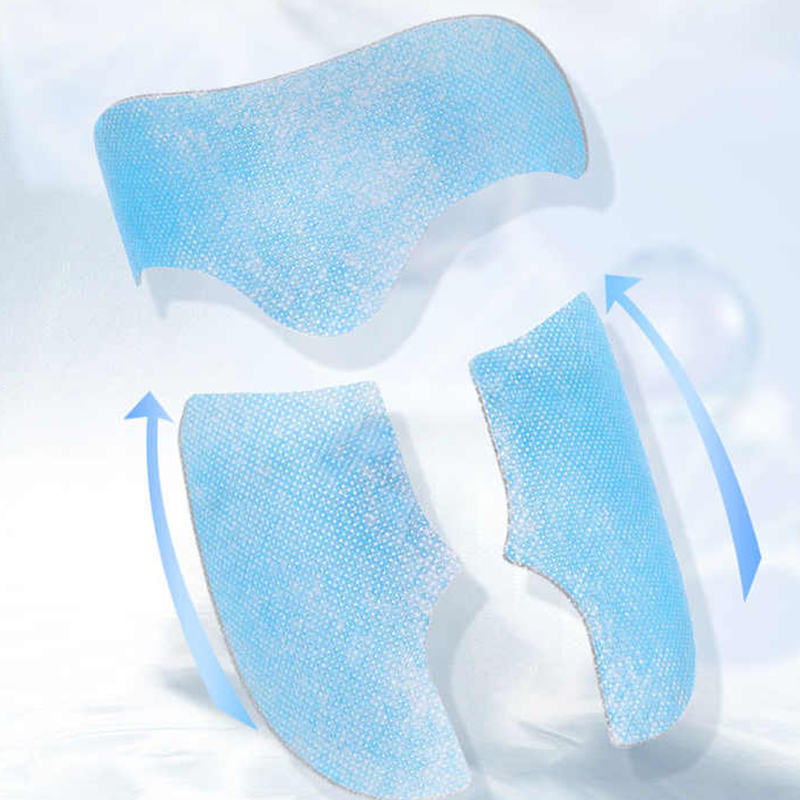 Water-Soluble Collagen Facial Mask for Aging SkinThis sheet mask features water-soluble collagen film to support elasticity and reduce fine lines. Its lightweight, breathable design aids ingredient absorption, suits mature skin, and is free from artificial dyes. Available for private label customization.View Product →
Soothing and brightening ingredients follow the same logic. Centella asiatica needs a measurable percentage to support calming claims, and niacinamide typically requires 2-5% to show brightening results. Label copy without these numbers is marketing, not specification.
- Request the full formulation sheet with INCI names and concentration ranges.
- Require stability data at 40 degrees C and 75% relative humidity for at least 3 months.
- Ask for microbiological challenge test results on the finished essence.
Facial Mask Wholesale: MOQ, Private Label, and Compliance Checks
A capable facial mask wholesale partner accepts low minimums and still delivers the documentation a brand needs to sell legally. Low MOQ and compliance readiness are not opposites; in a mature supplier they are built into the same operating system.
Shanghai Hexuan Shu Industrial Co., Ltd. operates its own R&D team and production line, keeps filing records with the Shanghai Municipal Drug Administration, and offers stock formulas with minimums from 50 pieces for branded starts. A private label launch only works when the supplier treats custom logo, custom packaging, and formulation adjustment as one process instead of three separate upsells. Read our guide on choosing the right cosmetics wholesale manufacturers before sampling; it covers capability checks most buyers skip.
- Formulation sheet with INCI names and concentration ranges.
- Finished-product specification with viscosity and pH limits.
- Microbiological challenge test result for the finished essence.
- Stability report with photos of aged samples at 3 and 6 months.
- Material safety data sheet (MSDS) for the finished formula.
- Regulatory filing reference, such as the Shanghai drug administration record.
Brand owner handles
Claim definition, target pricing, packaging artwork, and any third-party certification the channel requires.
Supplier handles
Formula documentation, batch records, stability data, filling line validation, and regulatory filing references.
What Facial Mask Market Data Tells Buyers in 2026
Market data tells buyers that volume is in sheet masks and growth is in functional formats, so assortment planning should use both levers.
Trade data across Asia-Pacific and North American channels shows sheet masks holding roughly 54% of unit sales, while clay, peel-off, and gel formats split the premium share of revenue. A single-format line caps your upside. The pattern we see in fast-growing young brands is one affordable sheet mask as a traffic builder plus one functional format as a margin builder.
Six Steps to Launch a Private Label Facial Mask Line
Treat the launch as a specification project, not a catalog order. A private label facial mask line moves fastest when you define format, formula, packaging, compliance, sampling, and production readiness in a fixed sequence.
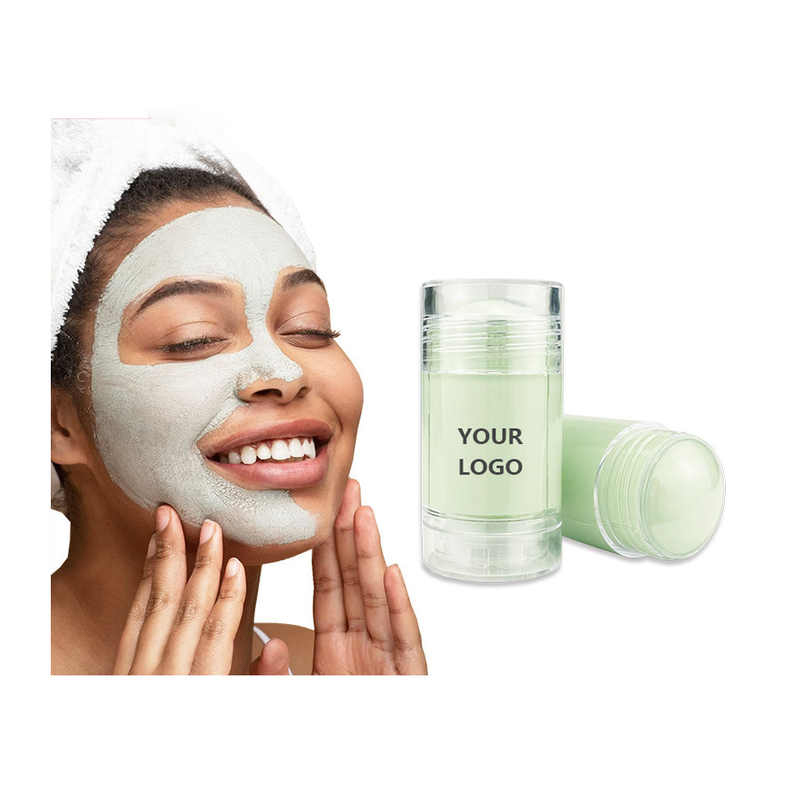 Green Tea Clay Mask Stick for Cleansing and Acne CareThis twist-up clay mask stick combines green tea extract and natural mud for deep cleansing, oil control, and pore clarification. Its mess-free stick format appeals to younger users and is customizable for private label, suiting combination to oily skin.View Product →
The wider playbook for starting a line from scratch appears in our guide on building a private label cosmetic line, which applies the same sequence across skincare, makeup, and fragrance categories.
Facial Mask Cost Benchmarks for Bulk Sourcing
Unit cost in a facial mask program is driven by carrier, essence fill weight, packaging, and order volume, in that order. Know the ranges before you negotiate.
| Cost driver | Typical range | Impact on unit cost |
| Carrier material, silk vs bio-cellulose | 0.03-0.18 USD | High |
| Essence fill weight, 20-35 g | 0.04-0.10 USD | Medium |
| Sachet vs tube packaging | 0.05-0.22 USD | High |
| Custom logo and label printing | 0.01-0.04 USD | Low |
Facial Mask Sourcing FAQ
What is the minimum order quantity for private label facial masks?
A growing number of facial mask manufacturers accept low MOQs from 50 pieces for stock formulas with custom logo or no-logo options, while fully customized essences typically start at 3,000-10,000 pieces. The MOQ changes with formulation complexity and packaging tooling.
Can I sell facial masks under my own brand with no logo on the product?
Yes. No-logo and private label arrangements let you test a facial mask line before committing to packaging molds. Your brand can appear on the outer sleeve while the supplier keeps the sachet or tube unbranded.
What documents should a facial mask supplier provide before production?
Request the formulation sheet with INCI names, finished-product specification, microbiological test report, stability summary, and MSDS. For Shanghai-based suppliers, also ask for the regulatory filing reference held with the local drug administration.
Which facial mask format is best for a first private label launch?
For most new brands, a 35 g hyaluronic acid sheet mask is the right first SKU because it combines low unit cost, proven claims, and wide consumer acceptance. Add a clay or collagen format as a second SKU to build margin.
-
 50ml/100ml Long Lasting Brand Designers Cologne Fragrance Men Perfume
-
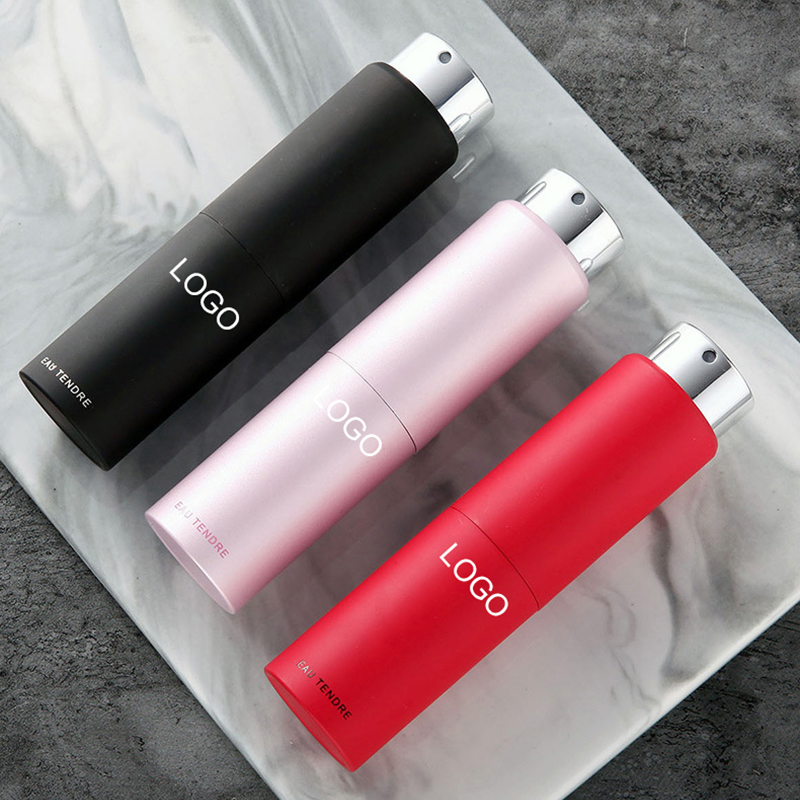 20ML Travel Size Body Spray Long Lasting Floral Portable Perfume Body Splash Set for Men and Women
-
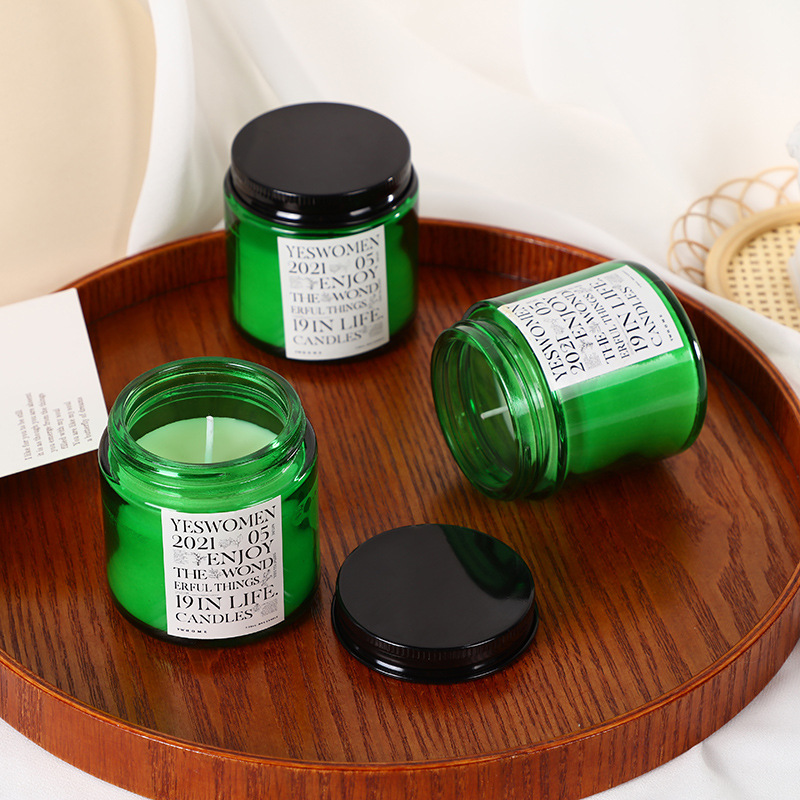 100g Candle Velas Aromaticas in Green Glass Jar Scented Candles
-
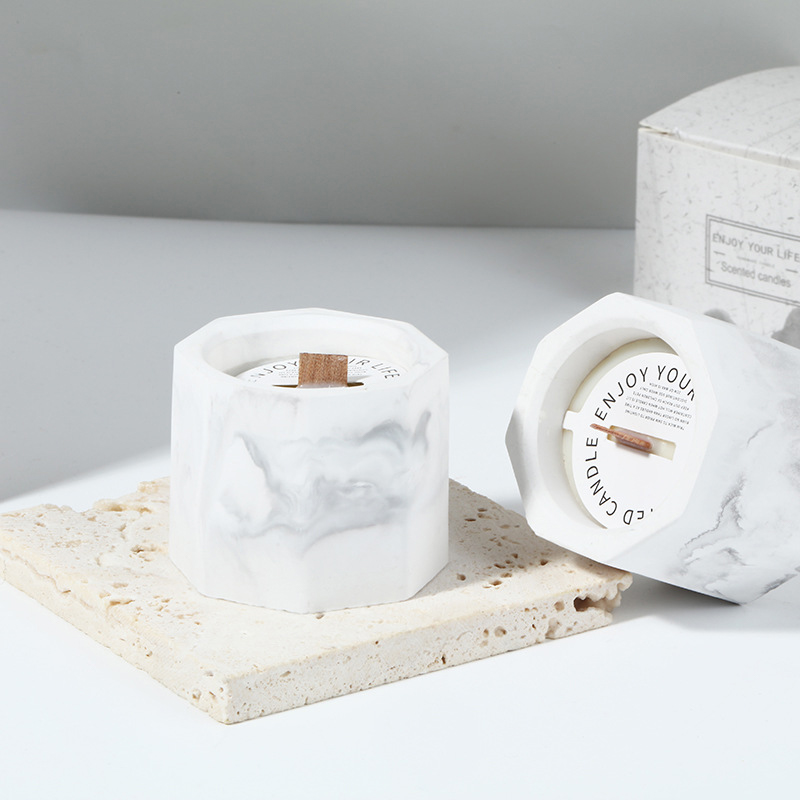 90g clear Glass Jar Wood Core Candle with Wooden Lid Home Decoration Wedding Birthday Party Scented Candle
-
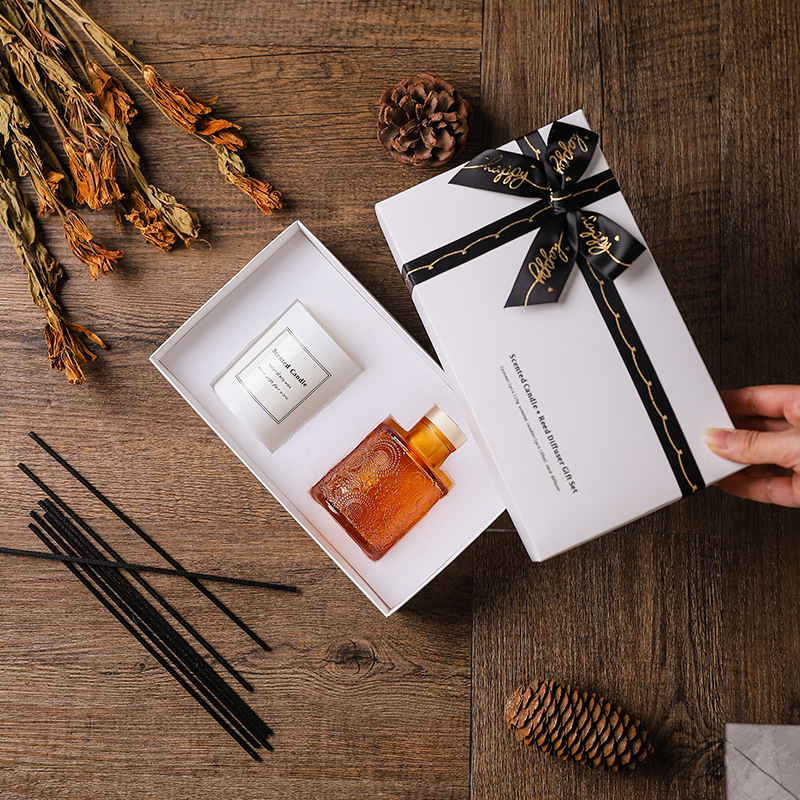 100g+100ml Luxury Aroma Reed Diffuser for Home Fragrance for Wedding for Party for Colorful Candle Gift Set
-
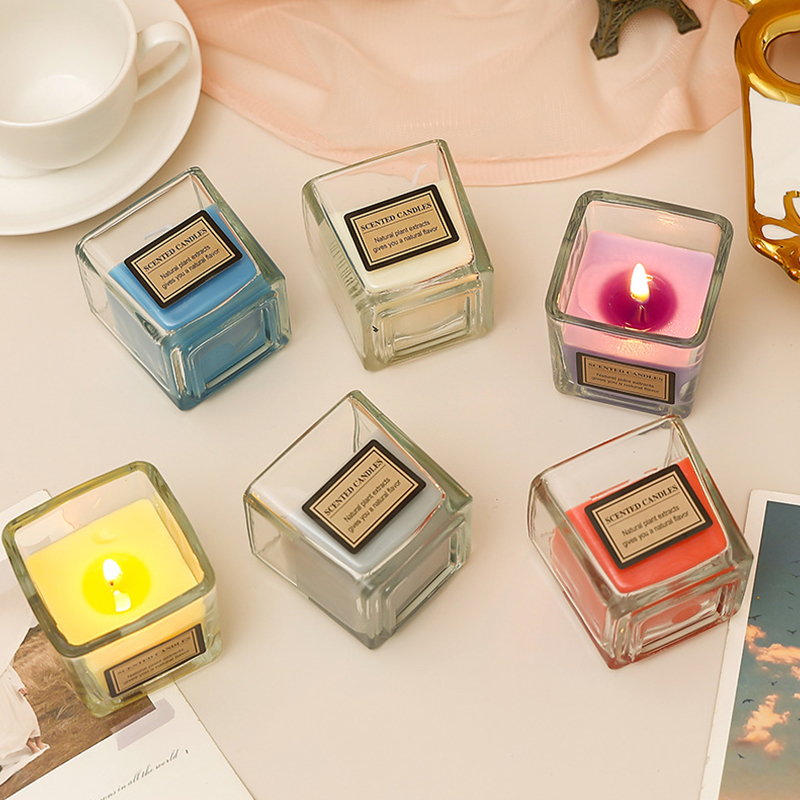 120g Fragrances Scented Home Scented Candles Strong Fragrance Long Lasting Aromatherapy Jar Candles

- E-mail: [email protected]
- TEL: +86-021-54730699
- Phone/Whatsapp: +86 136 8173 2008
- ADD: Room 612, Building A, No. 389, Lianming Road, Minhang District, Shanghai, China
To Browse
Mobile terminal
Copyright © Shanghai Hexuanshu Industrial Co., LTD
All Rights Reserved.
Wholesale Private Label Luxury Colour Cosmetic Products
