 Search
 EN
 English
 Español
 عربى


Make Up Manufacture Explained: Building a Private Label Cosmetics Line
Content
- 1 What Make Up Manufacture Actually Means on a Purchase Order
- 2 Four Variables That Move Cost Per Unit More Than the Formula
- 3 How to Read a Makeup Manufacturing Quotation Line by Line
- 4 Compliance Documents to Collect Before You Pay a Deposit
- 5 How Far a Shade Range Really Stretches
- 6 The Sequence from Brief to First Shipment
- 7 What a Factory's Filing Record Tells You About Risk
- 8 Direct Answers for First-Time Buyers
Five quotations for the same twelve-shade lip gloss arrive with five different cost structures: one prices 1,000 units per shade, another 500 units for the full order, a third adds a tooling fee for the applicator. The formulas are close to identical. The numbers are not.
Every gap in those quotes traces back to one cause: make up manufacture is three businesses running on one site. Bulk compounding is priced by the kilogram, filling is priced by the unit and the component, and documentation is priced by the market you intend to sell into. A buyer who knows which of the three is being negotiated stops comparing line items that were never comparable.
What Make Up Manufacture Actually Means on a Purchase Order
Make up manufacture is the conversion of an approved colour cosmetic formula into a finished, filled, labelled and documented retail unit, produced under ISO 22716:2007 good manufacturing practice.
That definition is deliberately narrow. It excludes design, brand strategy and retail, and it explains why a single purchase order generates three deliverables that ship separately even when they leave the same building.
Bulk, filling and documentation are three contracts
- Bulk compounding covers pigment dispersion, colour matching against a physical standard, and bulk release checks on viscosity and pH. It is quoted per kilogram, plus a lab batch fee.
- Filling and assembly covers component compatibility, fill weight, cap torque, label placement and cartoning. It is quoted per unit at your volume.
- Documentation covers the cosmetic product safety report, the product information file, stability and challenge test data, and colour additive declarations. It is quoted once per formula and repeats whenever the formula or pack changes.
The formula is an asset only if the contract assigns it
When a factory develops a formula, ownership does not transfer by default. Ask for a written assignment, the master batch record and the pigment supplier list. Without those three documents, a second manufacturer cannot reproduce the shade, and the brand cannot move production without starting over. This is the single most expensive clause to fix after launch, because re-matching a shade on a live SKU forces a new stability run.
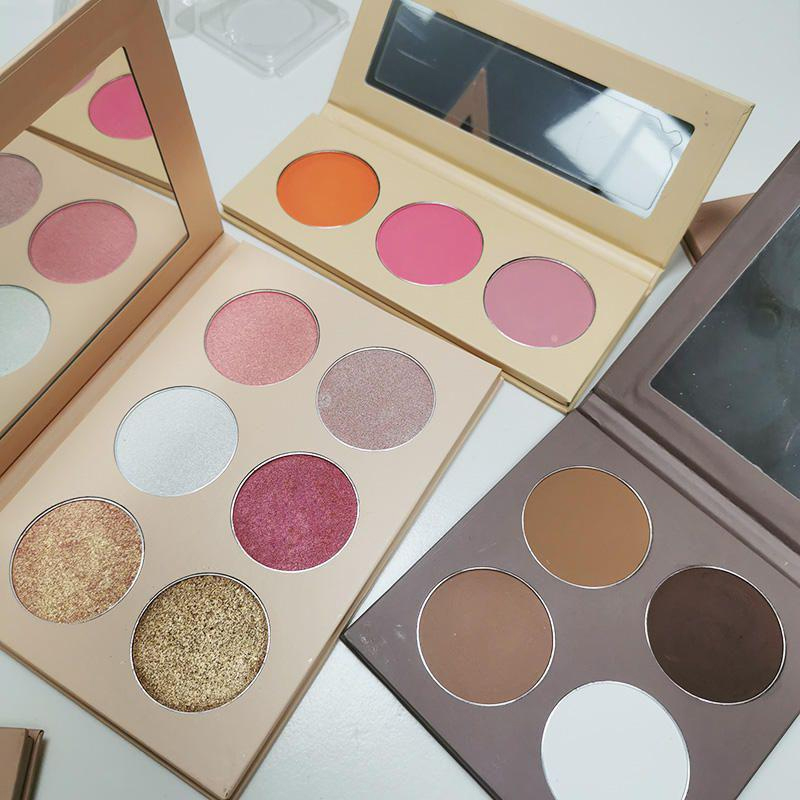 Private Label Multi-Shade Blush PaletteA customizable multi-shade blush palette with blendable texture and matte, satin, or shimmer finishes, suited to brands building a private-label blush collection.View Product →
The pattern to look for is a supplier that treats brand identity as part of the specification. A private label blush palette built around your own compact and printed brand carries the same bulk cost as a stock item, but the tooling and decoration are what turn it into a brand asset rather than a generic SKU.
Four Variables That Move Cost Per Unit More Than the Formula
Minimum order quantity, shade count, packaging and fill weight move landed cost per unit further than any single ingredient swap, and three of the four are negotiable before the formula is frozen.
- MOQ applies per SKU, not per order. A quoted 500 pieces usually means 500 per shade. Twelve shades at 500 pieces is 6,000 units of inventory, not 500.
- Shade count multiplies everything downstream. A 24-shade family is 24 bulk batches at reduced volume, 24 press or fill runs, and 24 sets of release documentation.
- Packaging carries its own minimums. Component moulds, hot-stamp plates and silk screens are quoted separately and rarely scale down with your order size.
- Fill weight decides component size. A 3.5 g and a 3.8 g lipstick can share a bullet mould but not a fill setting, and the second figure changes the net content declared on the carton.
- Bulk already compounded
- Fixed shade chart
- Lower MOQ per SKU
- Formula stays with the factory unless assigned
- Lab batch, then pilot batch
- Shade matched to a physical standard
- MOQ set by pigment and press minimums
- Ownership negotiable at brief stage
Published entry points vary widely across categories. The Daimiya lip gloss range lists one line at 50 pieces MOQ, while custom shade and custom logo work is quoted per SKU because pigment dispersion and press time are the real constraints.
 50-Piece MOQ Glitter Lip Gloss with PackagingA private-label shiny glitter lip gloss supplied with tube and packaging, available in multiple shades and glitter intensities for small-batch brand launches.View Product →
How to Read a Makeup Manufacturing Quotation Line by Line
A makeup manufacturing quotation should itemise bulk, filling, packaging, testing and documentation as separate lines, because each one is re-quoted or absorbed differently when your volume changes.
| Line item | What it covers | What to check |
| Bulk compound | Pigment, base, colour matching | Price per kg and whether the lab batch is charged |
| Filling and assembly | Fill, cap, label, carton | Fill weight tolerance and declared rejection rate |
| Primary packaging | Compact, tube, bottle, applicator | Quoted at your volume or at stock levels |
| Testing | Stability, ISO 11930 challenge test, microbiology | Whether retests after a shade change are included |
| Documentation | Safety report, product information file, colour additive declaration | Who signs the assessment and for which market |
| Tooling | Moulds, screens, hot-stamp plates | One-off cost or amortised into unit price |
| Freight and duty | Ex-works versus delivered | Incoterm used and who clears customs |
The line buyers forget is testing. Stability and challenge work are one-off costs per formula, but they repeat after any change to fragrance, preservative system or pack. Budget for a retest each time a pigment supplier changes, because a substitution at source can invalidate both the safety assessment and the shelf life claim.
When several factories are quoting at once, work from a fixed checklist rather than from the totals. A structured wholesale cosmetics manufacturer comparison guide keeps the same questions in the same order across every supplier.
Compliance Documents to Collect Before You Pay a Deposit
Six documents separate a compliant makeup manufacturer from a trading desk: the ISO 22716 certificate, the cosmetic product safety report, the product information file, the stability report, the ISO 11930 challenge test report and a colour additive declaration for every pigment in the formula.
- ISO 22716:2007 certificate for the site that actually fills the goods. Check scope, address and expiry date, not just the logo on the homepage.
- Cosmetic product safety report signed by a qualified safety assessor, mandatory in the EU under Regulation (EC) No 1223/2009.
- Product information file retained for 10 years after the last batch placed on the EU market and produced to a competent authority on request.
- Stability report covering 12 weeks at 40 C and 75 percent relative humidity, plus a compatibility check inside the actual pack.
- Challenge test report to ISO 11930:2019 over 28 days, confirming the preservative system holds under simulated use.
- Colour additive declaration confirming each pigment sits on Annex IV of Regulation (EC) No 1223/2009 for Europe or the permitted lists in 21 CFR Part 73 and Part 74 for the United States.
Market registration runs in parallel with production. In the United States, the Modernization of Cosmetics Regulation Act of 2022 introduced facility registration and product listing, with the first compliance deadline in December 2023. In China, ordinary cosmetics are filed with NMPA before sale. A supplier already holding a filing in the destination market shortens that step by several weeks.
How Far a Shade Range Really Stretches
Maximum shade counts published inside a single manufacturer's makeup catalogue run from 8 to 113, and the spread tracks moulds, press tooling and pigment minimums rather than brand ambition.
A 113-shade monochrome eye shadow line is 113 separate SKUs, each carrying its own batch record, release test and label. A palette is one SKU holding many pans. Both are legitimate routes to market, but the arithmetic is different: twelve shades at 500 pieces each is 6,000 units and twelve batches, while one 12-pan palette at 3,000 units is a single assembly run.
For a first launch, the palette route keeps the shade count visible to the customer while holding document volume low. It also lets the buyer test colour demand before committing to single-pan inventory.
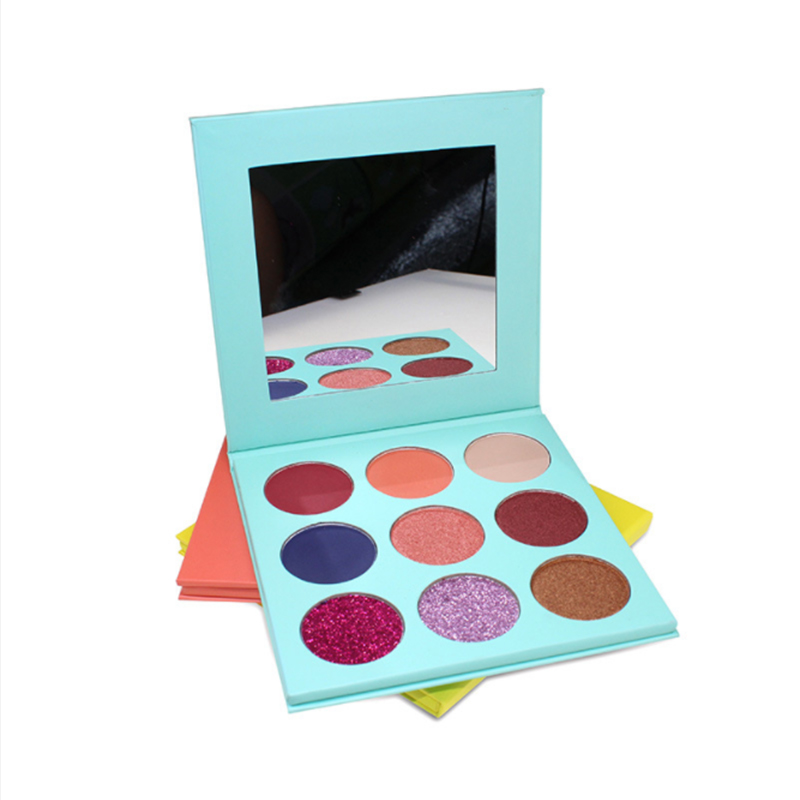 113-Shade Matte Pearlescent Monochrome EyeshadowA private-label monochrome eyeshadow in 113 shades, pairing a matte base with fine pearlescent shimmer for buildable, controlled application and custom branding.View Product →
The Sequence from Brief to First Shipment
A compliant private label makeup launch moves through seven stages, and only one of them happens on the filling line.
Fix the SKU count, the finish family and the target market first, because the market decides which pigment list applies.
Colour is matched against a physical standard under a defined light source, not against a screen.
Bulk is aged in the actual component. A formula that performs in a glass jar can fail in an airless pump.
The pilot batch sets the reference sample that every production batch is measured against.
Twelve weeks of accelerated stability and 28 days of ISO 11930 run in parallel with packaging production.
Fill weight, cap torque, label alignment and net content are checked at the line, not at the warehouse.
Safety report, product information file and certificates ship with the goods, not after them.
What a Factory's Filing Record Tells You About Risk
A manufacturer that can point to a regulatory filing in the market it ships to removes one category of risk before a single unit exists.
Shanghai Hexuan Shu Industrial Co., Ltd. operates the Daimiya brand from Shanghai and states that it has managed and marketed beauty products online and offline since 2013, with an in-house development team and its own production line. The company reports filing records held with the Shanghai drug regulatory authority and states that new products are trialled by several thousand testers before release. The verifiable part of that claim is what matters to a buyer: ask for the filing number and the trial protocol, and read them before signing.
The same catalogue also shows how the offer is structured for buyers rather than consumers. Product pages carry custom logo, custom packaging, no-logo and pick-your-own-colour options alongside stock lines, which means a first order can be small and a repeat order can be fully branded without changing supplier. A walk through the production and capability pages is the fastest way to confirm which categories run on the in-house line and which are sourced.
Direct Answers for First-Time Buyers
What is the smallest realistic order for a custom lipstick?
Stock lines can start at 50 pieces, as the Daimiya lip gloss catalogue shows, while a custom shade plus a custom logo is quoted per SKU because pigment dispersion and press time set the floor. Ask for the MOQ in writing per SKU, per shade and per component, not as a single order figure.
How much time does stability testing add to a launch?
Twelve weeks at 40 C and 75 percent relative humidity is the usual accelerated protocol, and the ISO 11930 challenge test adds 28 days. Started alongside the pilot batch, both run in parallel with packaging production and typically add no calendar time to the project.
Who owns the formula when the factory develops it?
The factory owns it unless the contract assigns ownership. A written assignment plus the master batch record and pigment supplier list is what allows a brand to move production later without re-developing the shade and repeating the safety assessment.
Do vegan and cruelty-free claims need certification?
Neither term is defined in Regulation (EC) No 1223/2009 or in United States federal cosmetics law, so both rest on substantiation rather than on a mandatory certificate. ISO 16128-1:2016 provides a calculation method for natural and organic content, which covers origin claims but not animal testing. Third-party certification schemes are voluntary and should be named on pack only when actually held.
-
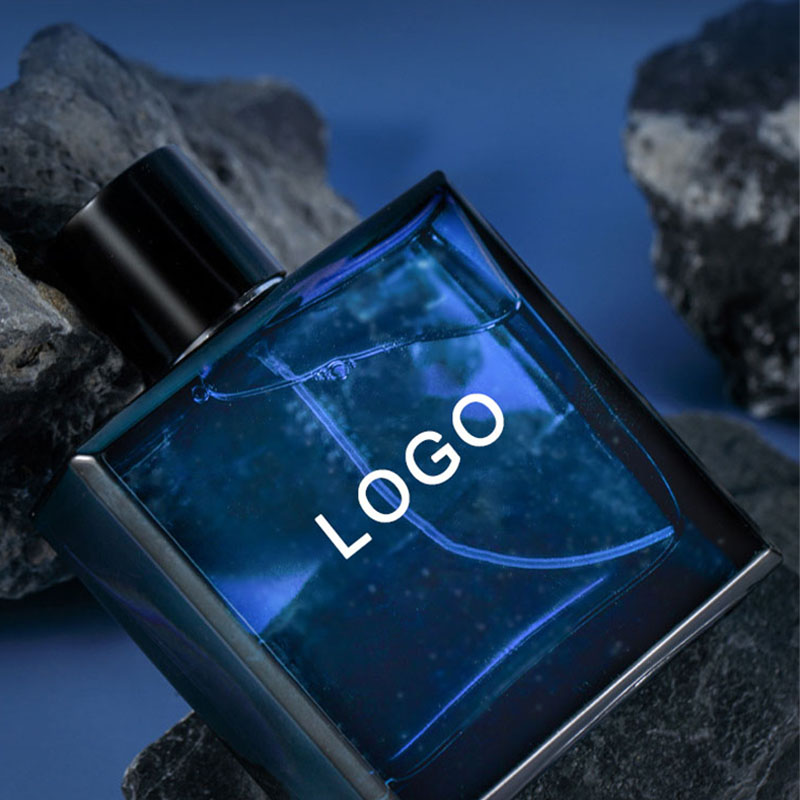 100ml Men Perfume Professional Manufacturer Male Perfume
-
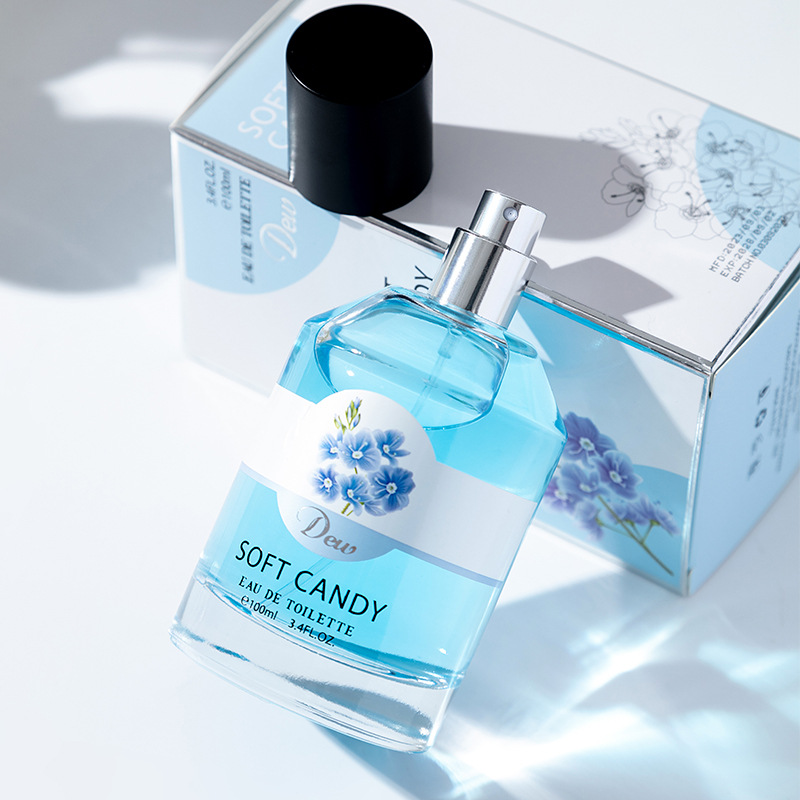 100ml Perfume Logo Make Your Own Brand Smart Collection Perfumes Original Women Perfume
-
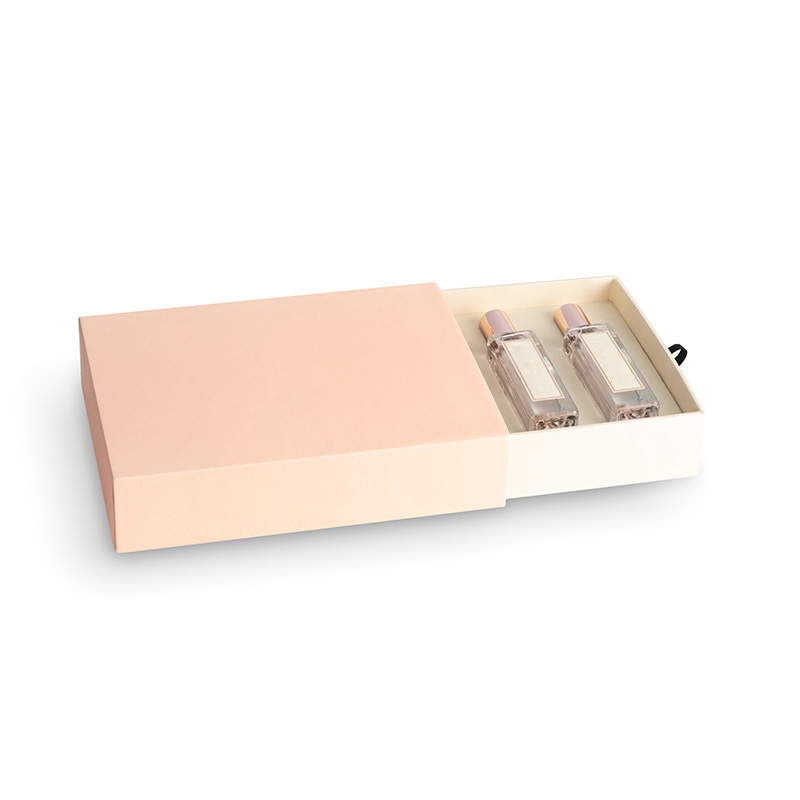 30ML*4 Label Long Lasting Body Spray Perfume Gift Set for Women Men 30ml/50ml/100ml
-
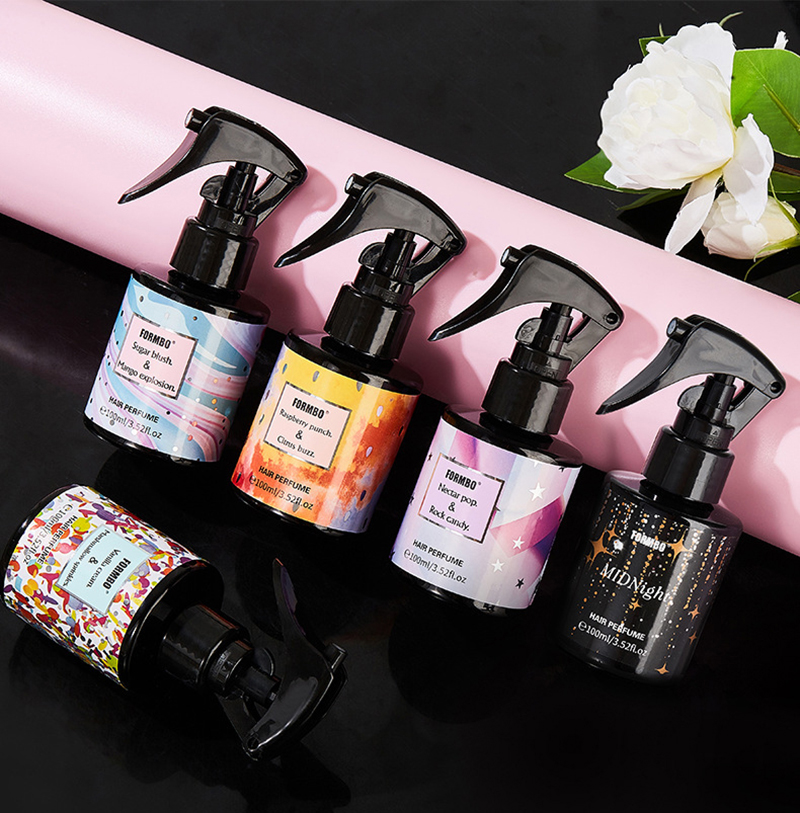 100ml Hair Mist and Women Silk Spray Gift Fragrance Hair Perfume & Body Mist Hair Spray
-
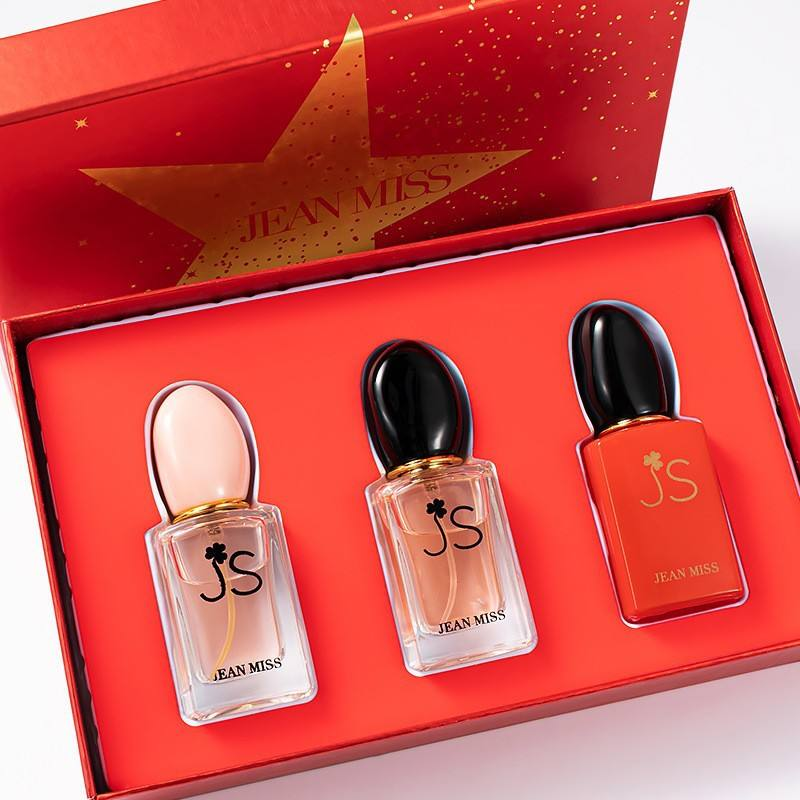 30ml*3 Lady Perfume Set Lasting Perfume Original Fragrance Brand Paris 3-piece Perfume Gift Set
-
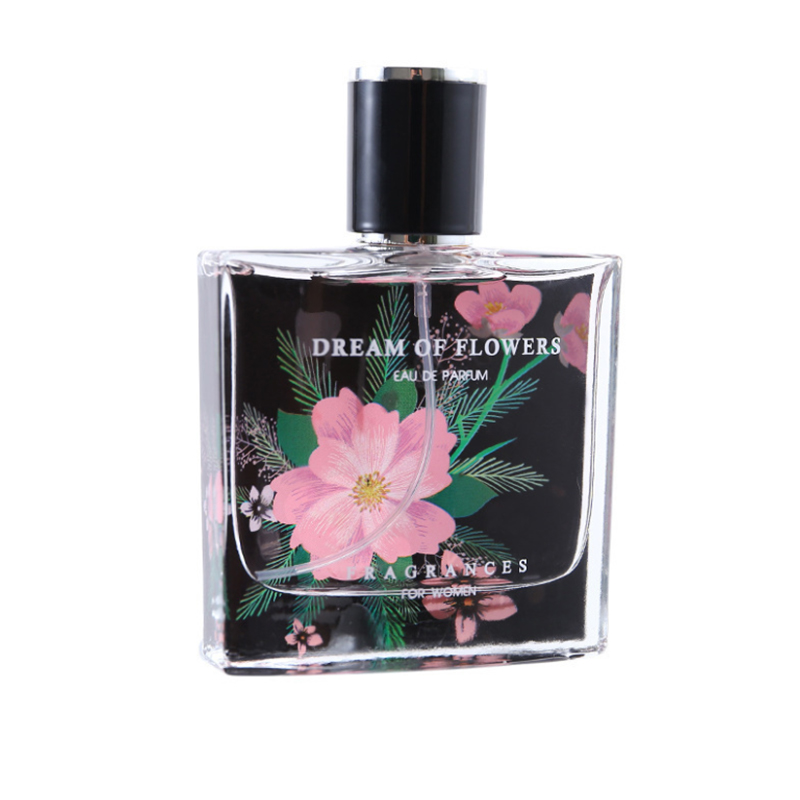 Original Long Lasting Fragrance Flower 50Ml Eau De Perfume for Women

- E-mail: [email protected]
- TEL: +86-021-54730699
- Phone/Whatsapp: +86 136 8173 2008
- ADD: Room 612, Building A, No. 389, Lianming Road, Minhang District, Shanghai, China
To Browse
Mobile terminal
Copyright © Shanghai Hexuanshu Industrial Co., LTD
All Rights Reserved.
Wholesale Private Label Luxury Colour Cosmetic Products
