 Search
 EN
 English
 Español
 عربى


Colour Cosmetic Manufacturer: Applications, Selection Criteria, and Practical Guidance
Content
What a Colour Cosmetic Manufacturer Actually Supplies
A colour cosmetics factory supplies four product families, lip, eye, cheek and complexion, and the format list inside each family is longer than most first-time buyers expect.
The dividing line between colour cosmetics and skincare is that a pigment product is judged by how it looks and wears, not only by what it claims on the carton. That moves the specification work onto pigment dispersion, binder ratio, pan pressure and film former. In the cndaimiya.com catalogue the lip family alone covers liquid lipstick, matte bullet, lip gloss, lip oil, lip liner and lip mask, and those formats do not share a filling line: a 2.5 g single eyeshadow pan, a 12-colour pressed palette and a 113-colour monochrome range are three separate production problems inside one category.
| Family | Formats filled | Published shades | What it decides for the buyer |
| Lip | Liquid lipstick, matte bullet, gloss, oil, liner, balm, mask | 6 to 113 | Depth of the shade ladder and repeat-purchase rate |
| Eye | Pressed palette, single pan, loose pigment, mascara, liner, brow | 9 to 113 | Palette architecture and pan tooling |
| Cheek | Pressed powder, cream, liquid tint, stick | 6 to 18 | Finish risk between cream and powder trends |
| Complexion | Liquid foundation, pressed powder, highlighter, bronzer, contour | 6 to 13 | Undertone range and regional skin fit |
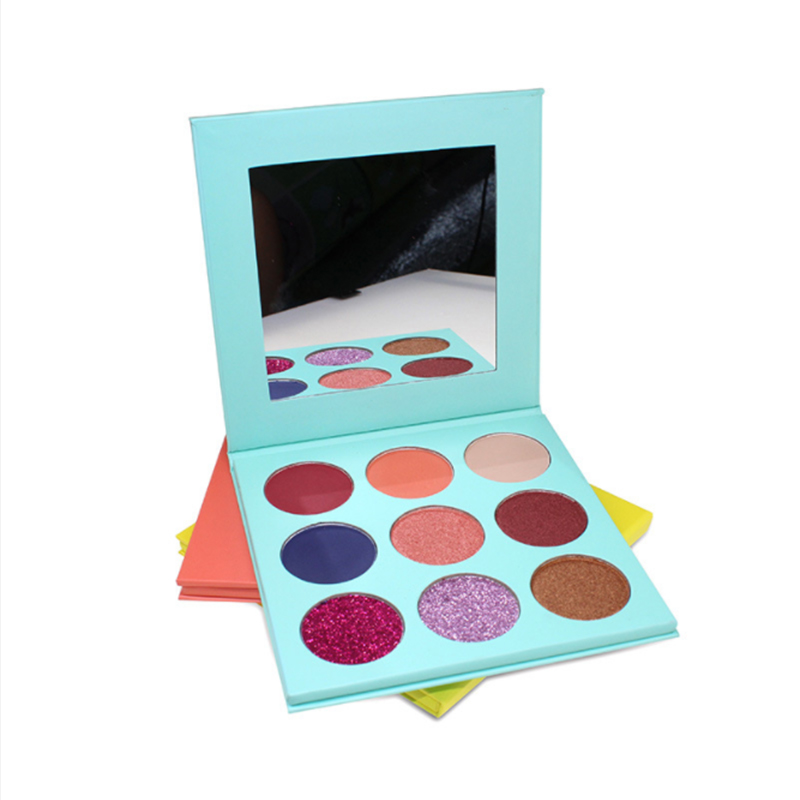 113-Shade Matte Pearlescent Monochrome Eyeshadow for Private LabelA single-pan eyeshadow range with matte base, fine pearlescent particles, buildable coverage, and logo or embossed branding options for wholesale private-label lines.View Product →
Shade Count Decides the Launch, Not the Formula
Shade count is the number that sets tooling, fill time and shelf density, and the ranges published for colour cosmetics run from 6 to 113 colours inside a single product family.
Every added shade carries four hidden costs: a pigment premix, a fraction of bulk batch, a separate label or pan reference, and a retained QC standard that has to be matched batch after batch. A six-shade blush is a job. A 113-shade eyeshadow programme is an operation with its own colour library.
The practical reading is that a new brand should choose a depth it can maintain. A shade that sells out and is not reordered from the same pigment lot becomes a shade you cannot match, and that is a customer service problem long before it is a financial one.
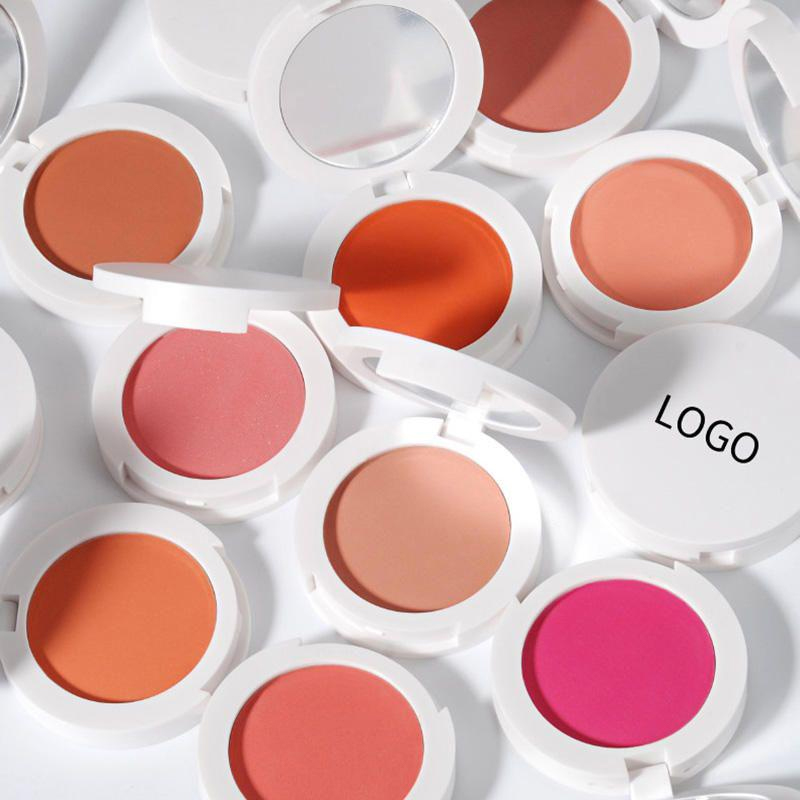 18-Shade Vegan Pressed Powder Blush for Private LabelHigh-pigment pressed blush in 18 neutral, warm, and cool shades, with buildable coverage and small-batch private-label options from 50 pieces.View Product →
Why 50 Pieces Changes the Sourcing Maths
A 50-piece minimum order lets a brand test four to six shades on a live market for roughly the cost of one conventional factory run.
The mechanism behind a low minimum is stock base plus shade concentrate. The factory keeps a qualified base formula and a set of approved pigment dispersions, and your order becomes 50 units of shade A, 50 of shade B and 50 of shade C filled from the same bulk. That is why 50 pieces is realistic on a blush or a gloss and unrealistic on a brand-new custom component, where tooling carries its own five-figure threshold regardless of volume.
- Four to six shades tested on a marketplace listing or in retail before a full commitment
- A logo and label proof on a real component rather than a digital mock
- Stability data on the exact formula you intend to scale
- A written batch record you can reference when the reorder arrives
The Four Customisation Levers
Customisation on colour cosmetics comes down to four levers, shade, formula, component and decoration, and each carries a different minimum and a different risk.
Private label
- Stock formula and an existing shade library
- Your logo on the component and the carton
- Lowest minimum, fastest route to market
- Differentiation lives in shade choice and packaging
Full ODM
- New formula, new component, custom pan layout
- Pigment load, finish and wear set by the buyer
- Highest minimum, longest development path
- Differentiation lives in texture and wear claim
Shade and formula decisions are settled on a lab dip. Component and decoration decisions are settled on a physical proof, and that proof is the item most often signed off late. A soft-touch coating on a compact and a hot-stamped logo on a slim tube run on entirely different schedules, so both should be confirmed before the bulk date is agreed.
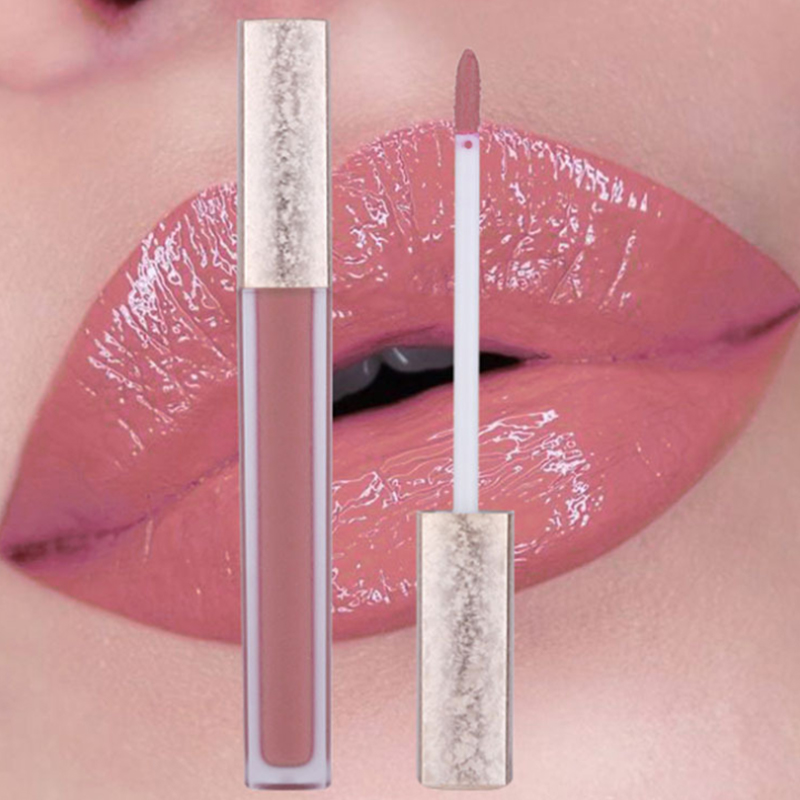 70-Shade Glitter Lip Gloss for Wholesale Private LabelA glossy lip range with 70 shades plus a shimmer option, smooth texture, batch consistency, and logo printing for private-label wholesale buyers.View Product →
Documents to Request Before the First Purchase Order
Five documents settle most supplier risk on colour cosmetics: an ISO 22716:2007 GMP certificate, an MSDS per formula, the pigment CI list, a stability report and the facility registration or responsible-person file.
- ISO 22716:2007 is the good manufacturing practice standard an EU importer cites first under Regulation 1223/2009.
- An MSDS per formula, item by item, naming pigment trade names and CI numbers such as CI 77491 and CI 77891.
- A stability report covering the actual pack, because a doe-foot tube and a pressed pan fail in different ways.
- The CI list maps each colourant to its permitted zone of application. A pigment cleared for lips is not automatically cleared for the eye area.
- Facility registration under the US MoCRA framework, in force since December 2022, plus a named responsible person for the EU market.
Shanghai Hexuan Shu states that its products are filed with the Shanghai medical products regulator and that new formulas are trialled by several thousand testers before launch. Both claims are worth confirming in writing, and the production and filing position should be checked against the specific formula you intend to buy rather than the company page in general. Heavy metal limits belong in the same conversation: the US FDA limit for lead in colour additives is 10 ppm, and a pigment supplier statement should sit in the file beside the MSDS. Buyers comparing quotations across several factories can use this wholesale manufacturer selection guide as a scoring sheet.
From Brief to Bulk: The Order Sequence
A colour cosmetic order moves through six stages, and the two that decide whether a launch lands on time are the laboratory sample rounds and the stability window.
- Brief and shade shortlist. Fix the family, the finish and the shade count first. A brief naming 12 lip shades and two finishes earns a usable quote; a brief asking for a lip range earns a catalogue page.
- Laboratory samples. Expect at least two rounds, the first for colour and texture, the second for wear and pack compatibility. Press the sample through the production component before approving it.
- Stability and compatibility testing. Accelerated testing at elevated temperature over four to twelve weeks is the standard benchmark, and a formula that shifts colour or bleeds into the component at that stage will fail in a warehouse.
- Component sourcing and decoration. Stock components move in weeks, custom tooling moves in months, and the decoration proof is the approval that slips.
- Pilot batch. A short production run confirms fill weight, pan pressure and seal integrity before bulk is released.
- Bulk production and QC. Retain a sample from every batch against the approved standard, because that reference is the only defence available when a reorder looks different.
Colour cosmetics reward buyers who treat shade count and components as engineering decisions rather than marketing ones. A 50-piece run across six shades, built on a base the factory already qualifies, is enough to prove a colour story in market and enough to walk away from if the batch record does not hold up.
How many shades should a first colour cosmetics launch include?
Six to twelve. The blush ranges published by Shanghai Hexuan Shu run 6, 8 and 18 colours, and a six-shade ladder covering light to deep is enough to test undertone fit before a second tier is added.
What is the smallest order a colour cosmetics manufacturer will accept?
50 pieces per shade on stock-base products such as glitter lip gloss and pressed blush, with a small-batch option on selected lines. Custom tooling resets that number, because the component minimum moves independently of the fill minimum.
Can a private label buyer change the formula rather than only the logo?
Yes, under ODM terms. The buyer sets pigment load, finish, wear claim and claim set including vegan, cruelty-free and talc-free, and the factory matches it on its own base system. Adding a new component as well moves the project from ODM into full custom development.
Which certificate matters most when sourcing colour cosmetics?
ISO 22716:2007. It is the GMP standard an EU importer cites under Regulation 1223/2009, and it is the one document a supplier cannot replace with a marketing page.
-
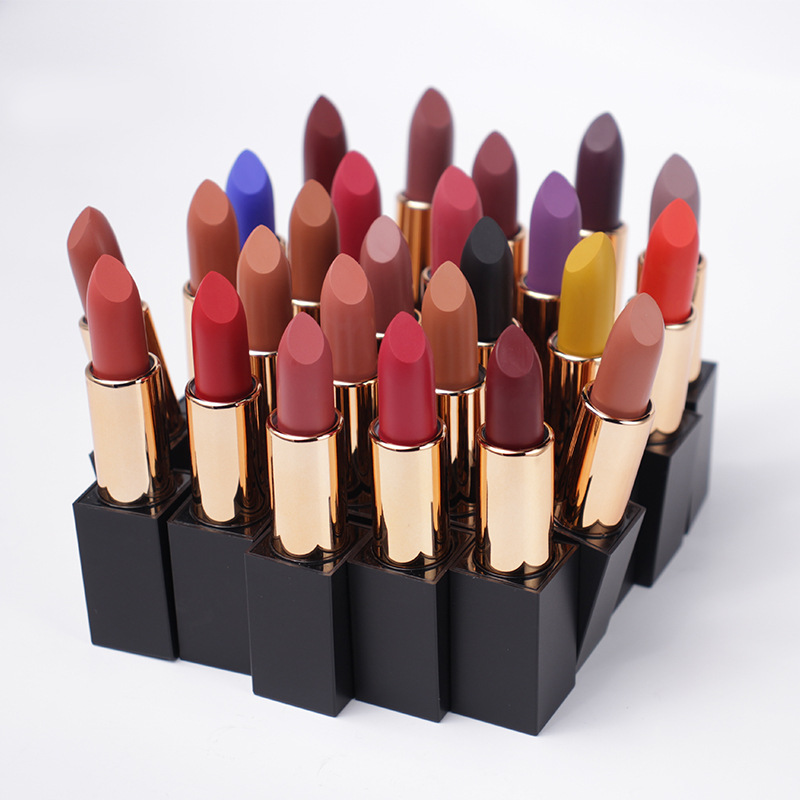 Cosmetics Makeup Make Your Own Brand Lipstick Matte Lipstick
-
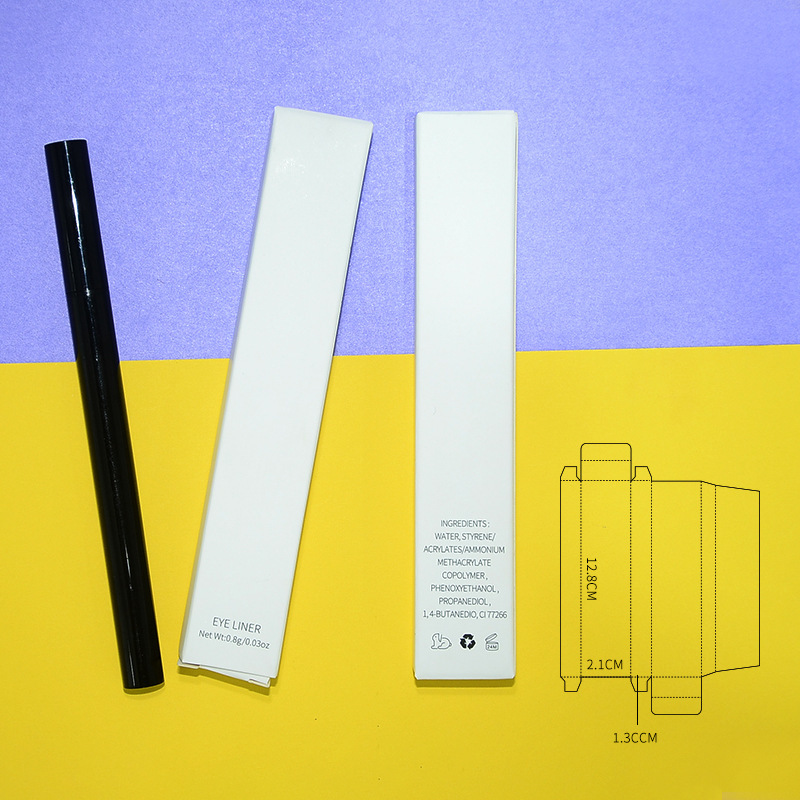 Cosmetics Eye Use Best Long Lasting Liquid Eyeliner Waterproof Eyeliner Makeup Best Eyeliner
-
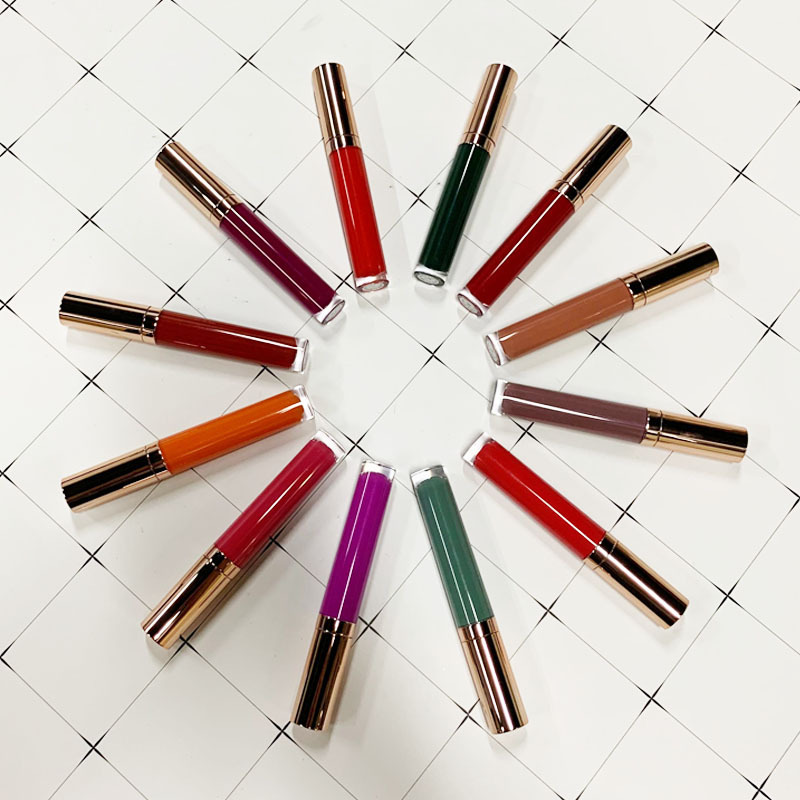 Cosmetics Make Lip Gloss No Label Liquid Matte Lipstick Lip Gloss 30 colors
-
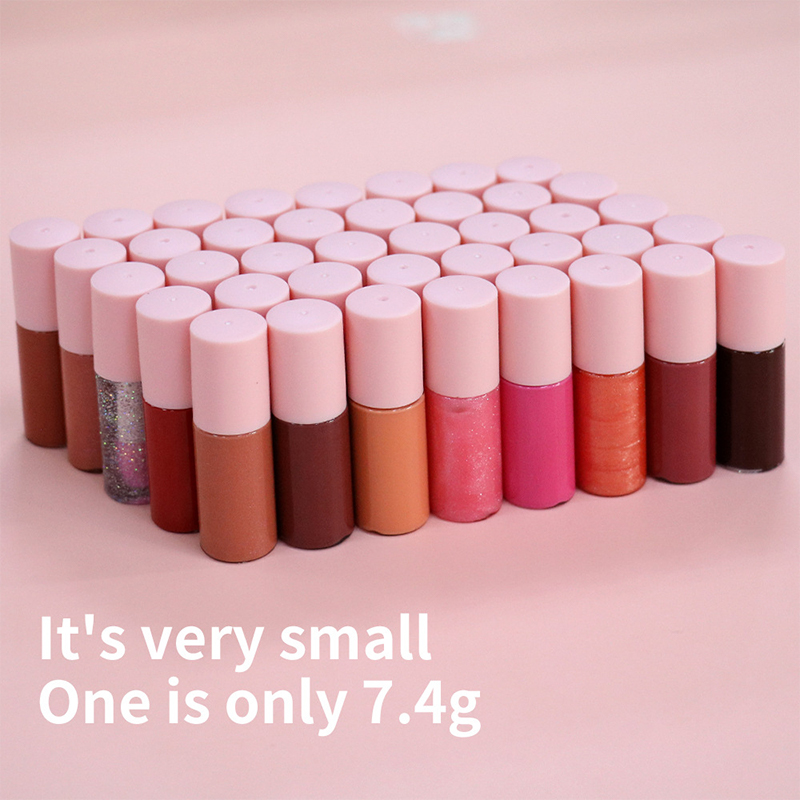 Sweet Candy Lipgloss Lip Gloss Pink Pigment Base Kids Mini Kit Set Cute Girls No Logo Shimmer Clear
-
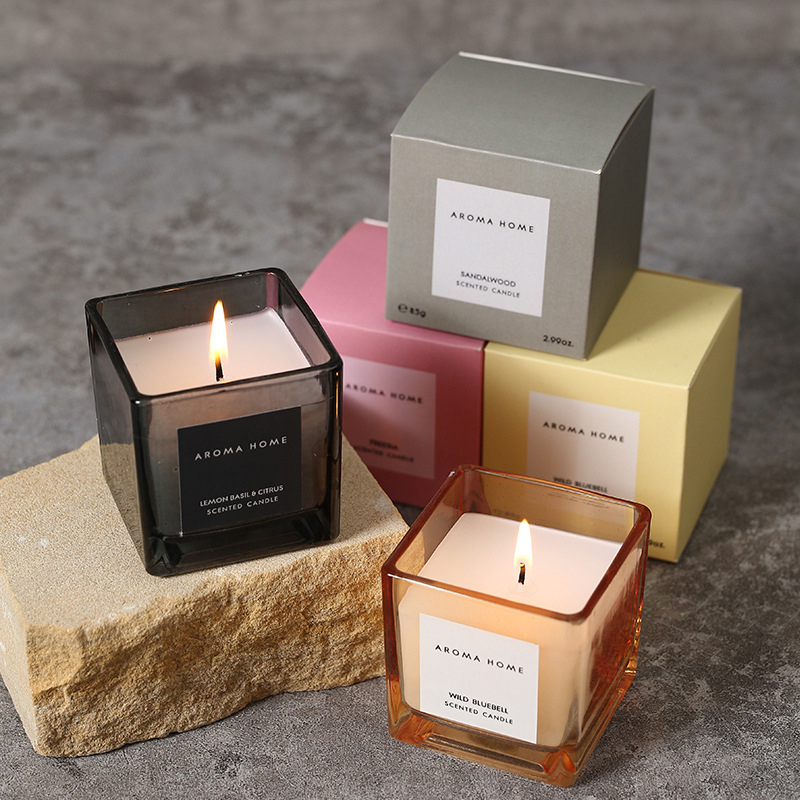 85g Packaging Soy Wax Customised Glass Jar Aromatherapy Aroma Scent Bougie Candle Gift Set for Home Fragrance
-
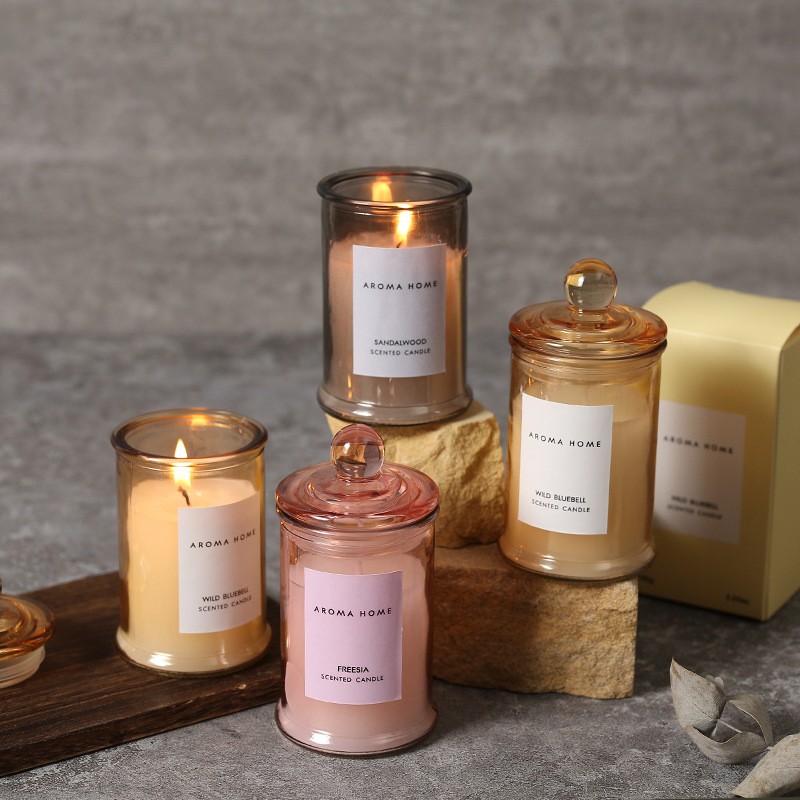 Soy Wax Scented Candle for Home Decor 95g

- E-mail: [email protected]
- TEL: +86-021-54730699
- Phone/Whatsapp: +86 136 8173 2008
- ADD: Room 612, Building A, No. 389, Lianming Road, Minhang District, Shanghai, China
To Browse
Mobile terminal
Copyright © Shanghai Hexuanshu Industrial Co., LTD
All Rights Reserved.
Wholesale Private Label Luxury Colour Cosmetic Products
