 Search
 EN
 English
 Español
 عربى


Private Label Organic Skin Care: Certification, Formulas and MOQ Reality
Content
- 1 Who actually defines organic in skin care
- 2 The documents that make an organic claim defensible
- 3 What carries the organic claim inside a cream or serum
- 4 MOQ, tooling and what a 50-piece run really costs
- 5 Packaging and stability: where organic launches fail
- 6 Four decisions that settle an organic private label launch
Regulation (EC) No 1223/2009, the framework every cosmetic sold in the European Union has to satisfy, never defines the word organic. That single omission shapes every private label organic skin care project, because it pushes the claim out of the marketing deck and into the formula file, the certificate folder and the stability report.
Two brands can launch the same 50 ml cream from the same ingredient list and land on completely different legal footing. One prints a certificate number and a natural-origin percentage on the carton; the other prints a leaf. Only the first one has something to hand over when a retailer's compliance team asks what the claim rests on.
Choose the claim standard before the emulsifier. A preservative system built for a certified organic formula and a conventional phenoxyethanol system rarely tolerate the same emulsifier pair, and changing either after the first sample triggers a new ISO 11930 preservation test, a new 12-week stability study and a new round of artwork.
Who actually defines organic in skin care
No cosmetics regulator in the European Union or the United States defines organic as a cosmetic term; the claim is carried by third-party certification and by the natural-origin calculation standardised in ISO 16128.
In the EU, claims fall under Regulation (EU) No 655/2013, which requires every claim to be truthful, substantiated, honest, relevant and clear. A brand may print the word organic when it can evidence the claim, and the evidence route that retailers, notified bodies and consumer organisations recognise is certification against a private standard, most often COSMOS ORGANIC or COSMOS NATURAL. In the United States, the Food and Drug Administration states that it has no definition of organic for cosmetics outside the USDA National Organic Program, which covers agricultural ingredients and the products certified to it.
Enforcement is tightening rather than loosening. Directive (EU) 2024/825, adopted in 2024, obliges traders to substantiate voluntary green claims and prohibits generic environmental statements, with member states required to apply the rules from September 2026. For a buyer the consequence is practical: a claim with no document behind it now carries a deadline.
| Claim on the label | What has to exist behind it | Who checks it |
| Certified organic, front panel | A COSMOS or NATURE certificate covering formula and site, with at least 95% of plant-derived ingredients certified organic | An accredited certification body, through an annual audit |
| Made with organic ingredients, back label | A certificate at a lower threshold, with no logo permitted on the front panel | The same certification body |
| A stated natural-origin percentage | An ISO 16128 calculation built from supplier declarations | The brand's own product information file |
| Organic, with no certificate | A substantiated claim under Regulation (EU) No 655/2013, supported by the formula dossier | Market surveillance authorities |
The documents that make an organic claim defensible
Five documents decide whether an organic claim survives a retailer audit: the certificate itself, the ISO 16128 natural-origin calculation, the safety report required by Annex I of Regulation (EC) No 1223/2009, the ISO 11930 preservation test, and a GMP certificate to ISO 22716.
The pair that buyers confuse most often is ISO 16128 and COSMOS. They answer different questions, and only one of them involves an outside auditor.
- Measures the natural, natural-origin and derived share of a formula from supplier data
- Calculated by the brand or the manufacturer; no third party certifies the result
- Delivered in days, at no certification cost
- Supports back-label wording such as 98% natural origin
- Certifies formula, raw materials and production site against a written standard
- Audited annually by an approved certification body
- Takes three to six months and carries an annual fee per site
- Allows the certification logo on the front panel
Ask for both. A supplier who can produce an ISO 16128 calculation but not a certificate is offering a number, not a standard; a supplier who can produce a certificate but not the calculation has usually bought a formula rather than built one.
The boundary between a natural-origin number and a certified claim is narrower than most briefs assume, which is why it pays to read what eco-friendly skincare really means for a private label brand before the formula is signed off.
Private label organic skin care is a finished cosmetic manufactured by a contract partner and sold under the buyer's brand, with its formula, raw materials and packaging documented against a recognised organic or natural-origin standard rather than against an internal idea of clean beauty.
What carries the organic claim inside a cream or serum
Four formula decisions carry the claim: the oil phase, the humectant load, the emulsifier pair and the preservative system, and the preservative is the component that most often forces a reformulation.
The oil phase is the easiest to certify and the hardest to trace. Jojoba, sunflower and olive-derived squalane all pass a COSMOS review, but each lot needs a transaction certificate, and an auditor will follow the chain from the finished batch back to the farm. One undeclared lot breaks the whole file.
| Ingredient class | Certifiable option | What it costs you |
| Oil phase | Jojoba, sunflower, olive-derived squalane | A transaction certificate for every lot, or traceability breaks at the audit |
| Humectant | Glycerin, aloe vera juice, sodium hyaluronate | Glycerin above roughly 10% leaves a tacky finish that panelists notice within minutes |
| Emulsifier | Cetearyl olivate with sorbitan olivate, glyceryl stearate citrate | Tolerates fewer electrolytes, so botanical extracts must be screened one by one |
| Preservative | Sodium benzoate with potassium sorbate below pH 5.5, or benzyl alcohol | Efficacy drops as pH climbs, and ISO 11930 has to confirm the system |
ISO 11930 is the test that settles the argument. It challenges the formula with five organisms over 28 days, and a cream that fails goes back to the bench regardless of how strong the marketing story is.
When the calendar is the binding constraint, a stock base removes the formulation stage entirely. An existing water-based formula such as the centella asiatica and hyaluronic acid essence can carry a buyer's brand, label and carton without changing a single ingredient, which keeps the technical risk on the manufacturer's side of the table.
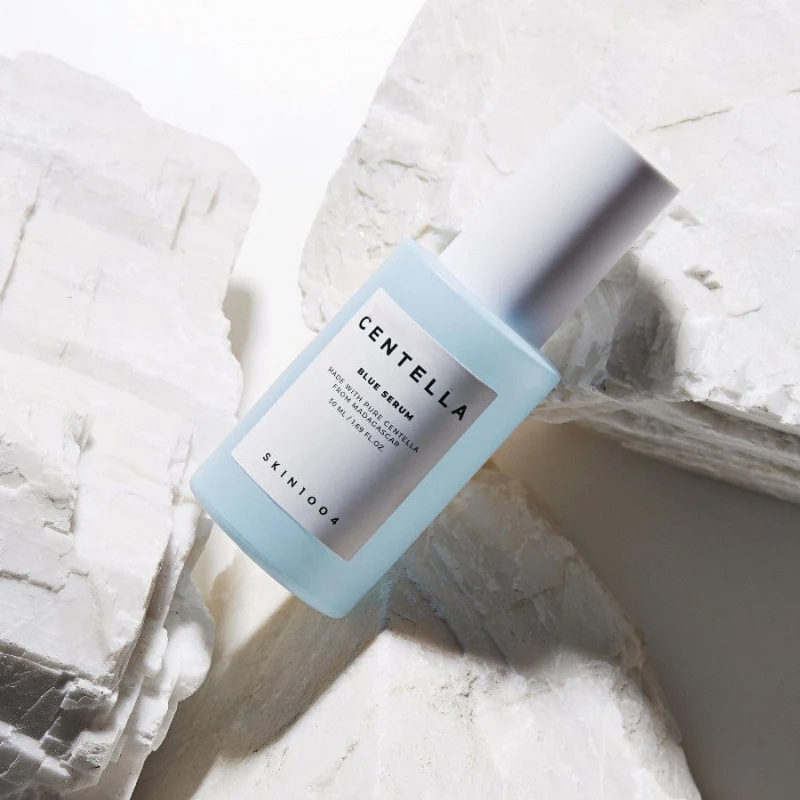 Centella Asiatica Hyaluronic Acid Essence Water 30mlStock 30ml essence with centella and hyaluronic acid, available for private-label branding with low-MOQ packaging options.View Product →
MOQ, tooling and what a 50-piece run really costs
A 50-piece run is realistic for a stock formula with a custom label, and unrealistic for a new certified organic emulsion, where fixed testing costs push the economic minimum to roughly 500 to 1,000 pieces.
Four costs set that floor, and none of them scale down with batch size.
- Labels: digital print stays economical to about 500 pieces, while offset plates only pay back above 1,000 to 2,000 labels per SKU.
- Raw materials: a certified botanical extract arrives in a 25 kg drum, and a 50-piece batch uses a fraction of one.
- Testing: a 12-week stability study and an ISO 11930 challenge test are charged per formula, not per unit.
- Certification: the annual audit fee is charged per site and per product scope, which is why certified ranges launch with three to five SKUs rather than fifteen.
The company behind this site has run its own Daimiya brand since 2013 alongside contract work for other brands, and the factory page describes how stock formats and custom formulas share the same equipment and quality system.
Sheet masks are the clearest case of a format where stock wins at low volume. A 35 g hyaluronic acid silk mask is a finished, tested article, so a 50-piece order only touches the label and the carton, and the buyer gets a retail-ready unit without funding a development program.
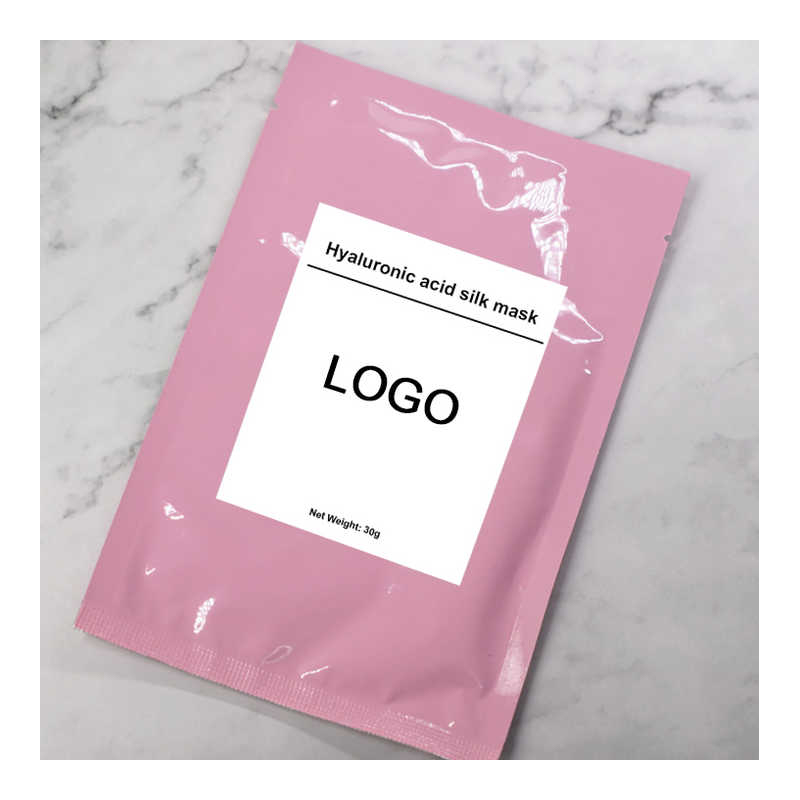 35g Hyaluronic Acid Silk Sheet MaskFinished 35g silk sheet mask with hyaluronic acid, suited to low-volume private label and retail-ready branding.View Product →
Packaging and stability: where organic launches fail
Most organic launches fail at the 12-week accelerated stability checkpoint rather than at the bench, and the usual cause is a clear jar or a dropper with a high air-exchange rate.
Natural colorants fade, essential oils oxidise and emulsifiers drift when a formula sits in the wrong pack. The standard protocol is 12 weeks at 40 °C and 75% relative humidity plus freeze-thaw cycles; a formula that separates at week eight will separate in a warehouse in summer.
- Compatibility: fill the final pack, not a lab jar, and run the full 12 weeks at 40 °C.
- Air exchange: prefer an airless pump for high-oil emulsions and check the actuator before approving tooling.
- Light: specify amber or opaque glass for botanical colorants, and check UV blocking if the pack stays clear.
- Migration: request a migration statement from the pack supplier, especially where recycled content is used in the jar or the liner.
A ceramide barrier cream is the classic case: the formula works, the texture is right, and the pack decides whether it survives a year on a shelf, which is why opaque airless formats are specified for barrier products rather than decorative jars.
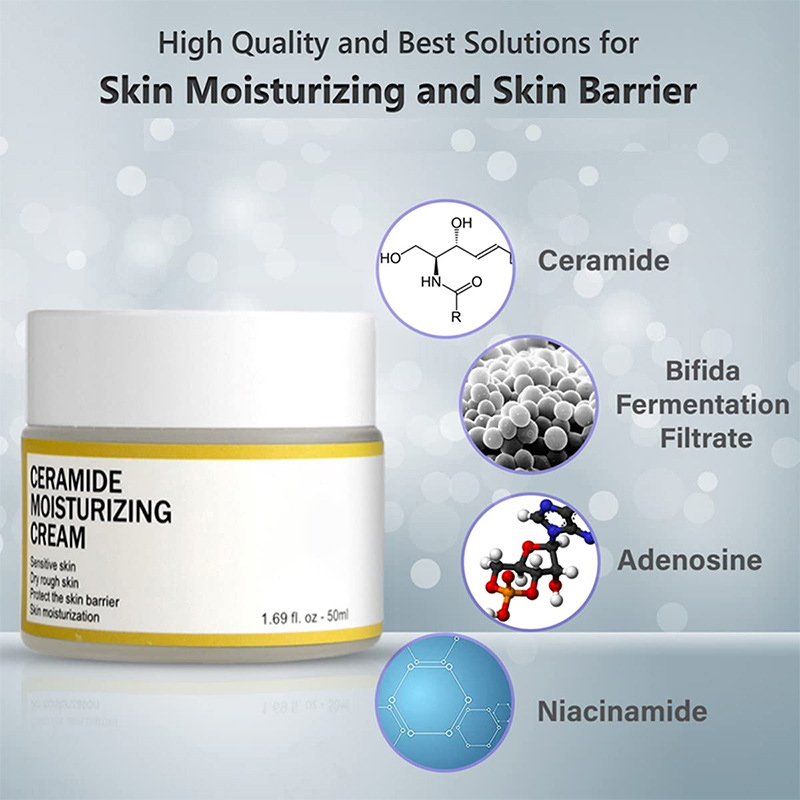 Ceramide Hydrating Face Cream 50g50g ceramide cream for hydration and barrier support, with private-label packaging options; final pack choice is critical for shelf life.View Product →
Twelve weeks at 40 °C and 75% relative humidity in the final pack, with a documented result at three checkpoints: week four, week eight and week twelve.
Four decisions that settle an organic private label launch
Do I need a certificate to sell an organic skin care line?
No. Regulation (EC) No 1223/2009 does not require certification, and a brand can legally use ISO 16128 natural-origin percentages without one. A certificate becomes necessary when a retailer, marketplace or distributor demands the logo, and it is charged annually per site.
How many SKUs should the first range carry?
Three to five. One hero serum or cream at 30 to 50 ml, one mask and one body item cover a shelf without multiplying dossiers; two SKUs built on the same base formula can share a single stability study and a single safety report.
What lead time is realistic?
A stock formula with a custom label and carton runs 25 to 40 days. A new formula runs 90 to 120 days once the 12-week stability study and the ISO 11930 test are counted. A certified formula adds the audit window on top of both.
Can a certified organic emulsion run at 50 pieces?
No. Stability and preservation testing are charged per formula regardless of batch size, so certified emulsions start at roughly 500 to 1,000 pieces. The 50-piece threshold applies to stock bases with label, carton and shade customisation.
The pattern across all four answers is the same: the chemistry is settled, and what remains is documentation. Brands that build the file first and the artwork second launch on schedule; brands that reverse the order usually pay for the same tests twice.
-
 Skin Care Gift Set for Bath Spa Includes Shower Gel Body Lotion and Body Mist and Perfume for Women
-
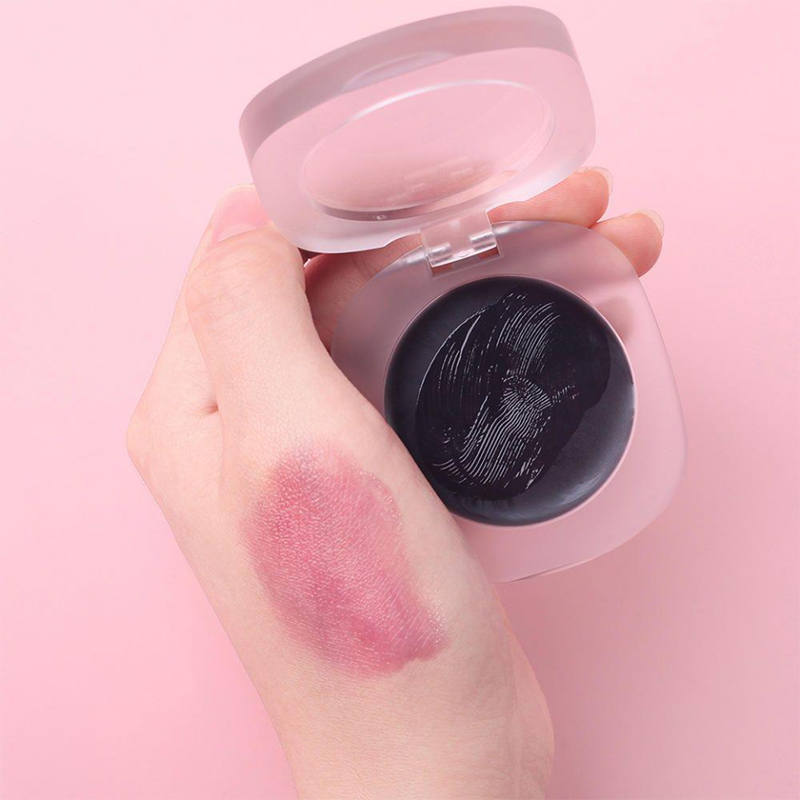 Your Logo Color Changing Blush Black to Pink Lip and Cheek Balm Tint Long Lasting Hydrating Natural Glow for All Skin Tones
-
 50ml/100ml Long Lasting Brand Designers Cologne Fragrance Men Perfume
-
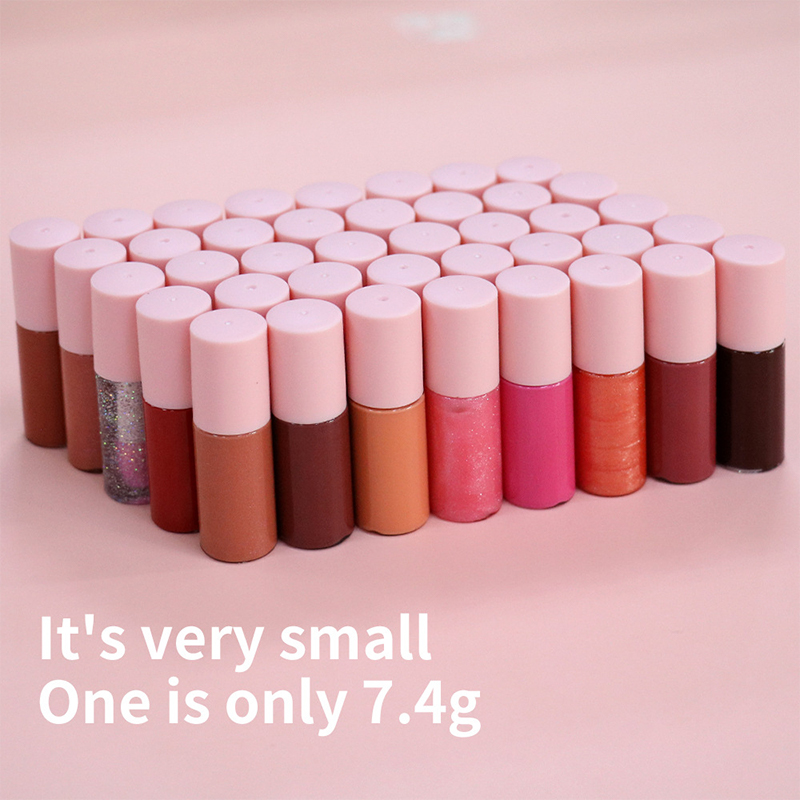 Sweet Candy Lipgloss Lip Gloss Pink Pigment Base Kids Mini Kit Set Cute Girls No Logo Shimmer Clear
-
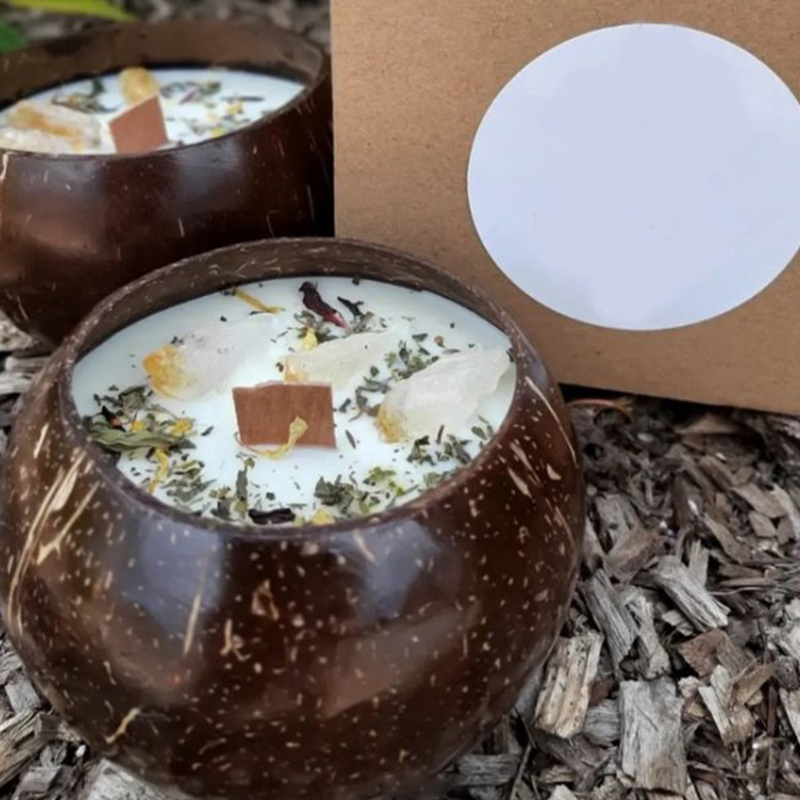 200g Aromatherapy Soy Wax Candle Natural Coconut Shell Long Bedroom Atmosphere Women's Birthday Gift Souvenir Box
-
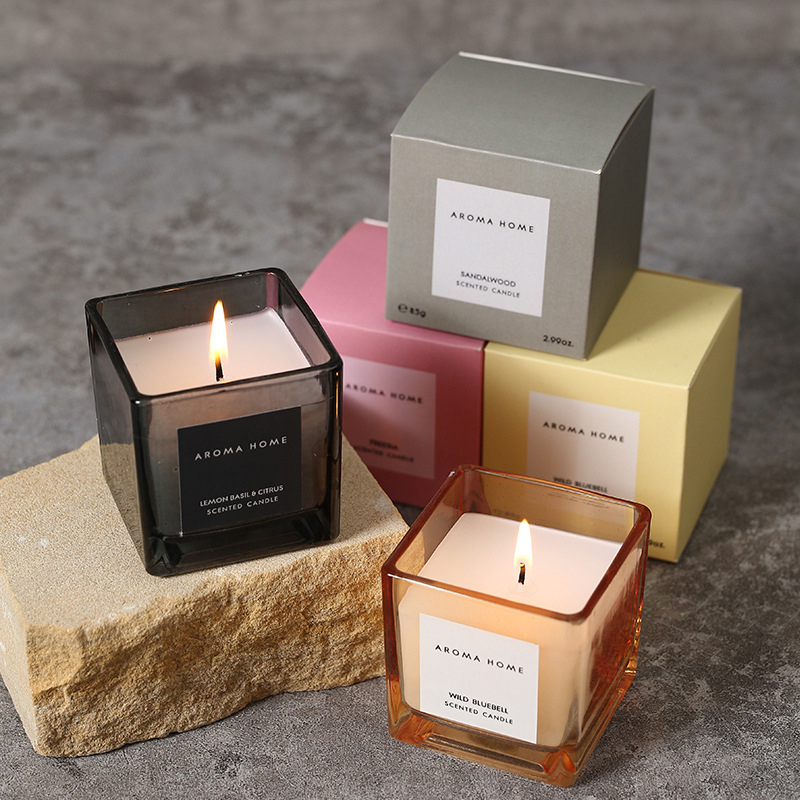 85g Packaging Soy Wax Customised Glass Jar Aromatherapy Aroma Scent Bougie Candle Gift Set for Home Fragrance

- E-mail: [email protected]
- TEL: +86-021-54730699
- Phone/Whatsapp: +86 136 8173 2008
- ADD: Room 612, Building A, No. 389, Lianming Road, Minhang District, Shanghai, China
To Browse
Mobile terminal
Copyright © Shanghai Hexuanshu Industrial Co., LTD
All Rights Reserved.
Wholesale Private Label Luxury Colour Cosmetic Products
